
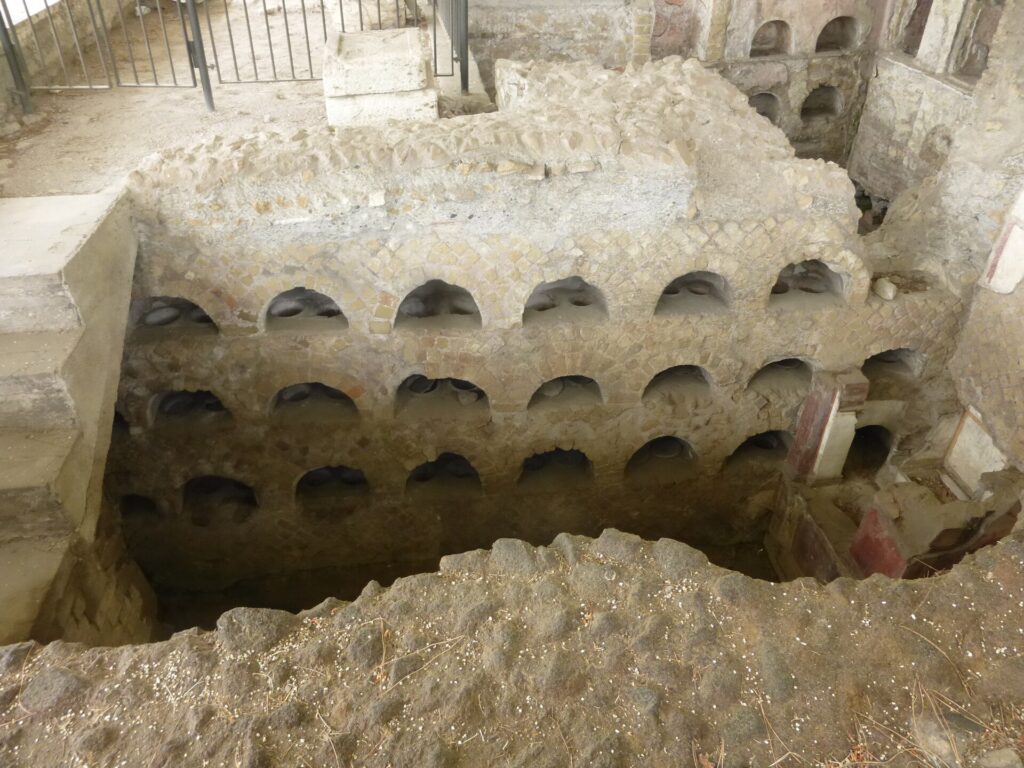
A remarkable archaeological discovery in Rome is shedding new light on ancient Roman burial customs and spiritual beliefs. In a recently uncovered sector of the Ostiense Necropolis—one of the largest and most historically significant burial grounds outside the ancient city—researchers have identified a striking funerary practice: the placement of nails on the chest of the deceased.
Located along the historic Via Ostiense, the road that once connected Rome to its vital port at Ostia, the necropolis developed over centuries and contains a wide range of burial types. From elaborate mausoleums adorned with inscriptions and frescoes to simpler earth graves, the site reflects the diversity of Roman society and its evolving funerary traditions.
The newly excavated graves date to the late antique period and feature individuals buried directly in the ground. What makes these burials particularly intriguing is the consistent presence of nails placed on the chest area of the bodies. While unusual to modern observers, this practice is not entirely unknown in Roman archaeology and has been documented in various regions of the former empire.
Scholars interpret the use of nails in burials in multiple ways, blending symbolic, ritualistic, and protective meanings. At its most basic level, the nail represents a final, irreversible act—“fixing” the state of death. However, its significance goes far beyond this simple interpretation.
In Roman belief systems, heavily influenced by earlier Etruscan traditions and widespread superstition, nails were thought to possess powerful magical properties. Their physical function—to fasten or secure objects—translated symbolically into the spiritual realm. By placing a nail on the deceased, mourners may have sought to “secure” the soul, ensuring that death remained final and that the individual could not return to disturb the living.
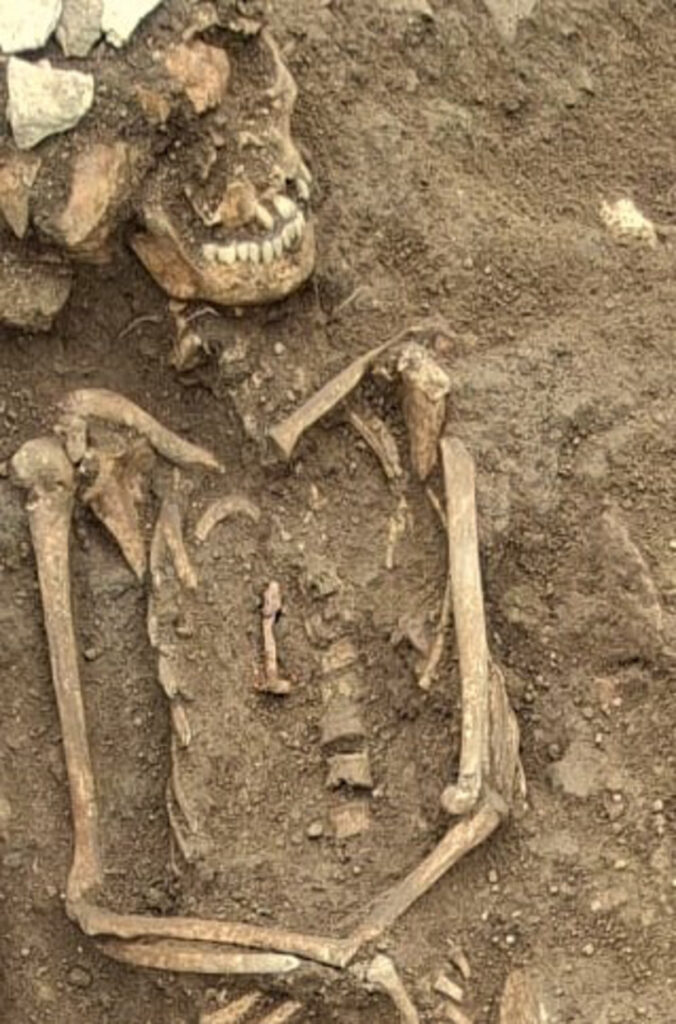
This protective function extended in multiple directions. Nails were believed to guard the body against desecration, shield the spirit from malevolent forces, and even protect surviving family members from potential supernatural harm. In essence, the ritual acted as a barrier between the worlds of the living and the dead.
The concept of nails as instruments of magical “fixing” has deep roots in ancient religion. In some contexts, their symbolism was positive. Rituals such as clavum figendi—the ceremonial driving of a large nail—were performed during significant civic or religious transitions, including the marking of a new year. In these cases, the nail symbolized closure of the past and the secure beginning of a new cycle, often associated with purification or atonement.
Classical sources also highlight the perceived power of nails. Ancient writers described their use in folk remedies and healing practices. Nails were believed to combat illnesses such as fever, wounds, and even epilepsy. One account suggests that driving a nail into the ground where an epileptic person first collapsed could cure the condition. Additionally, nails were thought to ward off natural disasters like floods, further emphasizing their protective and stabilizing symbolism.
However, not all associations with nails were benevolent. In the practice of defixiones, or curse tablets, nails played a darker role. These thin sheets of lead were inscribed with curses aimed at enemies, invoking divine forces to bring harm or misfortune. The act of piercing the tablet with a nail served to “fix” or bind the curse, ensuring its effectiveness. This dual nature—protective yet potentially harmful—reflects the complex spiritual landscape of the ancient world.
The discovery at the Ostiense Necropolis offers valuable insight into how Romans confronted death, fear, and the unknown. It reveals a society deeply invested in rituals that blended practicality, religion, and magic in an effort to control forces beyond human understanding.
As excavations continue, archaeologists আশা further findings that may deepen our understanding of these practices. For now, the humble nail—an everyday object—stands as a powerful symbol of ancient beliefs about life, death, and the unseen forces that connect them.
Cover Image Credit: Public Domain
