19 February 2026 The Future is the Product of the Past

The Rare Hittite Seal Found in The Field Will be on Display Soon

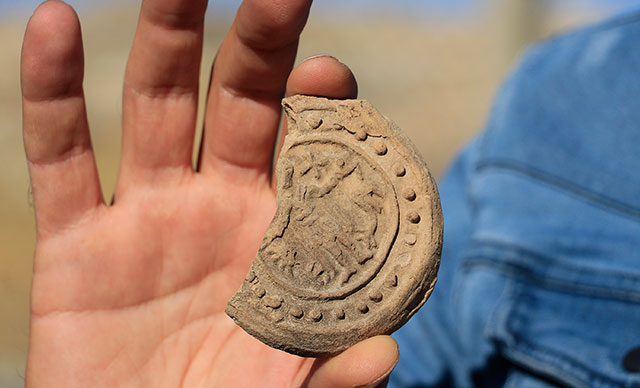
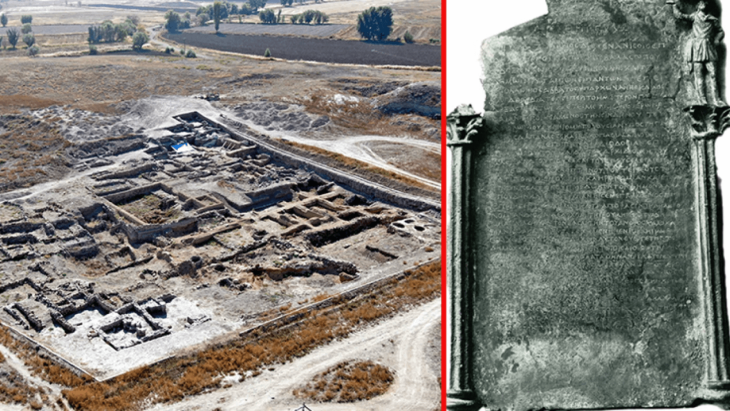
A 3500-year-old Hittite seal was found in the place defined as the Sapinuva region in Ortaköy, Çorum. As it is known, Şapinuva is one of the most important central places of the Hittite Empire.

While working in the field of a farmer in Ortaköy, which is home to the ancient city of Sapinuva, he found the seal thought to be from the Hittite period.

The Hittite seal, which has been found by a farmer while working in his field in the Ortaköy district and is considered to be about 3,500 years old, has been added to the Çorum Museum collection with the initiatives of Çorum Governor Mustafa Çiftçi and Ortaköy Mayor Taner İspir.

İspir convinced the farmer to hand over the historical artifact to the Çorum Governor’s Office.

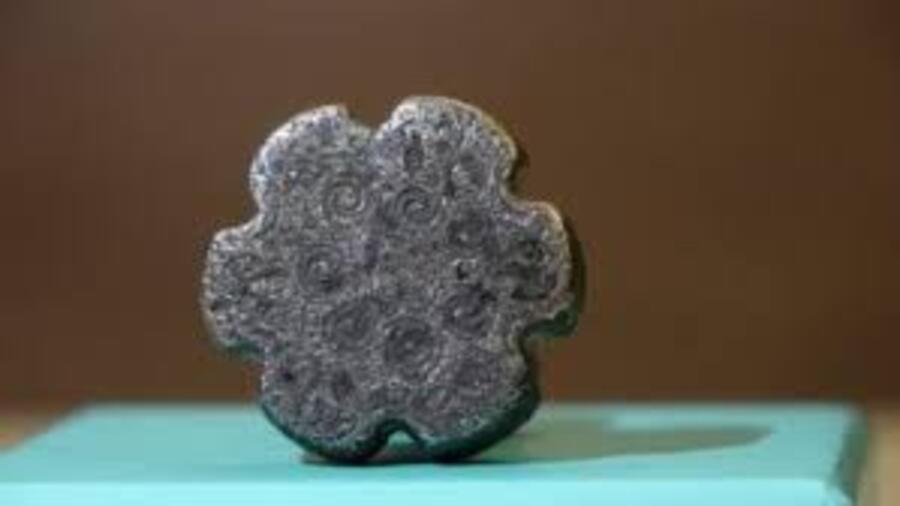
Preliminary inspections conducted by experts at the Çorum Museum revealed that the seal was a “hammerhead seal”, which may have belonged to the Hittite era from 1650 to 1400 BC.


📣 Our WhatsApp channel is now LIVE! Stay up-to-date with the latest news and updates, just click here to follow us on WhatsApp and never miss a thing!!


Speaking to the Anadolu Agency, İspir said that the seal could be a priceless historical artifact because the number of similar artifacts is low. “There are many artifacts belonging to the Hittites, one of the greatest civilizations in history,” he said.
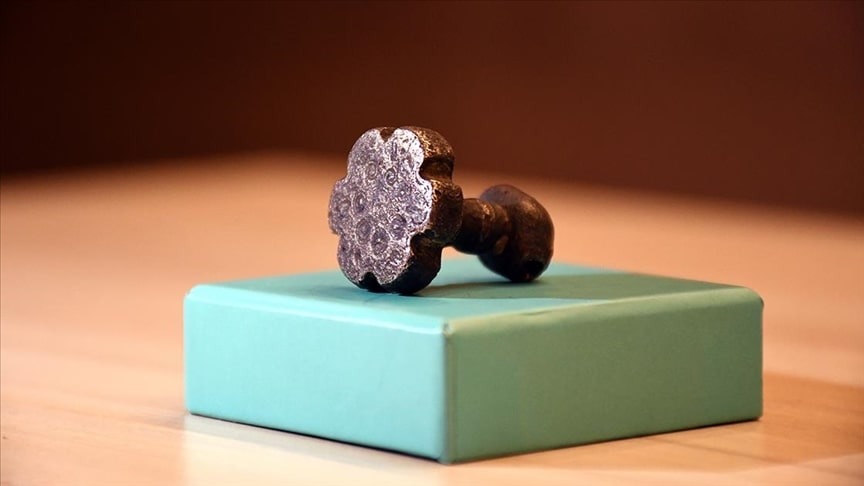
3600-year-old hitit seal
Work has begun to display the Hittite seal in the Çorum Museum. Photo: AA


Provincial Director of Culture and Tourism Sümeyra Şengül stated that the seal is still examined by the experts.

Stating that they considered the seal in the same group as Anatolian seals due to its various features, Şengül said: “It is a metallic seal with a height of 2.7 centimeters and a width of 2.2 centimeters, made of nickel alloy bronze with a hammer-head design and a ring relief decoration.”

“This unique Hittite seal was added to the Çorum Museum collection. The seal, which has a small number of similar examples in Turkish museums and other museums and collections abroad, is from the same group as the Anatolian seals, especially before the imperial era. Considering the form and style features of the Shapinuva region of Ortaköy district, this seal is dated to the Old Hittite Age, where it was found,” she added.

Work has begun to display the Hittite seal in the Çorum Museum.

The report prepared by the commission of archaeologists will be presented to the Ministry of Culture and Tourism and the seal will be displayed with others in the showcase on the 3rd floor of the museum in line with the future instructions.
Related Articles

3600-year-old lead weights were unearthed in the Kumluca Bronze Age Shipwreck, one of the oldest shipwrecks in the world

27 November 2022

27 November 2022

Underwater archaeological work continues in the Bronze Age shipwreck off Antalya Kumluca, one of the oldest shipwrecks in the world....

1800-year-old marble inscription found in Turkey’s Aigai excavations deciphered

2 October 2022

2 October 2022

The 1800-year-old inscription, consisting of 3 pieces of marble, found in the excavations in the ancient city of Aigai in...

A first in 35 years! Child grave with bracelets and gifts found in ancient city of Kelenderis

25 June 2022

25 June 2022

During this year’s excavations in the ancient city of Kelenderis, founded on the Mediterranean coast in the southern province of...

Unique 2700-year-old mosaics unearthed in illegal excavations

17 November 2021

17 November 2021

Two 2700-year-old mosaics, which are thought to belong to a Roman rich man and symbolize magnificence, were found in a...

1300-year-old baby footprints found in excavations at the ancient city of Assos in western Turkey

3 September 2021

3 September 2021

1300 years ago, a baby stepped on baked bricks prepared to make a bread baking oven. The baby was probably...

In the city of Gods and Goddesses Magnesia, Zeus Temple’s entrance gate found

26 September 2021

26 September 2021

During an excavation in the ancient city of Magnesia, located in the Ortaklar district of Germencik in Turkey’s Aegean province...

A Special structure Contemporary to Göbeklitepe found at Gre Fılla Höyük in Eastern Turkey

4 August 2022

4 August 2022

Pit-bottomed structures dating to the Pre-Pottery Neolithic period were found at Gre Fılla Höyük (Gre Fılla Mound) in the province...

Experts to uncover the secret of the monumental and three-dimensional Urartian statue found on Garibin Tepe

2 November 2024

2 November 2024

In an area where rescue excavations were conducted last year, archaeologists discovered a basalt stone statue from the Urartian period...

The 8,000-year-old Aslantepe in Turkey has been added to the UNESCO World Heritage List

26 July 2021

26 July 2021

The Turkish Foreign Ministry said Monday that a rich, 30-meter-high archaeological mound going back 8,000 years in southern Turkey has...

Unique Works of Anatolia “Kilia İdols”

15 May 2021

15 May 2021

The “Kilia İdols”, which are among the small artifacts belonging to the prehistoric periods of Anatolia, has been introduced to...

An Ampulla was discovered for the first time in the ancient city of Dara, Turkey

11 January 2022

11 January 2022

An ampulla was found for the first time in the ancient city of Dara, located in the province of Mardin...

“Euromos”, The Luckiest Ancient City of Anatolia

18 March 2021

18 March 2021

The city in the region called Caria was known from the 5th century BC as Cyramos (Hyramos). During the reign...

Excavations at Körzüt Castle unearth 2 cuneiform inscriptions and a new Urartian Susi temple

25 October 2023

25 October 2023

During the rescue excavations carried out at the Körzüt Castle in the Muradiye district of Van province in eastern Turkey,...

A 2000-year-old bronze military diploma was discovered in Turkey’s Perre ancient city

2 January 2022

2 January 2022

During excavations in the ancient city of Perre, located in the southeastern Turkish province of Adiyaman, archaeologists uncovered a bronze...

Archaeologists unearthed the earliest known evidence of body perforation in skeletons dating back 11,000 years at the Boncuklu Tarla in Türkiye

11 March 2024

11 March 2024

Archaeologists have unearthed the earliest known evidence of body perforation in skeletons dating back 11,000 years at the Boncuklu Tarla...