13 January 2026 The Future is the Product of the Past

5,000-year-old Settlement Unearthed in Al Mudhaibi, Oman

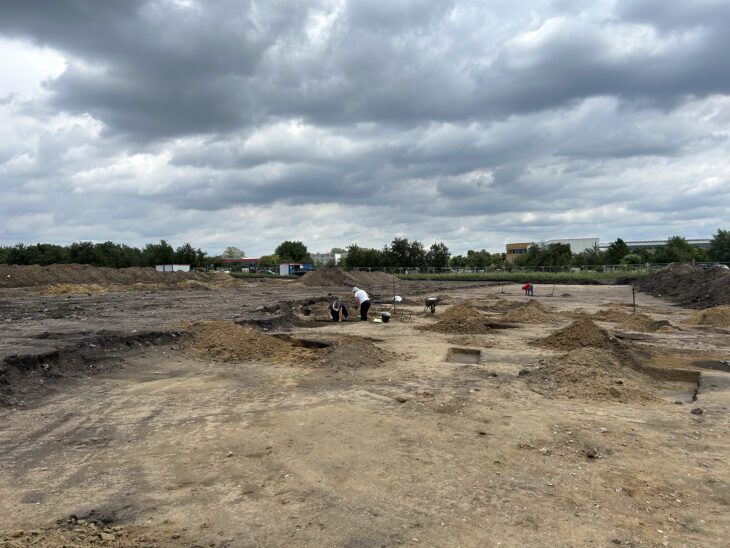
The Oman News Agency announced that a 5,000-year-old settlement was discovered during archaeological excavations at the Al Gharyein archaeological site in the Wilayat of Al Mudhaibi in the Ash Sharqiyah North Governorate.

The settlement was uncovered by a team of experts from Sultan Qaboos University (SQU) and the Ministry of Heritage and Tourism.

The traces of the Hafeet and Umm Al Nar cultures found here suggest that the site dates from the early Bronze Age.

Umm Al Nar  (Mother of the Fire) is a Bronze Age culture that existed around 2600-2000 BCE in the area of modern-day United Arab Emirates and Northern Oman. The name derives from the same-named island, which is adjacent to Abu Dhabi city and provided early evidence and finds attributed to the period.
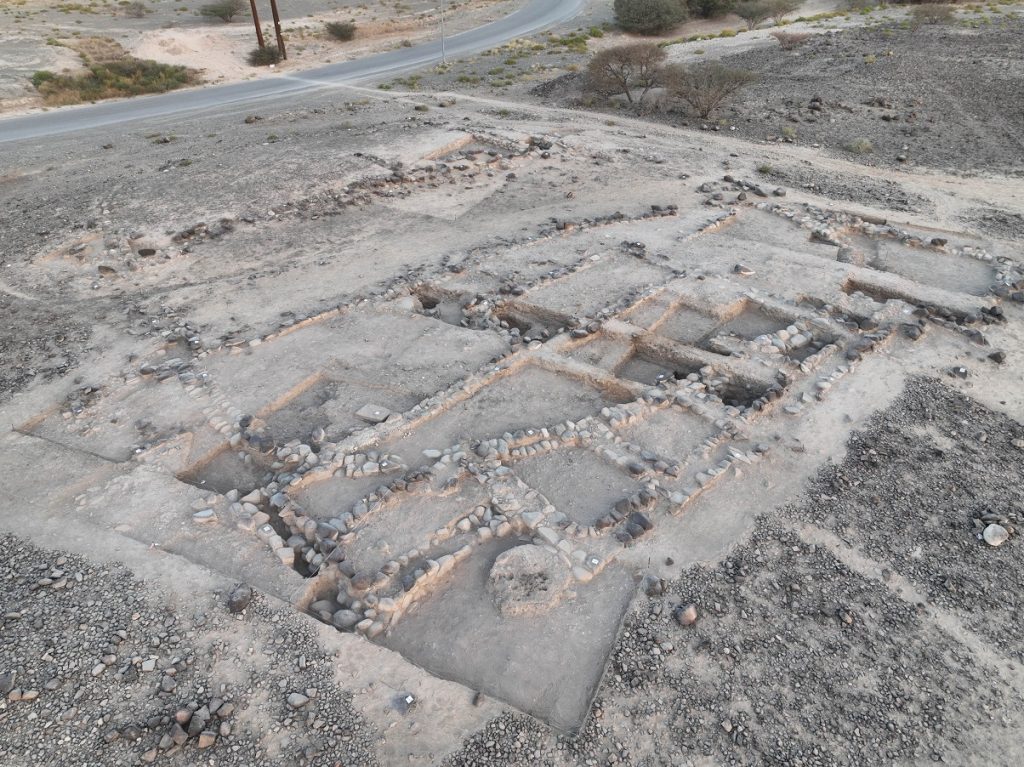
Photo: Oman News

Between 2500 and 2000 BCE, this small island was home to a relatively large settlement that played an active role in regional commerce. Artifacts show that people on the island traded with civilizations as far away as ancient Mesopotamia (modern-day Iraq) and the Indus Valley Civilisation (modern-day Pakistan and India).


📣 Our WhatsApp channel is now LIVE! Stay up-to-date with the latest news and updates, just click here to follow us on WhatsApp and never miss a thing!!


The excavation team was headed by Dr. Nasser Said Al Jahwari, a Professor in the Department of Archaeology at the SQU College of Arts and Social Sciences. The team comprised Dr. Khalid Douglas and Dr. Mohammad Hussein.

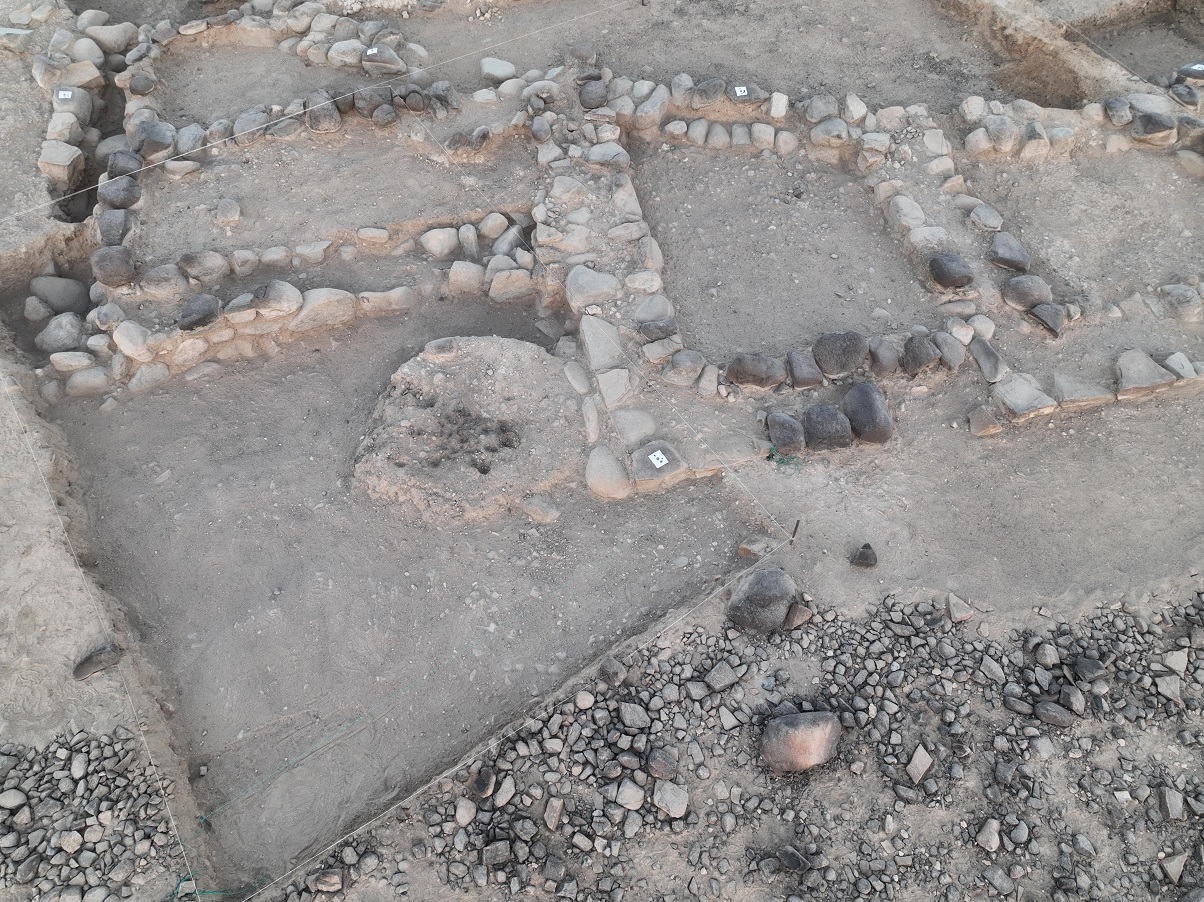
The settlement at the Al Gharyein site has a distinctive layout. It included a tower structure, multi-room homes surrounding it, a cemetery with mass graves, and the ruins of other structures.
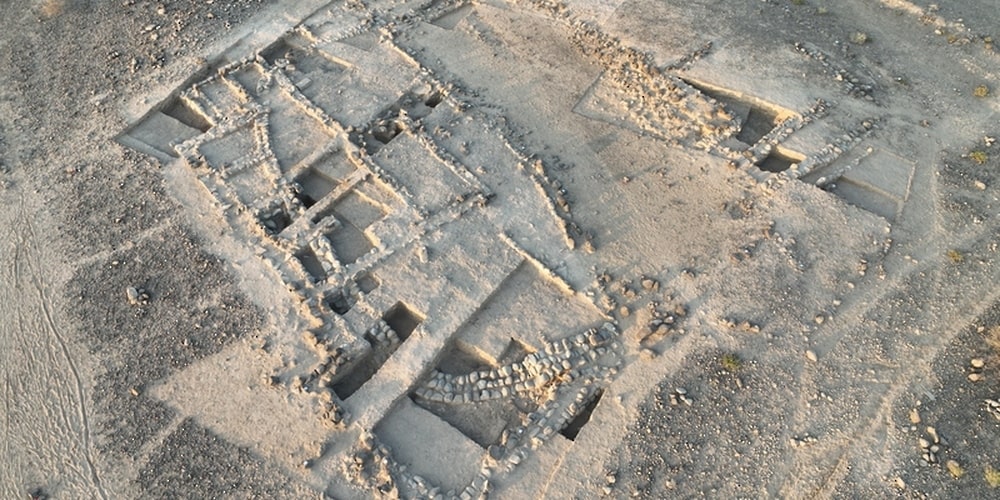
Photo: Oman News

Al Gharyein settlement is distinguished for its large buildings as huge as 600 square meters each.

Aside from its exceptional architectural styles, the settlement played an important role in the region, with manifestations of human activities such as early farming, herding, copper smelting, and trade exchange, particularly among coastal communities.

Related Articles

An intact Punic Tomb was Discovered in Malta

29 May 2021

29 May 2021

İntact a tomb dating to the Punic period was found in Tarxien. The Superintendence of Cultural Heritage has announced the...

Fake Byzantine Coin Pendant Is First Evidence of 6th-Century Elite in Thaxted, Essex

1 August 2025

1 August 2025

Discovery of a rare 6th-century pseudo-Byzantine gold coin pendant near Thaxted sheds new light on elite presence in early medieval...

Incredible Mayan Inventions and Achievements

31 July 2022

31 July 2022

The Mayans excelled at agriculture, pottery, writing, calendars, and arithmetic, leaving an incredible quantity of spectacular architecture and symbolic artwork...

Archaeologists Unearth Roman Archive of Ancient City of Doliche

20 November 2023

20 November 2023

Archaeologists from the Asia Minor Research Center at the University of Münster have uncovered the municipal archive in the ancient...

The 3,000-Year-Old Ancient City is Under Danger

8 February 2021

8 February 2021

For the port planned to be built in Izmir’s Aliağa district, a part of the 3,000-year-old ancient city is in...

5,700-Year-old Ancient “Chewing Gum” Gives Information About People and Bacteria of the Past

4 April 2021

4 April 2021

Researchers at the University of Copenhagen have successfully extracted the complete human genome from “chewing gum” thousands of years ago....

Well-preserved Ming Dynasty tomb unearthed in China’s Shanxi Province

17 March 2024

17 March 2024

Archaeologists from the Shanxi Institute of Cultural Relics and Archeology have unearthed a well-preserved tomb from the Ming Dynasty (1368-1644)...

Burial Cave in Israel May Belong to Herodian Princess Salome: From Royal Tomb to Christian and Islamic Pilgrimage Site

6 July 2025

6 July 2025

A recently reexamined Second Temple-period burial cave in southern Israel—long revered as the resting place of a Christian saint—may actually...

Archaeologists find evidence of how Iron Age Britons adapted to the Roman conquest in Winterborne Kingston

29 June 2024

29 June 2024

Archaeologists from Bournemouth University (BU) have discovered human remains and artifacts which give new insight into how early Britons adapted...

3000 years old wooden wishing well discovered in Germany

7 January 2023

7 January 2023

In the town of Germering, in the Germany state of Bavaria, archaeologists have unearthed the remains of a well-preserved Bronze...

A very Rare Medieval Pocket Sundial Discovered in Germany

31 July 2023

31 July 2023

A rare Medieval sundial, which is approximately the size of a matchbox was discovered in the old town of Marburg,...

Roman Empire’s Emerald Mines May Have mined by Nomads as Early as the 4th Century

4 March 2022

4 March 2022

New research by archaeologists from the  Universitat Autònoma de Barcelona and the University of Warsaw suggests that Roman Empire emerald...

Urfa Castle Yields Mysterious Rock-Cut Tomb Possibly Tied to Abgar Dynasty—Early Christian Allies of Jesus

5 July 2025

5 July 2025

A recent archaeological breakthrough in southeastern Turkey has stirred excitement in the academic world. Deep within the inner citadel of...

Builders of Massive 6000-year-old Menga Dolmen Likely Understood Geometry and other “Early Science” Concepts

25 August 2024

25 August 2024

Researchers say that a new analysis of the 6000-year-old stone Menga (also known as the Dolmen of Menga), supported by...

Trier University’s Digital Coin Cabinet is Now Accessible

19 February 2024

19 February 2024

Historical coins are much more than just pieces of jewelry for collections and exhibitions and are of particular interest for...