
18 January 2026 The Future is the Product of the Past

Prehistoric Settlement Unearthed in Ogovo: Remarkable New Archaeological Discoveries in Belarus

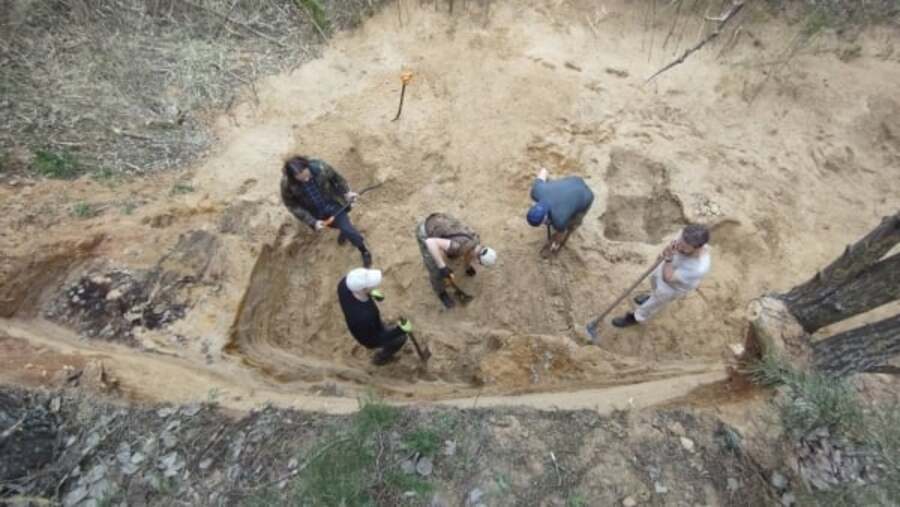
Recent archaeological research in Belarus has unveiled insights into the country’s prehistoric past. A series of excavations and underwater studies, particularly at the ancient settlement near the village of Ogovo and the Krivinsky peat bog, have shed new light on human activity in the region dating back hundreds of thousands of years.

Ogovo: Home to One of Belarus’s Oldest Human Settlements

One of the most important recent finds is located near Ogovo, where archaeologists have discovered evidence of a prehistoric settlement. This remarkable site has allowed researchers to conclude that the first humans appeared in what is now Belarus approximately 400,000 years ago.

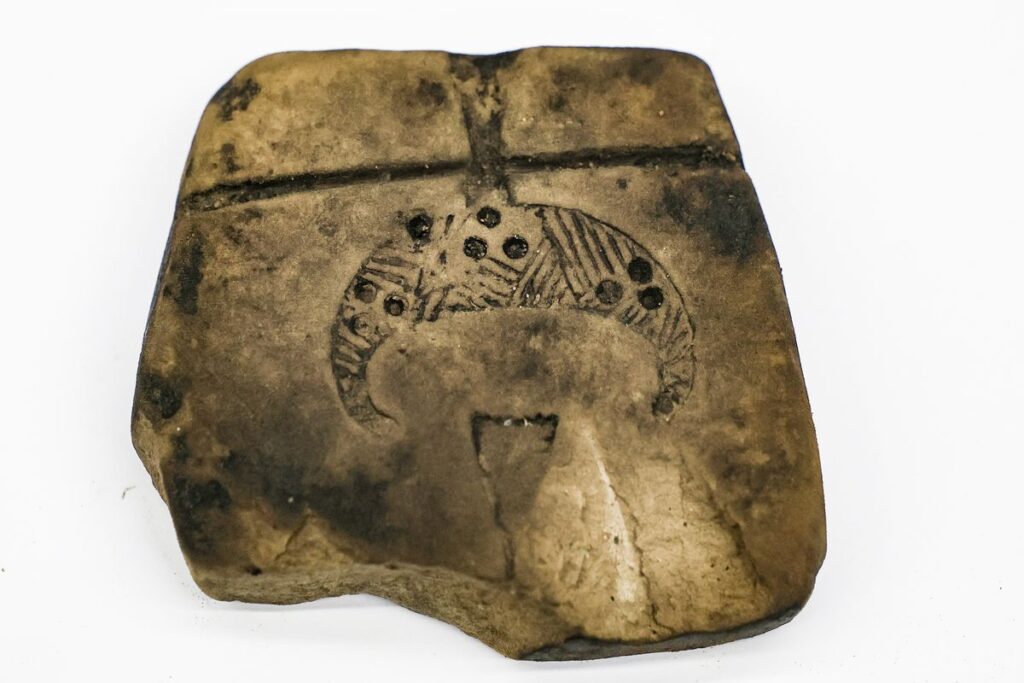
The excavation revealed a wealth of artifacts, including beads, bracelets, and fragments of ancient ceramics. These findings not only highlight the cultural sophistication of early inhabitants but also offer clues about trade, craftsmanship, and daily life during the Neolithic period.
Credit: Alexey Matyush, Minsk, National Press Center.

Burial Sites Reveal Ancient Lives and Deaths

Further archaeological work in the Kruglyansky District unearthed ancient burial mounds near the village of Ozery. Among the most significant discoveries were the remains of a young woman, aged between 18 and 30, and two children—one around eight years old and another an infant. These burials provide important anthropological data on the health, social structure, and burial traditions of early communities in Belarus.

Underwater Archaeology at the Krivinsky Peat Bog

While many excavations take place on land, Belarusian archaeologists have also been conducting extensive underwater research. At the Krivinsky peat bog, located on Lake Selyava, a team of experts faced challenging conditions due to fluctuating water levels. Despite these difficulties, the clear water provided an ideal environment for detailed exploration.


📣 Our WhatsApp channel is now LIVE! Stay up-to-date with the latest news and updates, just click here to follow us on WhatsApp and never miss a thing!!


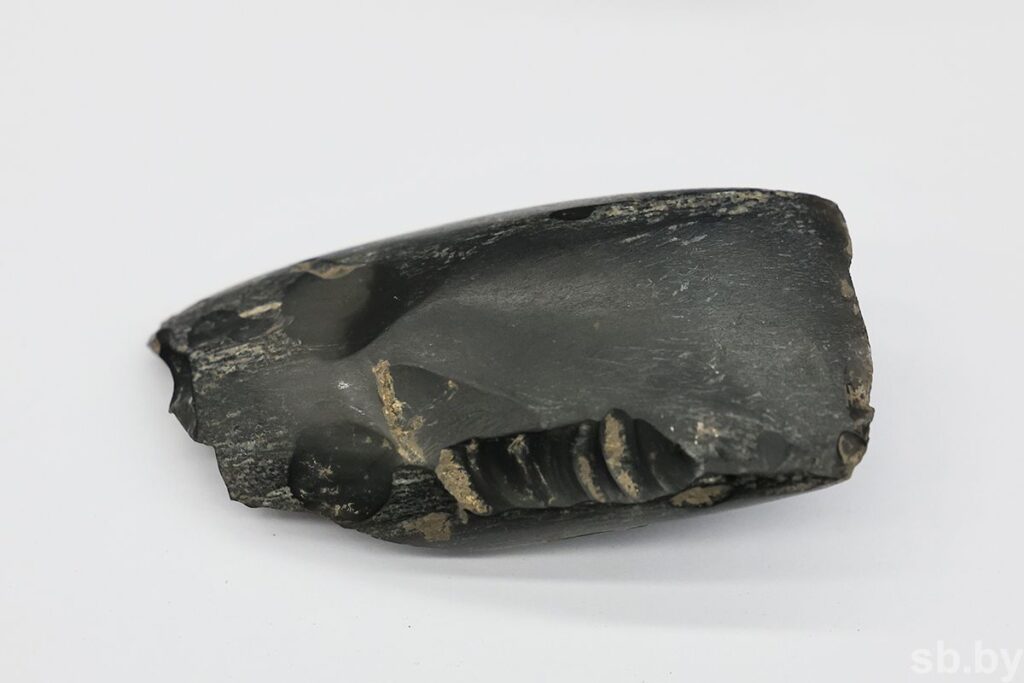
Beneath more than two meters of sterile peat, researchers found exceptionally well-preserved organic material — a rarity in Europe. This unique preservation allows scientists to study Neolithic dwellings almost as they appeared thousands of years ago.

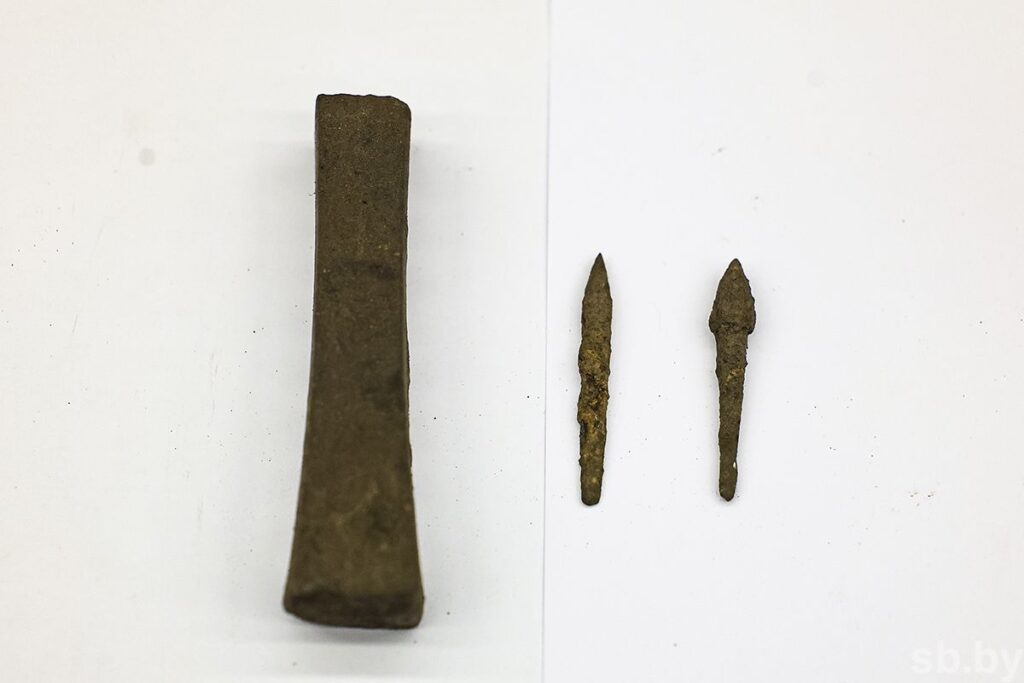
According to Sergey Linevich, a leading researcher from the Institute of History of the National Academy of Sciences of Belarus, the site represents “one of the oldest residential complexes preserved in our territory.” Artifacts recovered this year include intricately crafted bone ornaments and tools made from bone and stone.
Credit: Alexey Matyush, Minsk, National Press Center.

Lake Selyava: Discoveries from the Stone and Iron Ages

In the Krupsky District, a combined land and underwater expedition at Lake Selyava uncovered a rich collection of material from both the Stone Age and Iron Age. Among the most remarkable finds was a perfectly preserved polished stone axe, discovered in a test pit just one meter square — an extraordinary stroke of archaeological luck.

These discoveries underline the long history of human habitation in the region and highlight Belarus as a key area for understanding prehistoric life in Eastern Europe.
Credit: Alexey Matyush, Minsk, National Press Center.

Protecting Belarus’s Archaeological Heritage

The recent surge in archaeological discoveries has sparked discussions about preserving these invaluable sites. One proposal under consideration is a ban on the private use of metal detectors by individuals, aimed at preventing unauthorized excavations and looting of historical artifacts.

Archaeologists argue that uncontrolled treasure hunting poses a significant threat to the preservation of Belarus’s cultural heritage. By implementing stricter regulations, researchers hope to safeguard sites like Ogovo and the Krivinsky peat bog for future study.
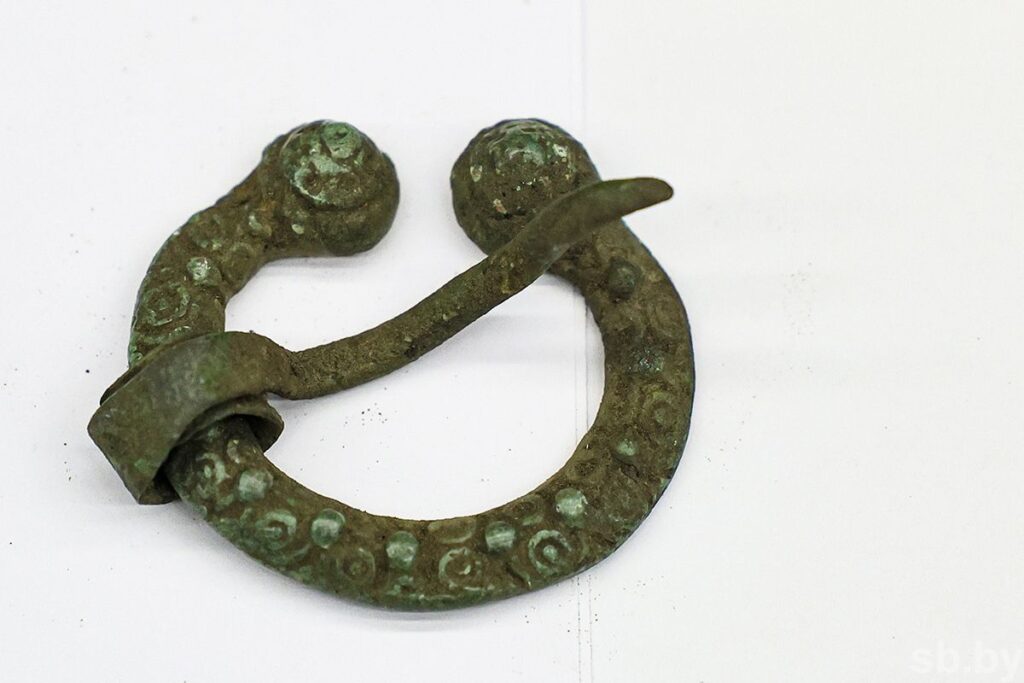
Credit: Alexey Matyush, Minsk, National Press Center.

A Window Into the Distant Past

From the ancient settlement of Ogovo to the submerged treasures of Lake Selyava, Belarus is revealing layers of history that connect modern society to its distant ancestors. The combination of terrestrial and underwater archaeology is offering an unprecedented glimpse into how people lived, worked, and interacted with their environment thousands of years ago.

As excavation and preservation efforts continue, sites like Ogovo are expected to yield even more insights — not only into Belarus’s prehistoric past but also into the broader story of human civilization in Europe.

Оксана НЕВМЕРЖИЦКАЯ – SB.BY

Related Articles

Archaeologists Discover Clay Figurines from Early Iron Age in Ukraine

17 December 2024

17 December 2024

Archaeologists have discovered clay figurines of young bulls from the Early Iron Age near the Metropolitan Chambers in the village...

Temple of Olympian Zeus Horse Frieze Found a Depth of 9 Meters off the Coast of Agrigento, Sicily

5 February 2024

5 February 2024

A large marble relief believed to have been part of the Temple of Olympian Zeus frieze in Agrigento, Sicily, has...

Early Imperial cemetery in Nîmes, in the south of France

4 October 2022

4 October 2022

Inrap archaeologists excavating at Nîmes in southern France have uncovered a cemetery dating to the first to second centuries AD...

Treasure of 1,290 Ancient Roman Coins Discovered by Amateur Archaeologist in Switzerland

16 April 2022

16 April 2022

An amateur archeologist has found a big treasure trove of over 1,290 priceless, ancient Roman coins dating back to the...

Archaeologists Uncover 4,800-Year-Old Bronze Age Tombs in Başur Höyük, Türkiye, Where Teenage Girls Were Ritually Sacrificed

30 March 2025

30 March 2025

As the first civilizations began to emerge in Mesopotamia and Anatolia, significant transformations in social structure, economy, and culture took...

Ancient Hebrew “Incantation Bowls” discovered in a home in Israel

8 March 2022

8 March 2022

The Israel Antiquities Authority (IAA) said Monday that 1,500-year-old magical “incantation bowls” and other rare and ornate bone and ivory...

2600-year-old Med period artifacts found in Oluz Höyük, in Turkey

17 October 2022

17 October 2022

During the Oluz Höyük excavations in Amasya, artifacts dating back to the Med Kingdom period were found, dating back to...

2,000-Year-Old Roman Stele Decorated with an Eagle and Greek Inscriptions Found in Manbij, Syria

23 August 2025

23 August 2025

A striking Roman-era stele carved from black basalt, featuring a detailed eagle clutching a wreath and adorned with Greek inscriptions,...

Beautiful’ Water-Nymph Marble Statue Found in Amastris ancient city

8 September 2023

8 September 2023

Excavations in the ancient city of Amastris, located in the Black Sea province of Bartın’s Amasra district, have unearthed a...

Mystery of the 1,700-year-old Mosaic Solved: The Medallion in the Mosaic uncovered to be the Symbol of a Roman Military Unit

10 August 2024

10 August 2024

The mystery of the 1,700-year-old mosaic, which was found during excavations in Amasya province in northern Turkey 11 years ago...

Five New Roman-Era Theatrical Masks Unearthed in Kastabala, Including a Rare Depiction of an Elderly Philosopher

19 November 2025

19 November 2025

Archaeological excavations in the ancient city of Kastabala, located in Türkiye’s southern Osmaniye province, have revealed five additional theatrical mask...

Surprising Discovery: In Guatemala, archaeologists uncover hidden neighborhood in the ancient Maya city

28 September 2021

28 September 2021

A recent lidar analysis revealed, the region surrounding Central Tikal’s Lost World Complex, which was long thought to be a...

Newly Uncovered Bronze Age Megasettlement in Wicklow Challenges Long-Held Beliefs About Ireland’s First Towns

2 January 2026

2 January 2026

A major archaeological discovery in County Wicklow may rewrite what historians thought they knew about the origins of urban life...

Archaeologists discover secondary gate of old Bazira city in Pakistan

26 March 2022

26 March 2022

Archaeologists claimed to have discovered the secondary gate of the city of Bazira during new excavations at Barikot in Pakistan’s...

3 Bronze Shields and Helmet of 2700 Years Old Belonging to Urartians Found in Ayanis Castle

8 September 2024

8 September 2024

Three bronze shields and a bronze helmet dedicated to Haldi, the chief god of the Urartians, were discovered during excavations...