
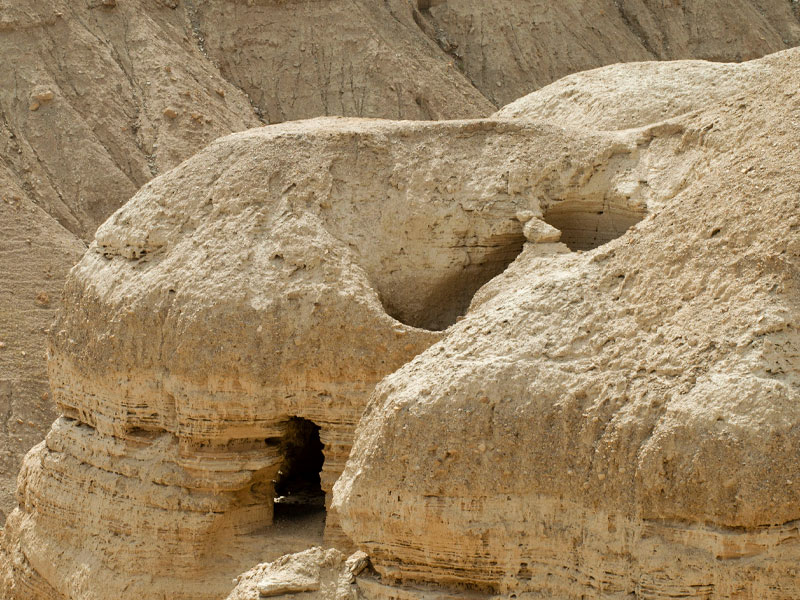
A new international research project will try to answer one of the most persistent questions in Dead Sea Scrolls scholarship: where were these ancient manuscripts actually produced and copied?
The five-year project, titled Tracing Scribes and Scrolls, is led by Professor Mladen Popović of the University of Groningen and has received a €2.5 million Advanced Grant from the European Research Council. The project brings together biblical scholars, archaeologists, chemists, material scientists and artificial intelligence specialists to investigate the origins of the Dead Sea Scrolls through a combination of laboratory analysis and humanities research.
The goal is not to “decode” the scrolls. Many of the texts have been studied for decades. The new question is more material and historical: can the manuscripts themselves — their ink, parchment, papyrus, handwriting and physical construction — reveal where they were made, who copied them and how texts circulated in ancient Judea?
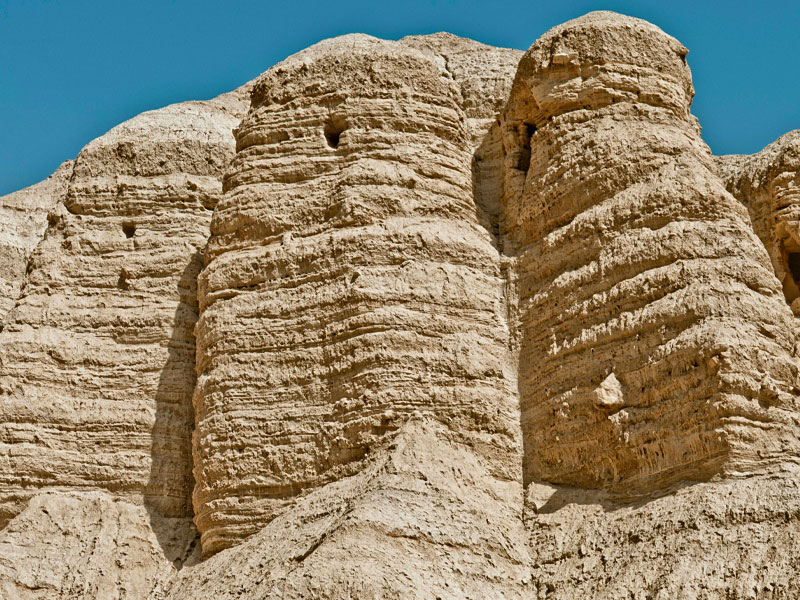
A long-standing question from the caves near Qumran
The Dead Sea Scrolls are among the most important archaeological discoveries of the 20th century. They include some of the earliest known copies of biblical texts, along with a large body of Jewish writings from the late Second Temple period. The manuscripts were written more than 2,000 years ago and are central to the study of ancient Judaism, early Christianity, and the history of the Hebrew Bible.
Yet one basic issue remains unsettled. Were many of the scrolls copied by a community living near Qumran, close to the caves where the manuscripts were found? Were others brought from different scribal centers in Judea, perhaps including Jerusalem? Or were the caves used as a kind of ancient library or storage place for worn or endangered texts?
The new project is designed to test those possibilities through evidence that earlier generations of scholars could not use at this scale.
Chemistry, handwriting and AI
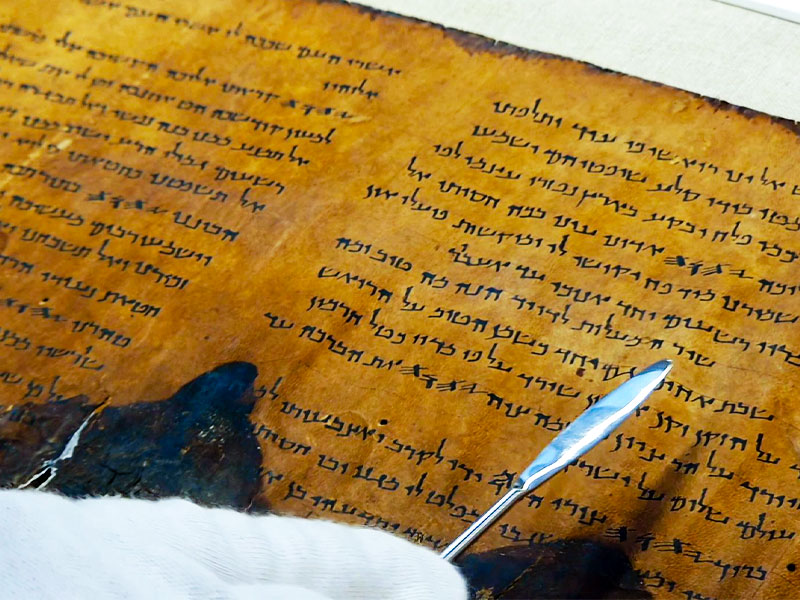
According to the University of Groningen, the project will combine analytical chemistry, artificial intelligence and palaeography, the study of ancient handwriting, to trace the origins and production of the Dead Sea Scrolls. Popović’s team will also build on his previous ERC-funded project, The Hands That Wrote the Bible, which used AI-assisted handwriting analysis to identify individual scribes among the scrolls.
This time, the focus moves beyond identifying scribal hands. The researchers want to understand where those scribes may have worked, what materials they used, and whether different groups of scrolls can be linked to different production centers.
At the University of Groningen, researcher Maruf Dhali will play a key role in developing the AI approach. His work will involve clustering complex chemical data and searching for provenance patterns, which will then be compared with palaeographic, codicological, linguistic and literary evidence.
The material side of the project is equally important. Researchers will examine the chemical composition of ink, parchment and papyrus. The University of Southern Denmark, one of the project partners, says the team will use non-destructive techniques including XRF, µFTIR, µRaman and multispectral imaging, allowing scientists to study fragile manuscripts without damaging them.
Up to 250 scrolls will be examined
The project will examine up to 250 scrolls, according to the University of Southern Denmark, while the Israel Antiquities Authority’s official announcement says the work will include samples from its Dead Sea Scrolls collection, including parchment, papyrus and ink.
One notable part of the project is comparison. For the first time, papyri from Egypt will be analyzed alongside papyri from Qumran and other Judean Desert sites. The aim is to identify regional differences in materials and production methods, which may help researchers distinguish manuscripts made in different places.
If the team cannot pinpoint exact locations, even grouping scrolls by shared material signatures would be significant. A cluster of manuscripts with similar ink, papyrus or parchment profiles could suggest a shared workshop, production tradition or scribal network.
Beyond the Text: The Scrolls as Physical Evidence
The Dead Sea Scrolls are usually discussed for what they say. This project turns attention to what they are physically made of.
That shift matters because the manuscripts were not created in isolation. They belonged to a wider intellectual world in ancient Judea, where scribes copied, preserved, adapted, and transmitted religious and literary texts. If researchers can connect scroll fragments to particular production environments, they may also be able to map ancient networks of learning and textual circulation more precisely than before.
The ERC project title states the aim clearly: “Tracing Scribes and Scrolls: Locating the Production and Writing of the Dead Sea Scrolls Using Analytical Chemistry, Artificial Intelligence, and Palaeography.”
The results will not come immediately. The project is planned as a five-year study. But its method marks a clear change in the field: the Dead Sea Scrolls are no longer being studied only as texts, but also as archaeological objects carrying chemical, biological, and scribal traces of the world that produced them.
