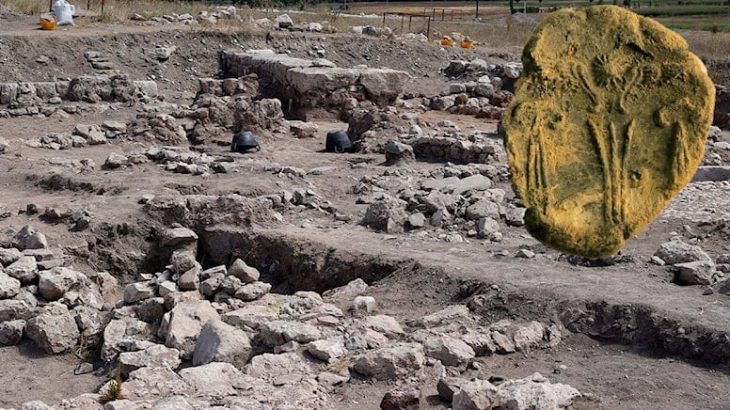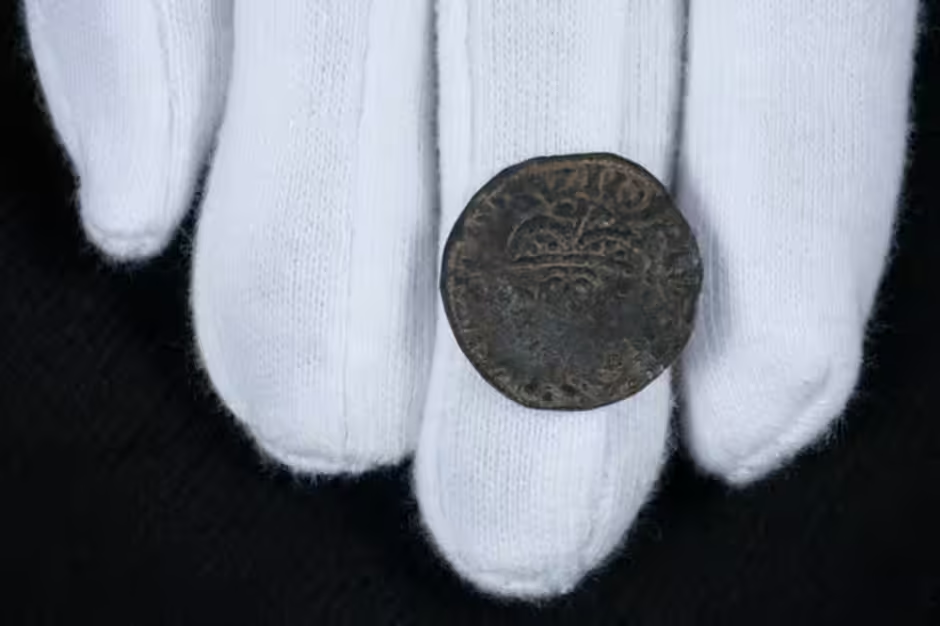
A groundbreaking archaeological discovery has revealed the earliest known coin minted in Scotland, shedding new light on the country’s medieval history. The 12th-century silver coin, dating back nearly 900 years, was unearthed in a wooded area near Penicuik, Midlothian, by a local metal detectorist.
The medieval coin, issued during the reign of King David I of Scotland (1124–1153), has now been allocated to National Museums Scotland (NMS) after review by the Scottish Archaeological Finds Allocation Panel.
A Revolutionary Find in Scottish Numismatics
King David I is credited with introducing Scotland’s first native coinage. Until now, historians believed that all of his earliest coins were minted in Carlisle, Cumbria, which David controlled in the 1130s. However, the new coin bears an inscription indicating it was minted in Edinburgh, marking the first known Scottish coin produced outside Carlisle.
“This coin is really significant because it’s the first of its type to be minted in Edinburgh,” said Alice Blackwell, senior curator of medieval archaeology and history at NMS. “Before this discovery, all of David’s earliest coins were thought to be from Carlisle. Now we can see evidence of early Scottish coinage being produced in the heart of the kingdom.”
Features and Historical Context
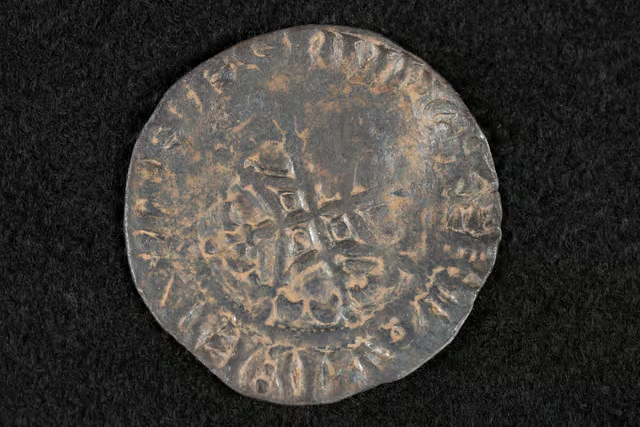
The coin, dated to the second half of the 1130s, features a portrait of King David I on one side and a cross-based design on the other. Its inscription, +E(A?)BALD:EONESBVRG, includes “ESBVRG,” confirming Edinburgh as the mint location.
📣 Our WhatsApp channel is now LIVE! Stay up-to-date with the latest news and updates, just click here to follow us on WhatsApp and never miss a thing!!
Dr. Blackwell emphasized that coins are vital historical sources for understanding medieval Scotland: “There are virtually no surviving documents explaining how coins were minted, where, or why designs changed. These coins themselves are the primary historical evidence.”
During David I’s reign, coin production later expanded to locations including Perth, Berwick-upon-Tweed, Aberdeen, St Andrews, and Roxburgh in the Scottish Borders. Beyond coinage, David I’s reign was transformative for Scotland, introducing royal burghs like Perth, Dunfermline, and Stirling, and reorganizing civil institutions.
Discovery and Future Plans
The coin was found in 2023 and reported to Treasure Trove, as required by law. It was valued at £15,000, a reward that was paid to the finder by the Crown. Allocated to NMS in autumn 2025, the coin will primarily be used for research, though there are plans to eventually display it to the public.
“This discovery not only enriches our understanding of Scottish medieval coinage but also provides insights into economic and political history during King David I’s reign,” Dr. Blackwell added.
The coin may have been dropped accidentally in medieval times, but its discovery has monumental significance for historians and numismatists. It confirms that Edinburgh was a central hub for early Scottish coinage and provides a tangible connection to Scotland’s first steps in monetary independence.
Cover Image Credit: The medieval David I silver coin was discovered in a wooded area near Penicuik. Credit: Neil Hanna/PA Wire