
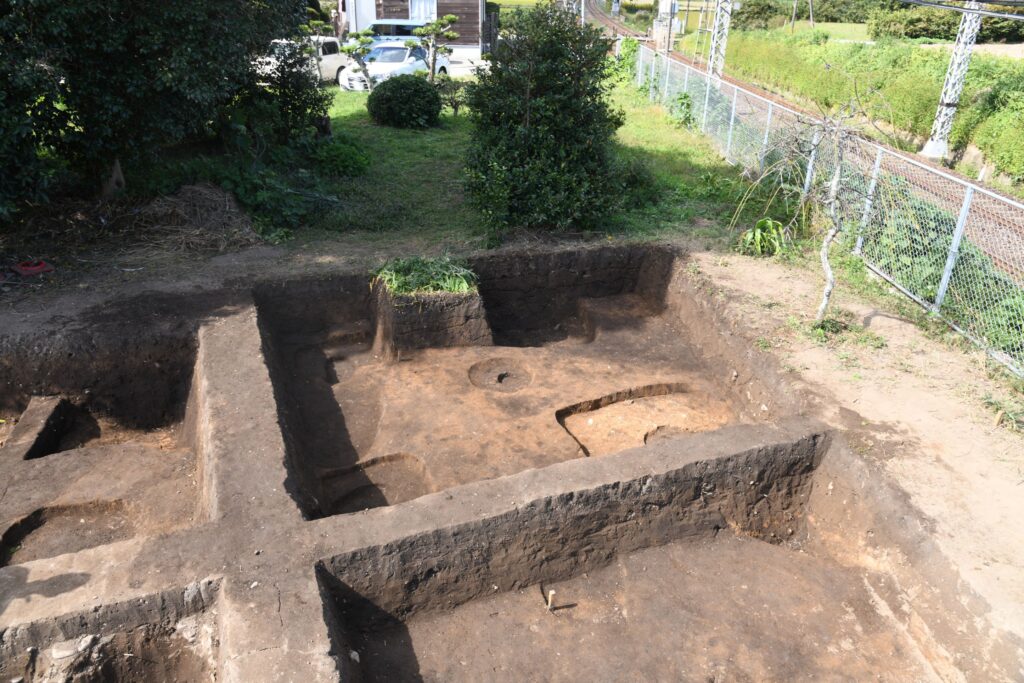
The architectural layout of a palace where princesses selected from the imperial family lived approximately 1,300 years ago in Japan is becoming clearer thanks to new archaeological findings. Large post holes uncovered during excavations at Saikū in Mie Prefecture may belong to the main hall of a palace built during the Nara period. The arrangement of the structures bears a striking resemblance to the palaces in the imperial capital of that era.
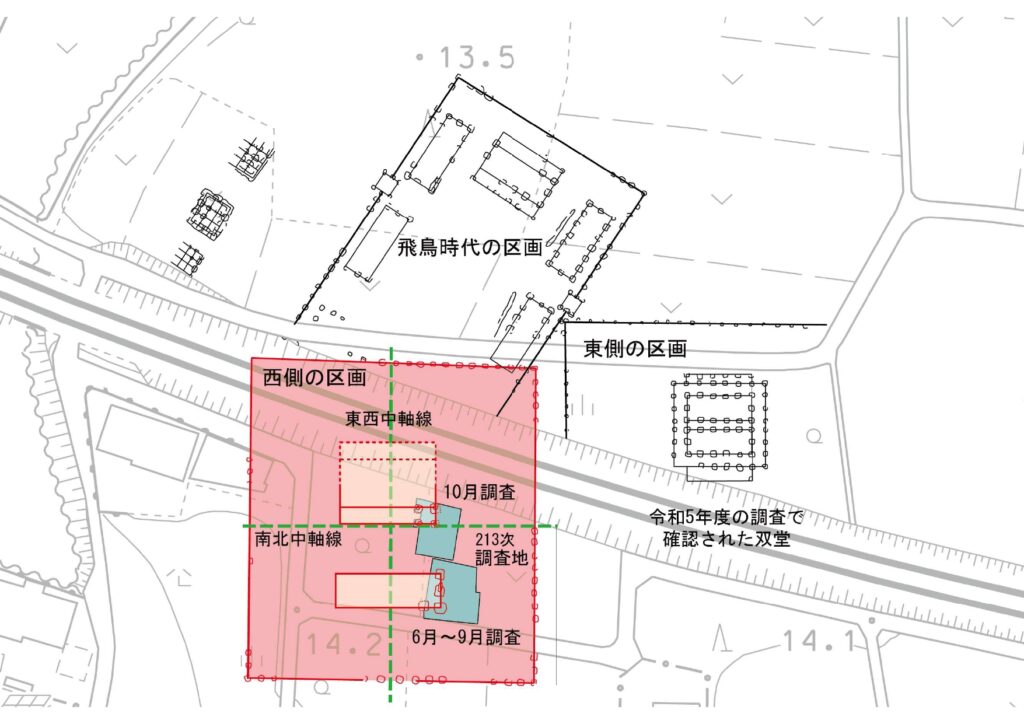
Researchers from the Saikū History Museum detected the remains of a second building to the north of a previously identified structure during excavations in the town of Meiwa. According to a statement from the Mie Prefectural Government dated November 5, 2026, the discovery is a significant development in understanding the early architecture of the Saikū settlement, where women of the imperial family resided to perform their religious duties.
Structures resembling imperial palaces
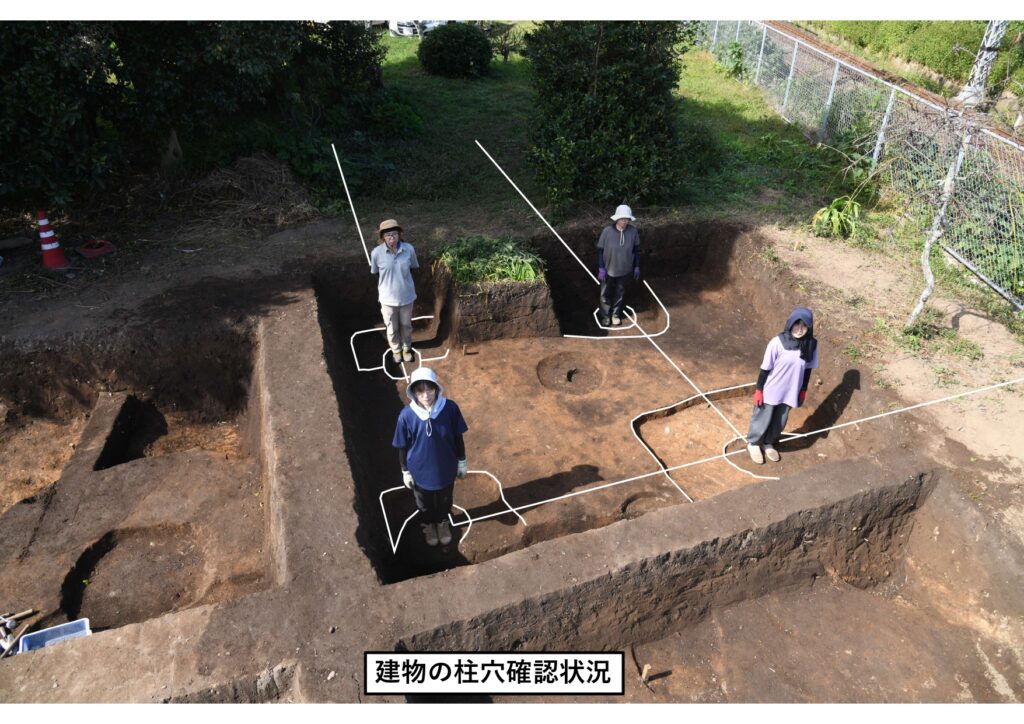
During excavations conducted between June and September 2026, researchers identified square post-holes approximately 1.7 to 2 meters wide. These holes, arranged at intervals of about 3.2 meters, bear the traces of a structure rising on large wooden pillars.
New excavations in October revealed a second structure to the north. This time, the post-holes, measuring approximately 1.7 meters wide, were arranged at three-meter intervals. Although the full dimensions of the building are not yet known, its central position within the settlement has led researchers to evaluate it as the palace’s main hall (seiden).
Consequently, two large structures aligned north and south within the same area have been identified. The dimensions of the post-holes and the layout of the buildings are being compared to architectural features seen in imperial structures, such as the Heijō Palace in Nara, Japan.
Mie Governor Ichimi Katsuyuki emphasized the importance of this similarity during a press conference on November 4. According to the Governor, finding a complex in Saikū that resembles the architectural layout of the palaces in the capital may help in understanding the settlement’s position within the imperial administration.
Imperial princesses serving the gods
To understand the significance of Saikū, one must look at one of Japan’s ancient religious traditions. Women known as Saio were selected from the unmarried members of the imperial family and represented the emperor at the Ise Grand Shrine, one of the most important sacred centers of the Shinto faith.
This role consisted of more than just participating in religious ceremonies. When a new emperor ascended the throne, a princess selected through traditional divination methods would undergo a long period of purification and preparation. Subsequently, she would leave the capital and settle in the Saikū palace in the Ise region.
According to the Saikū History Museum, this system continued for approximately 660 years, from the second half of the 7th century until the 14th century. Historical sources confirm the existence of more than 60 Saio.
Among the princesses’ most important duties was participating in major ceremonies held three times a year at the Ise Grand Shrine. They spent the majority of their daily lives at Saikū. The palace housed female attendants, administrative staff, and other employees who served them.
For this reason, Saikū was not only a sacred residence but also an administrative center that carried some characteristics of palace life in the capital.
Did the palace belong to the daughter of Emperor Shōmu?
The dating of the new structures leads researchers back to Japan’s Nara period, specifically the first half of the 8th century.
According to the evaluation of the Mie Prefectural Government, the palace complex may have been used during the reign of Emperor Shōmu, who ruled between 724 and 749. In this case, it is possible that the structures are related to the years when the emperor’s daughter, Princess Inoe, served as Saio.
However, archaeologists have not yet determined the exact date of the structures or which princess used them. This connection is based on an evaluation of architectural features and historical chronology.
Information regarding the palace life of the princesses is primarily known through historical records and later literary works. The new excavations allow for a more detailed investigation into the physical space of this life.
The plan of the palace researched for centuries is taking shape
Archaeological research at Saikū began in 1970. Since then, archaeologists have uncovered numerous structural remains and settlement areas with different functions spanning the Asuka, Nara, and Heian periods.
Spanning a wide area, Saikū is among Japan’s important historical settlements with an archaeological site of approximately 137 hectares. Although various palace structures from different periods were identified in previous research, some aspects of the architectural layout during the Nara period remained unclear.
The recent excavations fill some of these gaps. The position of the two large structures aligned to the south and north suggests that Saikū may have been organized during the Nara period by utilizing the architectural principles of imperial palaces.
Researchers aim to continue excavations to determine the dimensions of the structures and their relationships to each other in greater detail. The Saikū History Museum will present the new findings to visitors during an on-site introduction to be held on November 14, 2026.
