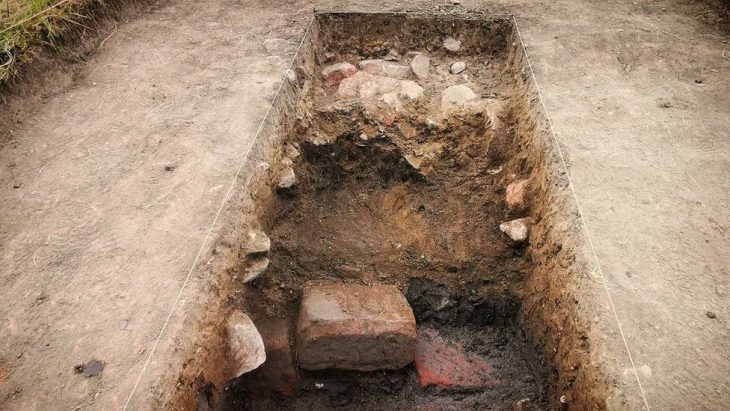
A rare medieval silver seal set with an ancient Roman carved gemstone has been discovered near Braintree, Essex — a remarkable find that experts say bridges two historical worlds more than a thousand years apart. The artefact, unearthed by a metal detectorist in Gosfield in September, has now been officially declared treasure and is expected to go on public display in Essex.
Essex Finds Liaison Officer Lori Rogerson described the discovery as “really special,” dating the seal itself to between 1200 and 1400 AD. What makes the object especially significant is its combination of medieval craftsmanship and a much older Roman gemstone — a practice rarely seen in surviving artefacts.
A Roman Gemstone Reborn in the Middle Ages
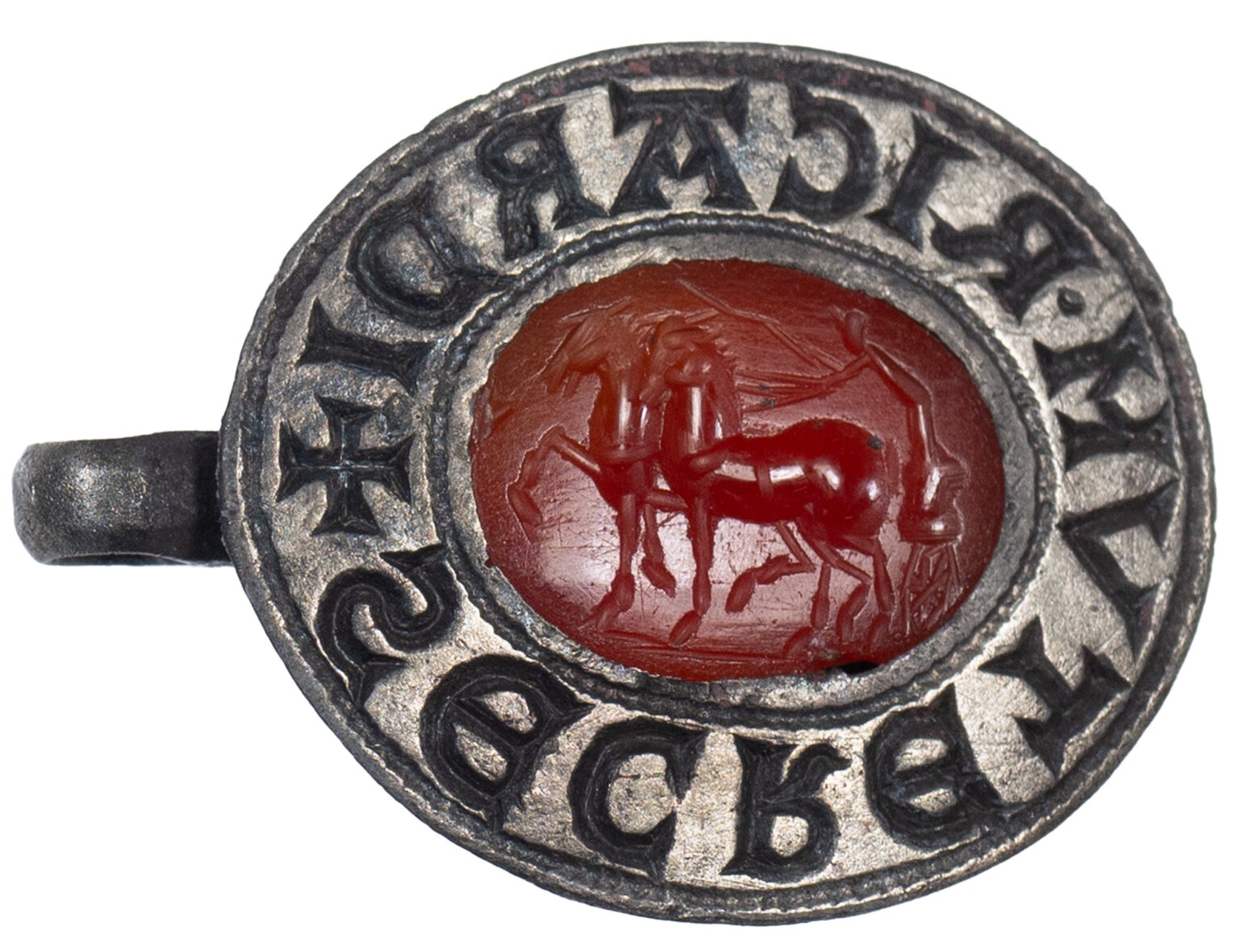
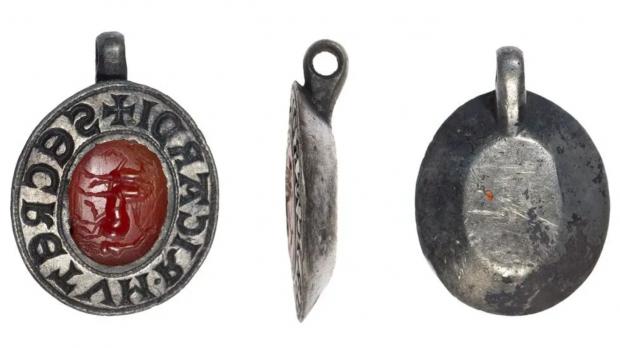
At the heart of the seal sits a finely engraved red carnelian intaglio depicting a biga — a two-horse racing chariot driven by a charioteer holding the reins and a whip. Based on stylistic comparisons, the gemstone dates to the late 1st century BC or early 1st century AD, during the early Roman Imperial period.
Around the gemstone, the silver bezel is inscribed in reverse with the Latin phrase:
“+SECRETVM . RICARDI”
📣 Our WhatsApp channel is now LIVE! Stay up-to-date with the latest news and updates, just click here to follow us on WhatsApp and never miss a thing!!
This translates literally as “Richard’s secret,” but is better understood as “Richard’s private seal.” Such personal seals were pressed into hot wax to authenticate letters and documents.
Miss Rogerson believes the medieval owner — a man named Richard — intentionally chose the ancient gemstone to signal education, sophistication, and knowledge of the Classical world, a status symbol among the medieval elite.
A Rare Example of Cultural Recycling
Experts note that medieval seals incorporating Roman gemstones are uncommon and were typically used as private or counter-seals, rather than for official administrative purposes.
Older, high-quality Roman intaglios such as this one were highly prized and were usually acquired by wealthy individuals who appreciated their craftsmanship and antiquity. Later Roman gemstones, often discovered accidentally by farmers, tended to be set into seals of more modest quality.
This seal, however, is exceptional for the fine detail of its carving and its clear preservation of both Roman and medieval features.
Heading Toward Museum Display
The seal has been recorded through the Portable Antiquities Scheme, which is managed in Essex by Colchester and Ipswich Museums on behalf of the British Museum. A spokesperson confirmed that 2025 has been an exceptionally busy year, with a record number of treasure cases being processed.
The Gosfield seal is now progressing through the treasure valuation process and is likely to be acquired by the Braintree and District Museum Service for public display. If no museum purchases it for its assessed value, the finder will be entitled to reclaim it.
Braintree has seen other significant archaeological discoveries in recent years, including a 98% gold Roman phallic charm, described by British Museum experts as the first of its kind ever found in Britain.
A Window Into Two Civilisations
The newly discovered seal not only sheds light on medieval identity and social status, but also offers a fascinating example of how objects from the ancient Roman world continued to circulate and hold symbolic value centuries later.
As the artefact moves toward exhibition, archaeologists hope it will inspire public curiosity about Essex’s layered past — from the Roman occupation to the high medieval period.
Cover Image Credit: Seal – This rare medieval seal with a Roman gemstone was found in Essex. Colchester and Ipswich Museum Services