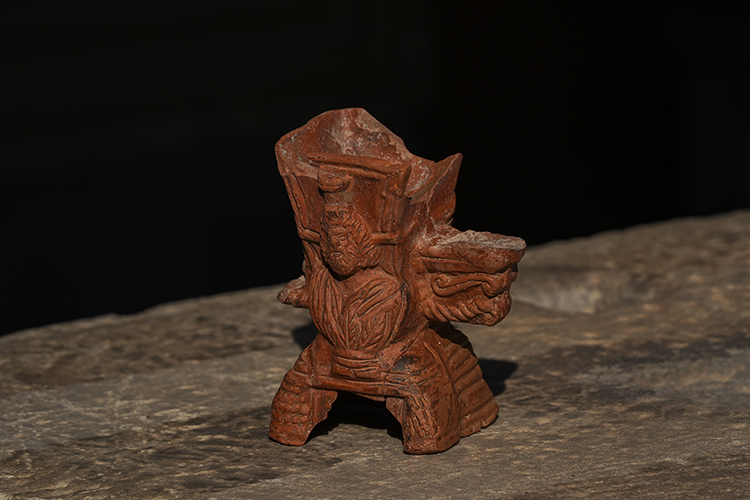
Archaeologists working in the ancient city of Ephesus, one of the world’s best-preserved archaeological sites and a UNESCO World Heritage landmark, have uncovered a rare terracotta incense burner bearing the relief of the Egyptian god Serapis. The discovery, made in the bustling Harbor Baths area, sheds new light on the multicultural religious landscape of the Roman-era metropolis and hints at long-distance trade connections operating nearly two millennia ago.
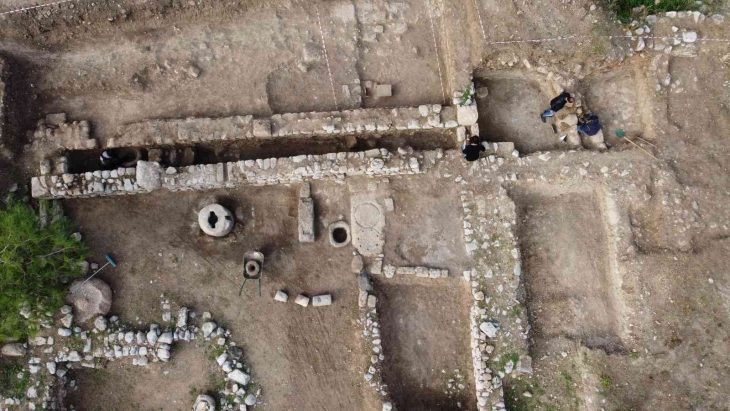
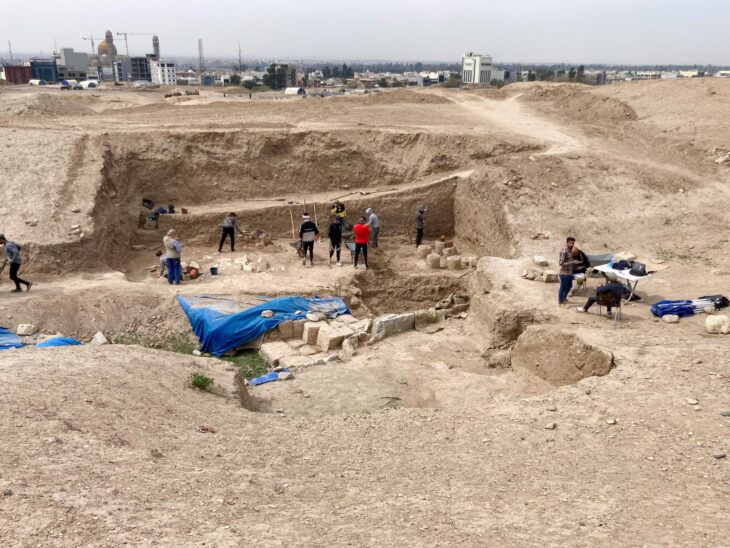
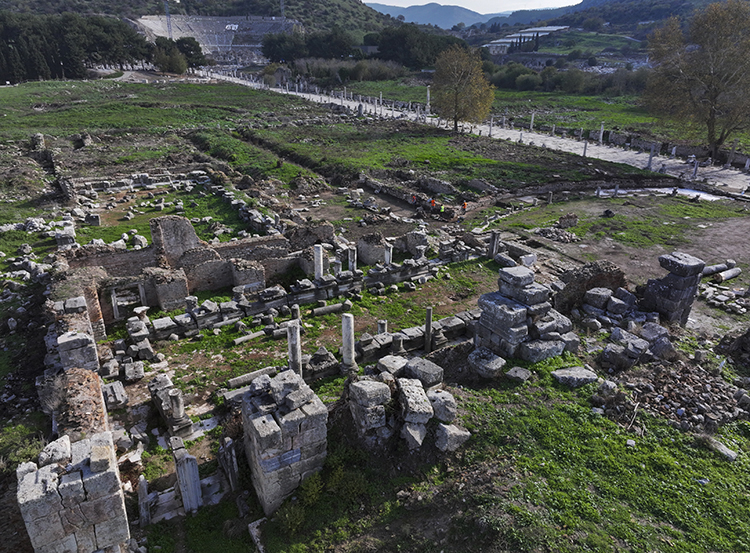
The find emerged during ongoing excavations conducted under the Turkish Ministry of Culture and Tourism’s “Endless Ephesus: Legacy for the Future” project, which has continued uninterrupted since 2023. Current research focuses on the Harbor Street, a monumental 570-meter-long avenue that once connected the city center to Ephesus’ grand port. Along this avenue lies the large and intricately planned Harbor Baths, an architectural complex that served both travelers and merchants arriving by sea.
A Unique Incense Burner with a Powerful Icon
Professor Serdar Aybek, the project coordinator and a faculty member at Dokuz Eylül University, announced that the incense burner is particularly noteworthy due to its detailed depiction of Serapis, a deity associated with healing, abundance, and the afterlife. The god was widely worshipped throughout the Mediterranean during the Roman period, especially by migrant communities from Egypt.
The object, crafted from terracotta, includes a chamber for burning incense and a front-facing bust of Serapis. The figure’s distinctive flowing hair, full beard, and high modius-shaped crown allowed archaeologists to identify it immediately. According to Aybek, the relief closely resembles a famous statue believed to have been sculpted by the renowned ancient artist Bryaxis, suggesting that the craftsmen of Ephesus reproduced iconic imagery circulating across the ancient world.
Adding to its significance, an inscription on the reverse side of the burner matches an earlier example found in the Terrace Houses (Yamaç Evler)—luxurious villas decorated with frescoes and mosaics. This connection may point to the presence of a local workshop producing standardized religious objects or to regular trade in Egyptian-inspired cult items within the city.
📣 Our WhatsApp channel is now LIVE! Stay up-to-date with the latest news and updates, just click here to follow us on WhatsApp and never miss a thing!!
The incense burner will soon join the collection of the Ephesus Museum, which houses thousands of artifacts uncovered in decades of research, emphasizing the city’s rich commercial, artistic, and religious heritage.

Ephesus: A Crossroads of Civilizations
Ephesus, located near modern-day Selçuk in western Türkiye, was a thriving urban center of the ancient world. With roots going back to the Bronze Age, the city flourished under Greek, Hellenistic, and Roman control. At its height, Ephesus boasted a population of over 200,000 people, making it one of the largest cities in the Roman Empire.
Its strategic location along maritime trade routes turned Ephesus into a melting pot of cultures. Merchants from Egypt, Syria, Greece, and North Africa passed through its port, and their presence left visible marks on the city’s architecture, inscriptions, and religious artifacts—such as the newly discovered Serapis incense burner.
The Serapis Temple: A Monument to an Imported God
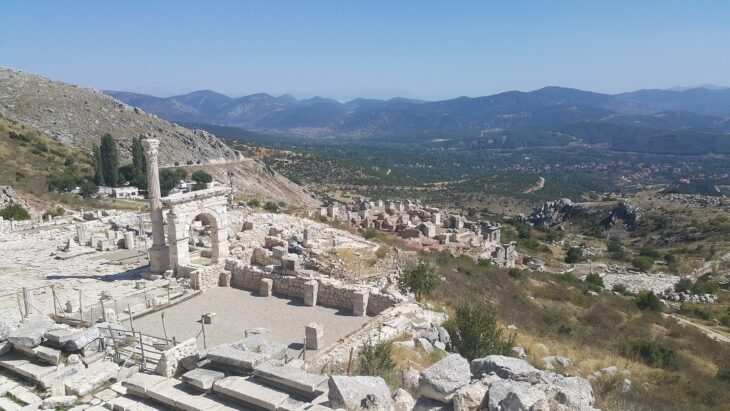
One of the most impressive testaments to Ephesus’ intercultural identity is the Serapis Temple, one of the largest ancient structures dedicated to the Egyptian deity. Built in the 2nd century CE—likely commissioned by wealthy Egyptian merchants—it reflects the growing popularity of Serapis worship outside Egypt during the Roman imperial era.
Although partially ruined today, the temple’s massive marble blocks and towering columns reveal its former grandeur. Scholars believe it served not only as a religious center but also as a gathering place for foreign merchant communities living in Ephesus. The discovery of the incense burner reinforces the idea that Serapis worship was deeply integrated into everyday spiritual life, extending beyond monumental temples into private homes and public rituals.
Harbor Baths: Where Travelers Entered the City
The excavation area where the incense burner was found—known as the Harbor Baths (Liman Hamamı)—was among the first structures seen by visitors approaching Ephesus from the sea. This enormous bath-gymnasium complex covers nearly 70,000 square meters, making it one of the largest Roman-era buildings in Anatolia.
The complex included hot and cold bathing rooms, toilets, pools, and an enormous courtyard. Such facilities served as multifunctional spaces where hygiene, business meetings, and social gatherings intertwined. Archaeologists frequently uncover marble decorations, bronze statues, and architectural fragments, confirming the building’s elaborate design and high status.
The ongoing restoration aims to reveal the full layout of the baths and reconstruct how travelers experienced the city upon arrival. The discovery of the Serapis incense burner within this setting may suggest that imported religious items played a role in purification rituals or were brought by Egyptian merchants frequenting the port.
A Window into the Religious Economy of Ephesus
As excavations continue, the repeated discovery of similar artifacts across decades highlights the city’s dense network of workshops, trade connections, and religious communities. According to Aybek, finding comparable pieces from the same workshop indicates an organized production system and points to Ephesus’ economic sophistication.
More importantly, such finds reveal how globalized ancient civilizations truly were. Objects inspired by Egyptian deities, sculpted in Anatolian workshops, and used by multicultural communities show that religious traditions traveled as widely as spices and textiles.
Cover Image Credit: Mehmet Emin Mengüarslan/AA