
23 June 2026 The Future is the Product of the Past

Dominican mission discovers 1,305-meter Greco-Roman ancient rock-cut tunnel in Alexandria

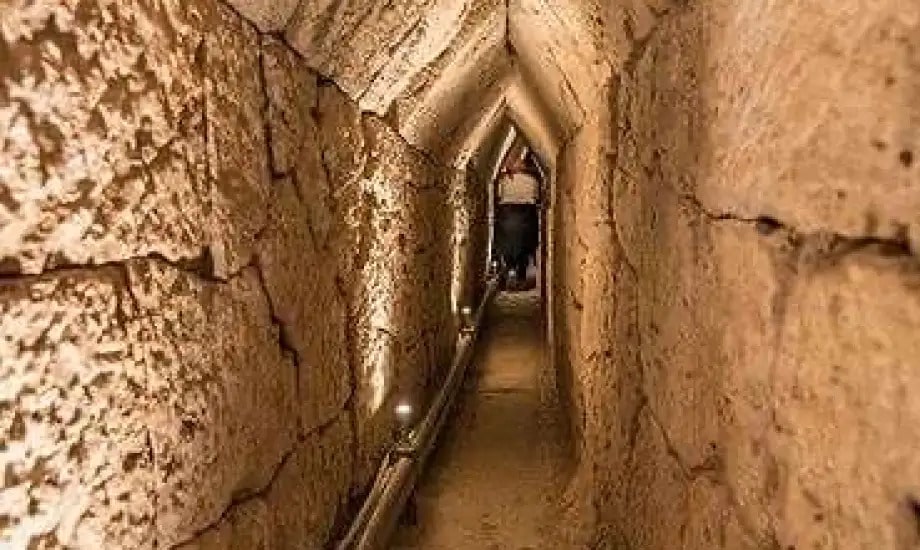
A Greco-Roman tunnel measuring 1,305 meters in length was discovered beneath Tapuziris Magna, an Ancient Egyptian city, by an Egyptian-Dominican archaeological mission from the University of Santo Domingo.

The tunnel was carved into the rock and is 1,305 m long, 2 meters high and 13 meters underground, according to a statement released on Thursday by the Egyptian Ministry of Tourism and Antiquities.

The team, led by archaeologist Kathleen Martinez, found the heads of two Ptolemaic-era alabaster statues near the temple, one of which was likely a sphinx representation.

Dr. Kathleen Martins, head of the mission, explained that initial studies indicate that the architectural design of the uncovered tunnel is very similar to the Yubilinus tunnel project in Greece, but is longer, describing it as an engineering miracle.
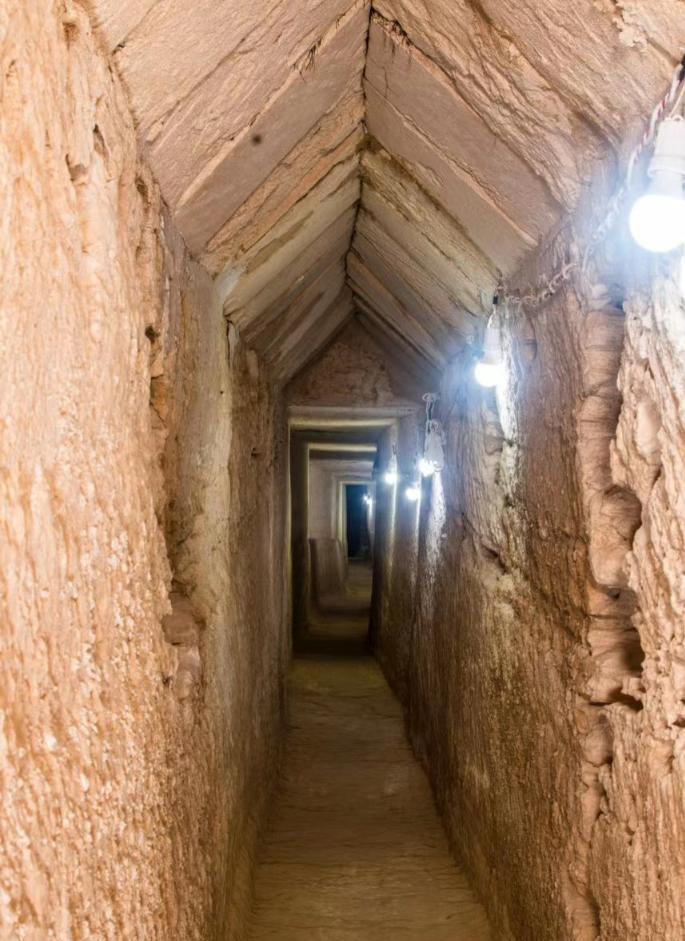
 The Egyptian Ministry of Tourism and Antiquities announced on Nov. 3, 2022, the discovery of a stone tunnel, 13 meters beneath the land surface, two alabaster heads, and several potteries in Alexandria. Photo: Egyptian Ministry of Tourism
The Egyptian Ministry of Tourism and Antiquities announced on Nov. 3, 2022, the discovery of a stone Greco-Roman tunnel, 13 meters beneath the land surface, two alabaster heads, and several potteries in Alexandria. Photo: Egyptian Ministry of Tourism

She added by saying that several pottery pots and ceramic jars, as well as a rectangular block of limestone, were discovered beneath the mud and sand during the excavations and archaeological survey of the tunnel.


📣 Our WhatsApp channel is now LIVE! Stay up-to-date with the latest news and updates, just click here to follow us on WhatsApp and never miss a thing!!


The mission is attempting to uncover a portion of the Temple of Taposiris Magna’s foundations that have been revealed by numerous pieces of archeological evidence.

According to scientific sources, at least 23 earthquakes struck the Egyptian coast between 320 AD and 1303 AD, causing a portion of the temple of Taposiris Magna to collapse and sink beneath the waves.
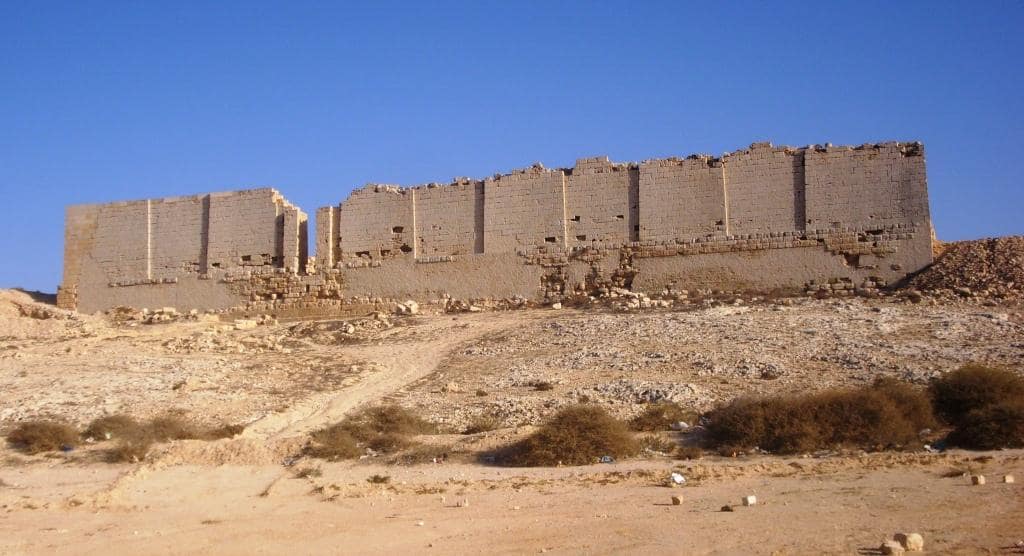
North View of Taposiris Magna Osiris Temple. Photo: Wikipedia

It is worth noting that the Egyptian- Dominican mission was able to find many important artifacts inside the temple during previous excavation seasons, including coins bearing the images and names of Queen Cleopatra IIV and Alexander the Great, as well as several headless statues and statues of the goddess Isis, as well as various inscriptions and busts of various shapes and sizes.

The mission also discovered a network of tunnels stretching from King Marriott Lake to the Mediterranean, 16 burials inside rock-cut tombs commonly used in the Greek and Roman periods, and several mummies highlighting the features of the mummification process during the Greek and Roman periods.

Ministry of Tourism and Antiquities

Related Articles

Ancient cooking vessel found in northern Minnesota dates back more than 1,600 years

28 February 2022

28 February 2022

Dating of Ceramic sherds found in 2003 at the Boundary Waters Canoe Area Wilderness in northern Minnesota revealed the vessel...

2,000-Year-Old Durotriges Tribe Discovery in Dorset Unveils Possible Human Sacrifice Ritual

2 November 2025

2 November 2025

Archaeologists from Bournemouth University have uncovered the remains of a teenage girl buried face down in a pit in Dorset,...

Evidence found of Goose domestication in Neolithic China 7,000 years ago

8 March 2022

8 March 2022

Geese may have been domesticated in what is now China as early as 7,000 years ago, according to a study...

The Ephesus Massacre: 80,000 Romans Slaughtered in a Single Night of Blood and Betrayal

29 May 2025

29 May 2025

The Ephesus Massacre saw 80,000 or more Romans killed overnight during the Asiatic Vespers — one of the deadliest uprisings...

Fossils of sea creatures 35 million years old discovered in eastern Turkey

17 August 2021

17 August 2021

In Turkey’s eastern province of Mus, a team of researchers discovered fossils of sea creatures estimated to be 35 million...

Sacred Hill of Moon God Sin “Sogmatar”

23 June 2022

23 June 2022

Sogmatar, Şanlıurfa is 53 kilometers from Harran. It is located in Yağmurlu village, where there are important springs in the...

Researchers measure the impact of Population Pressure on Prehistoric Violence in Japan’s Yayoi Period

23 August 2021

23 August 2021

Are wars part of human nature? Do people tend to fight instinctively or do they war as a result of...

2,700-Year-Old Urartian Dams May Have Surpassed Early Roman Engineering

13 April 2026

13 April 2026

For decades, the story of ancient water engineering has been dominated by Rome—its aqueducts, its urban systems, its monumental scale....

Extraordinary Discovery of a Unique Painted Tomb in Tarquinia’s Etruscan Necropolis

1 February 2025

1 February 2025

Exceptional discovery in the necropolis of Tarquinia, located near the western coast in central Italy, north of Rome (a UNESCO...

10,000-year-old Settlement Discovered in Turkey’s Şanlıurfa

25 June 2021

25 June 2021

A Neolithic settlement was discovered in the garden of a house in the Sayburç Neighborhood of Şanlıurfa’s Karaköprü district. News...

The Basilica cistern, which is said to have the sarcophagus of Medusa or the Mysterious Snake Woman, was restored

21 July 2022

21 July 2022

The Basilica Cistern, one of the magnificent ancient structures of Istanbul, was restored. Besides being the greatest work of the...

The Tomb of Prince with a Monumental Pink Granite False Door Unearthed in Saqqara

23 April 2025

23 April 2025

In a remarkable archaeological discovery, an Egyptian team has unveiled the tomb of Prince Waser-If-Re, son of Pharaoh Userkaf, the...

Ancient gypsum furniture was discovered in a fire temple in the ancient region of Vigol in Iran

1 June 2021

1 June 2021

Sets of gypsum furniture, including a carved table and chairs, were discovered during an archaeological dig in central Iran. According...

Neanderthal Fingerprint on 50,000-Year-Old Pebble Could Be Europe’s Oldest Portable Artwork

29 May 2025

29 May 2025

New analysis reveals that a pebble marked with ochre and a fingerprint could be the earliest known example of transportable...

Climate and Archaic humans caused the extinction of giant camels that lived in Mongolia 27,000 years ago, a study says

3 April 2022

3 April 2022

Camelus knoblochi, a species of giant two-humped camel, survived in Mongolia alongside modern humans—and perhaps Neanderthals and Denisovans—until about 27,000...