
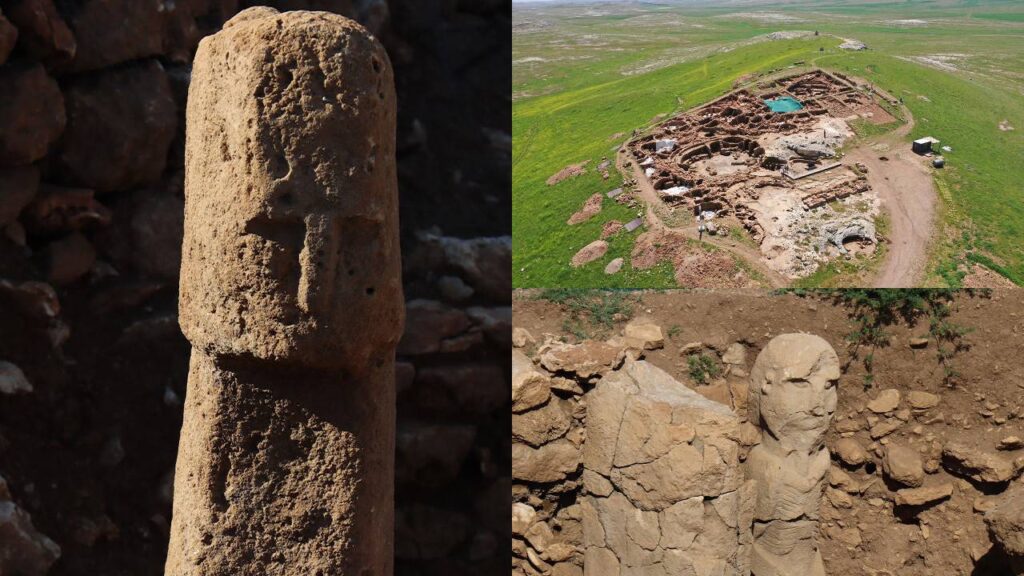
In southeastern Türkiye, a prehistoric landscape continues to reshape how we understand the origins of settled life. At Karahantepe, archaeologists have uncovered a growing body of evidence pointing to a sophisticated Neolithic community—one that combined symbolic art, architectural planning, and surprisingly diverse dietary practices nearly 12,000 years ago.
Recent findings from ongoing excavations indicate that the site was not only a center of ritual expression but also a place where early humans developed complex relationships with their environment. Three-dimensional human sculptures, detailed animal depictions, and new data on food consumption are now offering a more complete picture of daily life during the Pre-Pottery Neolithic period.
Monumental Architecture and Symbolic Expression
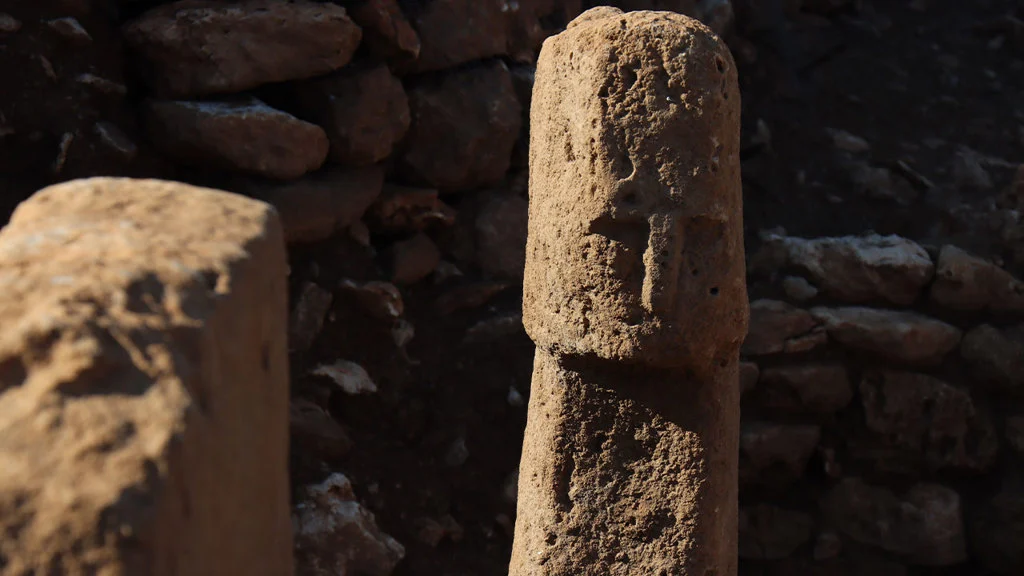
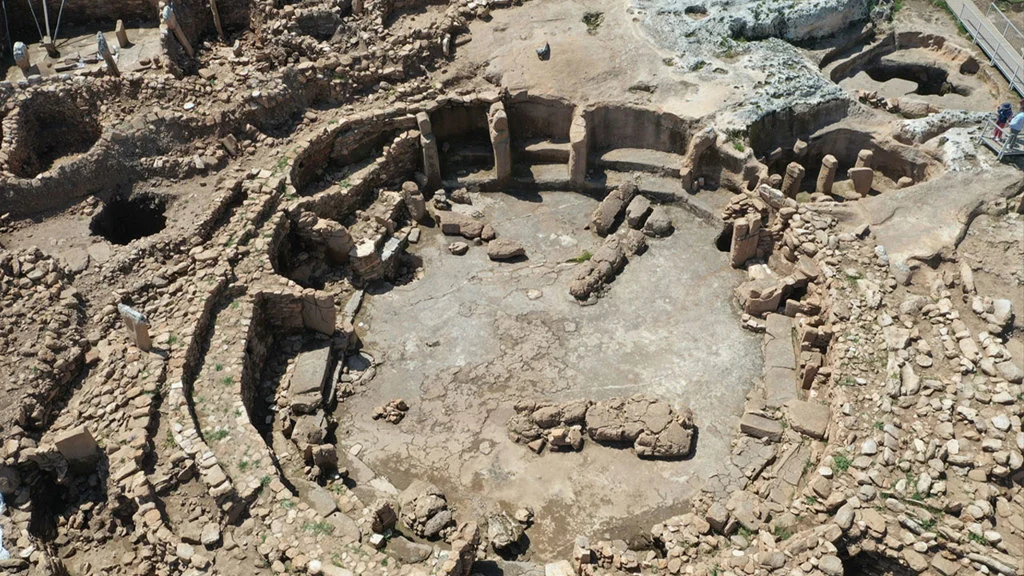
Karahantepe forms part of the broader Taş Tepeler Project, one of the most ambitious archaeological research initiatives in Türkiye’s modern history. Over the past seven years, excavations in the region have identified more than 250 T-shaped stone pillars at Karahantepe alone, echoing the architectural style seen at nearby Göbeklitepe, a UNESCO World Heritage Site often described as the world’s earliest known monumental sanctuary.
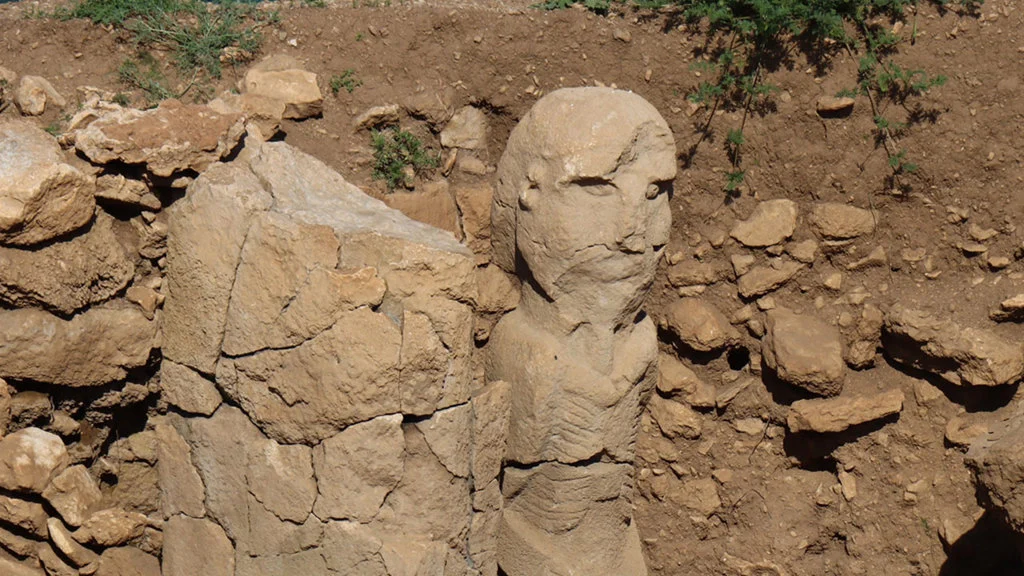
Yet Karahantepe is not merely a replica of its more famous neighbor. The site has yielded a remarkable range of artifacts, including life-sized human statues carved in high relief and intricate animal figures embedded into stone surfaces. These discoveries suggest a rich symbolic world, where art and architecture were deeply intertwined.
Unlike later urban settlements, these structures predate pottery, metallurgy, and even fully developed agriculture. Still, their scale and complexity indicate a level of social organization that challenges traditional narratives about early human societies.
Diet Beyond Hunting: Gazelle Meat and Legumes
One of the most significant developments emerging from recent research concerns diet. According to excavation director Necmi Karul, zooarchaeological and botanical analyses reveal that the inhabitants of Karahantepe relied heavily on gazelle meat as a primary protein source.
However, the findings go further. Plant remains recovered from the site indicate that legumes played a crucial role in daily nutrition. This contrasts with earlier assumptions that cereals dominated Neolithic diets in the region. The presence of legumes suggests a more balanced and possibly seasonal food strategy, combining hunting with plant gathering or early cultivation.
Comparative analysis with Göbeklitepe highlights subtle but important differences. While both sites show evidence of intensive gazelle consumption, Göbeklitepe presents a broader spectrum of animal species drawn from diverse ecological zones—from lowland plains to mountainous areas. Karahantepe, by comparison, appears more focused in its subsistence patterns, though ongoing research may refine this picture.
Expanding the Ecological Perspective
These insights are part of a wider effort to understand the environmental context of early settlements. A newly launched ecological research initiative within the Taş Tepeler framework aims to reconstruct both ancient and modern ecosystems in the region.
Researchers are conducting geological surveys, cataloging plant and animal species, and analyzing how environmental conditions may have influenced settlement patterns. This interdisciplinary approach reflects a shift in archaeology—from isolated excavation to landscape-scale interpretation.
Karul emphasizes that Karahantepe should not be viewed as a single excavation site, but as part of a broader cultural and environmental system. The project integrates archaeological data with studies of traditional lifeways still preserved in the region, creating a bridge between past and present.
Rethinking the Origins of Complexity
Karahantepe dates to roughly the same period as Göbeklitepe, around the end of the last Ice Age when climatic conditions began to stabilize. This timing is crucial. It marks the transition from highly mobile hunter-gatherer groups to more sedentary communities capable of constructing permanent structures.
What makes Karahantepe particularly compelling is not its age alone, but what it represents. The site demonstrates that advanced artistic expression, architectural planning, and social coordination emerged before the widespread adoption of agriculture. In other words, symbolic and communal life may have driven the shift toward settlement, rather than the other way around.
Karul notes that when compared to other contemporary sites worldwide, the level of achievement seen in southeastern Anatolia stands out. The craftsmanship evident in stone carvings, the engineering behind large-scale structures, and the integration of symbolic motifs all point to a highly developed cultural system.
A Site Still in the Making
Despite the scale of discoveries, only a fraction of Karahantepe has been excavated. The site covers approximately 12 hectares, with current work concentrated on a 6,000-square-meter area. Even within this limited zone, multiple occupational layers have been identified, suggesting long-term and possibly continuous use.
Future excavation seasons, set to resume in late spring, are expected to expand both the physical scope of the site and the depth of analysis. Plans are also underway to construct protective structures to preserve exposed remains while maintaining accessibility for research and visitors.
Interest in Karahantepe is growing rapidly, both within the scientific community and among the public. International exhibitions, including a recent showcase in Berlin, have brought global attention to the Taş Tepeler sites. At the same time, local initiatives such as the Şanlıurfa Culture Route Festival are beginning to integrate these discoveries into broader cultural narratives.
Bridging Past and Present
Karahantepe is increasingly seen as more than an archaeological site. It is a key reference point for understanding how human societies evolved from small, mobile groups into complex communities capable of shaping their environment and expressing shared beliefs.
Each new discovery adds another layer to this story. The sculptures hint at identity and ritual. The pillars speak of collective effort. The dietary evidence reveals adaptation and resilience.
Taken together, they form a picture of a society that was already experimenting with many of the elements that would later define civilization.
And perhaps most importantly, Karahantepe reminds us that the roots of that transformation run deeper—and are far more intricate—than previously imagined.
Cover Image Credit: AA
