
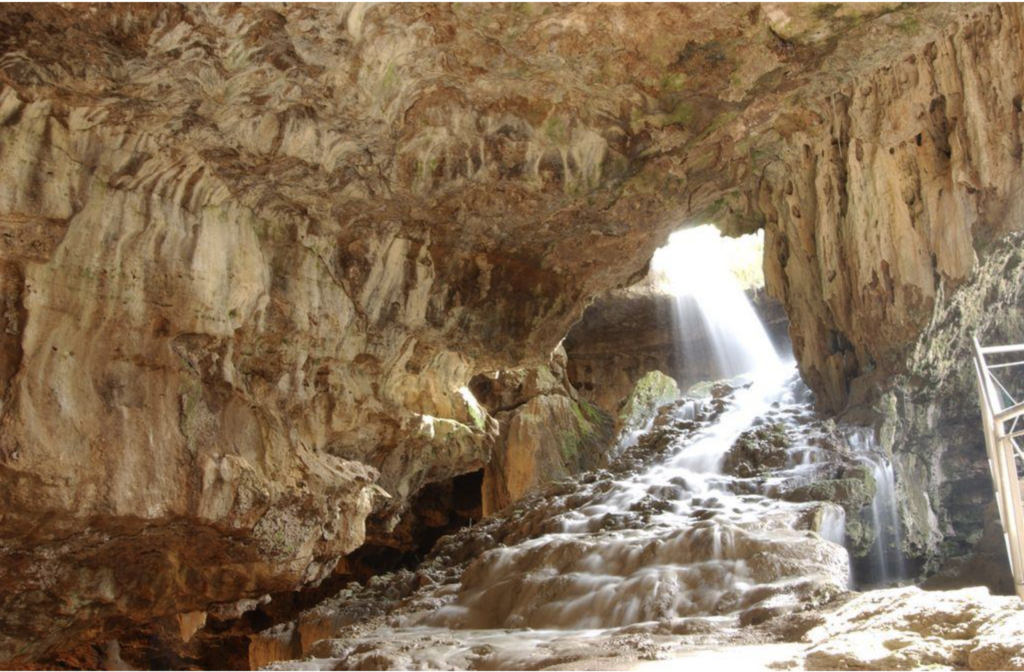
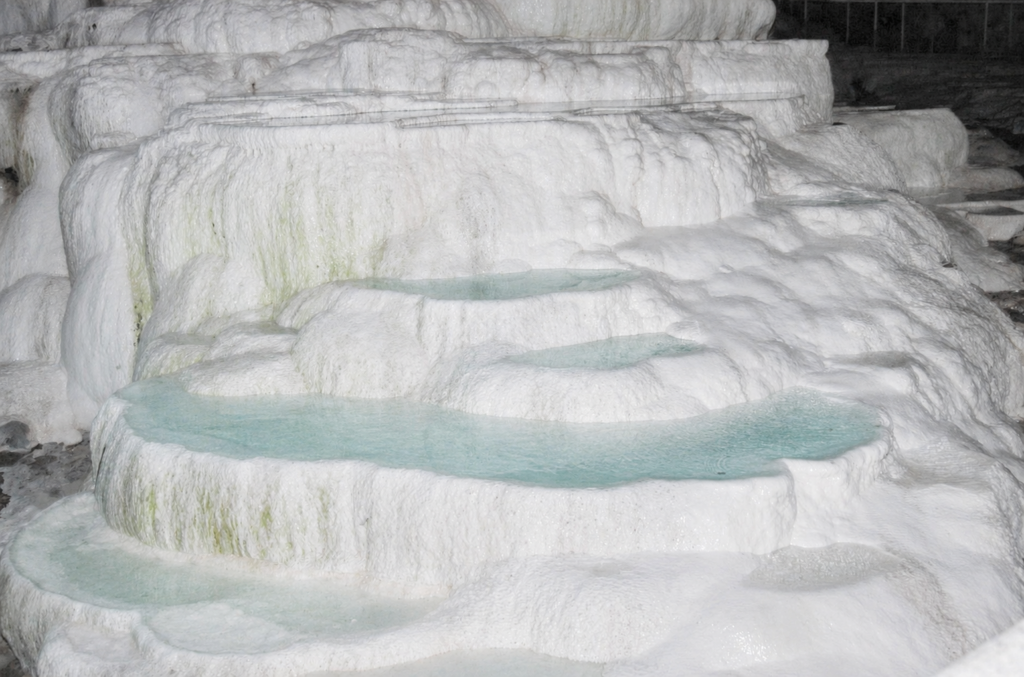
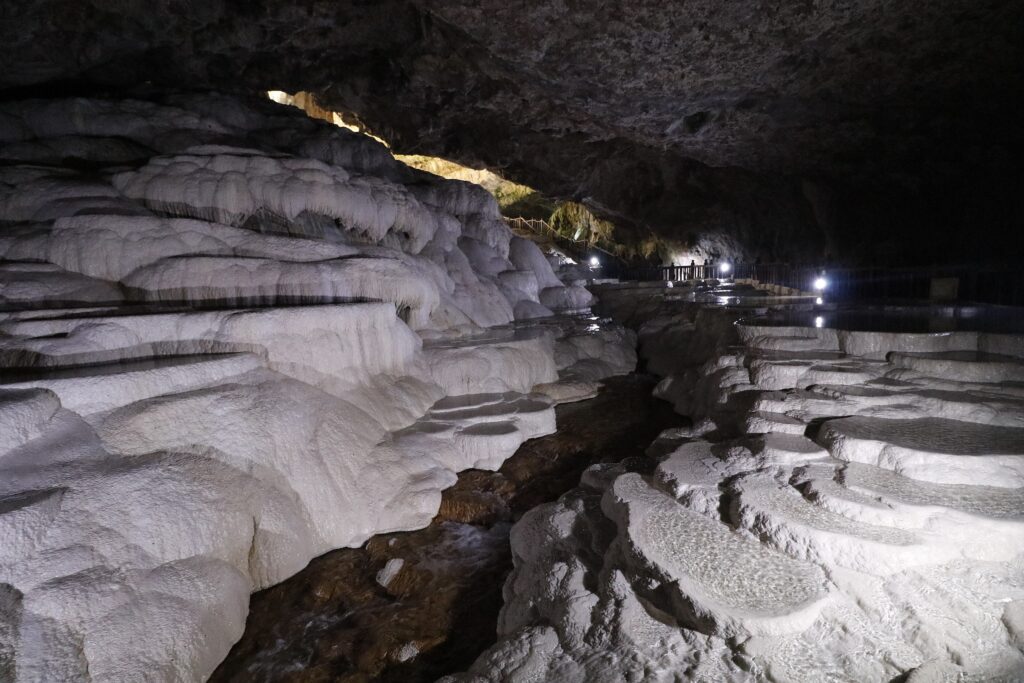
Kaklık Cave in Denizli is one of those places that quietly surprises travelers. At first glance, it may look like a small cave stop near Pamukkale. But once inside, the comparison becomes clear: white travertine terraces, mineral-rich water, small pools, dripping limestone, green moss, and a faint sulfur scent create a natural scene that feels like an underground version of Pamukkale.
Located in Kaklık town in the Honaz district of Denizli, the cave is often called the “Underground Pamukkale” because of its travertine formations. It is not as vast or famous as Pamukkale, but that is exactly why many travelers find it memorable. Kaklık Cave offers a quieter, more intimate encounter with the same kind of mineral landscape that made Denizli world-famous.
An Underground Echo of Pamukkale
The similarity between Kaklık Cave and Pamukkale is not just visual. Both places were shaped by mineral-rich thermal waters that left behind white calcium carbonate deposits over time. At Pamukkale, this process created wide terraces under the open sky. At Kaklık Cave, the same natural process appears inside a cave, forming small white steps, pools, and flowing surfaces.
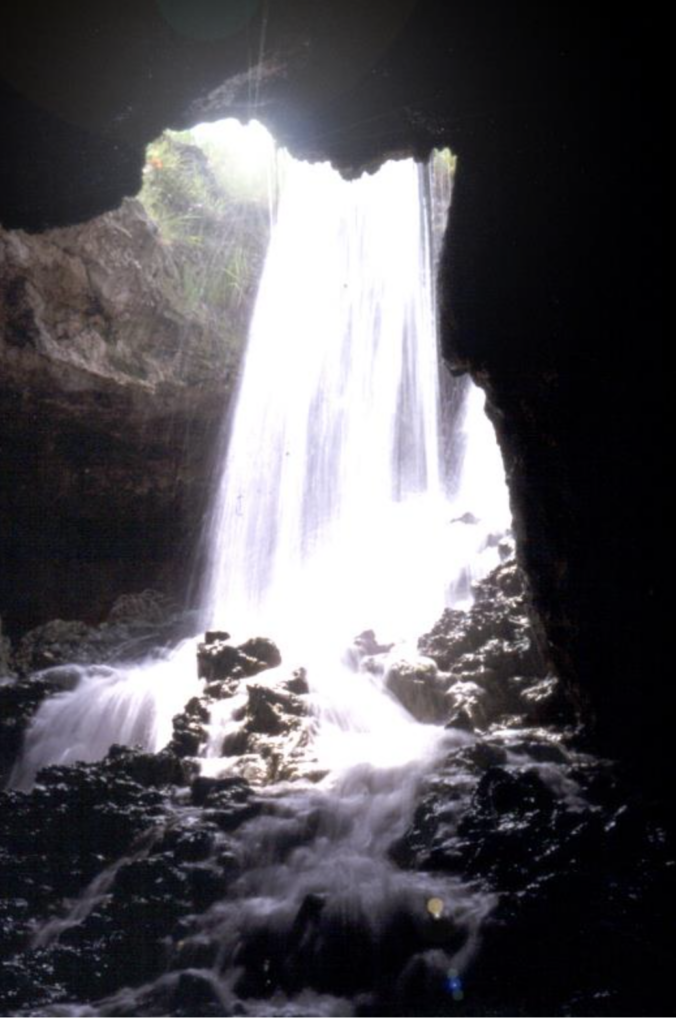
This gives Kaklık a very different atmosphere. Pamukkale feels open, bright, and monumental. Kaklık feels enclosed, humid, and almost hidden. Sunlight enters through openings in the cave roof, touching the white travertine and green vegetation below. The result is a landscape that feels alive rather than static.
For photographers and nature travelers, this contrast is one of the cave’s strongest appeals. It is familiar enough to remind visitors of Pamukkale, but different enough to feel like a separate discovery.
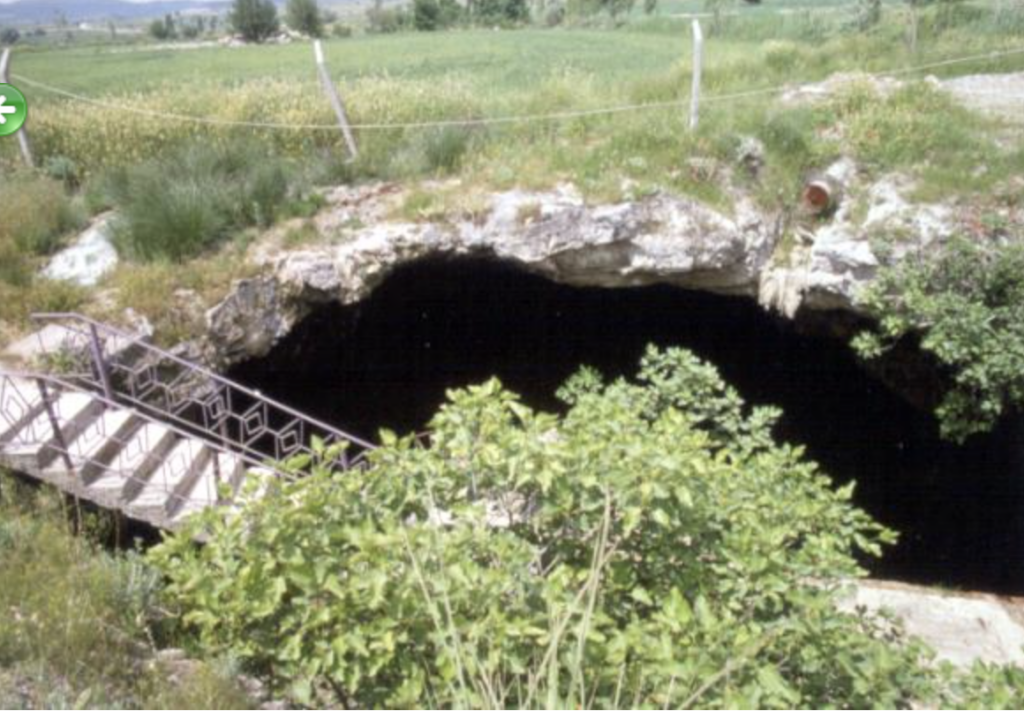
Kaklık Cave in Denizli extends 65 meters northwest-southeast and features a circular 13-by-11-meter entrance, travertine formations, and a second section at its southwestern end. Credit: Republic of Türkiye Ministry of Culture and Tourism
A Cave Shaped by Water and Light
Kaklık Cave is a wet and active cave system. Water still moves through parts of it, feeding small pools and cascades. The cave contains travertines, dripstone formations, stalactites, stalagmites, and mineral deposits created by long-term water movement.
One of its most distinctive features is the greenery inside. Because parts of the cave receive natural light and remain constantly damp, mosses and small plants grow along the walls and around the wet surfaces. This gives the cave a rare visual character. Instead of a dark and dry underground chamber, Kaklık feels bright in places, humid, and unusually colorful.
The water also carries minerals, including sulfur compounds, which create a noticeable but natural smell near the cave. For visitors, this scent is part of the experience. It reminds them that Kaklık is not just a scenic stop, but a living geological environment still being shaped by water.
Why Travelers Should Add Kaklık Cave to a Denizli Route
Kaklık Cave is especially attractive for travelers who are already visiting Pamukkale and Hierapolis. It can be added easily to a Denizli itinerary and does not require a full day. That makes it ideal for road-trippers, photographers, nature lovers, and visitors looking for something beyond the most crowded tourist route.
The cave is compact, but visually strong. The walkways allow visitors to observe the travertine formations, pools, and cave walls from close range. The sound of running water, the mineral smell, the damp air, and the filtered light create a sensory experience that feels very different from many other cave visits in Türkiye.
For travelers who enjoy natural places with a slightly hidden character, Kaklık Cave offers exactly that. It is not a place built around spectacle. Its charm comes from its texture, its light, and the quiet surprise of finding Pamukkale-like formations underground.
A Different Side of Denizli’s Natural Heritage
Denizli is best known internationally for Pamukkale and the ancient city of Hierapolis, but Kaklık Cave shows that the region’s natural heritage is not limited to one famous landscape. The same geological richness that created Pamukkale also appears here in a smaller and more intimate form.
That makes Kaklık Cave more than a side trip. It helps visitors understand the wider natural character of Denizli: thermal water, limestone, mineral deposits, and landscapes shaped slowly over thousands of years.
For anyone planning a visit to Pamukkale, Kaklık Cave is worth considering as a short but rewarding addition. It gives travelers a chance to see a different expression of the region’s famous white travertines, this time beneath the ground.
A Quiet Stop with a Strong Memory
Kaklık Cave may not have the scale of Pamukkale, but it has something many travelers look for: a sense of discovery. Its white terraces, clear pools, moss-covered walls, and underground atmosphere make it one of Denizli’s most interesting natural sites.
For visitors who want to go beyond the standard route, Kaklık Cave offers a simple but memorable experience: a hidden world of water, stone, and light beneath the surface of Denizli.
Note: Kaklık Cave is generally open to visitors every day, with listed visiting hours from 08:00 to 19:00. Opening times may vary seasonally, especially in winter, so travelers are advised to check locally before visiting. Tickets are available at the entrance.
Republic of Türkiye Ministry of Culture and Tourism
Cover Image Credit: Republic of Türkiye Ministry of Culture and Tourism
