
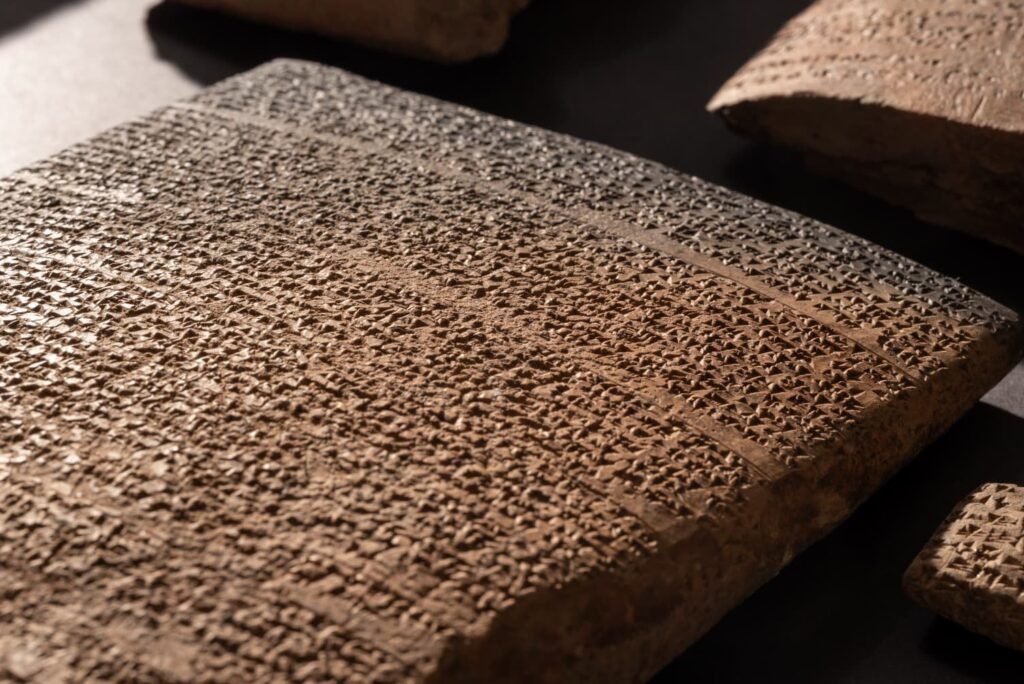
A newly uncovered 3,400-year-old royal archive in central Anatolia has brought to light a deeply personal tragedy from the Hittite Empire: the illness and death of an infant princess during an epidemic that spread between ancient cities. The documents preserve not only this sorrowful event, but also desperate military appeals for help, the anxieties of the royal family, and previously unknown details of religious practices.
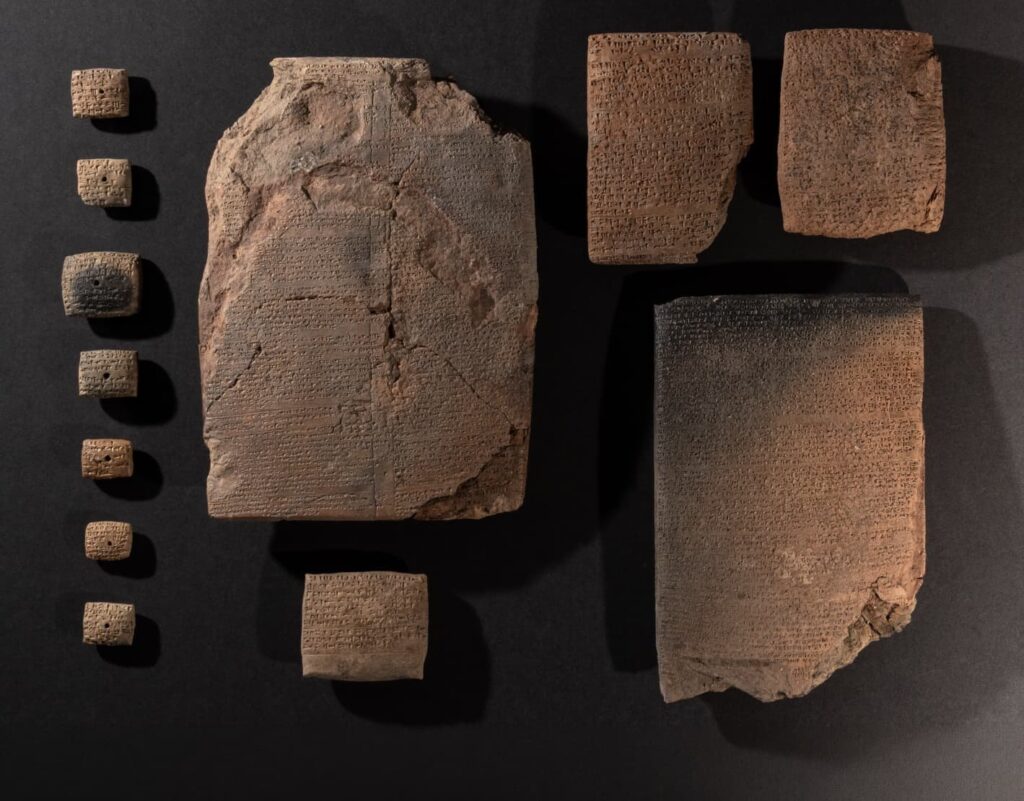
Archaeologists working at Kayalıpınar, the site of the ancient Hittite city of Šamuḫa in Sivas Province, discovered 131 cuneiform tablets and fragments during the 2026 excavation season. Together with 53 finds from the previous year, the collection now contains 184 tablets and fragments dating to the reign of King Tudhaliya II.
Türkiye’s Minister of Culture and Tourism, Mehmet Nuri Ersoy, announced the discovery on X, describing the collection as the most extensive Hittite-language archive uncovered in the 21st century. Written in Hittite and Hurrian, the documents offer an unusually intimate account of royal life, military affairs, and religious beliefs at a time when the Hittite kingdom faced serious challenges.
An Ancient Epidemic and the Death of a Princess
Among the most remarkable documents are records describing an epidemic characterized by high fever that spread from one city to another. The illness particularly affected infants and children, prompting concern within the royal household.
One account follows an infant princess who fell ill in a city called Ziulila, whose precise location remains unknown. The child was still being breastfed when she became sick, and the surviving texts record her deteriorating health, subsequent death, and the funerary ritual performed in her memory.
Other documents reveal that the royal household closely monitored the health of young princes and princesses, as well as the children of high-ranking officials. Religious specialists conducted divination inquiries concerning their conditions, illustrating how closely the Hittites connected illness, uncertainty, and divine intervention.
Although the tablets describe a high-fever epidemic, researchers have not identified the disease responsible. The records nevertheless provide an exceptional glimpse into the human consequences of illness in the ancient world, including the grief and anxiety experienced within one of Anatolia’s most powerful royal families.
A Desperate Military Appeal to the Hittite King
The archive also contains a striking letter from Hittite generals stationed in western Anatolia. Facing a growing enemy threat, the commanders appealed directly to the king for additional soldiers, horses, and chariots.
Their message went beyond a routine request for reinforcements. The generals warned that without immediate assistance, enemy forces could destroy their army, and they made clear that they could not accept responsibility for the consequences if the king failed to send support.
The letter provides a rare perspective on the pressures facing Hittite military commanders far from the royal court. It also places the king at Šamuḫa when the appeal reached him, reinforcing the city’s importance as a center of political and military decision-making.
Rather than offering only the official language of royal victories, the correspondence exposes uncertainty, logistical difficulties, and the possibility of military disaster.
Šamuḫa: A Royal Residence and Sacred Center of the Hittite Empire
Located near the Kızılırmak River in present-day Sivas Province, Šamuḫa was far more than an ordinary Hittite settlement. The city served as a major administrative and religious center and, during periods of political instability, became a royal residence from which Hittite kings directed affairs of state.
Its history reaches back to the Old Assyrian trading network, when merchants established commercial connections along the river. Šamuḫa subsequently developed into an important regional center within the Hittite kingdom, particularly during the turbulent 14th century BCE.
The city played a crucial role when enemy attacks threatened the Hittite heartland. King Tudhaliya used Šamuḫa as a royal stronghold, while his successor Šuppiluliuma I later relied on the region during military campaigns that helped restore and expand Hittite power.
Šamuḫa was equally significant in religious life. The city maintained a close association with the goddess Šauška, a Hurrian deity identified with Ishtar, and religious ceremonies formed an important part of its identity.
Earlier discoveries of cuneiform texts at Kayalıpınar established the identification of the archaeological site with ancient Šamuḫa. The newly uncovered royal archive now adds a much more detailed record of the people, decisions, and events that shaped the city’s history.
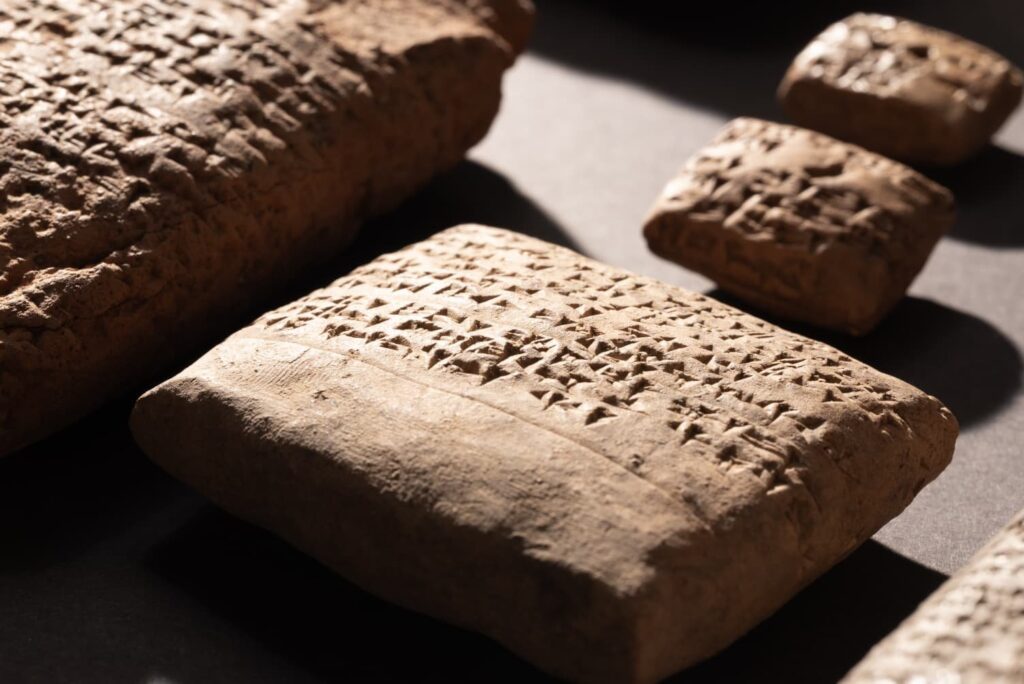
Archaeologists working at Kayalıpınar, the site of the ancient Hittite city of Šamuḫa in Sivas Province, discovered 131 cuneiform tablets and fragments during the 2026 excavation season. Credit: Türkiye’s Ministry of Culture and Tourism
Bird Diviners and the Hittite World of Omens
Another group of tablets sheds new light on the activities of Hittite bird diviners, specialists who interpreted the movements and behavior of birds to seek answers about uncertain events.
The newly discovered records document routes followed by these specialists, the places where they stopped and the observations they made along the way. Such information offers researchers an opportunity to reconstruct the practical organization of divination, rather than examining the practice only through religious formulas.
Bird omens formed part of a broader system of divination that Hittite rulers consulted when confronting questions about warfare, health and divine approval. The new documents suggest that these inquiries required organized travel, systematic observation and careful written records.
A Royal Archive That Brings Ancient Voices Back to Life
Excavations at Kayalıpınar continue under the direction of archaeologist Associate Professor Çiğdem Maner of Koç University. Previous fieldwork has uncovered administrative buildings, religious structures, seal impressions and cuneiform documents, confirming the site’s importance within the Hittite political landscape.
The latest collection promises to expand scholarly understanding of Hittite administration, scribal traditions, language and religious practices. Its combination of Hittite and Hurrian texts may also help researchers examine the cultural relationships that shaped the kingdom’s intellectual and ceremonial life.
Yet the archive’s significance extends beyond royal administration and political history. Its tablets preserve the anxieties of commanders awaiting reinforcements, the careful observations of religious specialists and the final days of a young princess whose family sought answers during a deadly illness.
More than three millennia later, those records allow the people of ancient Šamuḫa to emerge from the historical narrative not simply as kings, officials or worshippers, but as individuals confronting dangers and uncertainties that remain recognizable today.
