
8 February 2026 The Future is the Product of the Past

Ancient Hittite Archives Unearthed at Kayalıpınar: 56 Cuneiform Tablets and 22 Seal Impressions Found

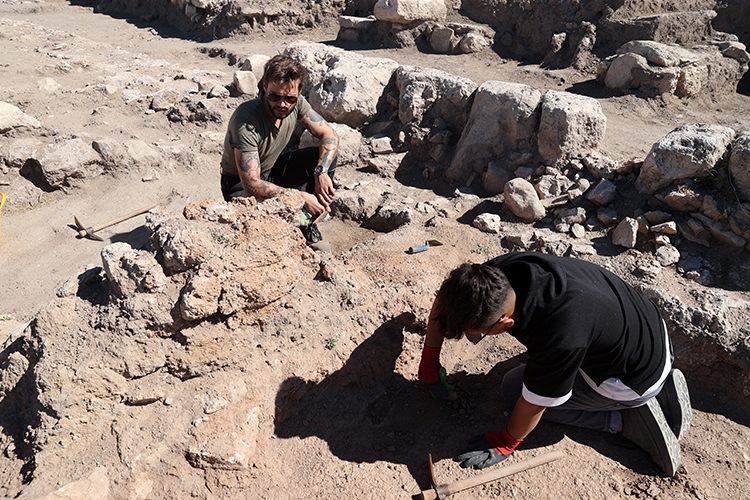
Archaeologists excavating the ancient Hittite city of Kayalıpınar (ancient Šamuḫa) in Sivas province have uncovered a remarkable collection of 56 cuneiform tablets and 22 seal impressions, providing new insights into Hittite rituals, royal administration, and the daily workings of the empire.

Who Were the Hittites?

The Hittites were one of the most powerful civilizations of the Late Bronze Age (ca. 1650–1200 BCE), ruling a vast empire from their capital Hattusa in central Anatolia. Known for their advanced legal codes, monumental architecture, and international diplomacy, the Hittites often negotiated or clashed with contemporaries such as Egypt, Assyria, and Babylon.

Their archives, written in cuneiform script, represent some of the earliest organized state records, offering unique insights into governance, religion, and everyday life. Discoveries like those at Kayalıpınar allow researchers to reinterpret this empire’s history with fresh evidence.
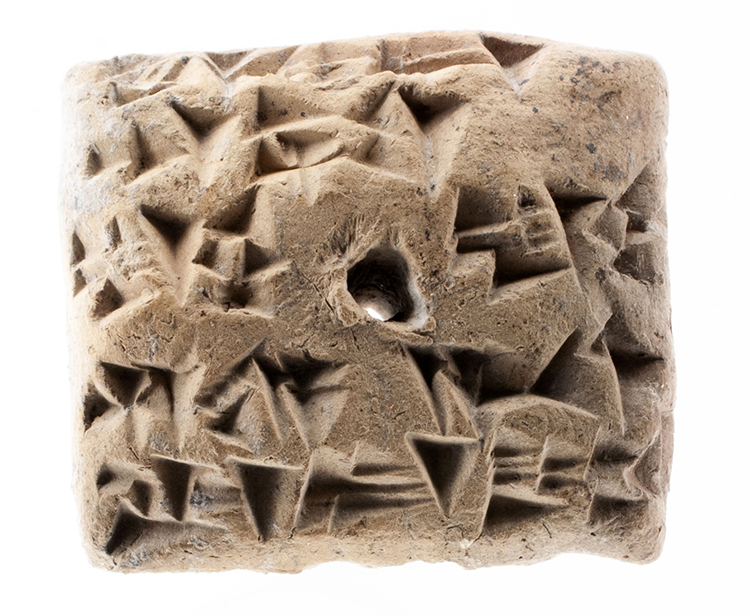
Most of the newly discovered tablets are small, measuring around 2.5 × 1.5 cm, and remain in excellent condition. Credit: Serhat Zafer/AA

Cuneiform Tablets Reveal “Bird Oracles” in Hittite Religion

Most of the newly discovered tablets are small, measuring around 2.5 × 1.5 cm, and remain in excellent condition. They record ritual texts about bird oracles (mušen omens), a form of divination central to Hittite spiritual life.

“The Hittites believed that good or bad events were messages from the gods. They consulted oracles to interpret these signs,” said excavation director Assoc. Prof. Dr. Çiğdem Maner of Koç University.


📣 Our WhatsApp channel is now LIVE! Stay up-to-date with the latest news and updates, just click here to follow us on WhatsApp and never miss a thing!!


The texts mention interpreters, known as lumušen, who were priests or officials specializing in prophecy. These findings indicate that Kayalıpınar hosted not only state archives but also the officials who practiced divination on behalf of the royal family.
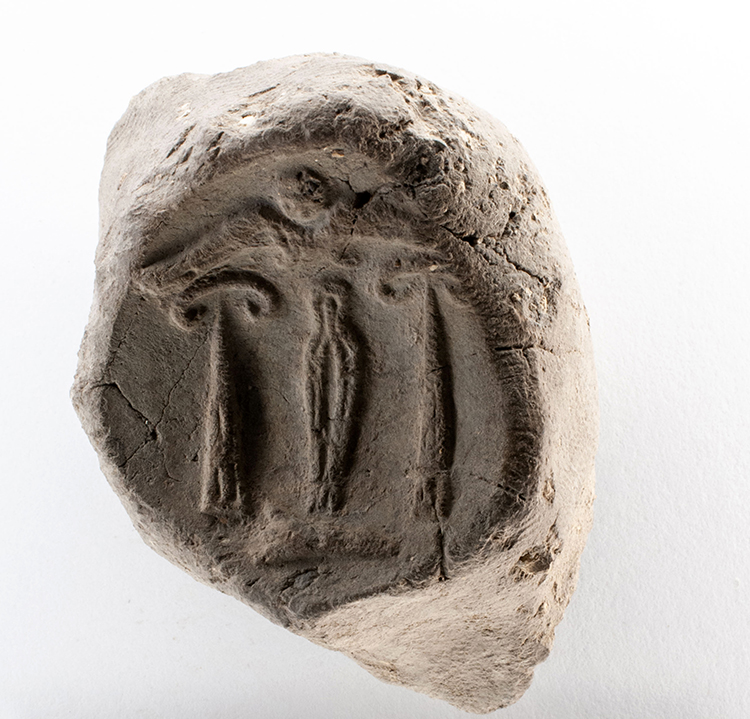
Alongside the tablets, archaeologists found 22 seal impressions belonging to Hittite kings, princes, princesses, priests, and high-ranking officials. Credit: Serhat Zafer/AA

Seal Impressions Linked to Royalty and High Officials

Alongside the tablets, archaeologists found 22 seal impressions belonging to Hittite kings, princes, princesses, priests, and high-ranking officials. Notable examples include seals of:

Tuthaliya IV, son of King Hattusili III

A royal scribe of the army

A priest named Kantuzzili, referred to as “lord of the land”

Other members of the royal household and administration

“These seals are invaluable for understanding Hittite political structures, bureaucracy, and even the layout and function of the seal archive building we excavated,” Maner explained.
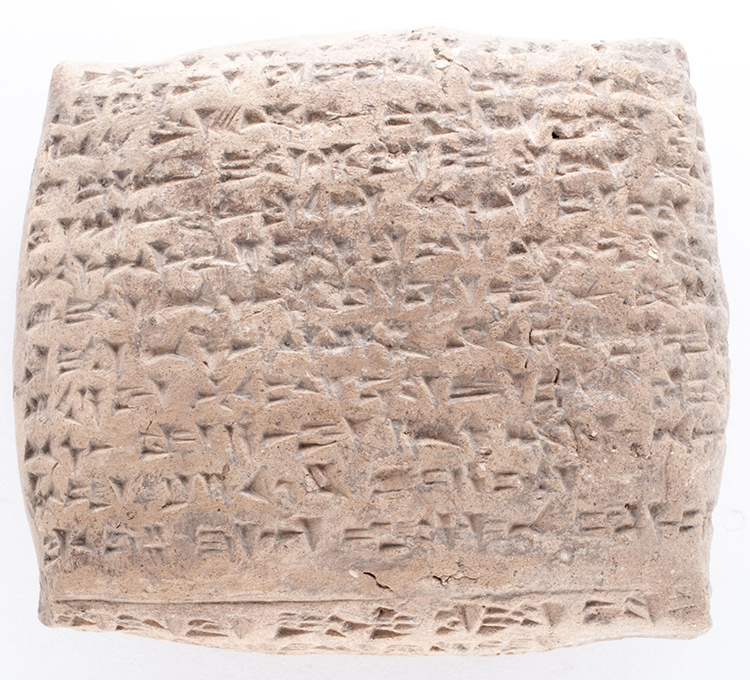

The texts mention interpreters, known as lumušen, who were priests or officials specializing in prophecy.  Credit: Serhat Zafer/AA
The texts mention interpreters, known as lumušen, who were priests or officials specializing in prophecy. Credit: Serhat Zafer/AA

Kayalıpınar: Ancient Šamuḫa, a Multi-Layered Settlement

Kayalıpınar is widely identified with the Hittite city of Šamuḫa, one of the most important urban centers of the empire. Situated near the Kızılırmak River in Yıldızeli district, the site has a long history of occupation.

Earlier excavations revealed remains from:

The Assyrian Trade Colonies Period (20th–18th century BCE)

The Hittite Empire Period (17th–12th century BCE)

Later Roman and Byzantine eras

Previous finds at Kayalıpınar include Hittite palatial structures, storage facilities, and fragments of royal correspondence. The newly uncovered state archive adds to this picture, suggesting the site functioned as both an administrative and religious hub.
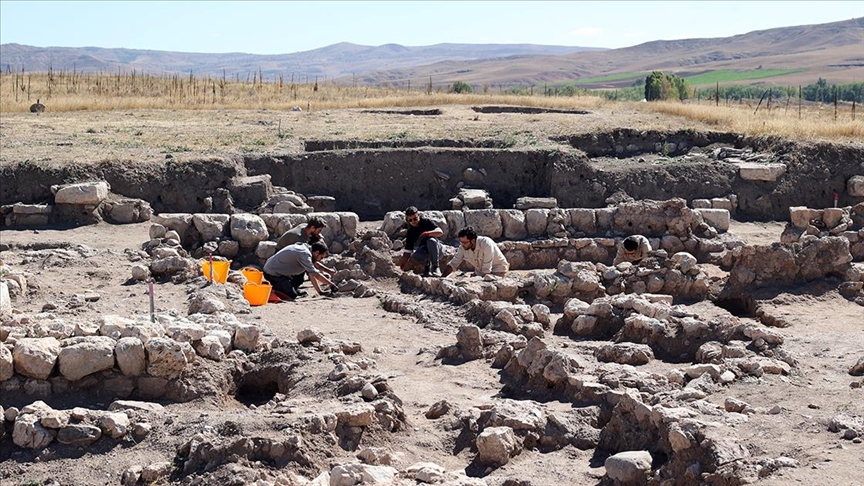

Kayalıpınar is widely identified with the Hittite city of Šamuḫa, one of the most important urban centers of the empire. Credit: Serhat Zafer/AA

Significance for Hittite Studies

Archaeologists emphasize that the discovery of well-preserved omen texts and seal impressions represents a breakthrough in understanding Hittite state religion, politics, and archival practices.

“These finds will allow us to reinterpret Hittite history with fresh evidence,” Dr. Maner said. “The state archives of Kayalıpınar are crucial not only for reconstructing political events but also for shedding light on cultural and religious traditions of the Hittites.”

Cover Image Credit: AA

Related Articles

Ancient Thracian Royal Palace Uncovered in Vratsa, Bulgaria: Possible Seat of the Powerful Triballi Ruler

14 July 2025

14 July 2025

Archaeologists have unearthed what may be one of the most significant Thracian discoveries of the 21st century: the remains of...

Archaeologists have unearthed an incredible hoard of over 300 Iron Age ‘potins’ in West London

17 July 2021

17 July 2021

Archaeologists at an HS2 construction site in Hillingdon, West London discovered an astonishing treasure of over 300 Iron Age ‘potins”....

One of the Largest Prehistoric Burial Grounds Ever Found in Bavaria Unearthed During Power Line Work

11 September 2025

11 September 2025

Archaeologists call the discovery a “sensation” as 22 prehistoric skeletons and rare artifacts are uncovered near Regensburg. Archaeologists in Bavaria...

A Roman statue unearthed on the site of St Polyeuctus’ church, which once Constantinople’s largest church

5 April 2023

5 April 2023

At Saraçhane Archaeology Park, where the Church of St. Polyeuctus is situated, excavation work by Istanbul Metropolitan Municipality (IBB) teams...

Paleontologists discovered Super-sized fossil skink

14 June 2023

14 June 2023

According to newly discovered fossils, a giant skink with spiky armor and powerful jaws roamed New South Wales until about...

The First Ancient Celtic Languages Dictionary Reconstructs Britain and Ireland’s Early Linguistic Past

15 December 2025

15 December 2025

Aberystwyth scholars unite fragments of language to reveal the forgotten linguistic landscape of the Celtic world For centuries, the ancient...

Teacher unearthed stone with ancient ogham writing from Ireland in Coventry garden

9 May 2024

9 May 2024

A geography teacher, Graham Senior, stumbled across a rock with mysterious incisions while tidying his overgrown garden in Coventry, England. ...

7,000-year-old discovery in Umm Jirsan Cave

28 June 2021

28 June 2021

Archaeologists have made new discoveries in the Umm Jirsan cave in the Harrat Khaybar lava field in northern Saudi Arabia....

2300-Year-Old Dancing Terracotta Figurine Reveals Early Presence of Jainism in Pakistan

19 January 2026

19 January 2026

Recent archaeological discoveries at Bhir Mound, the earliest urban settlement of ancient Taxila, located near modern-day Islamabad in Pakistan’s Punjab...

3,700-Year-Old Bronze Age Ceremonial Site Discovered in Derbyshire, in Northern England

23 March 2025

23 March 2025

In a remarkable revelation, archaeologists have uncovered that the Farley Moor stone, previously thought to be a solitary monument, is...

“Cardiff’s earliest house” unearthed during an archaeological dig may shed light on the city’s earliest inhabitants

15 July 2022

15 July 2022

Archaeological excavation in a city park in Cardiff, the capital of Wales, has uncovered what is believed to be the...

Archaeologists in eastern Newfoundland unearth the oldest English coin ever found in Canada

14 November 2021

14 November 2021

Archaeologists in eastern Newfoundland have unearthed a rare two-penny piece minted between 1493 and 1499 more than 520 years ago....

Ancient gypsum furniture was discovered in a fire temple in the ancient region of Vigol in Iran

1 June 2021

1 June 2021

Sets of gypsum furniture, including a carved table and chairs, were discovered during an archaeological dig in central Iran. According...

A Sunken Port Beneath the Red Sea May Have Reshaped the Map of Human Migration Out of Africa 20,000 Years Ago

26 July 2025

26 July 2025

New research suggests an ancient trade hub lies beneath Egypt’s Red Sea coast—offering clues to how early civilizations connected Africa...

Luxurious 2,200-year-old King Tomb Discovered in China

3 May 2024

3 May 2024

Archaeologists have unearthed a luxurious 2,200-year-old tomb in eastern China, the largest, highest-ranking, and most structurally complex ever unearthed, which...