
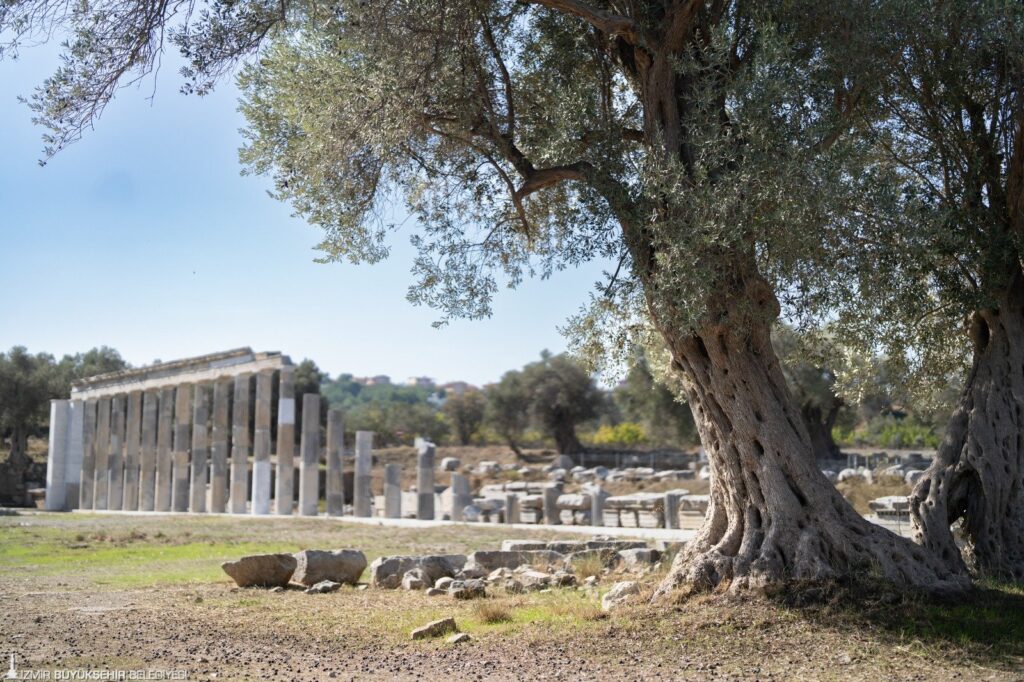
Ancient inscriptions from Teos in western Türkiye reveal a remarkable education system in which music teachers earned more than their colleagues, girls and boys attended lessons, and students took examinations in the city council building. Meanwhile, 13 inscriptions discovered during the 2026 excavations are adding new details to the city’s political history.
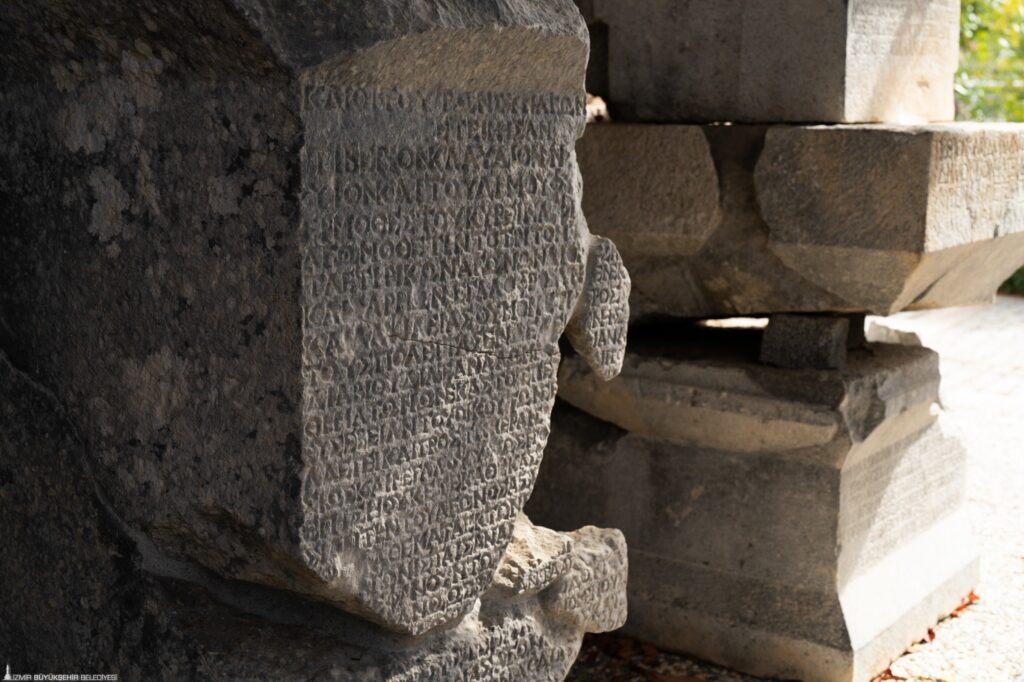
Some 2,200 years ago, music teachers in the ancient Greek city of Teos earned higher salaries than teachers of literature, reading, or physical education. An ancient inscription records annual payments of 700 drachmas for music instruction, compared with 500–600 drachmas for other academic teachers. The records also describe a remarkably organized education system, complete with examinations, administrative rules, and provisions for educating both girls and boys.
Archaeological work at Teos, near modern-day Seferihisar in İzmir Province, western Türkiye, continued in 2026 with the discovery of 13 new inscriptions. One of them mentions Parmenion, a prominent general who served under Alexander the Great.
A Wealthy Citizen Who Paid for Children’s Education
The ancient education system owed much to a wealthy citizen named Polythros, who established an educational foundation with a donation of 34,000 drachmas around 2,200 years ago. The foundation helped finance schooling for freeborn boys and girls, providing a rare documentary record of how a Greek city organized and funded education during the Hellenistic period.
Students studied reading, writing, grammar, literature, and music alongside physical education and military exercises. The curriculum reflected the importance of both intellectual and physical training in Greek civic life, although the inscriptions do not establish that every student received identical instruction.
The foundation also established clear responsibilities for teachers. According to excavation director Professor Musa Kadıoğlu of Ankara University, teachers participated in decisions about the subjects students would study, while an administrator over the age of 40 could intervene when disagreements arose among the teaching staff.
Why Music Teachers Earned More
Perhaps the most intriguing information concerns salaries. The archaeological project’s published account of the Polythros Gymnasium identifies an annual payment of 700 drachmas for a music teacher, while three teachers responsible for reading, writing, and literature received between 500 and 600 drachmas. Two athletic instructors each received 500 drachmas.
Kadıoğlu explained that the highest-paid instructors taught stringed instruments, indicating the importance the city’s educational foundation placed on musical training. Although the inscriptions document the salary differences, they do not explain why music instruction commanded the highest payment.
The students also faced formal examinations. Music and academic assessments took place in the bouleuterion, the city’s council building, while researchers believe examinations involving physical education and military training occurred in the gymnasium to the north.
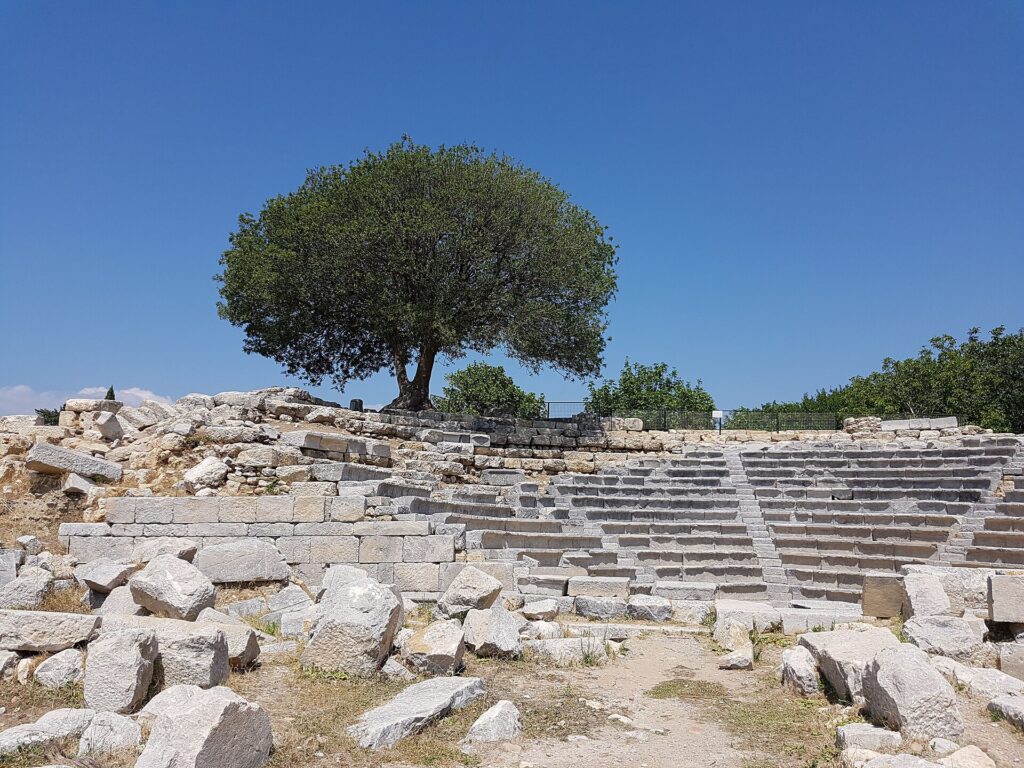
This arrangement gave the council building a role extending beyond politics. The structure, which could accommodate approximately 800 people in 17 rows of seating, hosted civic assemblies and educational activities, bringing different aspects of public life into the same architectural space.
Thirteen New Inscriptions Discovered in 2026
While the educational records have been known to researchers for years, the 2026 archaeological season has produced another significant collection of inscriptions at Teos.
Excavations around the Temple of Roma and Augustus revealed new monument bases and architectural blocks reused in the foundations of a stone-paved square. Archaeologists identified 13 inscriptions on these blocks, providing information about the city’s earlier political and social relationships.
One inscription mentions Parmenion, one of Alexander the Great’s leading military commanders. Other texts record decisions concerning judges invited from Miletus, Smyrna, and Mytilene to help resolve public legal disputes in Teos.
These records document a practice in which Greek cities turned to outsiders to settle certain disputes. The Teians also honored the visiting judges and the communities that sent them, offering evidence of diplomatic and legal cooperation between neighboring city-states.
The excavation team has identified additional monument bases around the temple, although the identities of the people once commemorated by their statues remain unknown.
A Council Building Returns to Public Life
The ongoing excavations are also transforming the appearance of the ancient city’s bouleuterion. When systematic archaeological work resumed in 2010, only a few rows of seats remained visible above the ground. Excavators have since exposed much of the structure and completed major restoration work.
The project operates under the Turkish Ministry of Culture and Tourism and Ankara University, with financial support from İzmir Metropolitan Municipality. Restoration work progressed substantially during 2026, allowing the ancient council building to accommodate cultural activities once again.
Teos was one of the twelve Ionian cities and developed into an important center of commerce and artistic activity, supported by its two harbors. It was also the birthplace of the lyric poet Anacreon and later became associated with a prominent organization of Dionysian performers.
