15 March 2026 The Future is the Product of the Past

Archaeologists may have uncovered a 13th-century castle in Shropshire

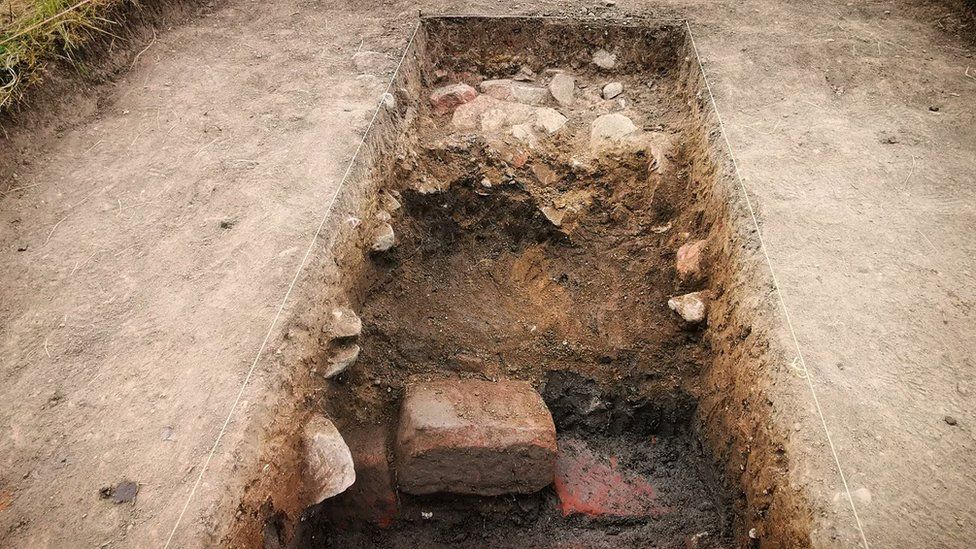
Archaeologists have been working on a mound of land in Wem, Shropshire, that belongs to Soulton Hall, Elizabethan mansion and they have uncovered the remains of a castle they think could date back to the 13th Century.

Although the hall was constructed in the 16th century, experts think the castle remnants date back to 1250. Dig Ventures site manager Nat Jackson described the discovery as “just amazing.”

“We’ve got a substantial wall and substantial blocks of wood dating to about the 13th to 15th century. It’s very, very, exciting,” he told BBC Radio Shropshire.
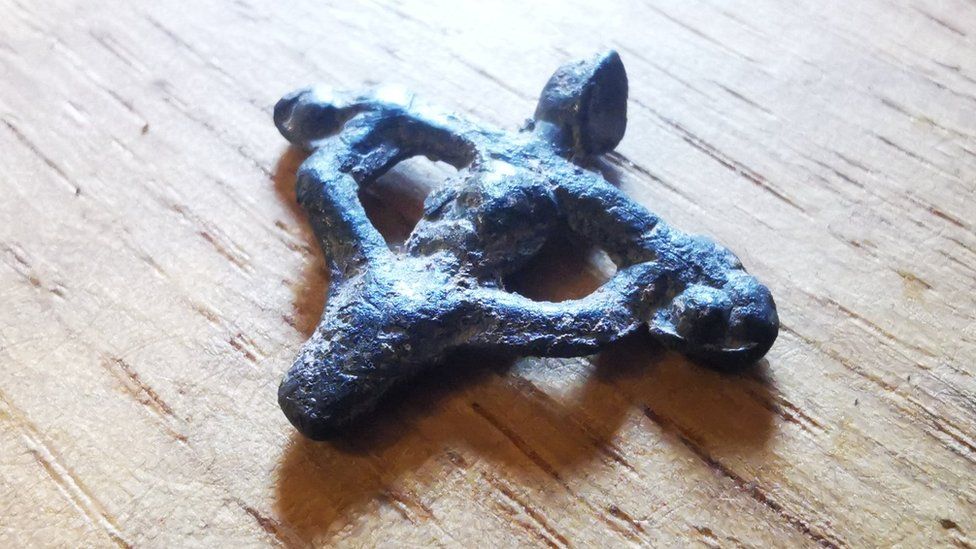
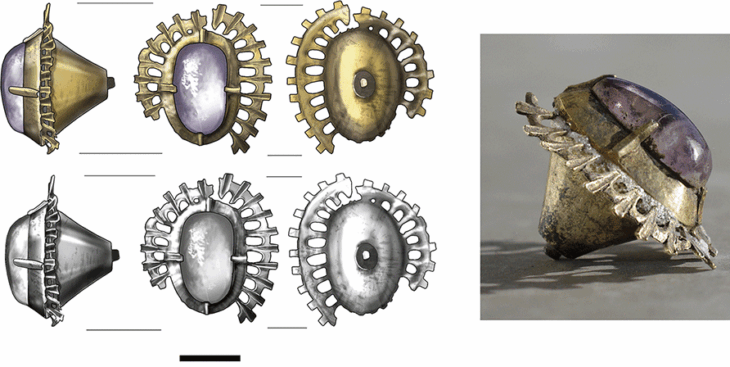
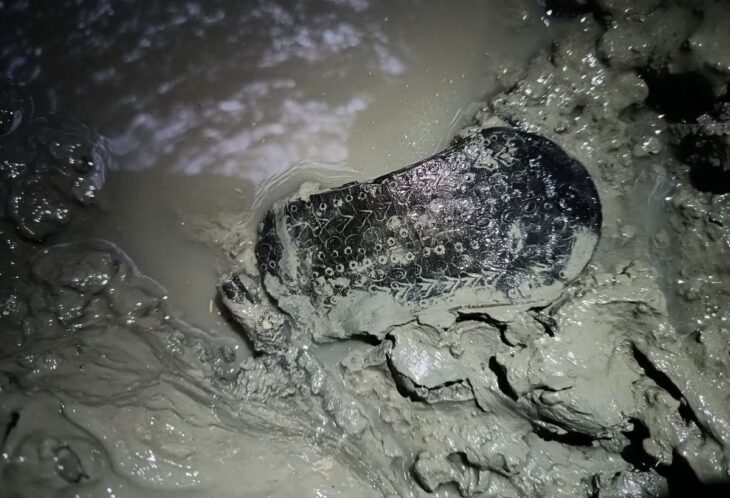
A pilgrims badge was among the medieval items found
A pilgrims badge was among the medieval items found. SOULTON HALL

A test dig on the previously undisturbed mound was conducted in 2019, but crews returned in July to continue excavation operations. The landowner, Tim Ashton, said his family has been curious about the lumps in the property for over 100 years.

“We’ve always had questions, my grandfather was born in the 1920s and always wondered what it was,” he said.


📣 Our WhatsApp channel is now LIVE! Stay up-to-date with the latest news and updates, just click here to follow us on WhatsApp and never miss a thing!!
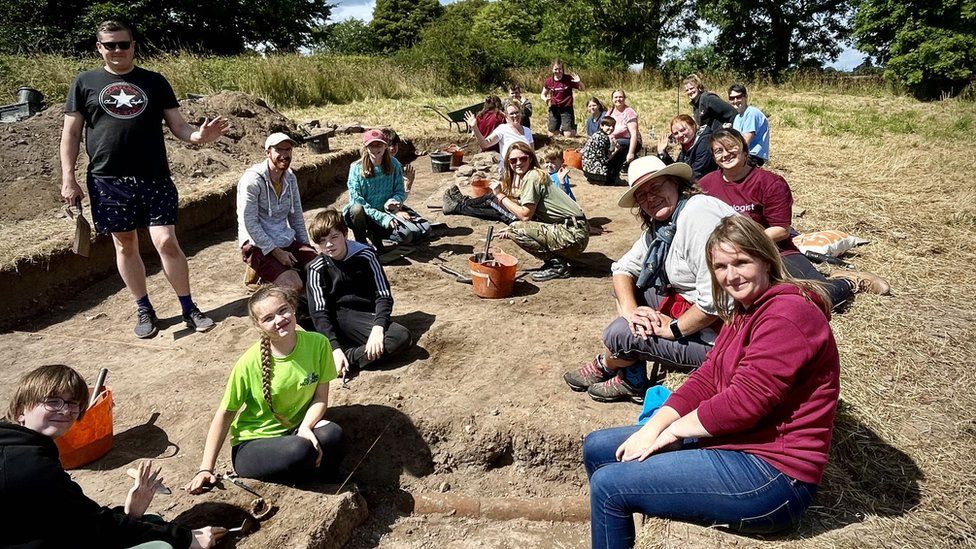


Students from Cardiff University have been helping out at the site
Students from Cardiff University have been helping out at the site DIG VENTURES

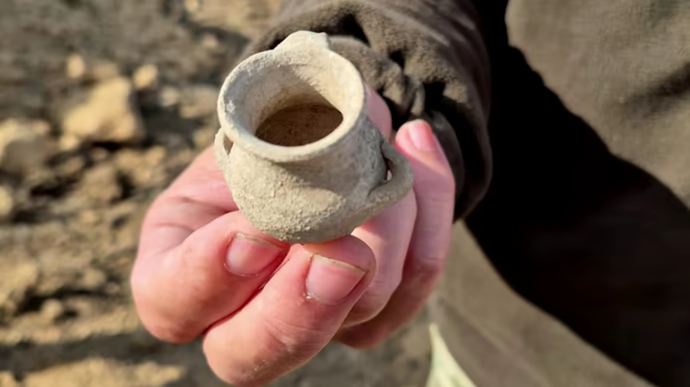
“The team is fairly comfortable in the time because of the objects we’ve been finding. The finds are all from that period, a pilgrims badge, ceramics, and ampulla which is a medieval way of carrying holy water and it was not made for a great deal of time.”

It’s likely that the castle was ‘quite a small one,’ Jackson said, adding it’s likely there was a moat around it after the team found evidence of a bridge. 

‘The moat bridge is colossal and we can be confident of the dating on that,’ Ashton added.   

Cardiff University students are also on the dig working. The bridge and moat have yet to be confirmed, as experts will investigate this next.

Related Articles

Archaeologists Unearth Rare Artifacts from the First Turkic Khaganate in the Altai Mountains

15 September 2025

15 September 2025

Archaeologists from Altai State University and their international colleagues have made a groundbreaking discovery in Russia’s Altai Republic, unearthing artifacts...

13.000 Ostraca Discovered in Upper Egypt

20 December 2021

20 December 2021

The Egyptian Ministry of Antiquities and Tourism announced that a German-Egyptian mission at the Al-Sheikh Hamad archaeological site in Tel...

Ancient helmets, temple ruins found at a dig in Velia southern Italy

1 February 2022

1 February 2022

A discovery that “sheds new light on the history of the mighty Greek colony” by Velia. Archaeologists in southern Italy...

Roman-era Pottery Workshop discovered in Alexandria

29 April 2022

29 April 2022

The Egyptian archaeological mission discovered a Roman-era pottery workshop at the site of Tibet Mutawah, west of Alexandria. The researchers...

Ukraine says Russian forces stole Scythian treasures from Melitopol Museum

11 May 2022

11 May 2022

Invading Russian troops have stolen items of ancient Scythian gold and other historical and cultural valuables that were stored in...

Ancient city “Germanicia” lost in 73 years

8 July 2021

8 July 2021

The presence of the ancient city of Germanicia, discovered during an illegal excavation in the southeast Turkish province of Kahramanmaraş...

New Study Reveals That the First English Settlers in North America Ate Dogs to Survive

28 May 2024

28 May 2024

The first English settlers to arrive in North America ate indigenous dogs to survive an extreme period of starvation, according...

A Medieval ‘Vampire’ Grave Found in Croatia

1 February 2025

1 February 2025

Research at the Rašaška (or Račeša) site, located in the eastern part of Croatia, revealed a grave with an unusual...

Roman Empire’s Emerald Mines May Have mined by Nomads as Early as the 4th Century

4 March 2022

4 March 2022

New research by archaeologists from the  Universitat Autònoma de Barcelona and the University of Warsaw suggests that Roman Empire emerald...

Archaeologists discover rare Caanite inscription on ancient ivory comb

12 November 2022

12 November 2022

Israeli archaeologists discovered a rare inscription on an ivory comb that sheds new light on the Canaanite language’s use some...

Remains of painkillers were found in 4500-year-old vessels during excavations at Küllüoba Höyük in Turkey

20 September 2022

20 September 2022

In the excavations of the Early Bronze Age Küllüoba Höyük (Kulluoba Mound) in Eskişehir, where the first urbanization structure of...

Analyses of a 2,900-year-old iron chisel from Portugal revealed surprisingly high-quality steel

22 September 2023

22 September 2023

Steel tools were believed to have only become widespread in Europe during the Roman Empire, but a recent study shows...

From Macedon to the Alps: Two of Switzerland’s Oldest Celtic Gold Coins Discovered in Arisdorf

18 December 2025

18 December 2025

Archaeologists in northwestern Switzerland have made a remarkable discovery: two rare Celtic gold coins dating back more than 2,200 years...

5500-year-old pentagon structure found in North China

13 November 2021

13 November 2021

Archaeologists discovered the remnants of a pentagonal structure going back 5,500 years in Taiyuan, Shanxi Province, north China. According to...

Archaeologists Find Bronze Inscription and Possible Archive in 6th-Century BCE Temple at Kleidi Samikon

10 March 2026

10 March 2026

Archaeologists conducting excavations at the ancient site of Kleidi Samikon in western Greece have uncovered a remarkable bronze inscription and...