
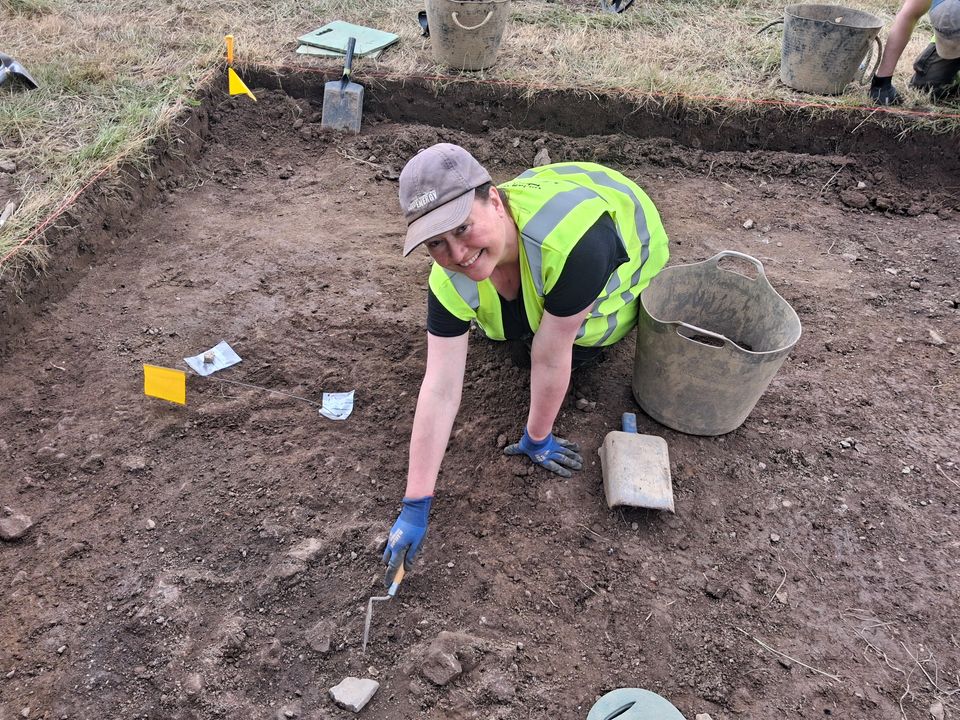
A new excavation beside the River Suir in southeast Ireland is drawing fresh attention to Woodstown, a Viking Age site that may prove to be the largest Viking settlement yet identified in the country.
The work, carried out by Irish and Norwegian archaeologists near Waterford City, is focused on a large structure detected through geophysical surveys. Researchers believe it may represent the remains of a longhouse or hall at the heart of a major Viking trading settlement, one that was probably established by Norse groups from what is now western Norway. The targeted excavation began on June 8, 2026, and is scheduled to continue until June 19.
A Viking settlement preserved beneath the fields of Waterford
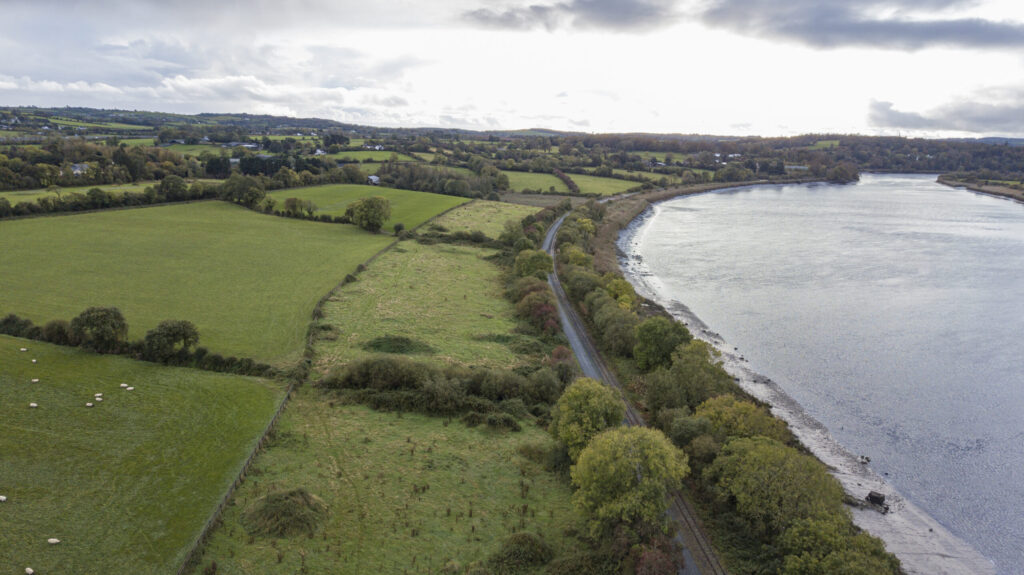
Woodstown lies on the south bank of the River Suir, west of Waterford City. The site first came to light in 2003 during archaeological investigations ahead of the planned N25 Waterford City Bypass. Its importance was quickly recognised, and the road route was altered to preserve the remains.
Unlike Dublin or Waterford, which grew from Viking and medieval centres into modern cities, Woodstown was never built over in the same way. That makes it unusually valuable. Beneath today’s fields, archaeologists can examine a Viking settlement that was not erased by later urban development.
Previous work has identified Woodstown as a longphort, a Viking ship-camp or fortified river settlement, dating broadly between AD 850 and 950. Only a small part of the site has been excavated, but earlier investigations revealed enclosing ditches, evidence of trade and craft activity, and a high-status Viking warrior burial with weapons.
The large structure at the centre of the site
The current excavation is investigating what may be the foundations of a substantial building at the centre of the Viking-period settlement. According to Waterford City & County Council, the feature was first identified through geophysical survey and is “of considerable size.” If confirmed, it may be the largest Viking structure so far identified in Ireland.
Professor Kristin Armstrong-Oma, museum director and professor of archaeology at the University of Stavanger’s Museum of Archaeology, said in the university’s press release that the remains appear to belong to “a very longhouse or large hall.” She added that the place was most likely established by Norse Vikings.
That distinction matters. A hall or longhouse would not simply be another domestic building. In Viking Age settlements, such structures could serve as centres of authority, trade, feasting, storage, craft production and political negotiation. If the Woodstown building proves to be as large as researchers suspect, it would strengthen the view that the site was not a temporary raiding camp, but a planned and organised settlement.
More than a raiding base
The evidence gathered so far suggests that Woodstown was involved in much more than seasonal raiding. Archaeologists have found weights used for measuring silver, along with crucibles, raw metal and slag. Together, these finds point to commerce, metalworking and controlled exchange.
Associate Professor Håkon Reiersen of the University of Stavanger’s Museum of Archaeology said the finds show that “both trade and metalworking took place here.” Such evidence places Woodstown within the wider Viking Age economy, where silver, weapons, metal goods, textiles, enslaved people, livestock and luxury items moved across the Irish Sea and beyond.
The location also fits that interpretation. A site on the River Suir could connect inland routes with maritime traffic, allowing ships to move people and goods between Ireland, Britain and Scandinavia. Woodstown’s position near Waterford was not accidental. It was placed where river movement, local resources and long-distance contact could meet.
A possible link to Rogaland in Norway
One of the more striking aspects of the University of Stavanger announcement is the possible link between Woodstown and Rogaland, the region of southwest Norway where Stavanger is located.
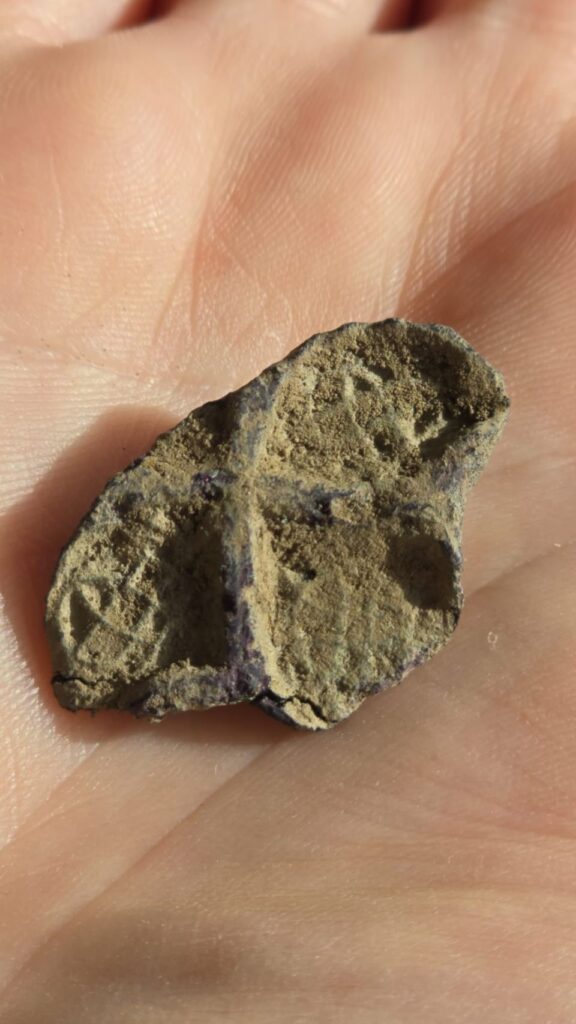
Researchers report the discovery of a metal fitting fragment from what may have been a cross, reliquary or manuscript cover, originally from a church or monastery. Armstrong-Oma noted that this kind of object is often found in Rogaland, where similar ecclesiastical metalwork appears in Viking Age contexts.
Objects of this type may have entered Viking hands through raiding, tribute or extortion. In Ireland, monasteries and churches were among the places targeted during Viking activity, not only because they held wealth but also because they were connected to literacy, landholding and political influence.
At Woodstown, such an object does not prove that every settler came from Rogaland. But it does give archaeologists a material clue linking the Irish site to western Norway. In that sense, Woodstown may have functioned as an intermediate point between Norway and Ireland during a period when Scandinavian communities were moving from raiding into settlement.
Norwegian soapstone in Ireland
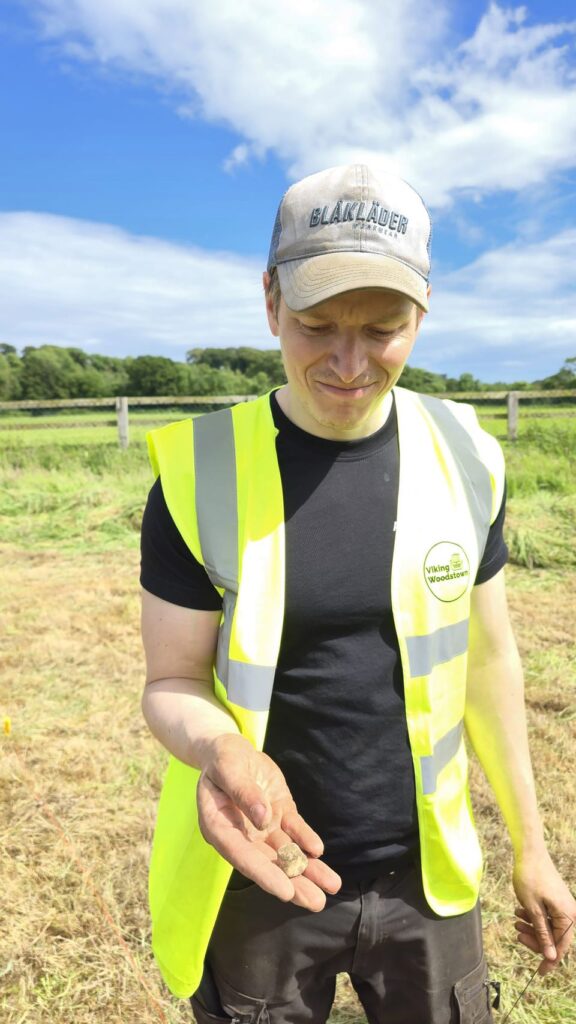
Another find strengthens the Scandinavian connection: fragments of a pot made from Norwegian soapstone. Soapstone vessels were widely used in Norway because the material is heat-resistant and workable. But in Ireland, the stone was unfamiliar to many local archaeologists on the excavation.
Reiersen described the find as especially unusual, noting that the vessel must have been transported from Norway to Ireland by Vikings. Such an object speaks to movement in a direct, practical way. It was not a symbolic import or an elite luxury alone. It was part of daily life, carried across the sea and used in a new settlement.
Woodstown and the wider Viking Age in Ireland
The Viking Age, generally dated from the late 8th to the mid-11th century, was not only a period of raids. It was also an age of settlement, maritime expansion and cultural mixing. From the mid-9th century, Scandinavian groups began to establish more permanent bases in the regions they had previously visited for seasonal raiding.
In Ireland, these bases contributed to the development of towns such as Dublin, Waterford, Wexford, Cork and Limerick. Dublin itself began as a Viking longphort before growing into one of the most important Hiberno-Scandinavian urban centres in the Irish Sea world. Woodstown appears to belong to that same broad process, but with one important difference: it did not become a later city.
Ancient DNA has also strengthened the historical picture of Norwegian involvement in Viking Age Ireland. A 2020 genetic study of Viking burials in Ireland found high levels of Norwegian-like ancestry in Irish Viking genomes, contrasting with stronger Danish influence in England.
A rare chance to study a Viking settlement before it became a city
Woodstown’s importance lies in what it still preserves. The site offers archaeologists a rare opportunity to study a Viking Age settlement that was not absorbed into a later urban street plan. Its ditches, structures, craft areas and artefacts can be examined as part of a wider landscape rather than through fragments beneath modern buildings.
For that reason, the current excavation may do more than confirm the size of a single building. It may clarify how Viking groups organised settlement in Ireland, how they traded, how they worked metal, how they interacted with local communities, and how closely some of them remained connected to Norway.
The cautious phrase remains important: archaeologists may have found Ireland’s largest Viking settlement. But even before full confirmation, Woodstown is already one of the most significant Viking Age sites known outside Scandinavia. Its buried remains are now beginning to show how a riverside settlement in Waterford became part of a much wider Norse world.
Cover Image Credit: Archaeologist Hilde Fyllingen points to fragments of a Norwegian soapstone vessel she has just uncovered. Håkon Reiersen, Museum of Archaeology, University of Stavanger
