Archaeologists excavating the remote Hyrcania site in the Judean Desert have uncovered a rare limestone mold used to produce small pilgrimage flasks more than 1,400 years ago — a discovery that sheds new light on the scale and symbolism of Christian pilgrimage during the Byzantine period. The find, reported by researchers from the Hebrew University of Jerusalem and first highlighted by The Times of Israel, points to a thriving local industry that supplied travelers with religious souvenirs from the Holy Land.
The artifact, a two-part mold for casting small vessels known as ampullae, is decorated with an ornate cross and bears a Greek inscription translated as “Lord’s blessing from the holy places.” These flasks were likely filled with oil, water, or earth associated with sacred sites and carried across the Mediterranean world by pilgrims seeking tangible reminders of their journey.
According to the excavation team, the mold dates to the 6th–7th centuries CE, a period when Christian communities and monastic centers flourished across the Judean Desert. Similar flasks have been discovered as far away as Northern Italy, attesting to the far-reaching networks of faith, travel, and trade that connected the region to the wider Byzantine Empire.
A window into Hyrcania’s layered past
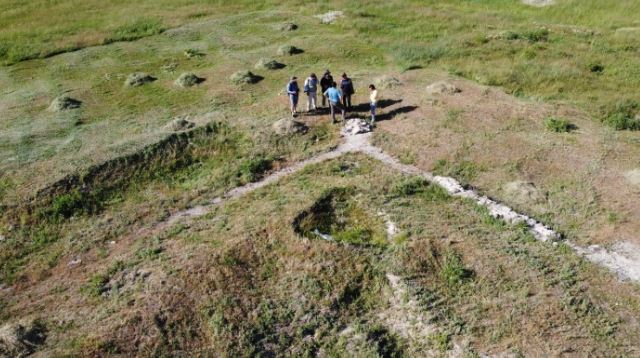
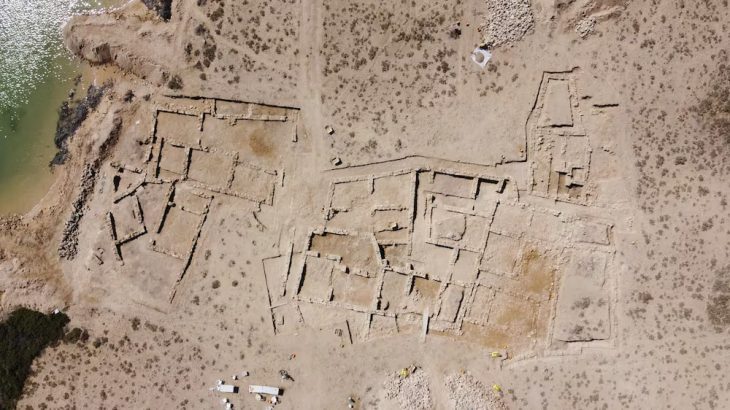
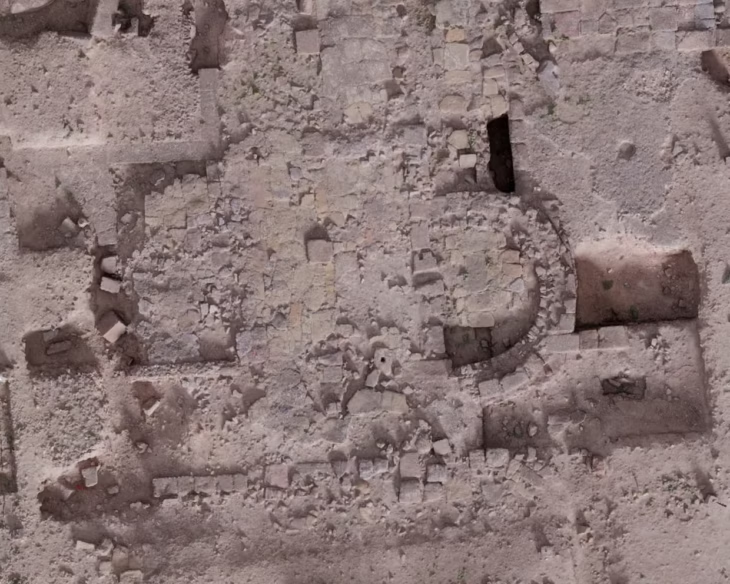
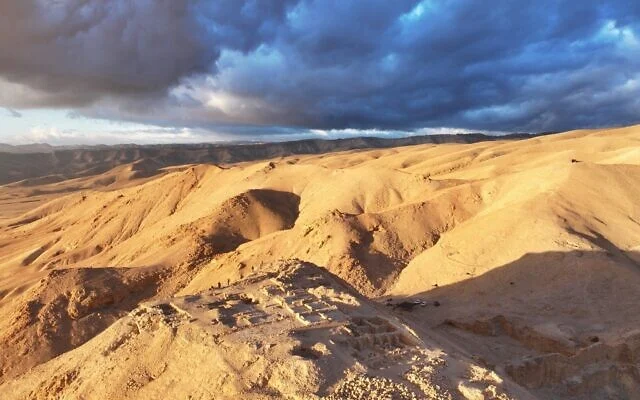
Hyrcania lies east of Jerusalem, overlooking the dramatic ravines and plateaus of the Judean Desert — a harsh yet historically rich landscape that served as a frontier zone between desert and settled land. The site was first founded as a fortress during the Hasmonean dynasty in the late 2nd to early 1st centuries BCE and later rebuilt by Herod the Great. After a period of abandonment, it was revived in the 5th century CE as a Christian monastery linked to the influential monastic leader Saint Sabas.
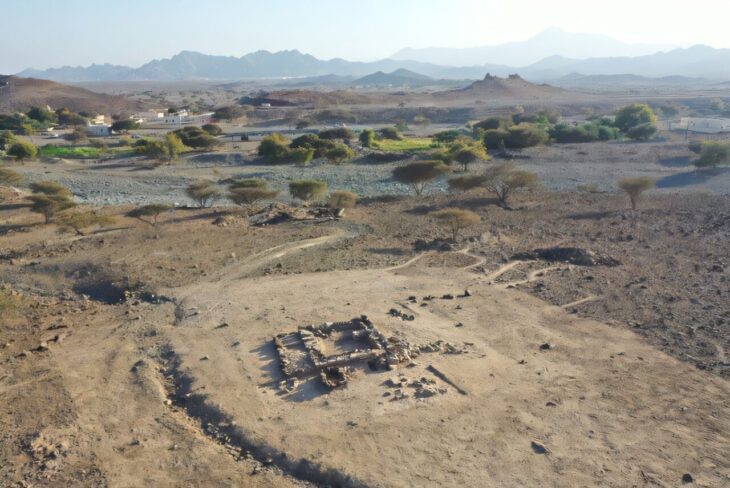
The desert setting played a defining role in the monastery’s identity. The Judean Desert was home to dozens of monastic communities whose isolation was seen as spiritually meaningful. Its cliffs, caves, and seasonal riverbeds offered both seclusion and natural defenses, while proximity to Jerusalem and the Dead Sea kept the area connected to regional trade and pilgrimage routes.
📣 Our WhatsApp channel is now LIVE! Stay up-to-date with the latest news and updates, just click here to follow us on WhatsApp and never miss a thing!!
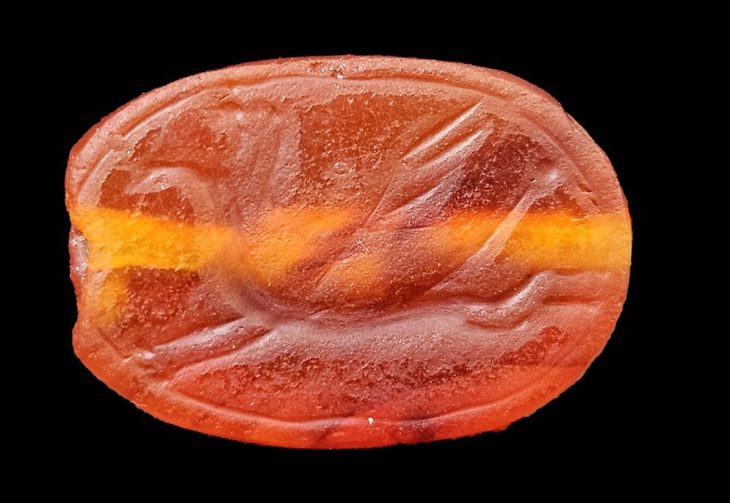
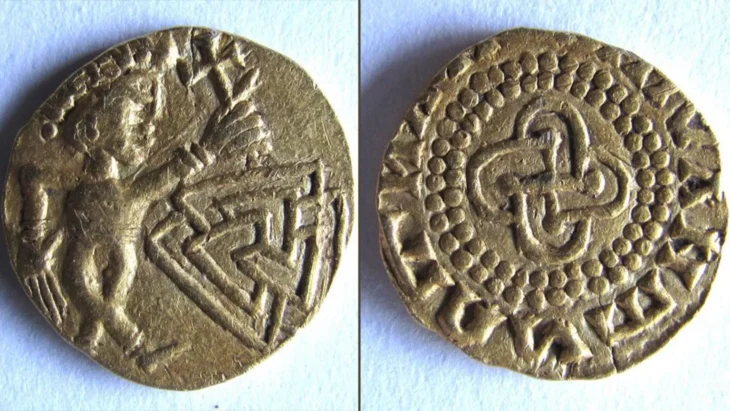
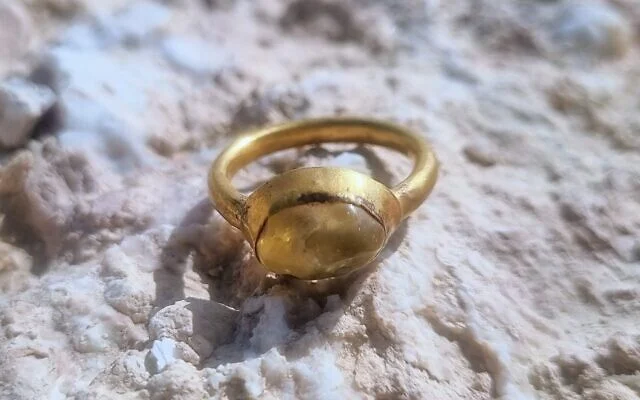
The archaeologists say the newly discovered mold was found alongside other significant artifacts, including gold coins, a gold ring, inscription fragments, and the lid of a stone reliquary. Together, these finds help reconstruct daily life within the monastery and illustrate how pilgrims interacted with local religious communities.
Evidence of a pilgrimage economy
Lead excavators Dr. Oren Gutfeld and Michal Haber describe the flask mold as direct evidence of a “flourishing Christian pilgrimage industry” operating in the region during the Byzantine era. Rather than being simple trinkets, the ampullae were devotional objects — portable blessings that travelers carried back to their hometowns.
The Judean Desert’s monasteries were not only spiritual centers but also nodes in a broader economic landscape. Pilgrims purchased food, lodging, manuscripts, and keepsakes as they moved between Jerusalem, Bethlehem, and desert monasteries such as Mar Saba and Hyrcania. The production of souvenir flasks suggests that craft workshops may have operated alongside the monastic community, either run by resident artisans or by visiting tradespeople.
The discovery also helps explain why similar flasks have been unearthed in Europe and the Near East. As pilgrims traveled home, they spread artistic motifs, inscriptions, and devotional practices that reflected the Holy Land’s sacred geography.
Protecting a vulnerable heritage site
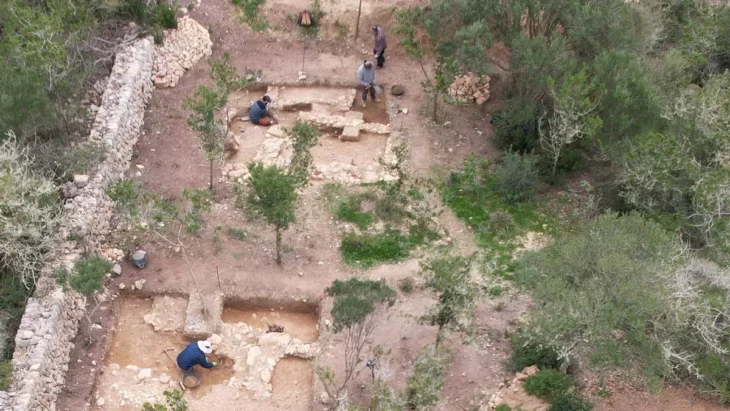
Excavations at Hyrcania are part of an ongoing effort to rescue and research the site after decades of looting and erosion. The project, carried out in cooperation with the Civil Administration’s Archaeology Unit, combines salvage archaeology with academic study to document fragile remains before they are lost.
Researchers emphasize that the finds are still undergoing conservation and analysis, but early results underscore the site’s importance for understanding both the Second Temple period and the Byzantine monastic world.
The Judean Desert’s enduring significance
Beyond its archaeological value, the Judean Desert remains a landscape of striking contrasts — a place where rugged mountains meet deep canyons and ancient trade and pilgrimage routes once threaded across the terrain. Today, the region draws hikers, scholars, and history enthusiasts who continue to explore its monasteries, fortresses, cave systems, and panoramic viewpoints over the Dead Sea.
The discovery of the souvenir mold at Hyrcania adds a new chapter to this long story, revealing how faith, craftsmanship, and travel intersected in one of the most spiritually influential regions of Late Antiquity. As the excavation season continues, researchers hope additional findings will deepen our understanding of the monastery’s community and its connections to the wider Byzantine world.
This report is based on research findings presented by the Hebrew University of Jerusalem and coverage originally reported by The Times of Israel.
Credit: Michal Haber / Institute of Archaeology, Hebrew University of Jerusalem