
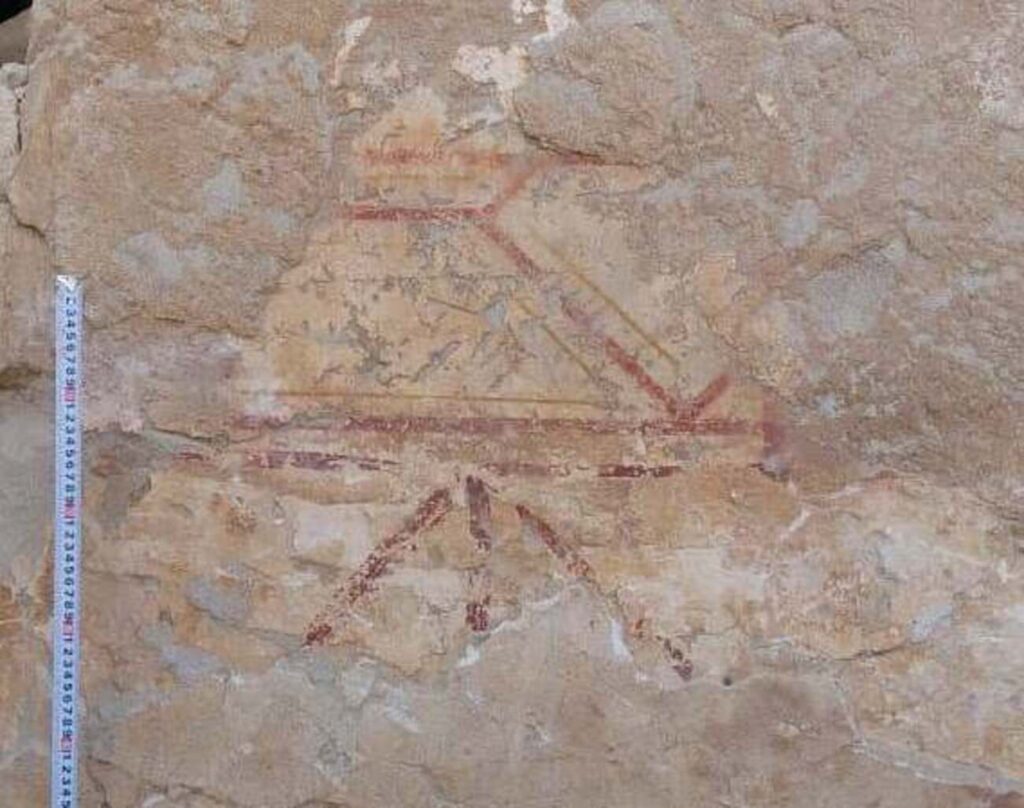
Archaeologists have uncovered an ancient building decorated with fresco paintings near Benghazi, Libya. The structure, believed to have originally stood two stories high, offers a promising discovery in a region rich in Greek and Roman heritage, where limited archaeological resources continue to restrict investigations.
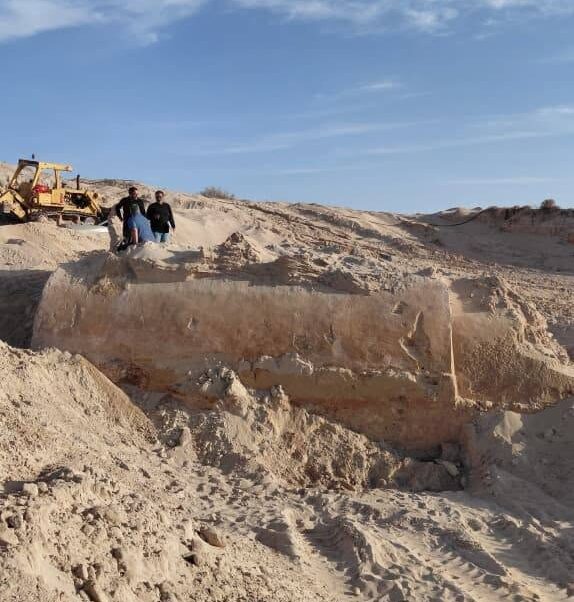
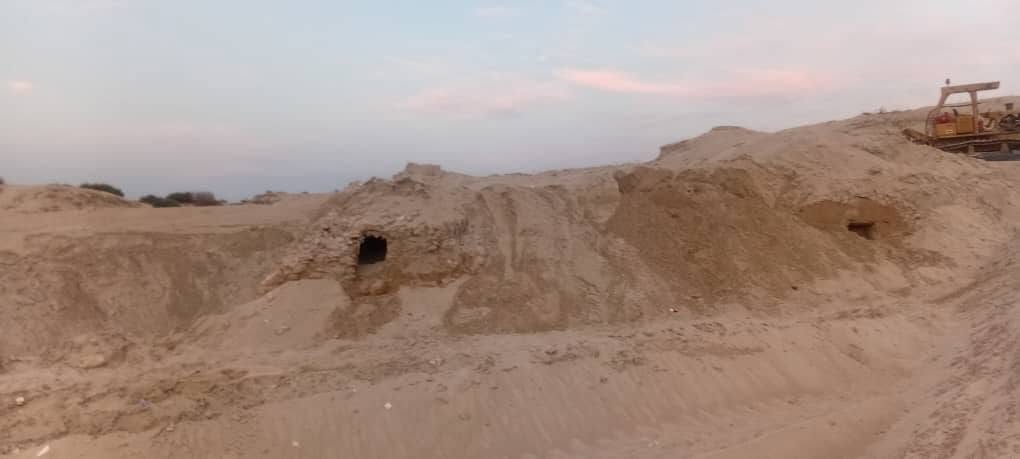
An ancient building with painted interior walls has been uncovered at Shatt al-Badin, near Benghazi in eastern Libya, during preliminary archaeological cleaning operations. The remains suggest a substantial structure that may once have had two floors, although its original purpose and construction date have yet to be established.
The discovery was announced by the Benghazi Antiquities Office after a team led by Hani al-Abdali, the local antiquities inspector, began removing accumulated soil and debris from the site. The initial work exposed architectural remains and sections of interior walls decorated with fresco paintings, revealing evidence of a building that requires more extensive archaeological investigation.
According to the Libyan News Agency (LANA), Sida al-Sarawi, director of archaeology at the Benghazi Antiquities Office, said the scale of the site and its architectural characteristics warrant a broader scientific investigation. A specialist team is expected to undertake further examinations to establish the building’s chronology, function, and architectural development.
Archaeological researcher Khaled Muammar al-Breiki described the discovery as an unusual example for the area, suggesting that it could create new opportunities for studying the region’s historical and archaeological heritage.
A Discovery in a Region Shaped by Greek and Roman Civilizations
The discovery comes from Cyrenaica, a historically important region of eastern Libya whose archaeological landscape reflects centuries of Greek, Roman, and later Byzantine influence.
Modern Benghazi occupies the area associated with the ancient settlements of Euesperides and Berenice. The wider region formed part of a network of Mediterranean cities whose development was shaped by maritime commerce, agricultural production, and successive political transformations.
To the east lies Cyrene, one of the most significant ancient Greek cities in North Africa, which later became part of the Roman world. Elsewhere in Libya, the archaeological sites of Leptis Magna and Sabratha preserve some of the country’s most impressive surviving examples of Roman urban architecture.
Wall paintings were an important element of architectural decoration across the Greek and Roman Mediterranean, appearing in domestic, religious, and public settings. However, the presence of frescoes at Shatt al-Badin does not, by itself, establish the building’s date or cultural attribution.
Further examination of the construction techniques, decorative materials, and archaeological deposits will be necessary before researchers can determine whether the structure belongs to one of these historical periods.
Limited Resources Complicate Archaeological Investigations
Despite Libya’s exceptional archaeological wealth, research and conservation efforts face persistent financial and logistical challenges.
Al-Abdali acknowledged that limited equipment and resources have prevented the team from expanding excavations and undertaking a comprehensive survey of the newly identified site.
These difficulties extend beyond Shatt al-Badin. Archaeological research in the wider Benghazi region has documented threats from urban expansion, land development, and insufficient monitoring. A recent study of the Lefakat area south of Benghazi identified 30 archaeological sites, primarily dating to the Roman period, highlighting both the region’s historical importance and the vulnerability of its surviving remains.
The Benghazi Antiquities Office also emphasized the cooperation of families using the land at Shatt al-Badin, whose assistance has allowed archaeological work to proceed and helped protect the exposed remains.
