2 December 2025 The Future is the Product of the Past

New Discoveries on the İsland of Skokholm

New discoveries dating back 9000 years have been found in Skokholm, located in the Celtic Sea two miles off the southwestern Pembrokeshire coast. Researchers think these discoveries will change the history of the island.

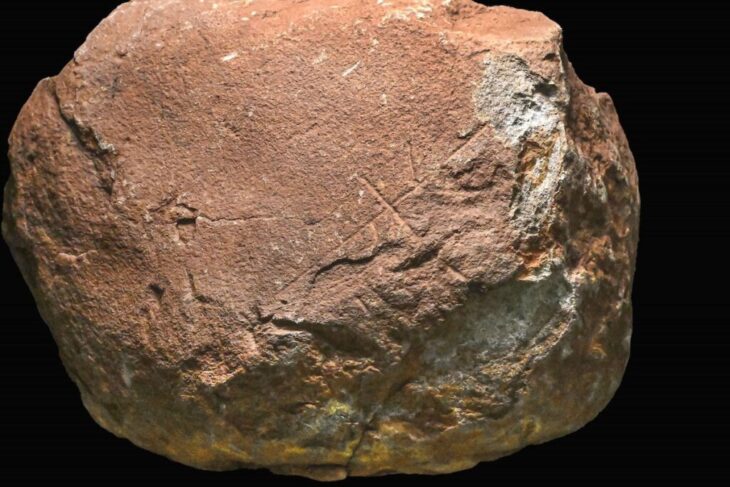
Wardens Richard Brown and Giselle Eagle, currently alone on the closed island, picked a smooth rectangular stone from a rabbit hole near the island hut earlier this month.

According to the news of Western Telegraph In, Dr. Andrew David, an expert on prehistoric stone tools, said:

“The photos were clearly of a late Mesolithic (Middle Stone Age) beveled pebble, a tool thought to have been used in tasks like the preparation of seal hides for making skin-clad watercraft, or for processing foods such as shellfish, among hunter-gatherer communities some 6,000-9,000 years ago.

“Although these types of tools are well known on coastal sites on mainland Pembrokeshire and Cornwall, as well as into Scotland and northern France, this is the first example from Skokholm, and the first firm evidence for Late Mesolithic occupation on the island.”


📣 Our WhatsApp channel is now LIVE! Stay up-to-date with the latest news and updates, just click here to follow us on WhatsApp and never miss a thing!!
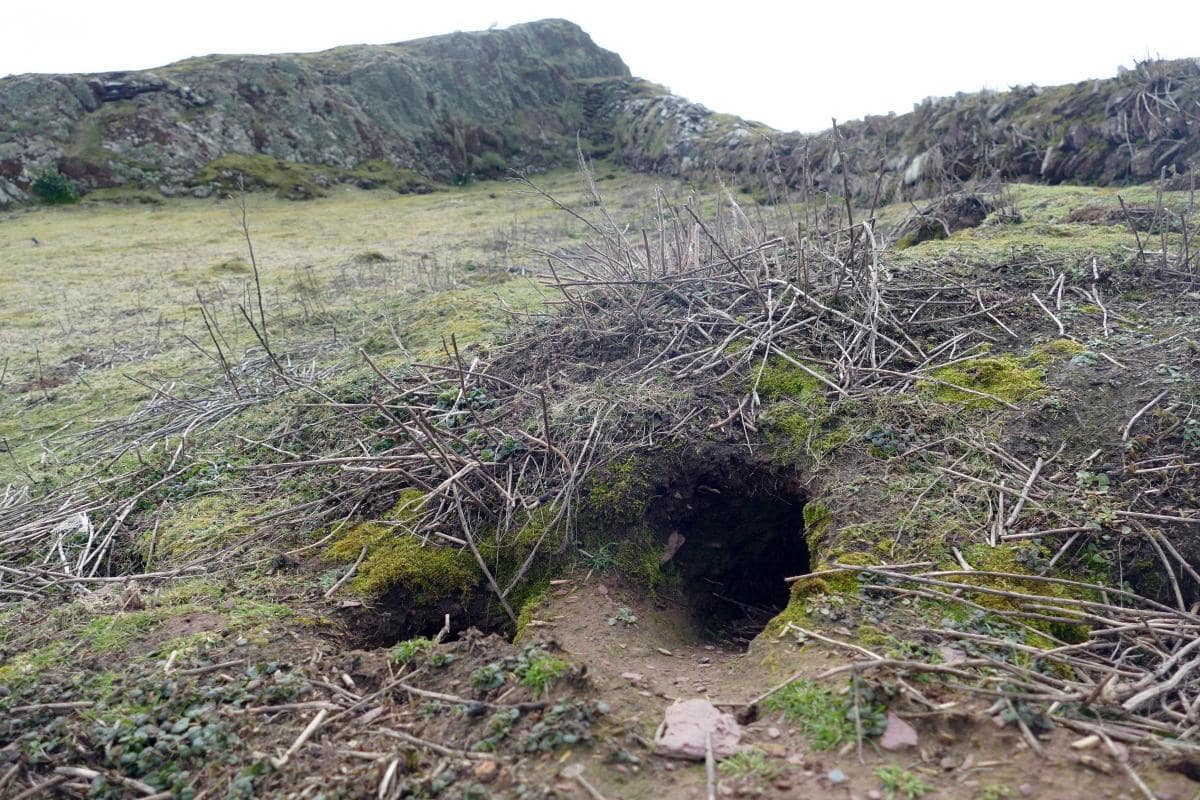


The rabbit hole where the bevelled pebble was found
The rabbit hole where the beveled pebble was found

He added: “To find an example on Skokholm is exciting.”

In addition to finding a second Mesolithic stone tool the next day, Richard and Giselle also noticed large pieces of coarse pottery being thrown out of the same rabbit hole.

Jody Deacon, curator of prehistoric archaeology at Amgueddfa Cymru – National Museum Wales, noted the fragment from a thick-walled pot with incised lines to likely be the rim of an Early Bronze Age vase urn, an item associated with cremation burials.

These pots, which are about 3750 years old, are unusual for West Wales. This type of pottery was first found on the island of Pembrokeshire.
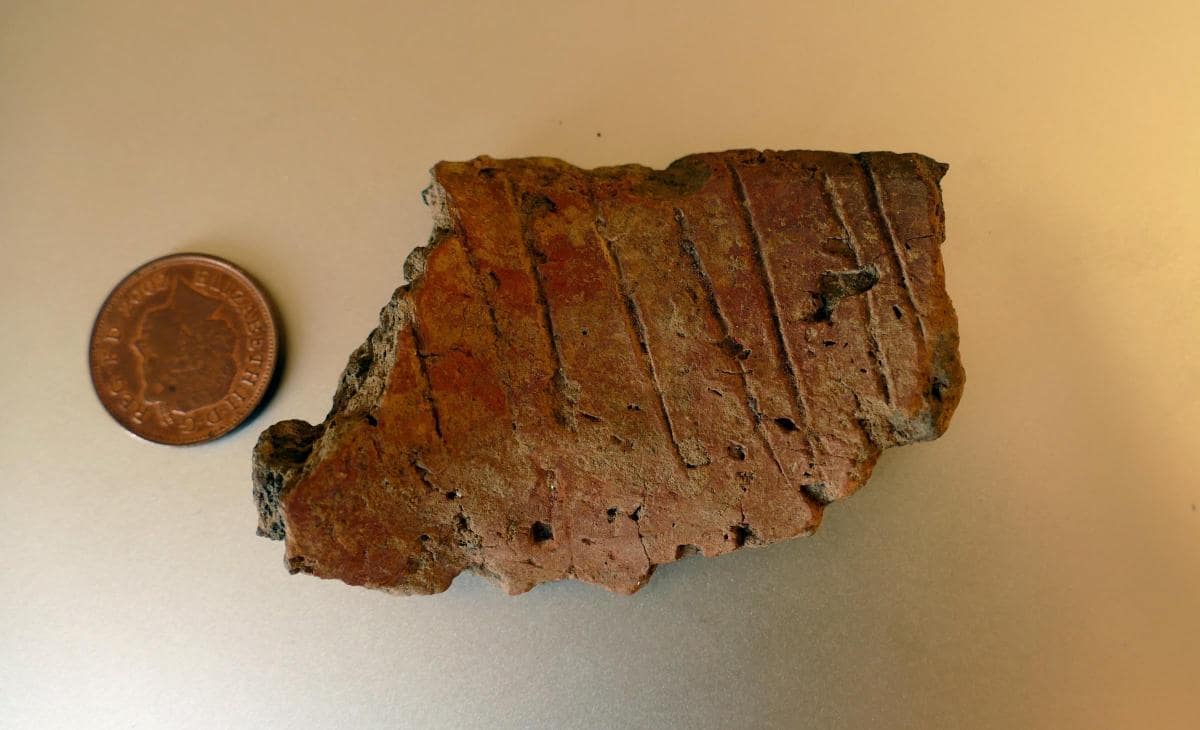
The discovered bevelled pebble

Dr. Toby Driver and Dr. Louise Barker of the Royal Commission of Wales conducted archaeological investigations on the nearby islands of Skomer, Grassholm, and Ramsey.

Experts have plans to visit Skokholm with other experts in late 2021.

Dr. Toby Driver said: “We know from past aerial surveys and airborne laser scanning by the Royal Commission that Skokholm has the remains of some prehistoric fields and settlements, though none has ever been excavated.
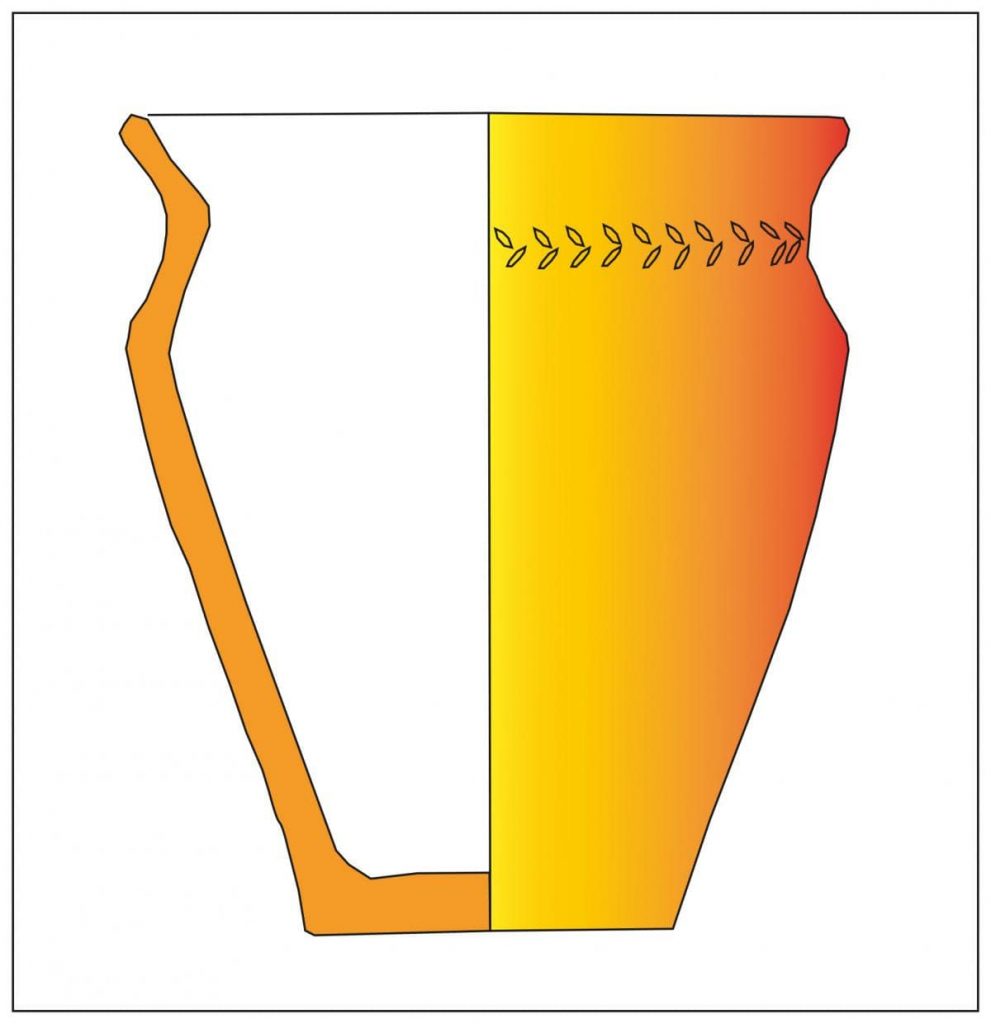
An example of the vase urn, a fragment of which was discovered on the island

“Now Skokholm is producing some amazing prehistoric finds. It seems we may have an Early Bronze burial mound built over a Middle Stone Age hunter-gatherer site, disturbed by rabbits. It’s a sheltered spot, where the island’s cottage now stands and has clearly been settled for millennia.

“Thanks to the sharp eyes of the wardens we have the first confirmed Mesolithic tools and first Bronze Age pottery from Skokholm. To date, we have nothing similar to the larger islands of Skomer or Ramsey.

“Despite lockdown, the Skokholm wardens have been able to share detailed photographs and videos of their daily finds with experts around Wales. It means we can all share in the excitement of these new discoveries.”

It seems that the island of Skokholm will continue to surprise us in the coming days. With its long, sandstone cliffs and wild scenery, Skokholm has its own charm, and this island can enchant people also with its history. We look forward to developments.

Source: Western Telegraph 

Related Articles

In southern Turkey, the remains of a Roman villa whose floor was decorated with geometrically patterned mosaics were unearthed during construction

13 July 2022

13 July 2022

Workers working to lay the foundation of a new building in the Defne district of Hatay, southern Turkey, by accident...

Traces of a 3,600-year-old settlement have been discovered in Qatar’s desert

8 February 2022

8 February 2022

Researchers looking for underground water sources on the Eastern Arabian Peninsula have accidentally uncovered the outlines of a settlement that...

A former Spanish disco-pub confirmed as lost medieval Synagogue

11 February 2023

11 February 2023

In the Andalucian city of Utrera, archaeologists have uncovered the remains of a 14th-century synagogue. The discovery, made public on...

A 1,000-year-old burial chariot dating back to the Liao Dynasty, founded by the nomadic Khitan discovered in Inner Mongolia

8 August 2024

8 August 2024

Archaeologists from the Institute of Cultural Relics and Archaeology of the Inner Mongolia Autonomous Region have discovered a hearse from...

Excavations at Meir Necropolis have turned up funerary artifacts from two distinct eras of ancient history

16 May 2023

16 May 2023

An Egyptian team of archaeologists has uncovered a collection of structural relics dated to the Byzantine and Late Period in...

Evidence of Necromancy during Roman era in the Te’omim Cave, Jerusalem Hills: Oil Lamps, Spearheads, and Skulls

14 July 2023

14 July 2023

Te’omim Cave in the Jerusalem Hills may once have served as a local oracle where people communed with the dead...

Archeologists unearth largest rare wooden “Haniwa” Statue in Japan

10 December 2022

10 December 2022

The remains of a 3.5-meter-tall wooden “haniwa” statue have been discovered at one of the “kofun” ancient burial mounds that...

9 Synagogues in Izmir to Reopen as Museum

26 March 2022

26 March 2022

As part of a Jewish heritage project in Izmir, Turkey, nine historic synagogues will be reopened as museums. Built by...

A unique find in the Middle Don: Scythian gods on a silver plate

19 November 2021

19 November 2021

Archaeologists of the Archaeological Institute of the Russian Academy of Sciences, during their excavations at the Devitsa V cemetery in...

Celtiberian Inscription Found at La Peña del Castro: One of the Earliest Examples of Alphabetic Writing in Northern Iberia

26 February 2025

26 February 2025

La Ercina, León, Spain – Archaeological research at the La Peña del Castro site has unveiled an important discovery that...

From Arnhem to Oldenburg: Nazi-Looted Artifacts Found in Oldenburg Museum Colection

30 August 2025

30 August 2025

A remarkable discovery at the Landesmuseum Natur und Mensch in Oldenburg has shed new light on the dark history of...

A ‘very rare’ clay figurine of god Mercury and a previously unknown Roman settlement were discovered at the excavation site in Kent

23 February 2024

23 February 2024

At a previously unknown Roman settlement that was formerly next to a busy port but is now 10 miles from...

Earliest Known East Anglian Gold Coin Found: A Fusion of Pagan and Christian Imagery

12 June 2025

12 June 2025

A rare gold coin dating back to the early Anglo-Saxon period has been discovered near Norwich, UK, by a metal...

Underwater Researchers Found Temples to Ancient Gods in Sunken City

20 September 2023

20 September 2023

Two temples belonging to the Egyptian god Amun and the Greek goddess Aphrodite were found in the sunken city off...

British archaeologists unearth the 1200-year-old man-made island

13 February 2022

13 February 2022

A team holding excavations and archaeological surveys on the historic Al Sayah Island in Muharraq, Bahrain found that it’s ‘man-made’,...