
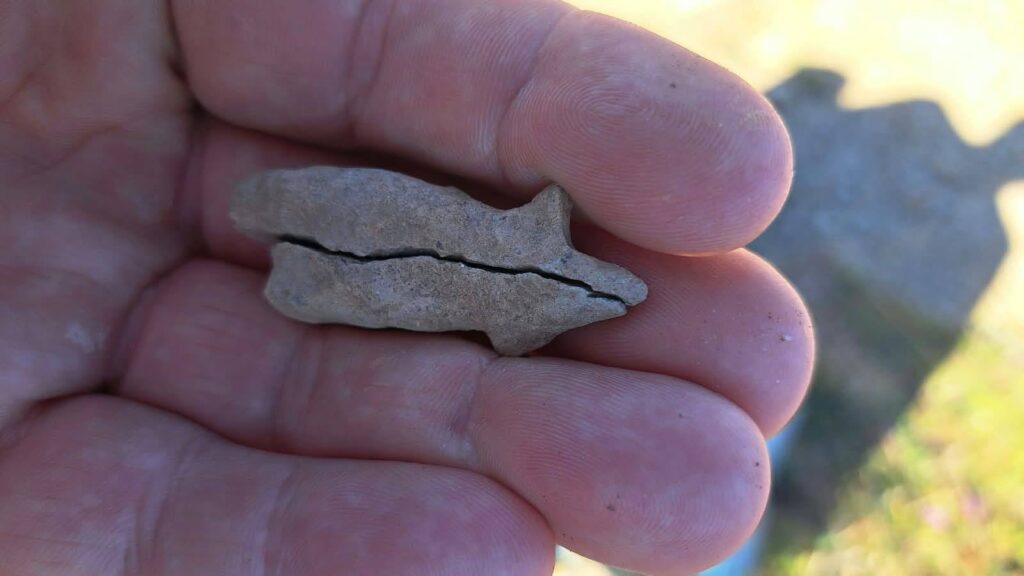
Archaeologists in Romania discovered a 6,500-year-old female figurine at Dâmbul Cetății—a prehistoric settlement in Transylvania—on the very first day of the 2026 excavation season. This small terracotta figurine belongs to the Cucuteni culture, which is renowned for its artistically painted ceramics, intricate spiral patterns, and characteristic female figurines. These female figurines rank among the most remarkable artifacts of prehistoric Europe.
The National Museum of the Eastern Carpathians (MNCR) announced the find on October 7, classifying the artifact as a female figürine from the Chalcolithic (Copper Age), dating to approximately 4500–4050 BC. Despite its small size, the figurine complements the collection of extraordinary prehistoric female depictions previously unearthed at the same site.
A Small Figurine of Remarkable Craftsmanship
According to the museum, the ancient artisan shaped the figurine from two pieces of clay joined together before firing. Over the intervening millennia, environmental factors caused the object to crack at this original seam, thereby revealing a significant detail about the manufacturing process.
The museum has not yet released the figurine’s exact dimensions or any interpretation regarding its specific purpose to the public. Nevertheless, this discovery serves as a new example of the advanced clay-working techniques practiced by Cucuteni culture communities. These communities produced stylized depictions of humans and animals alongside artistically decorated vessels.
The new find comes from Dâmbul Cetății, near the village of Șoimeni in Romania’s Harghita County. The settlement is situated on a natural rock outcrop in the Eastern Carpathians, occupying a commanding position in an area that linked prehistoric communities across the mountains.
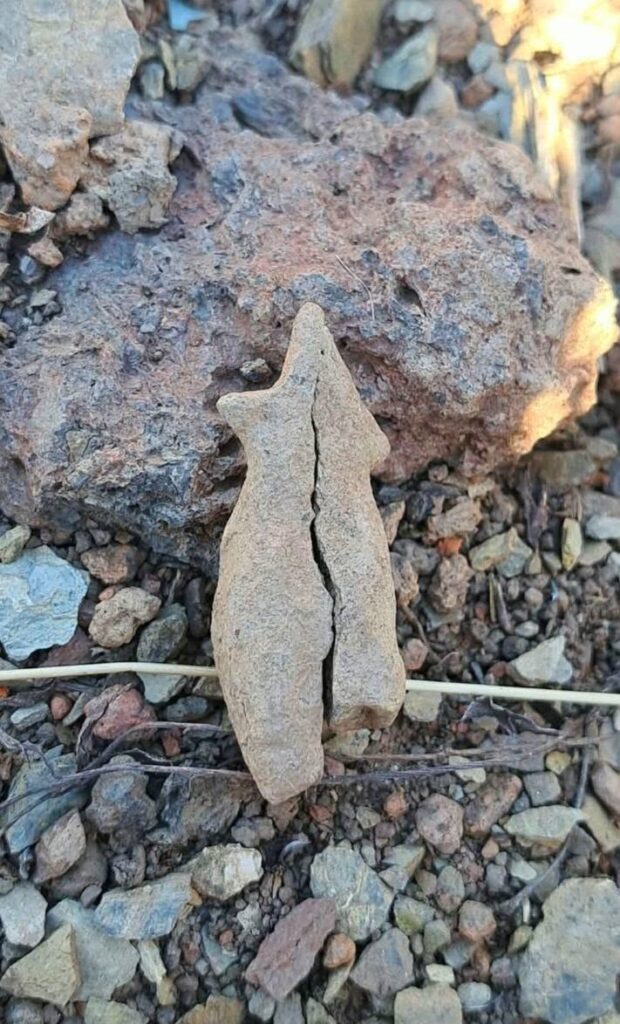
A settlement where large female figurines had previously been unearthed
The most recently discovered artifact is of particular interest, as archaeologists had previously unearthed unusually large female figurines at the same site. Some of these exceeded 25 centimeters in height, representing exceptional examples of the figurative art of the Cucuteni-Ariușd culture.
A 2015 study by archaeologists Dan-Lucian Buzea and Adela Kovács examined these remarkable objects, including fragments recovered from the floors and debris of ancient dwellings. Scientific imaging revealed that some of the larger figures were formed by joining separate masses of clay before firing.
Various figurines were found in groups within buildings destroyed by fire. The archaeological context of these artifacts raises questions about whether specific structures served ceremonial purposes or if the objects were part of rituals associated with the destruction or abandonment of the buildings.
The museum has highlighted the potential connection between these artifacts and beliefs regarding female goddesses and fertility. However, the precise meaning of these figures remains unclear, and archaeologists cannot automatically interpret every depiction of a woman as a goddess.
The interior of a prehistoric Cucuteni house
Excavations at Dâmbul Cetății have unearthed far more than just figurines. By discovering houses, hearths, pottery kilns, painted ceramics, stone tools, jewelry, and objects associated with ritual practices, archaeologists have revealed an unusually detailed picture of prehistoric life.
A reconstructed Cucuteni settlement featured clay-plastered wooden walls, a rectangular layout, and a thatched roof. In such homes, residents used hearths for cooking and heating, while grinding stones, ceramic vessels, and tools reflected the daily lives of these farming communities.
Spanning a vast area, the Cucuteni-Ariușd-Trypillia cultural complex flourished in regions that now lie within the borders of Romania, Moldova, and Ukraine. The communities there engaged in agriculture and animal husbandry; worked with stone, bone, and copper; and developed a sophisticated pottery tradition distinguished by painted geometric patterns.
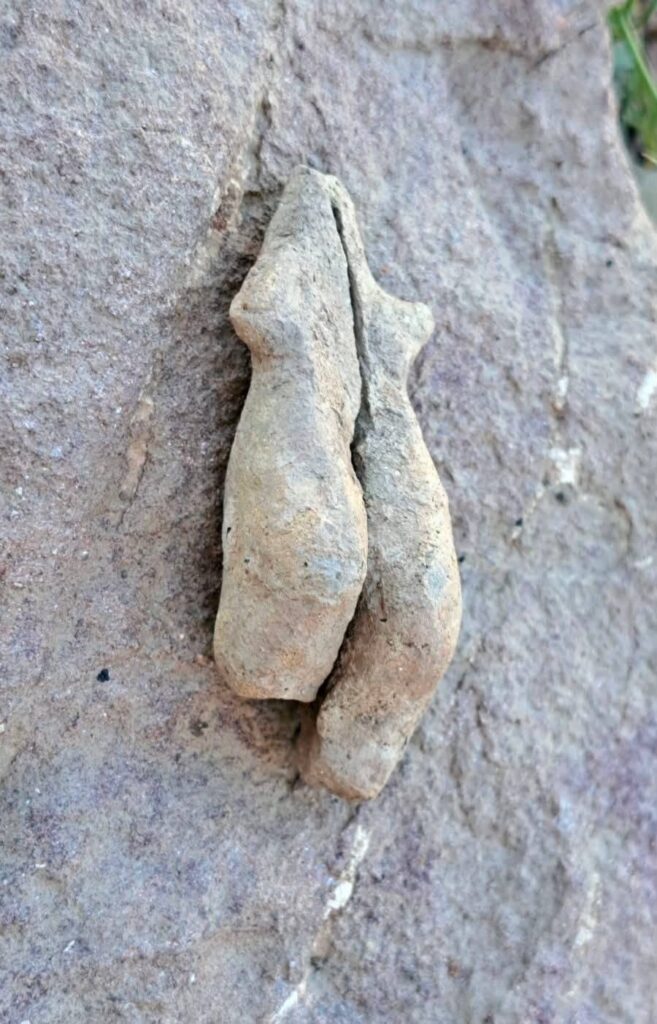
Discoveries spanning decades in the same region
Although systematic research began much later, the Dâmbul Cetății site has been known to archaeologists since the late 19th century. The National Museum of the Eastern Carpathians resumed research in 1999 and identified successive settlement phases associated with the Cucuteni-Ariușd, Bodrogkeresztúr, Coțofeni, Costișa, and Wietenberg cultures.
The settlement’s strategic location between Transylvania and Moldavia also contributes to its significance. Various prehistoric occupation layers unearthed during previous excavations enable researchers to examine changes in architecture, material culture, and daily life practices over extended periods.
