19 January 2026 The Future is the Product of the Past

5,000-Year-Old Skull from İkiztepe Reveals Early Cranial Surgery in Anatolia

A remarkable archaeological discovery in northern Türkiye is rewriting the history of prehistoric medicine. A human skull, dating back nearly 5,000 years, has been found at İkiztepe Höyüğü (İkiztepe mound), and experts say it bears evidence of one of the earliest known cranial surgeries in Anatolia.

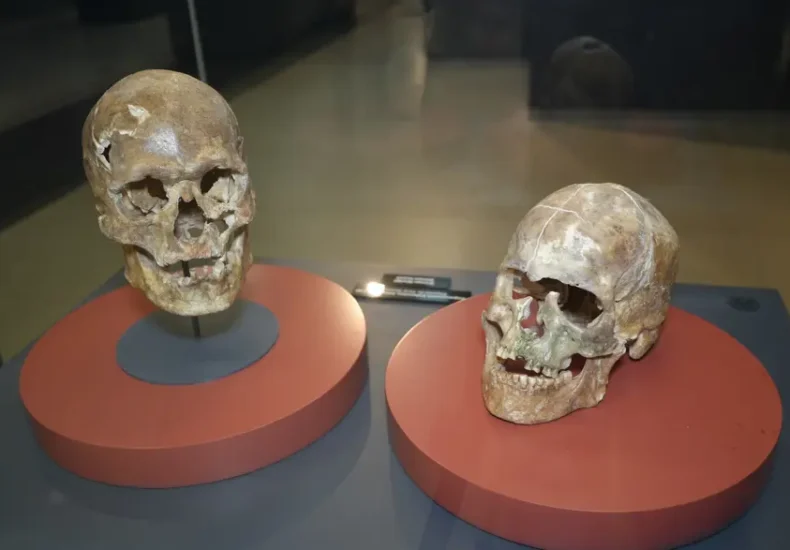
The skull, now displayed at the Samsun Museum, shows signs of intentional surgical intervention, suggesting that early Anatolian communities may have practiced advanced medical procedures long before formal medicine emerged in the ancient world.

Evidence of Survival After Surgery

What makes this discovery especially significant is the clear evidence that the individual survived the operation for some time. The healed edges around the surgical incision indicate that the body had time to recover, which implies knowledge of post-operative care and infection control.

Such findings challenge traditional assumptions about prehistoric healthcare and indicate that early Anatolian societies may have developed medical practices based on experience and observation.

İkiztepe Höyüğü: A Key Prehistoric Site

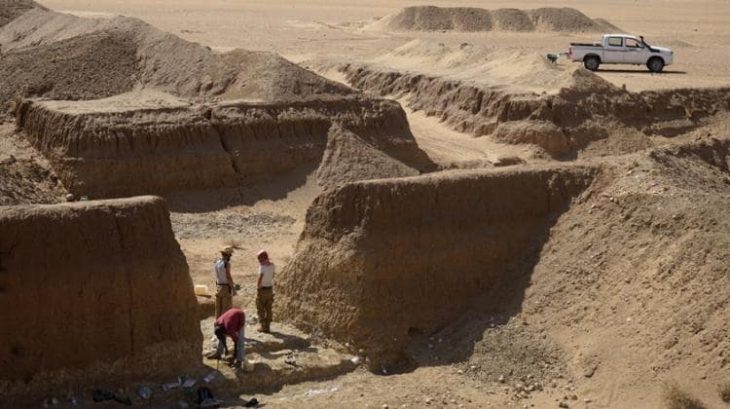
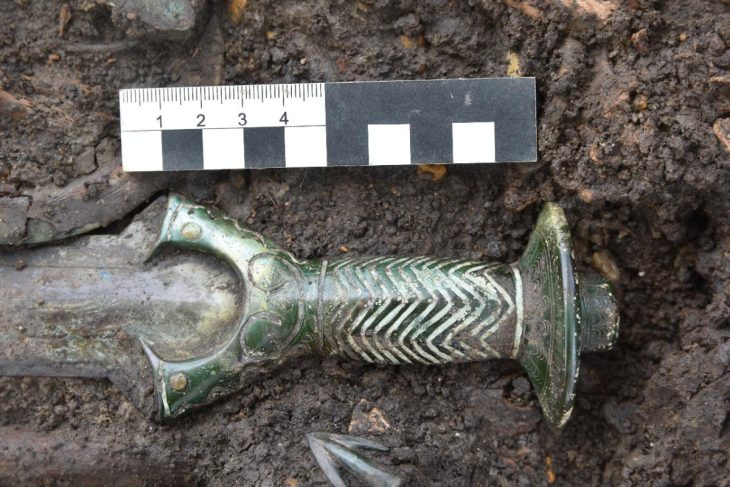
İkiztepe Höyüğü is one of the most important archaeological sites in the Central Black Sea region, revealing extensive burial practices and prehistoric settlement life. Excavations have uncovered a variety of burial goods, including spearheads and personal objects placed with the dead—suggesting social hierarchies and symbolic funerary rituals.


📣 Our WhatsApp channel is now LIVE! Stay up-to-date with the latest news and updates, just click here to follow us on WhatsApp and never miss a thing!!


Located near the modern city of Samsun, İkiztepe has been known for its deep cultural layers, dating back to the Chalcolithic period and continuing into the Bronze Age. The site has produced important evidence of early settlement patterns, trade, and cultural development in northern Anatolia.
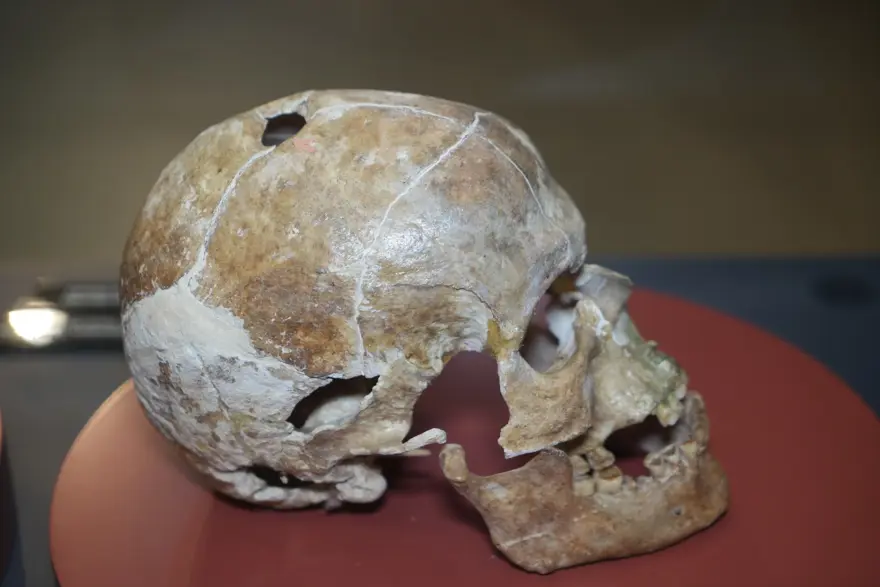
What makes this discovery especially significant is the clear evidence that the individual survived the operation for some time. Credit: İHA

Aşıklı Höyük and Çatalhöyük: Similar Medical Evidence

The İkiztepe discovery is not an isolated case. Archaeologists have found similar surgical evidence at other ancient Anatolian sites, including Aşıklı Höyük and Çatalhöyük, which are among the oldest known settlements in the region.

At Aşıklı Höyük, located in Central Anatolia, researchers have documented early signs of skull modifications and possible therapeutic interventions, suggesting that prehistoric communities may have practiced primitive forms of surgery.

Likewise, Çatalhöyük, one of the world’s most famous Neolithic sites, has yielded skeletal remains with signs of cranial manipulation, indicating that prehistoric Anatolians may have developed early medical knowledge through trial, observation, and cultural practices.

These discoveries together indicate that Anatolia was likely a center for early medical experimentation, and that prehistoric societies may have shared knowledge across regions through migration and trade.

The Importance of the Samsun Museum Collection

The skull is now housed in the Samsun Museum, alongside other notable artifacts that highlight the region’s long and diverse history. Among the museum’s most prominent exhibits are the Amisos Treasures, a collection of gold objects dating from the 7th to 5th centuries BC, showcasing the advanced craftsmanship and artistic sophistication of ancient Anatolian societies.

The museum also displays the Amisos Mosaic, a rare sand-based mosaic depicting the personification of the four seasons. This piece is considered one of the few surviving examples of its kind in Turkey and reflects the region’s rich artistic traditions.
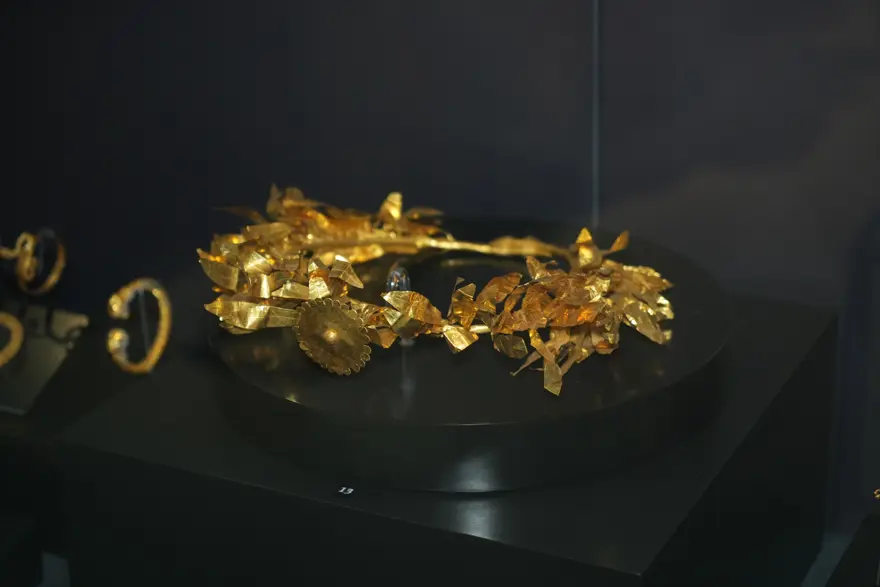
A finely crafted gold wreath from the Amisos Treasures, illustrating the advanced goldsmithing skills and elite funerary traditions of northern Anatolia during the Hellenistic period. On display at the Samsun Museum. Credit: IHA

A New Perspective on Prehistoric Anatolia

The discovery at İkiztepe adds a new dimension to our understanding of prehistoric Anatolia. It suggests that early human societies in the region were not only capable of complex social organization and artistry but also possessed advanced medical knowledge.

Experts believe that these findings could reshape the narrative of early medicine, highlighting Anatolia as a critical center for innovation in healthcare long before the rise of classical civilizations.

As visitors explore the Samsun Museum, they are reminded of the deep history that lies beneath the Black Sea region—where prehistoric surgery, elite craftsmanship, and ancient art combine to tell a story that spans thousands of years.

Cover Image Credit: İHA
Related Articles

Unexpected finds under the Tel Aviv Suburban

21 August 2021

21 August 2021

In preparation for a planned residential building project in suburban Tel Aviv, archaeologists from the Israel Antiquities Authority have begun...

Evidence of textile manufacture dating back millennia was found in an area famous for the Witney Blanket

12 June 2023

12 June 2023

Archaeological excavations at the site of Oxfordshire County Council’s project to build the A40 Science Transit Park and Ride at...

Archaeologists Uncover Early Bronze Age Ceremonial Complex in Murayghat, Jordan

4 August 2025

4 August 2025

Archaeologists have uncovered striking evidence of an ancient ceremonial complex in Murayghat, Jordan, that could rewrite what we know about...

The Historian Says That the Saint Petrus Cave Church in Antakya is Not the First

24 February 2021

24 February 2021

According to a news from Trt World, A historian who was in the news recently for claiming a church in...

An archaeological dig at Govan Old Churchyard revealed a remarkable new find: an early medieval ‘Govan Warrior’ stone

19 September 2023

19 September 2023

An archaeological excavation in the churchyard at Govan Old Parish Church in Glasgow, a port city on the River Clyde...

A 3,400-year-old Pyramid from the Scythian-Saka period found in Karaganda region of Kazakhstan

2 November 2023

2 November 2023

A pyramid belonging to the Scythian-Saka period was found in the Karaganda region of Kazakhstan. Experts announced that the Karajartas...

Archaeologists Unearth Rare Artifacts from the First Turkic Khaganate in the Altai Mountains

15 September 2025

15 September 2025

Archaeologists from Altai State University and their international colleagues have made a groundbreaking discovery in Russia’s Altai Republic, unearthing artifacts...

Columns in Lagina Hecate Sanctuary Rise Again

19 February 2021

19 February 2021

Lagina Hecate Sanctuary is located in Yatağan district of Muğla. It is an important sacred area belonging to the Carians...

Spectacular Marble Portrait and Untouched Grave Found at Bulgaria’s Heraclea Sintica

5 July 2025

5 July 2025

Ongoing rescue excavations at the ancient Roman site of Heraclea Sintica in southwestern Bulgaria continue to deliver extraordinary finds, with...

Farmer Found Sarcophagus of Hellenistic Period in his Field

9 April 2021

9 April 2021

The citizen named E. G. in Akçakoca, Taşkuyucak District of Gölmarmara district of Manisa (Turkey), while plowing his field, thought...

200,000-year-old hand axe discovered in the northern part of Saudi Arabia

5 November 2023

5 November 2023

The Royal Commission for AlUla (RCU) of Saudi Arabia has announced that archeological excavation teams at the Qurh site in...

An ancient melon genome from Libya reveals interesting insights regarding watermelon relatives

2 August 2022

2 August 2022

The earliest known seeds from a watermelon related were discovered during an archaeological dig in Libya, going back 6,000 years...

Hebrew University Archaeologists have Unveiled 7,000-year-old Seal İmpressions

10 June 2021

10 June 2021

Israeli archaeologists unveiled a 7,000-year-old clay seal impression used for commerce and protection of property, the Hebrew University of Jerusalem...

An artificial intelligence “Ithaca” that will improve our understanding of ancient history

11 March 2022

11 March 2022

A deep neural network trained to restore ancient Greek texts can do so with 72% accuracy when used by historians,...

The Stonehenge road tunnel is illegal, according to the High Court

23 June 2021

23 June 2021

The transport secretary’s decision to allow a road tunnel to be built near Stonehenge was unlawful, according to the high...

Comments
Leave a Reply

Your email address will not be published. Required fields are marked *