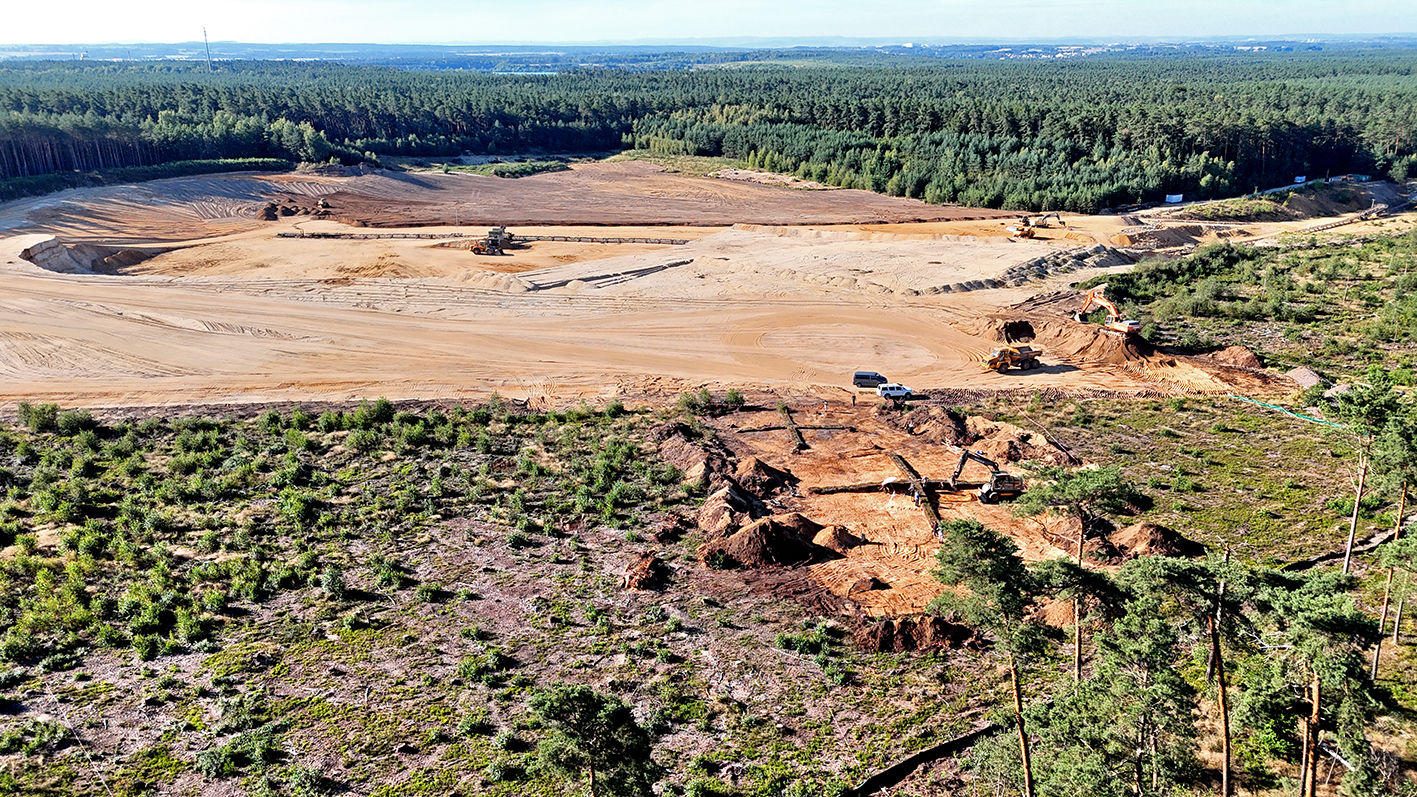
A major archaeological discovery in eastern Germany is shedding new light on prehistoric burial practices and early European societies. Excavations in the Laußnitzer Heide, near Ottendorf-Okrilla in Saxony, have uncovered a remarkably well-preserved burial site dating back around 4,500 years to the Late Neolithic period.
The excavation, conducted ahead of gravel extraction activities at a local quarry, revealed ten burial mounds associated with the Corded Ware culture. This culture, which flourished between approximately 2750 and 2200 BCE, stretched across a vast region from present-day Ukraine to Switzerland and the Rhine area. The newly discovered site is now considered the second-largest burial ground of its kind east of the Elbe River in Saxony.
Archaeological Excavation Ahead of Industrial Development
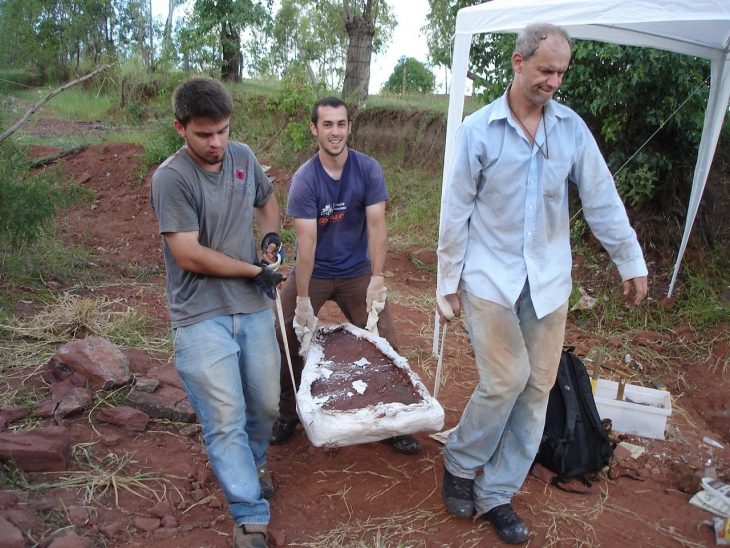
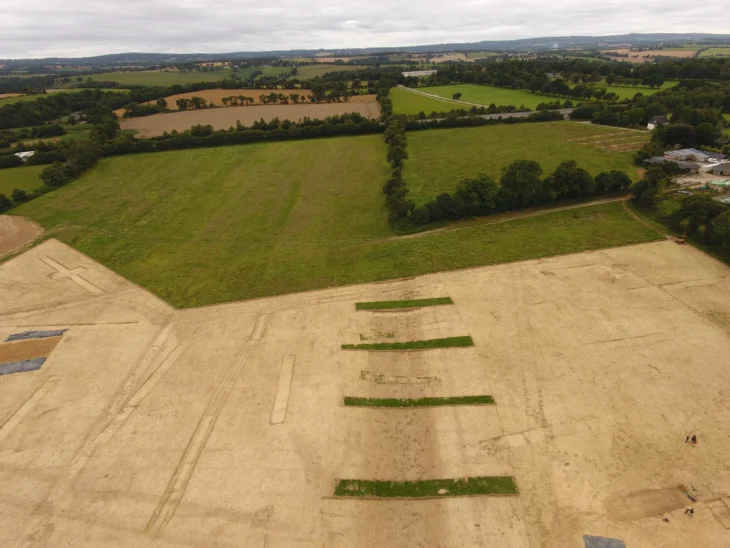
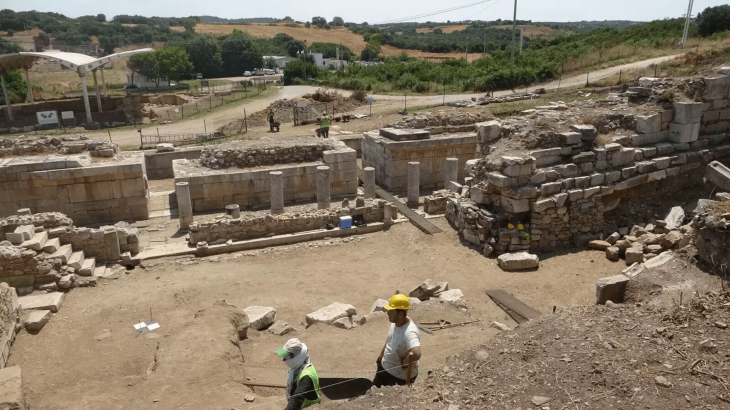
The excavation was carried out as part of a preventive archaeological investigation prior to the expansion of the Ottendorf-Okrilla gravel quarry. A team of seven specialists examined a 7.2-hectare area under the direction of scientific excavation leader Dr. Matthias Conrad. Their work, conducted in close coordination with the project developers, is now nearing completion.
Experts emphasize that without such systematic archaeological surveys, significant cultural heritage sites like this one could be permanently destroyed. According to state archaeologist Dr. Regina Smolnik, the findings represent “sensational results” for the region and highlight the critical importance of integrating archaeology into development planning.
Rare and Well-Preserved Burial Mounds
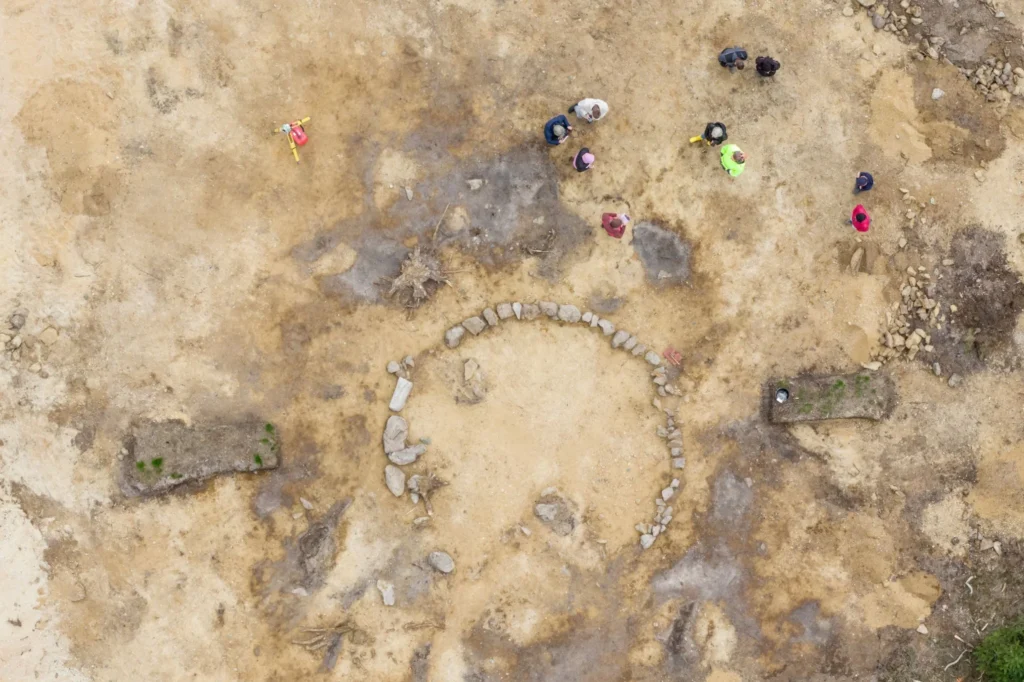
One of the most remarkable aspects of the discovery is the preservation of the burial mounds themselves. Unlike many similar sites that have been flattened over time due to erosion and agricultural activity, these mounds remained partially visible above ground, with heights reaching up to 0.75 meters.
📣 Our WhatsApp channel is now LIVE! Stay up-to-date with the latest news and updates, just click here to follow us on WhatsApp and never miss a thing!!
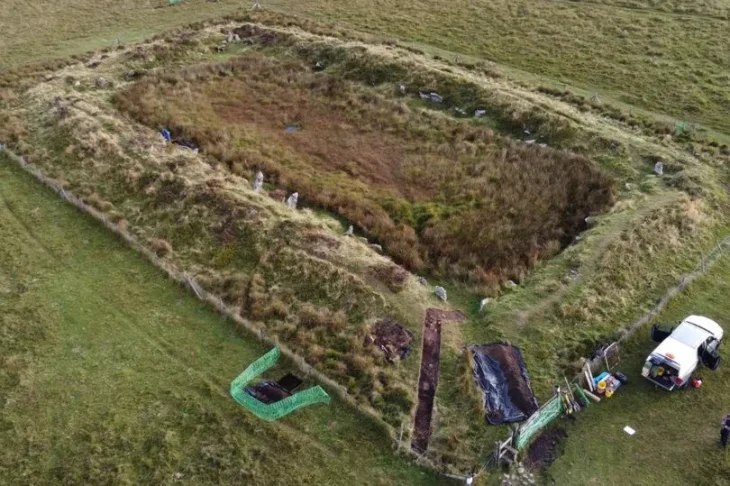
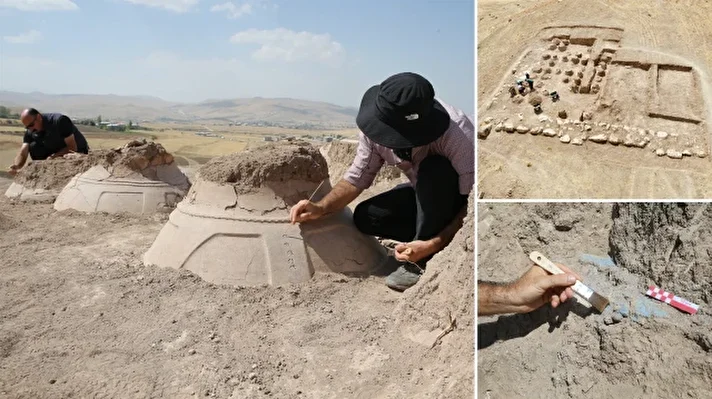
Each mound measured approximately six to seven meters in diameter and was encircled by deep, circular ditches. At the center of each mound lay a burial pit. Although the acidic soil conditions in the Laußnitzer Heide prevented the preservation of most human remains, the structural integrity of the burial site offers valuable insights into funerary architecture of the time.
Distinctive Burial Practices of the Corded Ware Culture
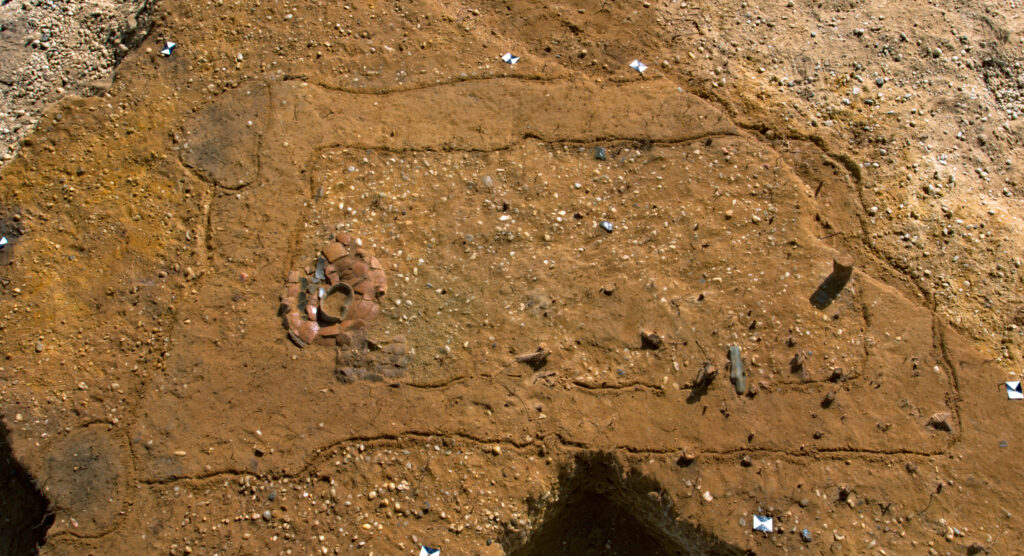
The burial customs observed at the site align closely with known traditions of the Corded Ware culture. Individuals were typically interred in a crouched position, lying on their side with legs drawn up.
Notably, the burials followed strict gender-specific orientations. Male individuals were placed on their right side with their heads facing west, while females were laid on their left side with heads oriented east. Such practices provide important clues about social structures and belief systems in Late Neolithic Europe.
Despite evidence that these communities practiced agriculture and animal husbandry, settlements from this period are rarely found. As a result, burial sites like this one serve as primary sources of information about their way of life.
Rich Grave Goods and Unique Artifacts
The majority of the burial mounds were found undisturbed, containing a wealth of grave goods. These included ceramic vessels such as amphorae and beakers, as well as tools and weapons made from flint and other types of stone.
Particularly noteworthy is the unusually high number of stone tools discovered. Archaeologists identified six axes and five hatchets, as well as ten flint arrowheads concentrated in just three graves—an above-average quantity compared to similar sites.
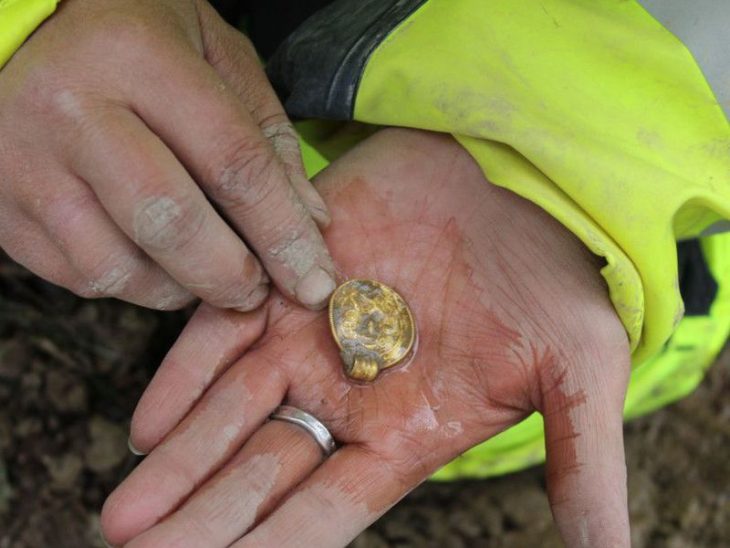
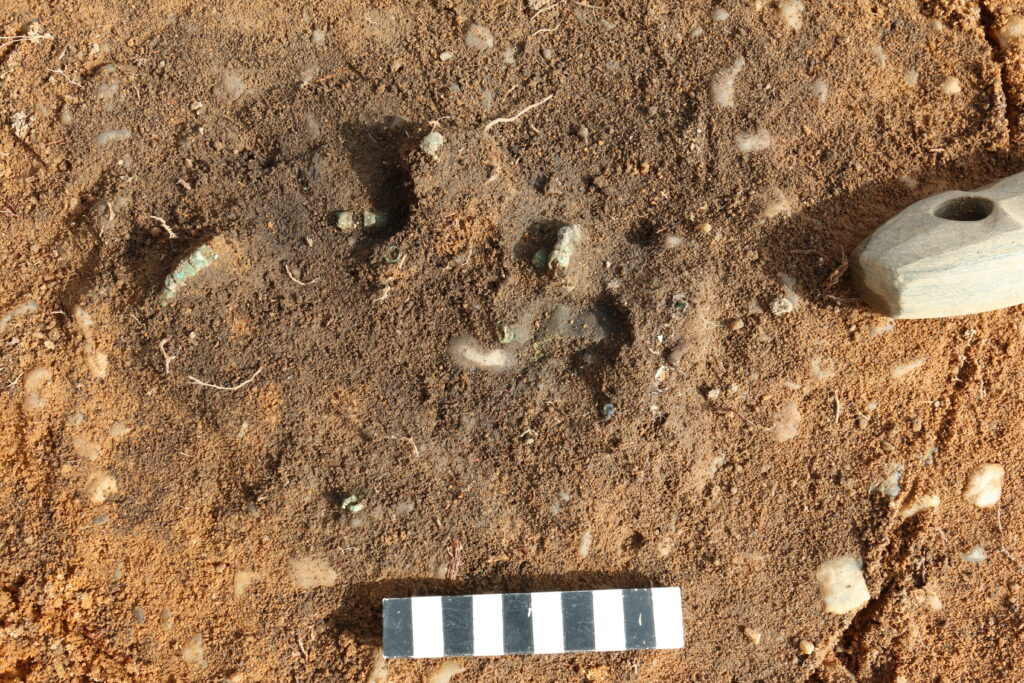
One grave yielded an especially rare find: nearly 20 copper beads, likely worn as a necklace. This discovery is considered unique in the region, as only three other Corded Ware burials in Saxony have previously contained copper ornaments, typically in the form of small rings or spirals.
The copper beads are believed to be among the oldest examples of metal jewelry ever found in Saxony. Interestingly, the corrosion from the copper helped preserve part of a human lower jaw—the only surviving bone fragment at the site.
Historical Significance and Future Research
Archaeologists highlight that the last opportunity to study burial mounds from this period in Saxony occurred more than 40 years ago. This makes the current discovery particularly significant for both regional history and broader European archaeology.
Beyond its scientific value, the site also underscores ongoing tensions between economic development and environmental or cultural preservation. Previous protests against gravel extraction in the area had raised concerns about the destruction of natural habitats, but the excavation demonstrates that such projects can also uncover invaluable historical treasures when properly managed.
As analysis of the findings continues, researchers hope that the Laußnitzer Heide burial site will contribute to a deeper understanding of prehistoric societies, trade networks, and early metallurgical practices in Europe.
This discovery not only enriches the historical narrative of Saxony but also reinforces the importance of protecting archaeological heritage in the face of modern development.
Landesamt für Archäologie Sachsen
Cover Image Credit: Landesamt für Archäologie Sachsen