
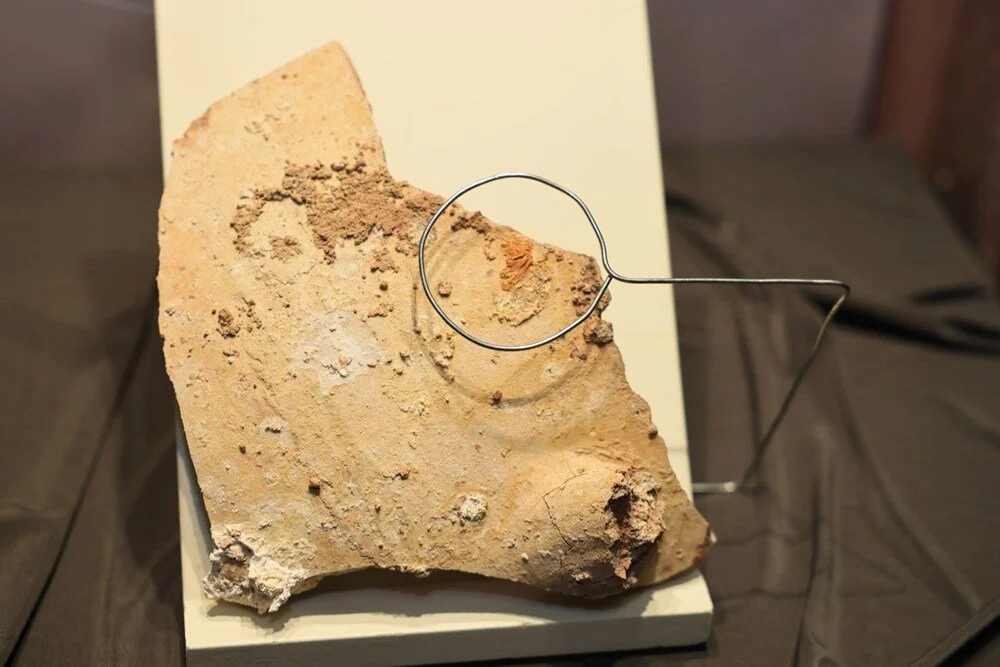
A remarkable artifact, a piece of Hittite linen fabric dating back 3,500 years, has been publicly exhibited for the first time following its discovery during archaeological excavations at the Sapinuwa site in Çorum.
Sapinuwa, also known as Šapinuwa in Hittite, was a significant Bronze Age city of the Hittite Empire, located in modern Ortaköy, Çorum province, Türkiye, approximately 70 kilometers east of the Hittite capital, Hattusa. This ancient city served as one of the major religious and administrative centers of the Hittites, functioning as a military base and occasionally housing several Hittite kings.
The identification of Ortaköy as the site of ancient Sapinuwa began when a local farmer discovered two clay cuneiform tablets in his field and reported the find to the Çorum Museum. This discovery prompted a survey in 1989, leading to further archaeological investigations and additional findings that have contributed to our understanding of this historically significant site.
Unearthed in 1995 at the Şapinova archaeological site in the Ortaköy district, this significant find was led by esteemed scholars Prof. Dr. Mustafa Süel and Prof. Dr. Aygül Süel.
The Hittite linen fabric, a rare specimen in the context of Turkish archaeology, underwent rigorous analysis at both the Middle East Technical University and Ankara University shortly after its excavation. Confirmed to originate from the 14th century BCE, this invaluable piece has been preserved in the storage facilities of the Çorum Museum.
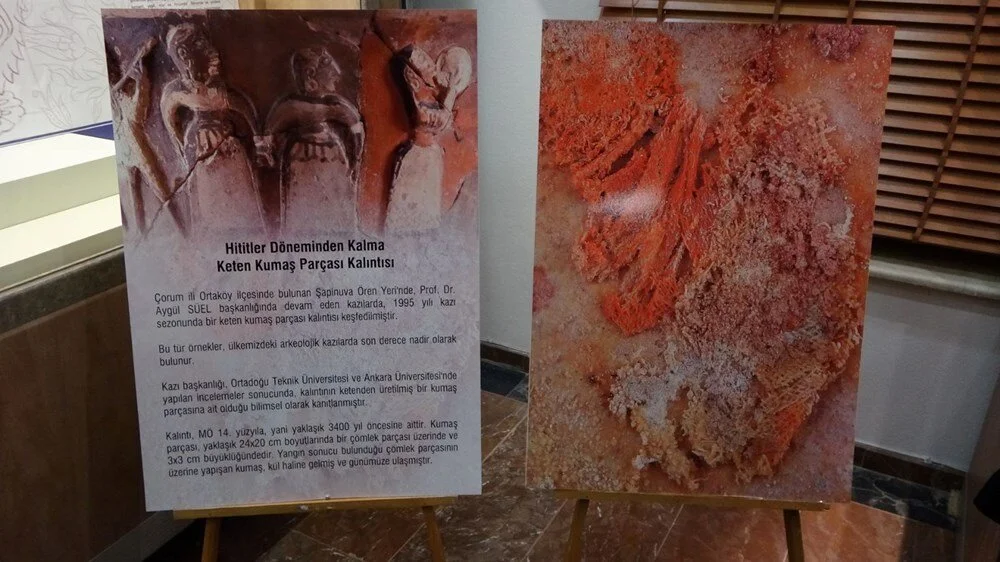
Inaugural Public Display
The fabric, measuring approximately 3×3 centimeters and affixed to a pottery shard of about 24×20 centimeters, was unveiled to the public during a promotional event organized by the Çorum Businesswomen’s Association, aimed at showcasing the Hittite linen fabric. The event was documented by the İhlas News Agency, marking a significant moment in the preservation and presentation of cultural heritage.
“A Historic Presentation This Evening”
Çorum Governor Ali Çalgan underscored the profound significance of the Hittite fabric, which has been meticulously safeguarded for three decades. He remarked, “We have witnessed a remarkable launch at our museum today. This artifact, discovered within our province in 1995, holds immense historical value. It is being presented to us for the first time this evening—a 3,500-year-old piece of linen. Our esteemed professor has informed us that this artifact serves as a highly valuable historical document. I extend my gratitude to him. We also honor the memory of the excavation leader, Prof. Dr. Mustafa Süel, whose leadership was instrumental in the discovery of this artifact. This piece has undergone extensive scientific research at various universities, affirming its age of 3,500 years. The narrative it conveys about our province, our nation, and the civilization that thrived here 3,500 years ago—capable of producing such remarkable artifacts—is of inestimable worth. I anticipate that it will attract numerous visitors and inspire further scientific and cultural inquiries.”
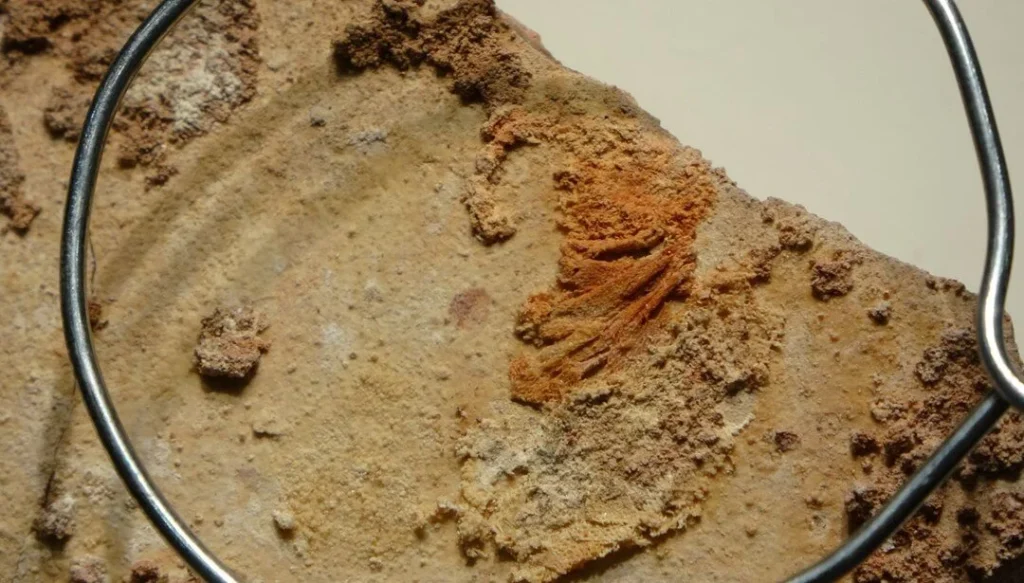
Prof. Dr. Aygül Süel, the excavation leader who played a pivotal role in ensuring the preservation of the 3,500-year-old Hittite linen fabric for future generations, expressed her elation at the launch. She stated, “This 3×3 centimeter piece of linen, woven and utilized approximately 4,000 years ago, represents a significant archaeological find. Its discovery was serendipitous, preserved in an airless environment, which has allowed it to reach us today. Through the diligent efforts of Mustafa Hoca, the team, and all involved, we have successfully brought this artifact to light, and we are immensely pleased to celebrate its launch today. Thank you very much.”
This exhibition not only highlights the rich cultural heritage of the Hittite civilization but also serves as a testament to the dedication of scholars and archaeologists committed to uncovering and preserving our shared history.
