
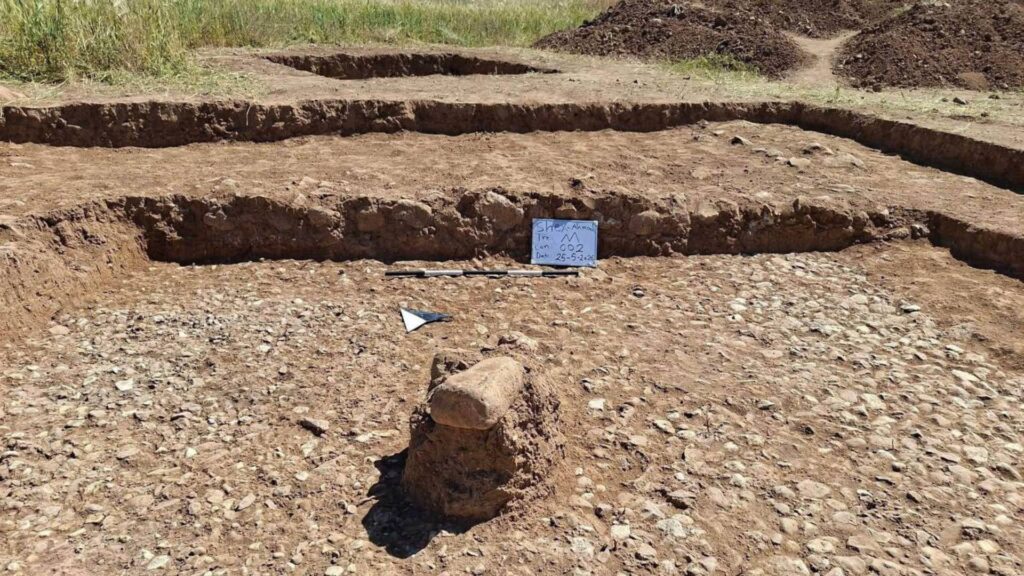
Two major road projects in the Kurdistan Region of Iraq have led archaeologists to previously unexplored remains dating from the Parthian, Sasanian and early Islamic periods.
The discoveries come from two separate excavation areas: the Erbil–Koya highway and Erbil’s expanding 150-meter ring road. Together, the sites offer new evidence of settlement and daily life beyond the historic centre of Erbil, a city whose ancient layers extend deep beneath the modern landscape.
Sasanian objects found beside the Erbil–Koya highway
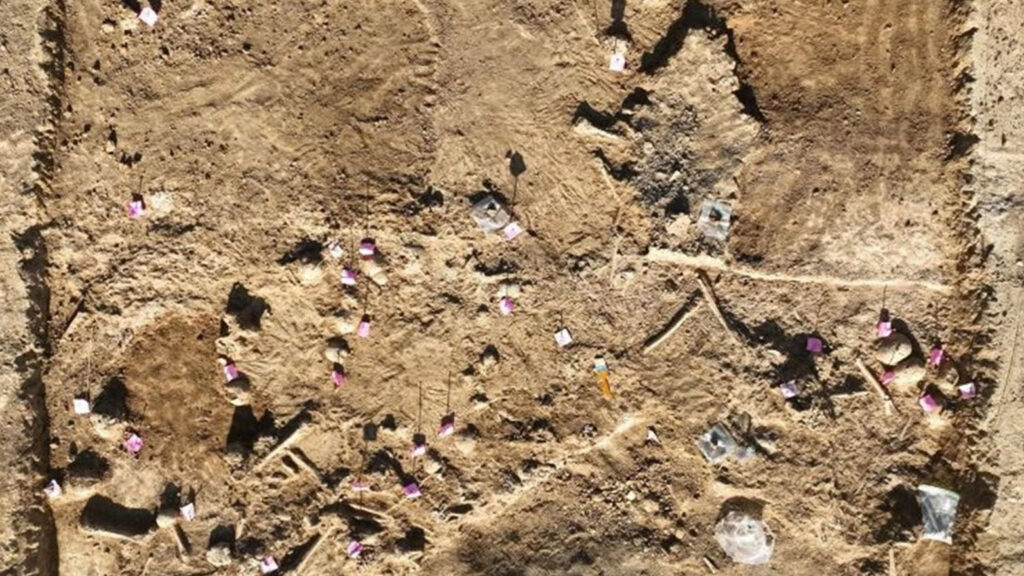
Excavations along the Erbil–Koya highway have produced ceramic jars, pottery fragments, mirrors, tools believed to have been used for applying eye make-up, and a seal. The Koya Antiquities Directorate has dated the collection to the Sasanian period, which lasted from the third to the seventh century CE.
According to PUKmedia, two archaeological locations had already been identified along the highway before construction began. The directorate submitted a request in 2022 to conduct excavations with the involvement of a Chinese university, but the proposed work was delayed by a lack of funding.
The situation changed when construction of the new highway reached the archaeologically sensitive area. The company responsible for the road agreed to finance excavations within the section affected by the project.
Fieldwork began at the end of May, and most of the excavation was completed within approximately one month. Archaeologists are now cleaning, documenting and classifying the recovered objects before more detailed conclusions can be drawn.
Although the finds have initially been assigned to the Sasanian era, their precise dates, functions and archaeological relationships will depend on the results of the ongoing study. The seal may be particularly informative if its design or inscription remains identifiable, while the mirrors and cosmetic instruments provide uncommon evidence of personal appearance and everyday routines.
Fourteen sites investigated around Erbil
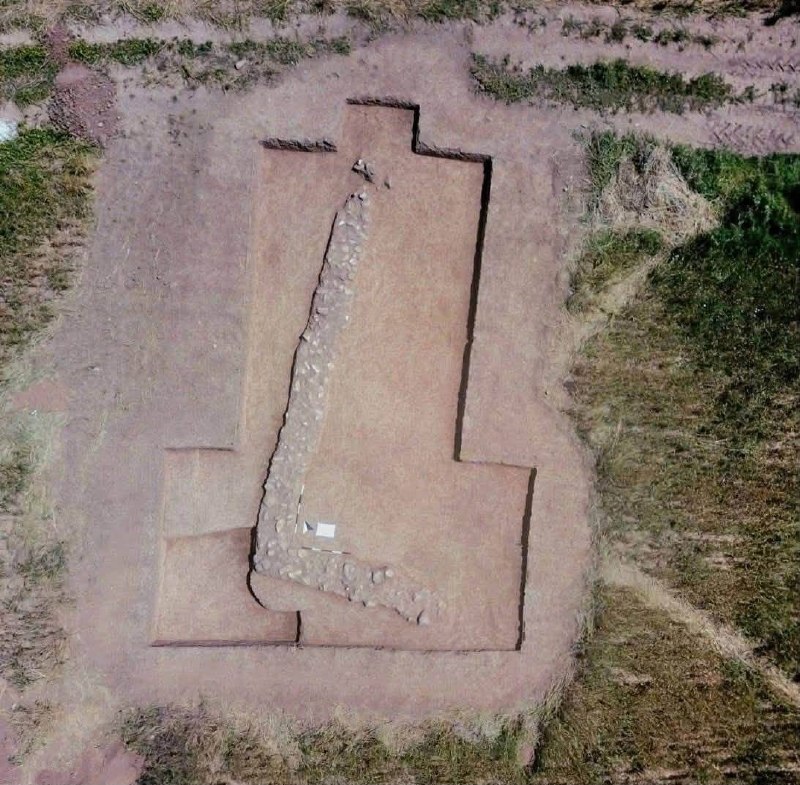
A separate rescue excavation is taking place along Erbil’s 150-meter ring road, where archaeologists have identified 14 sites across a development corridor extending from the Kasnazan road towards the Mosul-Gopal road.
Work has concentrated on the Baghlominara neighbourhood and the historic Azza site, between the city’s 120-meter and 150-meter roads. One excavation zone lies where a planned 60-meter road crosses the larger ring-road project.
“At this intersection, we have begun excavations across a designated strip approximately 600 meters in length,” Erbil Antiquities and Heritage Director Dr. Nadir Babakir Mohammed told Kurdistan24.
The excavations are being supervised by the General Directorate of Antiquities and the Erbil Antiquities and Heritage Directorate, with archaeologists from Salahaddin University also participating. Officials say construction cannot proceed through protected areas until archaeological investigations have been completed.
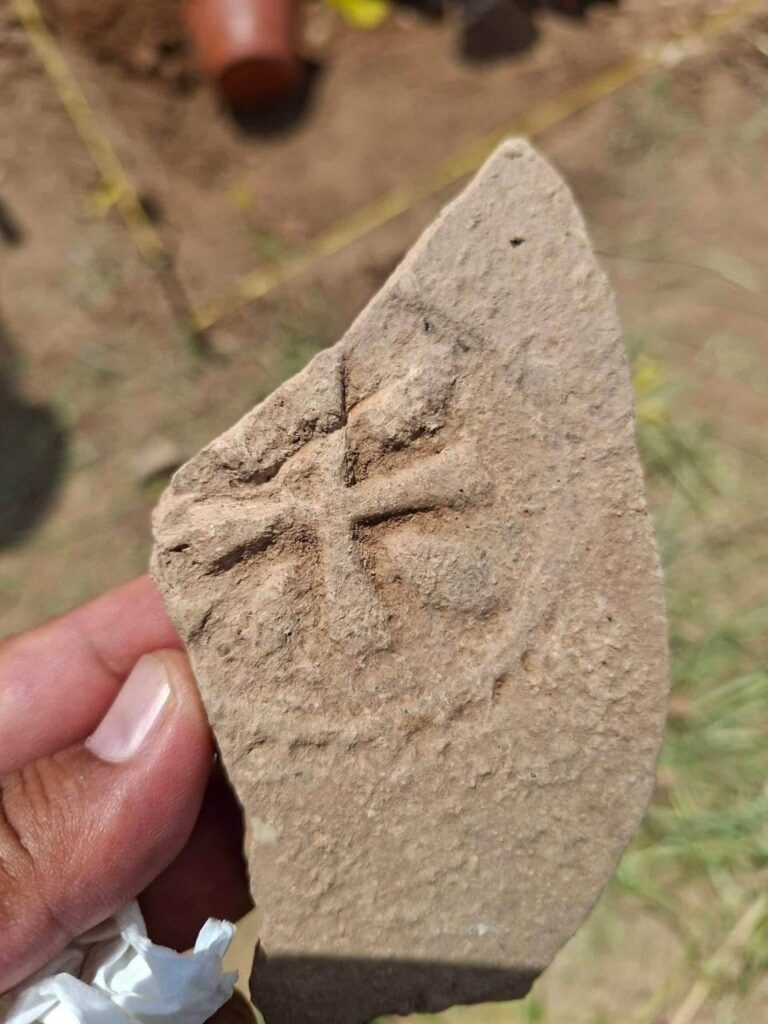
Pottery fragments recovered during the preliminary work have been attributed to the Parthian, Sasanian and early Islamic periods. The range of dates suggests that parts of Erbil’s modern outskirts were used across several political transitions, although the character of that activity—whether domestic, agricultural, commercial or administrative—has not yet been established.
Erbil between the Parthian and Sasanian worlds
Modern Erbil developed around ancient Arbela, a major political and religious centre in Assyrian history. Its importance did not end with the fall of the Assyrian Empire. The city was later incorporated into the Achaemenid, Seleucid, Parthian and Sasanian spheres of power.
During the Parthian period, Arbela was closely connected with Adiabene, a kingdom centred in northern Mesopotamia that occupied a strategic position between the Roman and Parthian worlds. After the Sasanian ruler Ardashir I defeated the Parthians in the early third century CE, the region passed under Sasanian control and remained part of the empire until the Islamic conquests of the seventh century.
The newly recovered pottery may help archaeologists examine how communities around Erbil experienced these changes. Pottery forms, manufacturing techniques and clay composition can reveal connections between settlements, while sealed objects and personal items can provide evidence of administration, ownership and household practices.
Erbil’s archaeological depth is most visibly represented by its citadel, which stands on a tell formed through repeated cycles of settlement and rebuilding. UNESCO records identify the site with ancient Arbela and note that the mound preserves more than 30 metres of archaeological deposits associated with the early development of urban life in Mesopotamia.
The latest finds were not uncovered through a long-planned research programme alone, but under the immediate pressure of road construction. Their recovery illustrates the role of rescue archaeology in a rapidly expanding city, where evidence of ancient settlement can survive far beyond well-known monuments and beneath land already marked for modern infrastructure.
Further excavation and laboratory analysis will be needed before the 14 sites and the Erbil–Koya objects can be placed within a more precise historical sequence. For now, the discoveries show that the archaeological landscape around Erbil extends well beyond the citadel, preserving traces of communities that lived through the final centuries of Parthian rule, the Sasanian period, and the emergence of the early Islamic world.
Sources: Kurdistan 24 and PUKMEDİA
