A rare medieval flail weapon has been unearthed near the historic Battle of Grunwald site in northeastern Poland, offering valuable new insights into the warfare and military culture of late medieval Eastern Europe. The weapon, identified as a kiścień, was discovered by amateur detectorists exploring farmland near Gietrzwałd in the Warmian-Masurian Voivodeship. According to experts, this is only the fourth artifact of its kind ever recorded in the region, making the find especially significant for archaeologists and historians.
The discovery was reported by members of the Society of Friends of Olsztynek Exploration Section Tannenberg, whose team notified specialists after uncovering the object during an approved field survey. Researchers from the Battle of Grunwald Museum and the Museum of Warmia and Mazury in Olsztyn later confirmed the weapon’s authenticity through detailed photographic and structural analysis. The museum team emphasized that archaeological examples of medieval flails are extremely rare despite frequent appearances in historical texts and iconography.
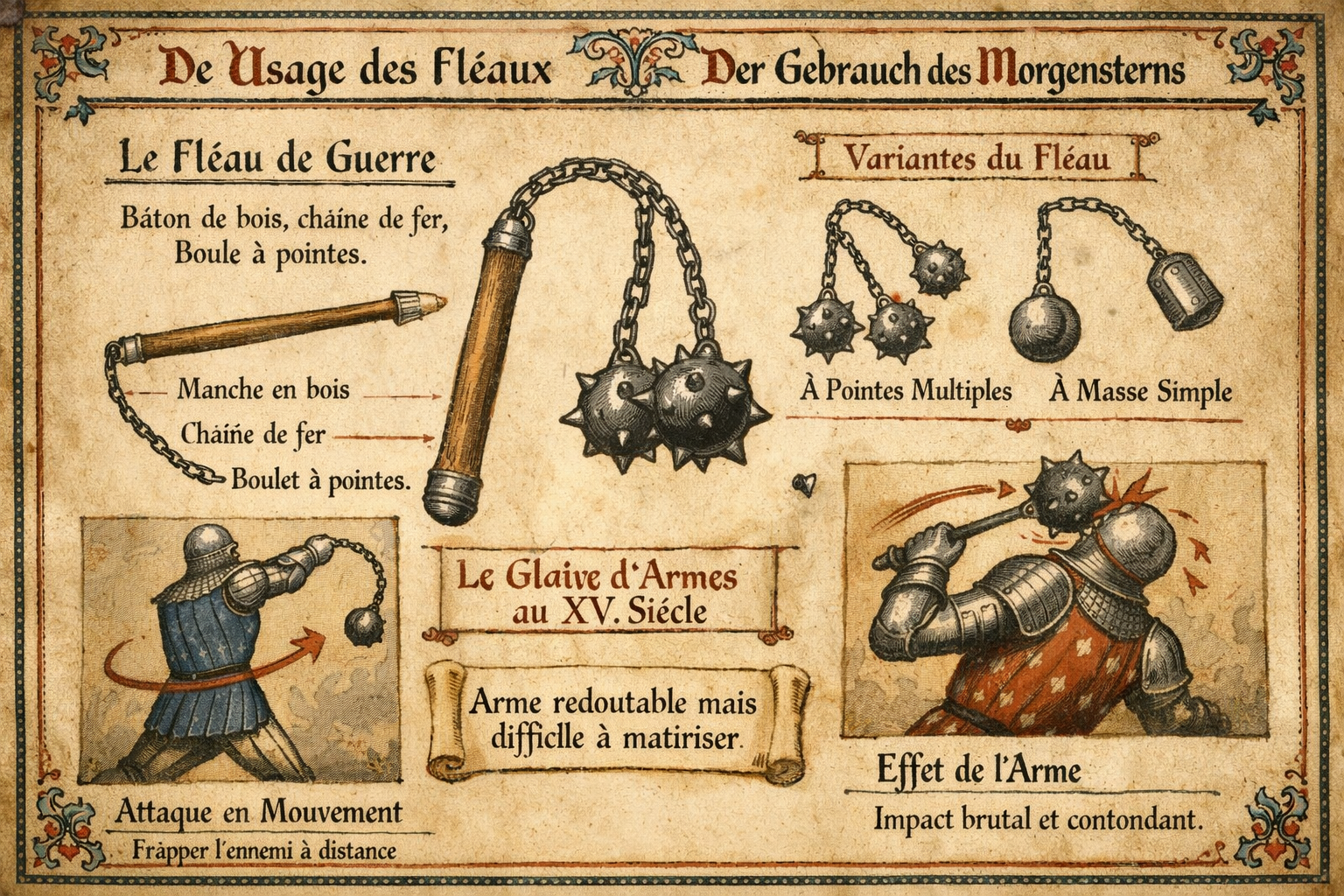
The kiścień was a flail-type weapon commonly used between the 11th and 15th centuries by both infantry and cavalry forces across Central and Eastern Europe. Typically constructed with a wooden or metal handle connected to a heavy striking head by a short chain, rope, or leather strap, it was designed to generate powerful impact against armor and protective equipment on the battlefield. While historians caution against sensationalizing medieval warfare, the weapon reflects the tactical realities of close-combat fighting during the period and helps scholars better understand how soldiers engaged in conflict at the time.
What makes this discovery especially noteworthy is its proximity to the site of the Battle of Grunwald, one of medieval Europe’s most decisive and symbolic military engagements. Fought on July 15, 1410, the battle saw the combined armies of the Kingdom of Poland and the Grand Duchy of Lithuania defeat the Teutonic Order, reshaping the political balance of power in the region. The confrontation involved tens of thousands of soldiers and marked a turning point in the long conflict between the Teutonic Knights and their neighbors. Finding a weapon from the same historical era near the battlefield deepens the connection between material artifacts and written historical sources.
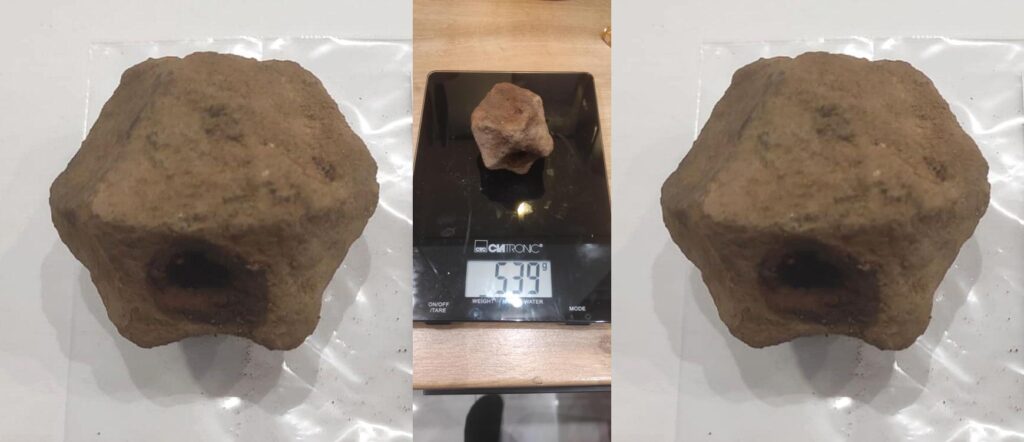
Experts from the Battle of Grunwald Museum noted that only one similar kiścień exists in their collection, underscoring how seldom such weapons survive in archaeological contexts. Many flails were made from organic materials or repurposed after the medieval period, which explains why so few examples have been recovered. Each new find therefore contributes meaningful evidence to ongoing research on medieval arms, tactics, and craftsmanship.
📣 Our WhatsApp channel is now LIVE! Stay up-to-date with the latest news and updates, just click here to follow us on WhatsApp and never miss a thing!!
Archaeologists plan to conduct further analysis and conservation work on the weapon to better understand its construction, weight, and potential origin. Conservation specialists will examine whether the flail was locally manufactured or imported, as trade networks often influenced weapon design and technology. Once the process is complete, the artifact may be displayed in a regional museum, allowing visitors to engage directly with the material culture of the 15th century.
The discovery also highlights the growing role of responsible detectorist groups in historical research across Poland. By working closely with museums and heritage authorities, amateur explorers are helping to document artifacts that might otherwise remain undiscovered or be lost to private collections. Researchers stress the importance of reporting such finds through legal channels, ensuring that objects can be studied, preserved, and interpreted within their proper historical context.
As archaeological investigations continue across the Warmian-Masurian region, discoveries like this rare kiścień provide important physical links to the past. Beyond its immediate historical value, the weapon helps deepen our understanding of medieval warfare, technological development, and the lived experiences of those who participated in major historical events such as the Battle of Grunwald. With each new artifact recovered, scholars gain another piece of evidence that enriches the broader picture of Europe’s medieval heritage.
Towarzystwo Przyjaciół Olsztynka – Sekcja Eksploracyjna “Tannenberg” (Society of Friends of Olsztynek)
Cover Image Credit: This image is an AI-generated illustrative reconstruction inspired by 15th-century artwork. It provides educational and historical information about the structure and documented use of a medieval flail weapon, rather than depicting a real event or promoting modern-day weapon use.