
For centuries, debates have raged over whether the Bible is history, myth, or something in between. Now, significant research by Purdue University professor Lawrence Mykytiuk has given fresh weight to the argument that the Bible reflects real historical figures. In his recent article for Bible History Daily, Mykytiuk compiled evidence confirming the existence of 53 individuals mentioned in the Bible through archaeological discoveries.
A “Scorekeeper” for Biblical Archaeology
Mykytiuk, emeritus professor of Library Science at Purdue, describes himself not as an archaeologist, but as a “scorekeeper.” His specialty is painstakingly analyzing inscriptions, seals, and tablets from antiquity to determine whether they reference figures also found in Scripture.
“I analyze inscriptions to see if they refer to biblical persons and ‘keep score’ when strong identifications can be made,” Mykytiuk explained in an interview with Bible Gateway.
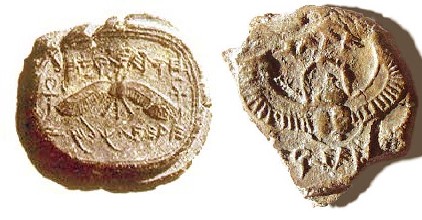
This work began in the 1990s, when he became fascinated by a clay seal (bulla) inscribed with the name of a king mentioned in the Hebrew Bible. Since then, he has sifted through thousands of inscriptions, cross-referencing them with biblical accounts. The result is a growing list of rulers, priests, and officials who can be firmly anchored in history.
From King David to Darius II
Among the most striking confirmations is King David, one of the central figures of the Old Testament. Long dismissed by some scholars as a legendary or symbolic character, David’s name appears in three ancient inscriptions—one Egyptian, one Aramaic, and one Moabite—dating back to the 9th century BCE. Each points to the same Davidic dynasty described in the Bible.
📣 Our WhatsApp channel is now LIVE! Stay up-to-date with the latest news and updates, just click here to follow us on WhatsApp and never miss a thing!!
Equally well-attested is Nebuchadnezzar II, the Babylonian monarch who destroyed Jerusalem and exiled its people. His name is preserved in countless cuneiform tablets, many likely written under his supervision. Biblical books such as 2 Kings, Jeremiah, and Daniel mention him extensively, and archaeology now confirms his historical presence beyond doubt.
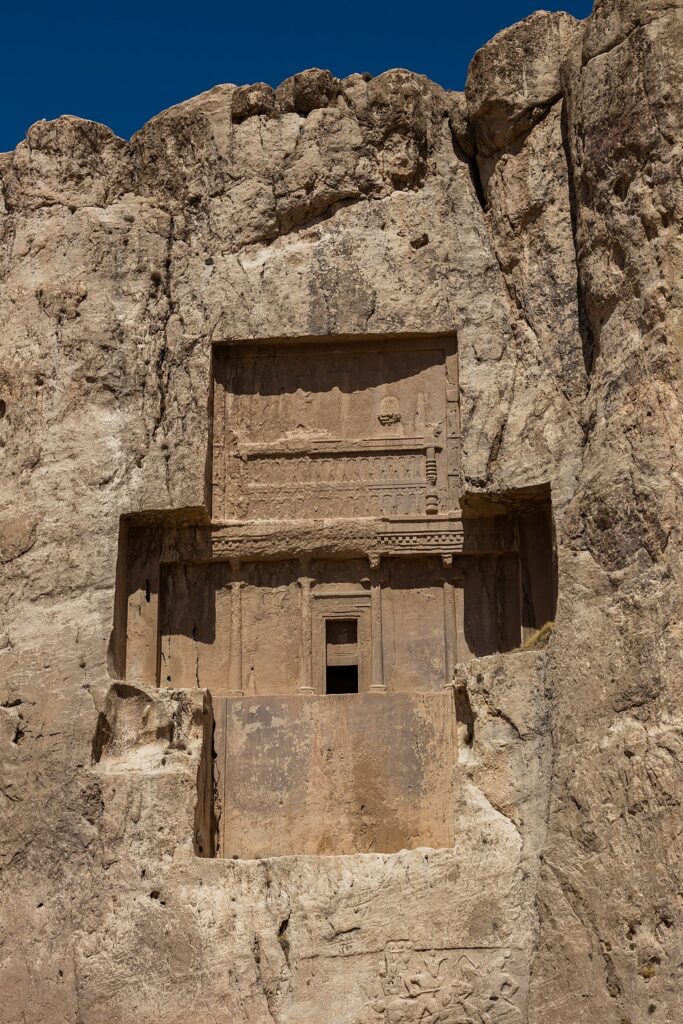
Other figures include
Shishak (Sheshonq I) – the Egyptian pharaoh who invaded Judah around 925 BCE (1 Kings 11:40). His campaign is also recorded on temple walls at Karnak.
Hezekiah, king of Judah (2 Kings 18:13), remembered both for his religious reforms and his confrontation with Assyrian king Sennacherib. Inscriptions and a famous water tunnel in Jerusalem confirm his reign.
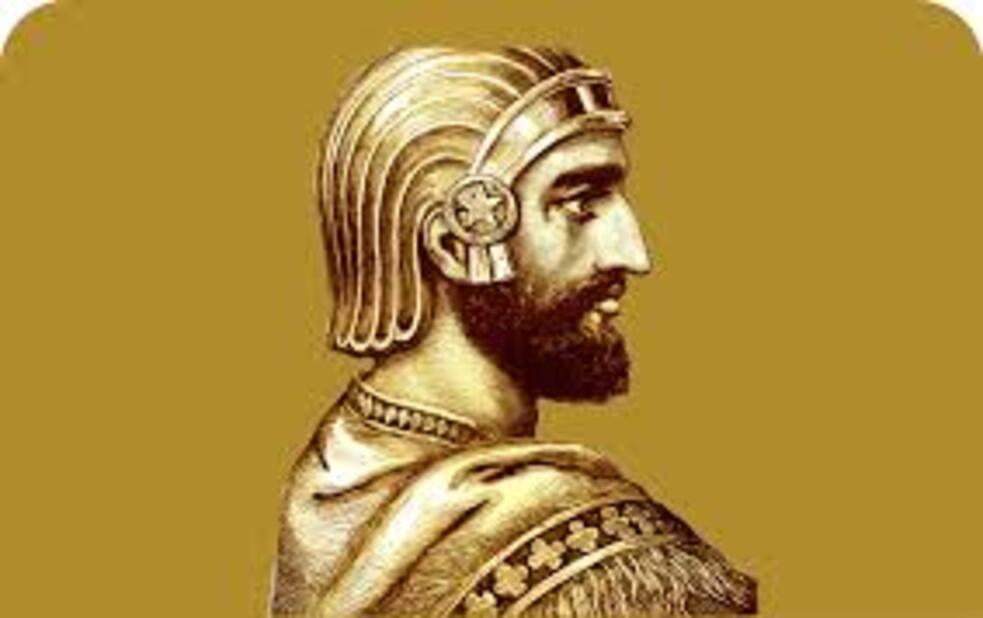
Cyrus the Great of Persia (Ezra 1:1), who allowed Jewish exiles to return to Jerusalem. His famous Cyrus Cylinder echoes the Bible’s depiction of him as a restorer of displaced peoples.
Belshazzar, co-regent of Babylon (Daniel 5), once thought to be a biblical invention until inscriptions confirmed his rule alongside his father Nabonidus.
The Full List in Brief
According to Mykytiuk’s research, archaeology has confirmed the existence of 53 figures from the Bible, ranging from pharaohs and monarchs to governors, priests, and scribes. Among the Egyptian rulers are Shishak (Sheshonq I), Osorkon IV, Tirhakah (Taharqa), Necho II, and Hophra (Apries). From the Moabite kingdom comes King Mesha, while the kings of Aram-Damascus include Hadadezer, Ben-Hadad son of Hadadezer, Hazael, Ben-Hadad son of Hazael, and Rezin.
The Northern Kingdom of Israel contributes names such as Omri, Ahab, Jehu, Joash (Jehoash), Jeroboam II, Menahem, Pekah, Hoshea, and the Persian governor Sanballat I. The Southern Kingdom of Judah is represented by David, Uzziah (Azariah), Ahaz, Hezekiah, Manasseh, Hilkiah, Shaphan, Azariah the high priest, Gemariah, Jehoiachin, Shelemiah, Jehucal, Pashhur, and Gedaliah.
From the Assyrian Empire we find Tiglath-Pileser III, Shalmaneser V, Sargon II, Sennacherib, Adrammelech, and Esarhaddon, while the Babylonian Empire yields Merodach-Baladan II, Nebuchadnezzar II, Nebo-Sarsekim, Nergal-Sharezer, Nebuzaradan, Evil-Merodach, and Belshazzar. Finally, the Persian Empire provides Cyrus the Great, Darius I, Tattenai, Xerxes I, Artaxerxes I Longimanus, and Darius II Nothus.
Criteria for Proof
Skeptics might ask: how do we know these inscriptions actually refer to the same individuals as in the Bible? Mykytiuk insists on rigorous criteria. A name alone is not enough—there must also be matching details such as title, parentage, time period, and location. Only when all align does he record a “strong identification.”
By applying these strict standards, Mykytiuk has confirmed 53 figures, ranging from well-known kings like Ahab, Omri, and Xerxes I, to lesser-known officials such as Jehucal, a royal aide in the time of Zedekiah (Jeremiah 37:3).
Why It Matters
For Mykytiuk, the project is not about proving faith, but about respecting history. “Quite apart from religious faith, and based on a large amount of clear, concrete evidence, I find no reason to reject—and many reasons to accept—the general historical credibility of the Bible,” he told Bible Archaeology Report.
His findings challenge a trend in modern scholarship that dismisses the Bible as unreliable unless independently proven. By confirming dozens of figures through archaeology, Mykytiuk shows that the Bible, at least from the era of King David onward, aligns significantly with the historical record.
The Limits of Archaeology
Despite the impressive list, Mykytiuk acknowledges that archaeology cannot confirm everything. Figures before David, such as Abraham or Moses, remain beyond the reach of current evidence. “The ravages of time have destroyed huge amounts of physical and written artifacts,” he notes. Still, he argues that enough survives to take much of the biblical account seriously.
A Bridge Between Faith and Scholarship
The confirmation of 53 biblical figures matters not only to scholars but also to millions of believers worldwide. For Jews, Christians, and Muslims, these names represent the shared heritage of faith. For historians, they represent data points linking ancient inscriptions to one of humanity’s most influential texts.
Mykytiuk’s list continues to evolve, and he remains committed to updating it as new inscriptions surface. His work demonstrates that even in an age of skepticism, the stones and tablets of the ancient world still speak—and sometimes, they confirm the stories of Scripture.
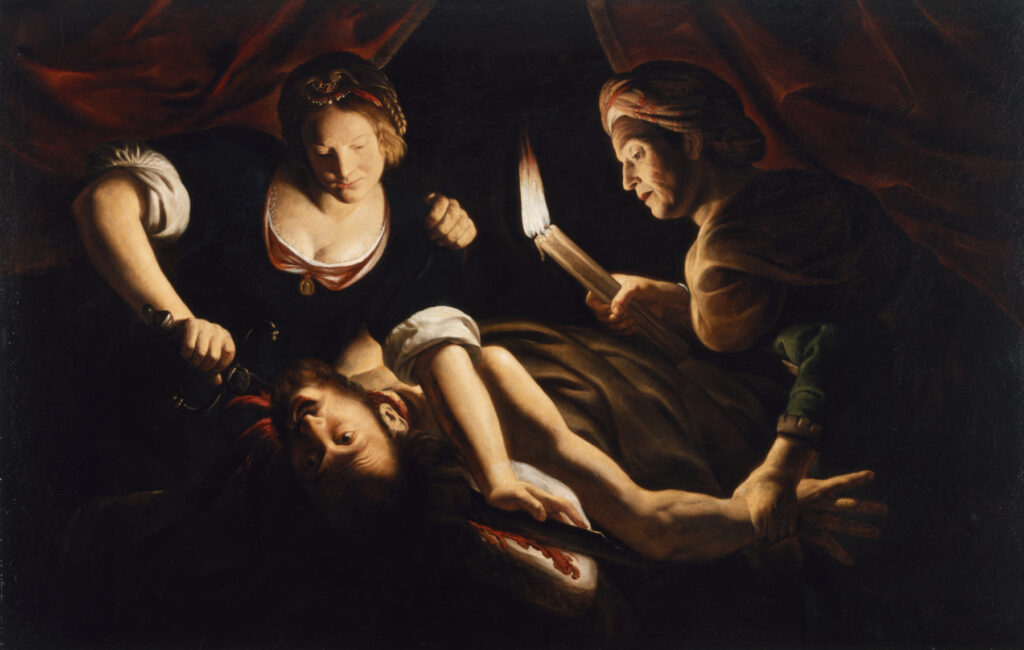
Cover Image Credit: Painting by Trophime Bigot (c. 1579–1650, also known as Master of the Candlelight), depicting Judith and Holofernes. The Walters Art Museum. (The painting depicts the biblical story of Judith beheading the Assyrian general Holofernes to save her people.) Public Domain