
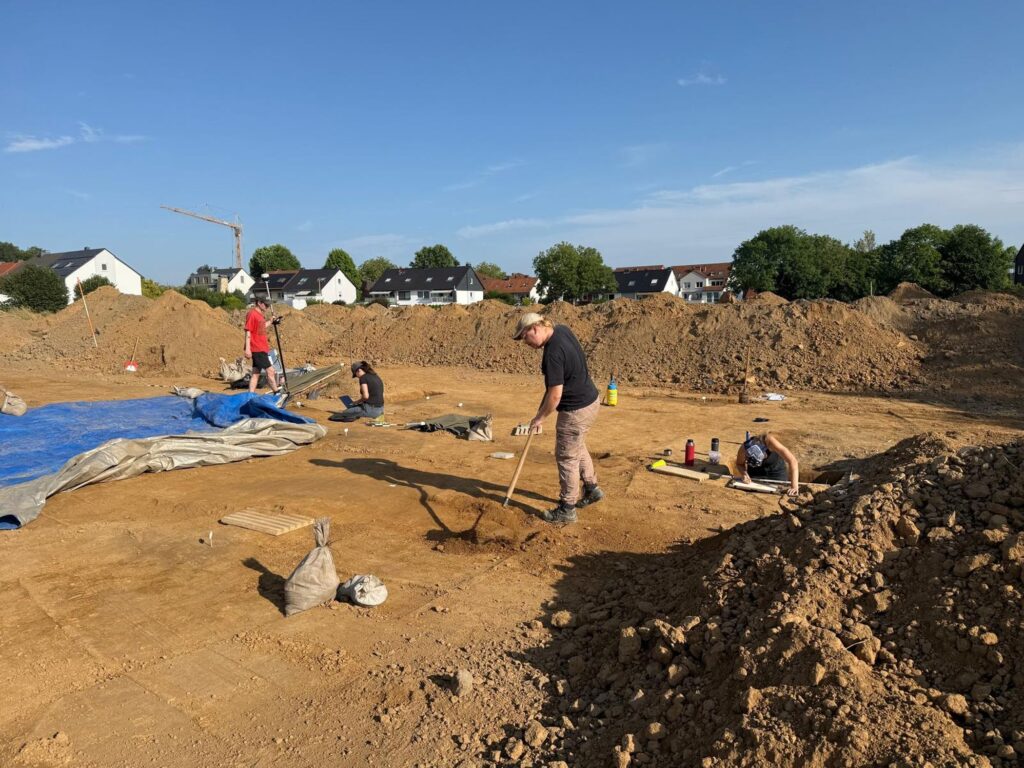
Archaeologists have made a landmark discovery in the southwestern part of Bochum, uncovering the first known traces of prehistoric settlement in this part of the city. The find, made during a routine survey ahead of new residential construction, includes a 2,500-year-old ceramic bowl and a puzzling ditch that continues to intrigue researchers.
The excavation was carried out by archaeologists from the Landschaftsverband Westfalen-Lippe (LWL), the regional heritage authority for Westphalia-Lippe, on a plot of land in Bochum’s Linden district. The site, previously used for agriculture, is now being developed into housing by a private real estate company.
Fertile Ground Near the Ruhr Pointed to Ancient Habitation
Long before the first trowel hit the soil, experts from LWL Archaeology for Westphalia suspected the site might hold historical significance. Its fertile soil, favorable location near the Ruhr River, and proximity to other waterways made it an attractive spot for settlement in earlier eras — the same qualities that draw communities to riverside land today.
That hunch was confirmed in June, when an initial test excavation revealed clear evidence of past habitation. According to LWL archaeologist Dr. Eva Cichy, the team was able to identify pits and ditches belonging to a farmstead in part of the survey area.
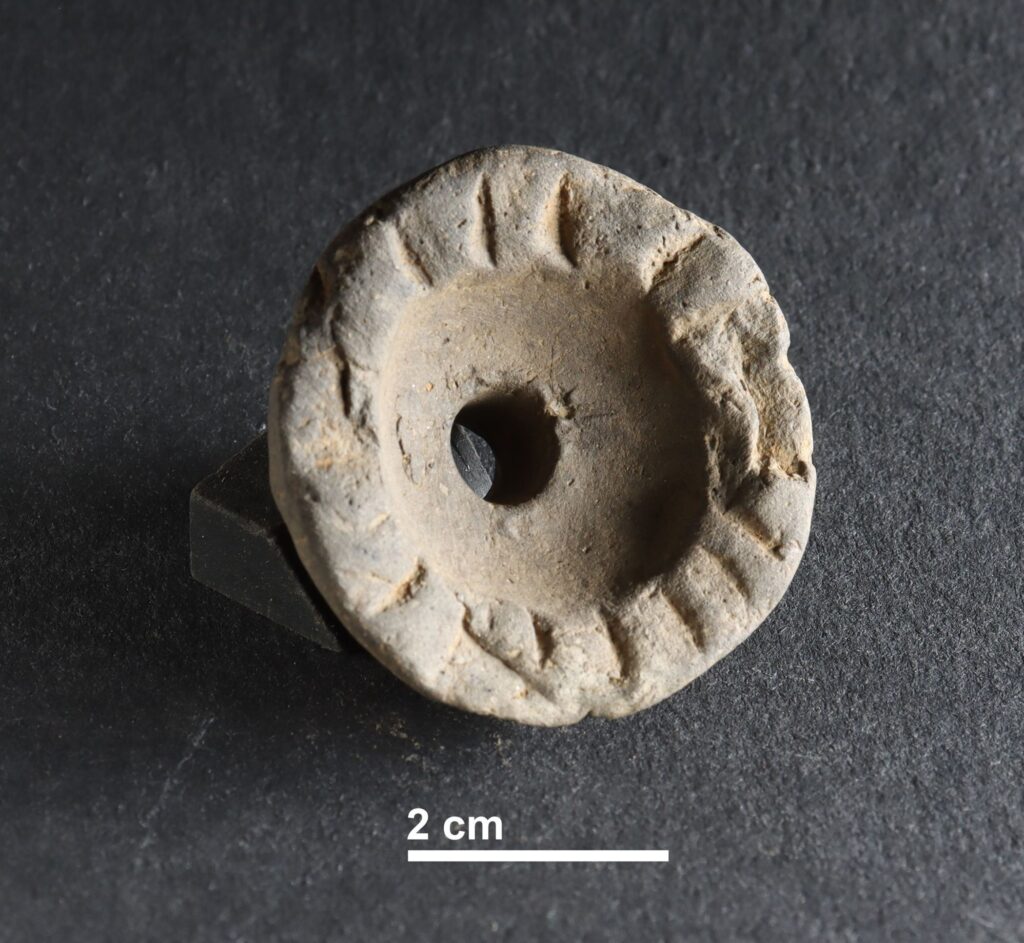
Because the land slopes gently downward, the lower-lying eastern section preserved the last remnants of the settlement beneath a layer of colluvium — soil and sediment that accumulated over centuries due to erosion. Within a shallow ditch, researchers recovered a decorated ceramic spindle whorl, a component of a hand spindle, indicating that textiles were once produced on site.
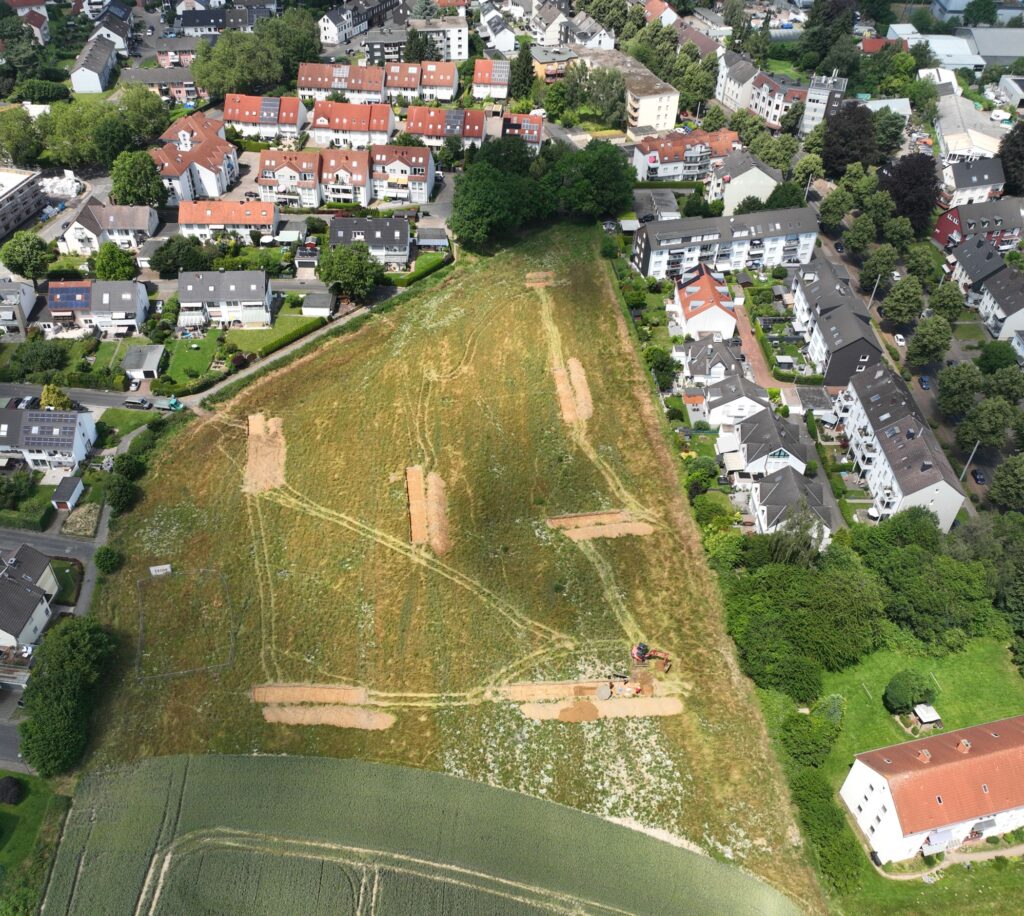
LWL Archaeology for Westphalia, Olpe branch, examined the site in Bochum-Linden in June using several test trenches. Credit: LWL-AfW/Daniel Riemenschneider
Excavation Reveals Ancient Bowl and an Unusual Ditch
In July, a specialized archaeological firm expanded the excavation around the initial findings. The dig uncovered several additional pits of varying sizes, though most had been reduced to shallow depressions over time.
“Erosion had already destroyed much of the former settlement traces before the colluvium layer formed on top,” explained excavation director Philipp Bockelbrink, describing how centuries of soil movement had gradually worn away much of the site’s history.
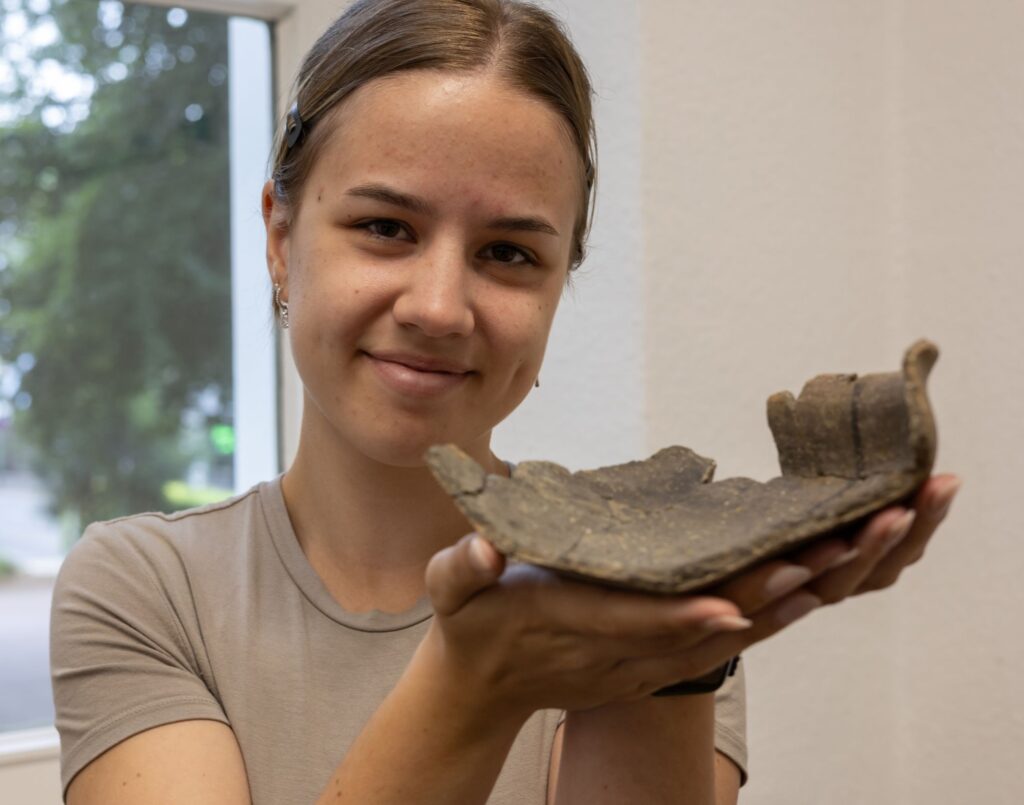
One discovery stood out from the rest: a short ditch, still preserved to a depth of about one meter. The ditch had been filled with burnt debris, and during the preliminary investigation, the team had already recovered half of a ceramic vessel resting at its base.
Piecing Together a 2,500-Year-Old Mystery
During the excavation completed in July, site technician Celine Bariszlovich successfully recovered the second half of the small bowl from the remaining fill material. Experts estimate the vessel to be roughly 2,500 years old.
The discovery has raised an intriguing question: was the ceramic bowl deliberately placed at the bottom of the deep, narrow ditch? The unusual nature of the find has left archaeologists with more questions than answers for now.
Further scientific analysis is planned to help researchers understand the purpose of the ditch and the story behind the carefully — or perhaps coincidentally — placed vessel.
This discovery marks a significant addition to the archaeological record of the Ruhr region, offering new insight into prehistoric life along one of Germany’s most historically rich waterways.
