
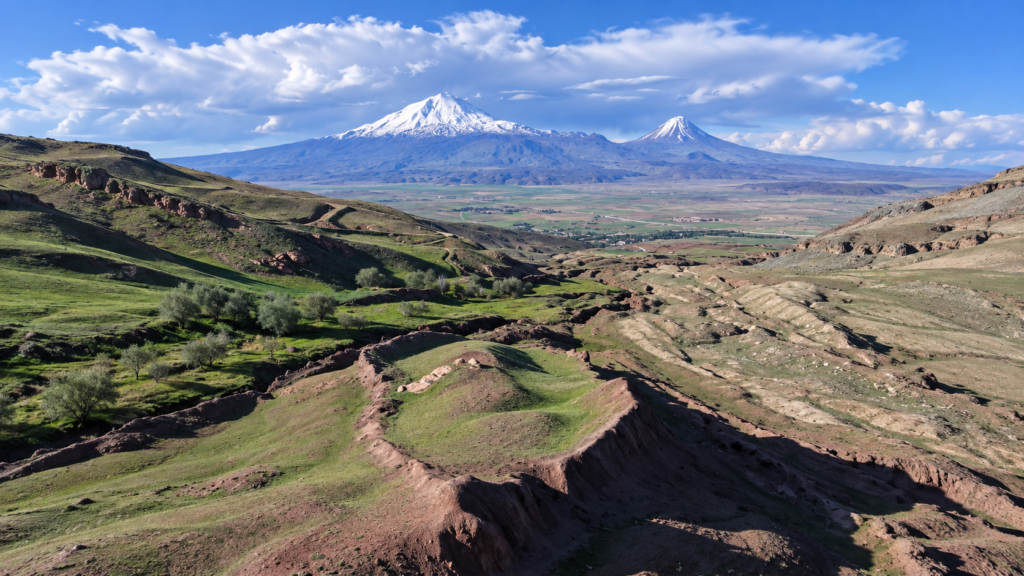
Fresh pottery discoveries and nearly 1,000 soil samples have emerged from a new investigation of the Durupınar Formation near Mount Ararat in eastern Türkiye. Researchers have completed their 2026 field season at the Durupınar Formation near Mount Ararat in eastern Türkiye, where new pottery fragments and nearly 1,000 soil samples were collected as part of the ongoing search for Noah’s Ark.
The latest finds follow unusual underground radar readings reported in August, raising new questions about what lies beneath the formation. With core samples now sent to Ankara for laboratory examination, researchers are preparing for the next stage of a project expected to produce its first comprehensive scientific findings in 2027.
New Pottery and 1,000 Samples from the Durupınar Formation
Led by Prof. Dr. Cenker Atila of Sivas Cumhuriyet University, the international team spent approximately 90 days investigating the site near Doğubayazıt in Ağrı Province. Around 20 researchers from five countries participated in the project, which began in late June.
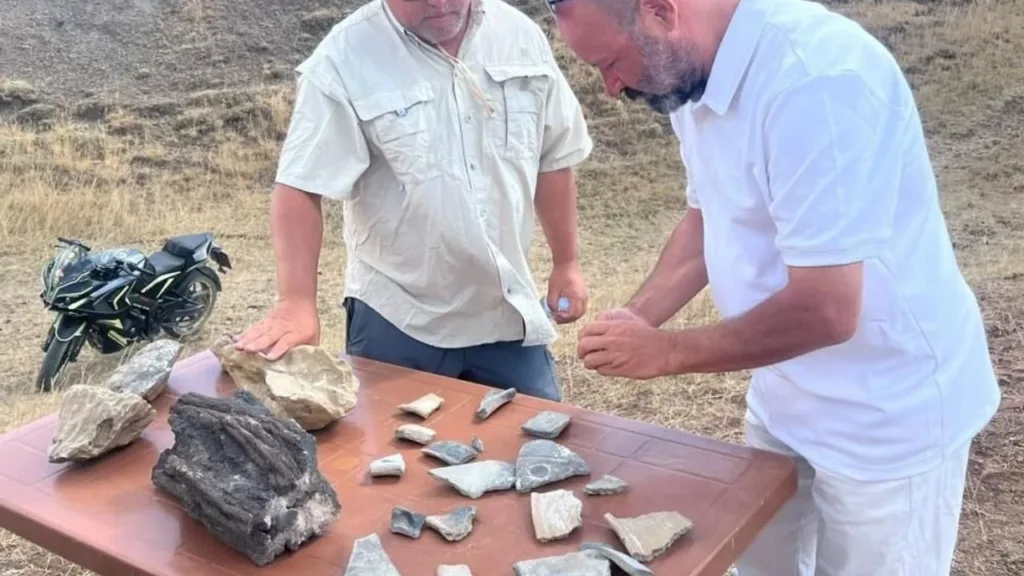
During the field season, archaeologists recovered pottery fragments that they believe may belong to a period preceding the flood described in religious tradition. Their age has not yet been established through laboratory analysis, but the discoveries have added a new archaeological dimension to the investigation.
Researchers also collected approximately 1,000 soil samples from 150 locations across the formation. Ground-penetrating radar surveys helped identify areas for sampling, while GPS measurements and detailed two- and three-dimensional maps documented the site.
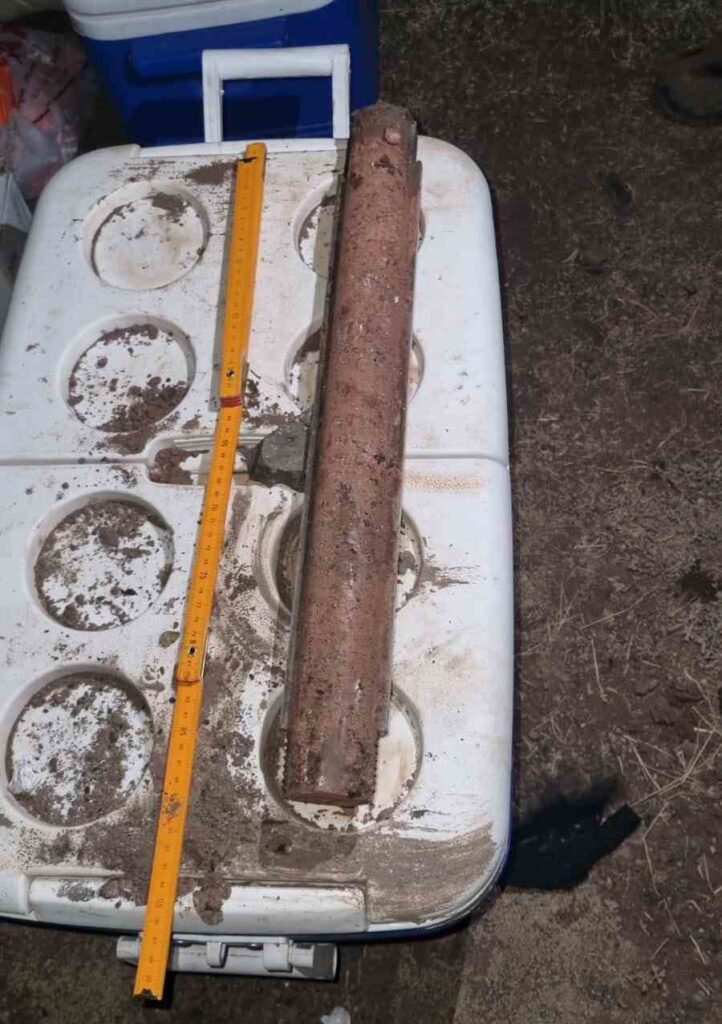
Core samples extracted from the ground have been sent to Ankara. According to Atila, the team will concentrate on organic material and possible wood remains, with laboratory results expected to clarify the nature of the materials recovered.
What Did the Underground Radar Reveal?
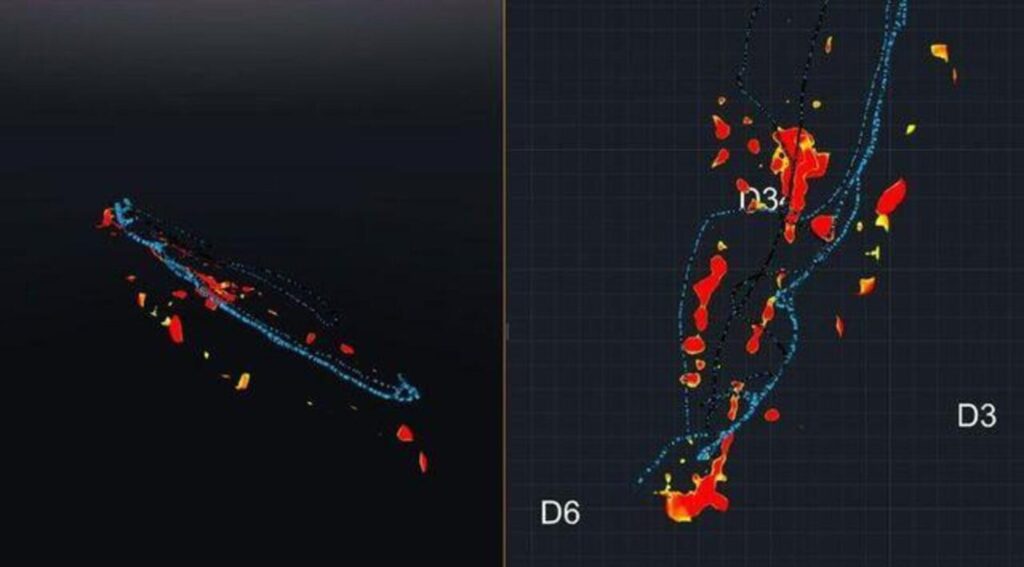
The pottery discoveries follow another development that attracted attention in August. Using advanced underground imaging equipment, researchers detected unusual features beneath the boat-shaped formation, including possible voids and anomalies with relatively regular edges.
Some of the features appeared to intersect at right angles. The research team suggested that these patterns could represent traces of compartments or other structural elements, although their origin remains uncertain.
Initial soil measurements also revealed an intriguing difference. According to the university, carbon levels in samples from the formation’s interior were approximately 40 percent higher than those recorded outside it. Atila suggested that the elevated levels might be associated with organic material, potentially including wood.
The new soil and core samples will allow researchers to examine these preliminary findings more closely. The investigation has now moved beyond mapping the distinctive outline visible on the surface to examining material collected from beneath it.
The Mysterious Stones Once Linked to Noah’s Ark
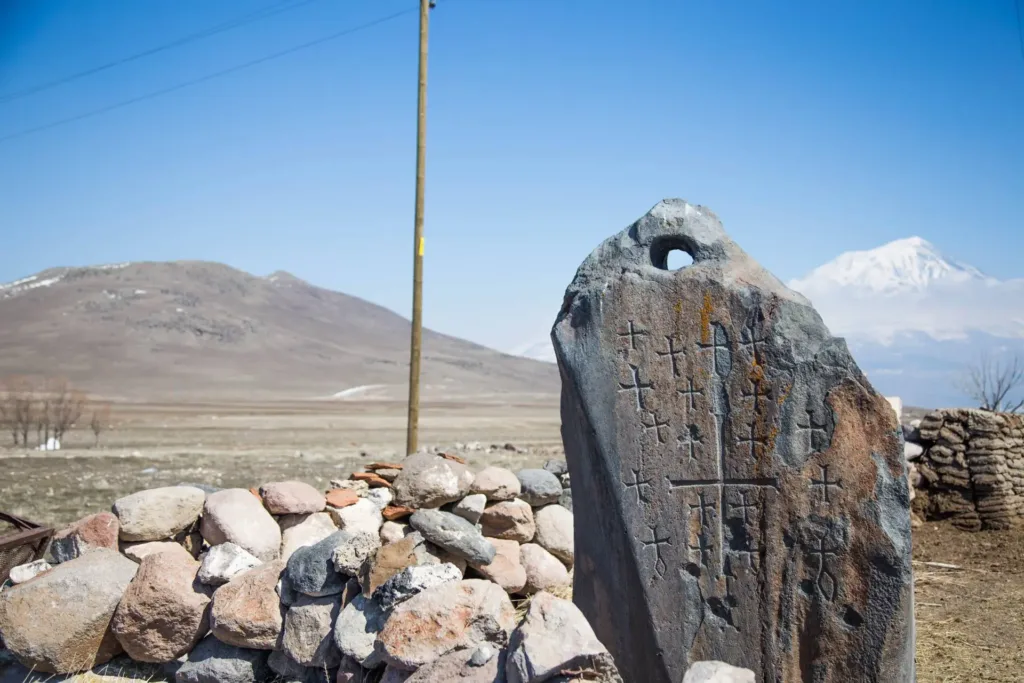
The Durupınar Formation is not the only unusual feature in the area associated with Noah’s Ark. Near the village of Kazan, formerly known as Arzap, several enormous stones with holes near their upper ends have long attracted the attention of explorers.
Known as Drogue Stones, they were interpreted by Ron Wyatt and David Fasold as possible anchors from an ancient vessel. According to their theory, the stones could have been attached to a ship with ropes, helping to stabilize it in turbulent waters.
Some of the stones also bear crosses and other markings associated with later religious traditions. Their unusual appearance has made them a familiar part of the region’s Ark narrative, although their original purpose remains uncertain.
Fasold later revisited his earlier interpretation. In a 1996 geological study published with Lorence G. Collins, the researchers identified the stones as local andesite, challenging the idea that they were transported from Mesopotamia aboard a vessel.
The stones are not part of the newly reported 2026 discoveries. They nevertheless remain an intriguing feature of the landscape surrounding Durupınar, where archaeological investigations and local traditions have intersected for decades.
When Will the Laboratory Results Be Announced?
With the 2026 field season complete, attention has shifted to the samples recovered during the summer. Researchers will examine their composition, look for organic remains and, where suitable material is available, undertake radiocarbon dating.
Atila expects important laboratory findings to emerge during the winter of 2026–2027. The results could provide further information about the material beneath Durupınar and help establish the age of any datable organic remains.
The broader research program has a separate timetable. Sivas Cumhuriyet University aims to complete the planned investigations in 2027, with the first year’s findings to be published in a volume titled Durupınar Formation 2026 Research and presented through three international conference papers.
Further investigations are also being considered for subsequent years. For now, the pottery fragments, underground anomalies, and newly collected samples offer researchers several lines of inquiry as they continue exploring the origins of the formation.
