
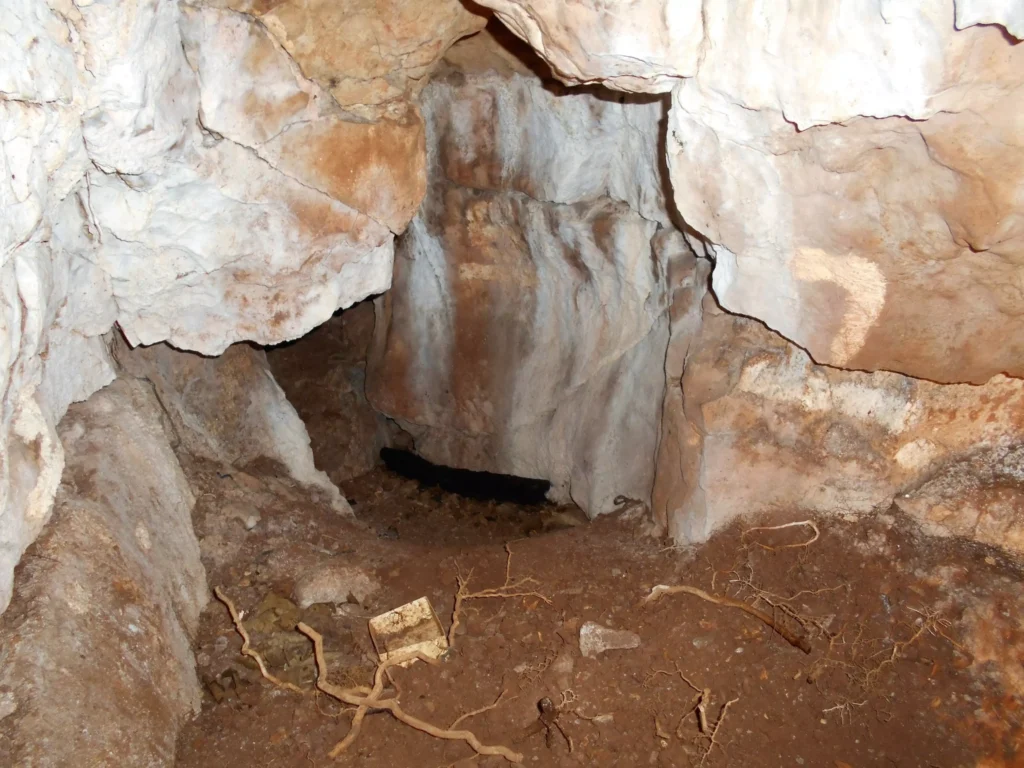
An 11,000-year-old burial discovered in a small limestone cave in Cumbria has now been identified as a young girl, making her the earliest known individual from northern Britain whose sex and age have been scientifically confirmed through DNA analysis.
The child — affectionately named the “Ossick Lass” after the local vernacular for Great Urswick — lived during the Early Mesolithic, shortly after the end of the last Ice Age. Her remains, excavated at Heaning Wood Bone Cave, are now confirmed to belong to a female child aged between 2.5 and 3.5 years old.
The findings, published in the Proceedings of the Prehistoric Society, provide rare genetic insight into one of Britain’s earliest post-glacial communities.
Ancient DNA Reveals a Mesolithic Child
An international team led by archaeologists at the University of Lancashire successfully extracted ancient DNA from the fragile remains. Despite poor preservation typical of early Holocene burials, the team recovered enough genetic material to determine both biological sex and age with unprecedented specificity.
“It is the first time we have been able to be so specific about the age of such ancient remains and be certain they are from a female,” said lead researcher Dr. Rick Peterson.
Radiocarbon dating places the burial between 9290 and 8925 BC — among the earliest securely dated human remains in northern Britain. The site now represents the third oldest Mesolithic burial in northwest Europe, and one of the earliest pieces of evidence for human activity in Britain following the retreat of the glaciers.
Earlier prehistoric burials are known from southern England and Wales, but glacial erosion severely reduced the survival of ancient human remains in the north. Until this discovery, the “earliest northerner” was a roughly 10,000-year-old burial from Kent’s Bank Cavern, also in Cumbria.
A Deliberate Cave Burial
The genetic results strengthen earlier archaeological interpretations that the Ossick Lass was deliberately buried.
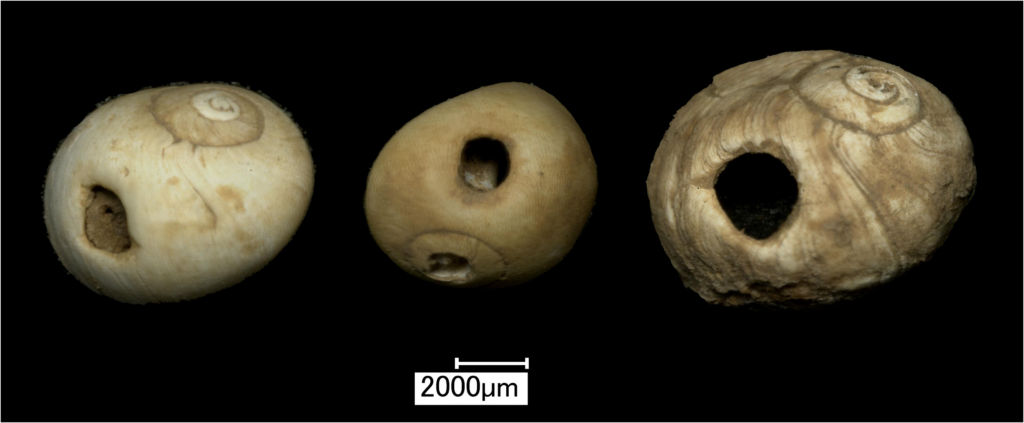
Perforated shell beads discovered at the site — also radiocarbon dated to around 11,000 years ago — appear to belong to the same time period as the child’s remains. Additional items, including a perforated deer tooth and other ornaments, reinforce the suggestion of intentional funerary practices.
“Dating the jewellery to the same time frame as the remains provides further evidence this was a deliberate burial,” Peterson explained. “It opens up important conversations about the significance of caves during the Early Mesolithic.”
He added that ethnographic parallels may help explain the pattern.
“Modern hunter-gatherer groups often see caves as gateways into the spirit world. That may be why we see so many caves used for burial by Early Mesolithic communities in northern Europe.”
Across Belgium, France, Germany, and Britain, caves were repeatedly used for burial during this period — often involving successive interments over time. Heaning Wood now firmly joins that European pattern.
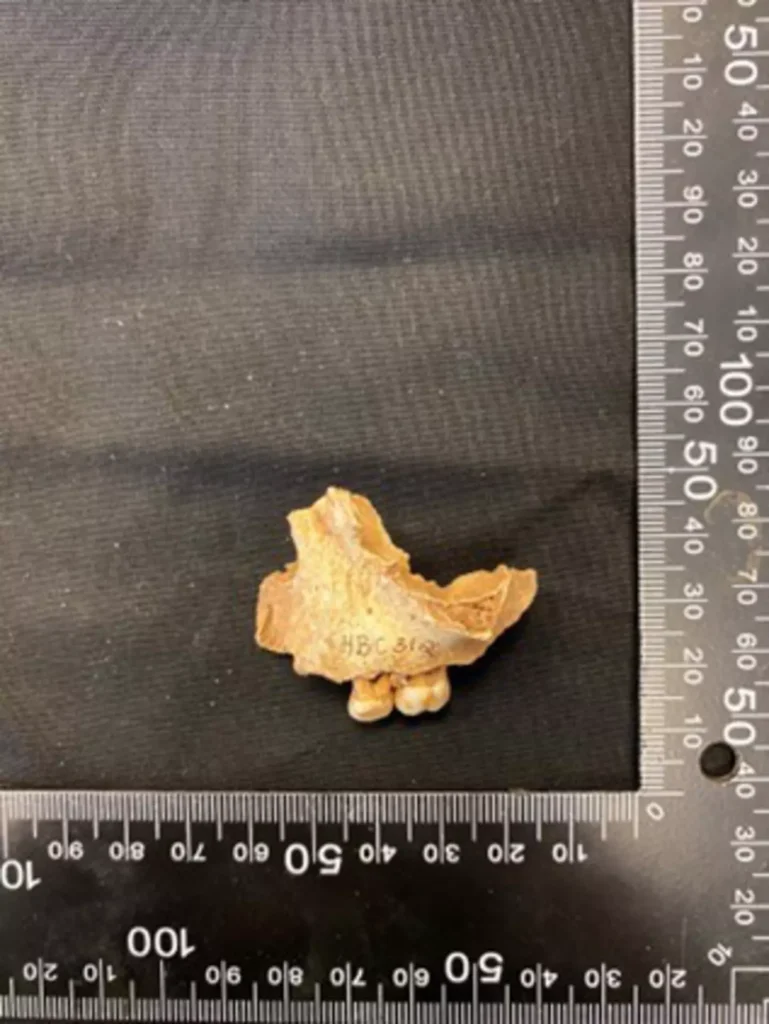
The “Ossick Lass”
The excavation was led by local archaeologist Martin Stables, who began investigating the cave in 2016. A self-taught researcher driven by curiosity about his village’s deep past, Stables named the child to connect her permanently with her place of rest.
“Ossick” is the local pronunciation of Urswick. “Lass” simply means girl.
“It’s nearly ten years since I began excavating,” Stables reflected. “I couldn’t have imagined the journey. It’s as if I travelled back to 9,000 BC.”
He described the emotional impact of uncovering the burial.
“Effectively, I was the first to bear witness to the obviously caring burial of someone’s child that occurred over 11,000 years ago.”
The sense of tenderness embedded in the archaeological evidence — the careful placement, the ornaments, the context — suggests a community that mourned and remembered its youngest members.
A Multi-Layered Prehistoric Burial Site
Heaning Wood Bone Cave did not serve only one generation.
The University team confirmed that at least eight individuals were buried at the site across three distinct prehistoric phases:
Around 11,000 years ago during the Early Mesolithic
Approximately 5,500 years ago in the Early Neolithic
Roughly 4,000 years ago during the Early Bronze Age
Each phase reflects changing burial traditions, yet the cave itself remained a persistent sacred space for millennia.
Taphonomic analysis — the study of how bodies decompose and move within environments — suggests the individuals were deposited as primary burials rather than later reinterments. In other words, the cave functioned as an intentional resting place, not a secondary storage location.
Why Northern Britain Matters
The identification of the Ossick Lass reshapes our understanding of post-Ice Age Britain.
Around 11,000 years ago, Britain was emerging from glacial conditions. Forests were expanding. Hunter-gatherer groups were re-colonising landscapes newly freed from ice. Evidence from this period is sparse, especially in northern regions.
This burial demonstrates that communities were not only present but developing structured ritual practices. Even at the dawn of the Holocene, symbolic behaviour and complex social responses to death were clearly established.
The combination of radiocarbon dating, ancient DNA, isotopic analysis, and artefactual evidence provides one of the most complete pictures yet of Early Mesolithic life — and death — in northern Britain.
A Research Milestone — With More to Come
For Martin Stables, the publication of the study represents a defining moment in a decade-long personal and archaeological journey.
“The publication of this research paper is an important stage, that in due course, allows us to reveal further information about this unique site of national importance,” he said.
Stables, who began excavating the cave in 2016, described the experience as transformative — moving backward through the Bronze Age and Neolithic layers before ultimately reaching the Mesolithic burial that became the emotional centrepiece of the excavation.
“My journey continues, but in the present as this is just the beginning and there is much more we plan to tell,” he added.
With DNA evidence now confirming the identity of the Ossick Lass, Heaning Wood Bone Cave stands not only as a site of scientific importance, but as a rare and intimate glimpse into Britain’s earliest post-glacial communities — and the care they showed even to their youngest members.
Warburton K, Peterson R, Barrington C, et al. Farthest North: Human Remains from Heaning Wood Bone Cave, Cumbria, UK and their European context. Proceedings of the Prehistoric Society. 2025;91:47-66. doi:10.1017/ppr.2025.10077
Cover Image Credit: Martin Stables – Proceedings of the Prehistoric Society
