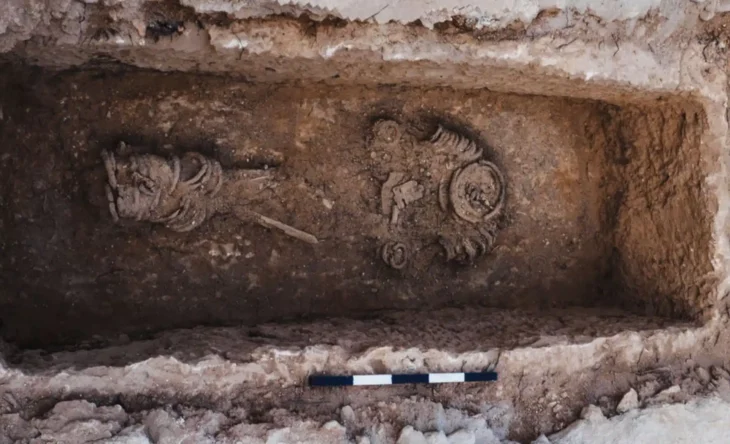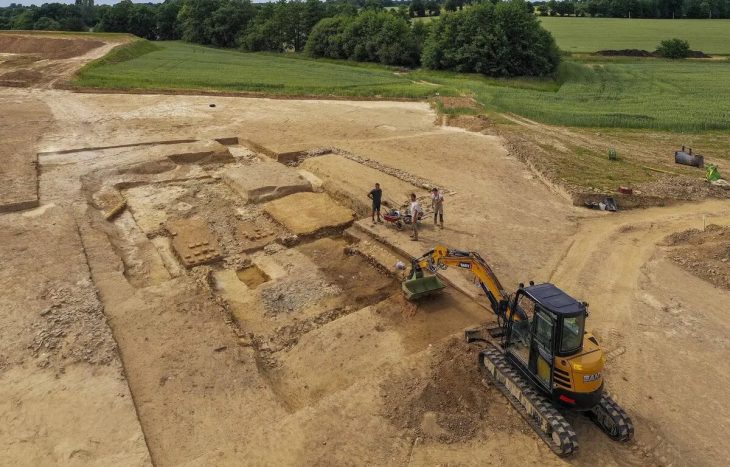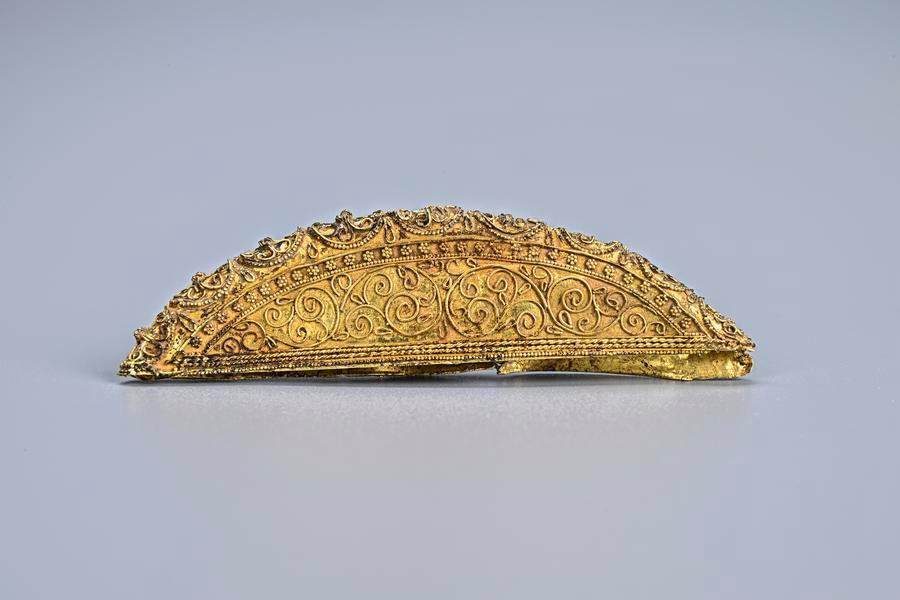
Archaeologists in northwest China have uncovered a remarkably well-preserved Tang Dynasty tomb containing rare gold, silver, bronze, and ceramic artifacts, shedding new light on craftsmanship, cultural exchange, and elite life during one of China’s most influential historical eras. The discovery was made in Jiali Village in Xi’an’s Chang’an District during an extensive excavation carried out between January 2022 and April 2024 by the Shaanxi Academy of Archaeology.
The tomb, officially designated M228, belonged to Ma Sanniang, the wife of Dong Shunxian, a Tang Dynasty military officer. Historical documents confirm that she was buried in 698 AD, at the height of the Tang Empire’s power and international reach. From the site, archaeologists recovered 19 burial objects or sets, including pottery, bronze, iron, stone items, and a collection of exquisitely crafted gold and silver objects that reflect the refined artistic traditions of the period.
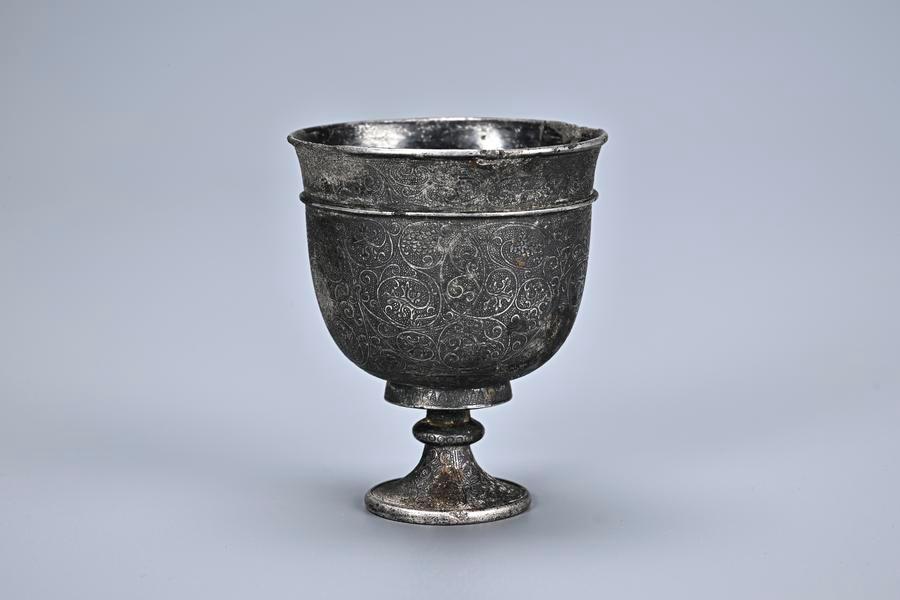
Researchers noted that many of the precious metal artifacts were personal accessories such as hair ornaments, containers, and decorative vessels used by elite women of the Tang court. Among the most striking finds were a silver jar and a stemmed cup adorned with grapevine motifs—designs influenced by artistic traditions from the Western Regions, an area associated with the Silk Road trading network. The intricate engraving and high-level metalworking seen on these items demonstrate both technological sophistication and a blend of domestic and foreign artistic styles.
According to Shi Sheng, a researcher with the Shaanxi Academy of Archaeology, the artifacts discovered in Ma Sanniang’s tomb provide important physical evidence of cultural interaction and international trade during the Tang Dynasty. The presence of Western-inspired designs suggests that artisans in China’s central plains were not only aware of foreign aesthetics but were actively incorporating them into luxury goods. This fusion reflects the cosmopolitan nature of Tang society, particularly during its peak in the 7th century.
The discovery is especially significant because the Tang Dynasty (618–907) is often regarded as one of the golden ages of Chinese history. During this period, the empire experienced political stability, economic expansion, and vibrant cultural exchange facilitated by the Silk Road. Chang’an—present-day Xi’an—served as the capital and one of the world’s largest and most diverse cities, attracting traders, scholars, diplomats, and artists from Central Asia, Persia, and beyond.
📣 Our WhatsApp channel is now LIVE! Stay up-to-date with the latest news and updates, just click here to follow us on WhatsApp and never miss a thing!!
The Tang Dynasty is also known for its achievements in poetry, painting, music, and religious tolerance. Buddhism, Daoism, and Confucianism coexisted and influenced one another, while international religions such as Nestorian Christianity and Zoroastrianism were introduced into China through trade routes. This multicultural environment contributed to artistic innovations like the grapevine decorative patterns seen on the silver vessels recovered from Ma Sanniang’s tomb.
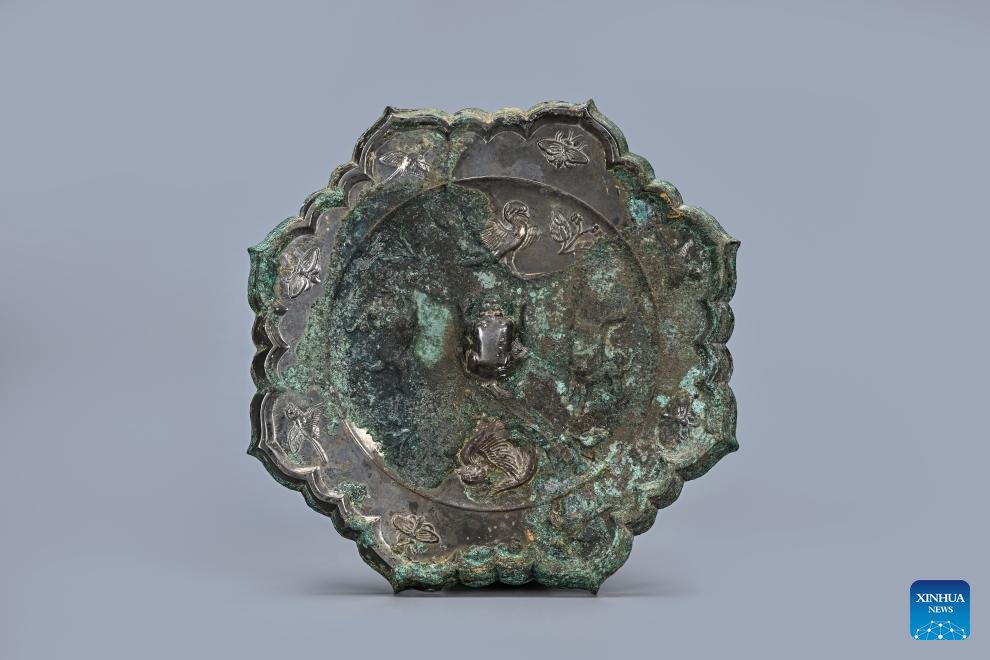
Another notable feature of the Tang era was its advanced craftsmanship and luxury culture. Elite women often owned ornate jewelry, cosmetic containers, and fine metalware, symbolizing social status and wealth. The artifacts from the newly discovered tomb align with this tradition, providing archaeologists with a rare opportunity to study the lifestyle and identity of upper-class women in the late 7th century.
Beyond their artistic value, the objects serve as valuable research materials for historians studying economic and cultural connections between China and neighboring civilizations. The combination of imported design elements and local craftsmanship illustrates how the Tang Dynasty functioned as a crossroads of East-West interaction, reinforcing its reputation as one of the most globally connected empires of the medieval world.
As excavation and analysis continue, experts believe the site will deepen understanding of Tang funerary customs, social hierarchy, and international engagement. The discovery of Ma Sanniang’s tomb not only enriches the archaeological record of Xi’an but also highlights the enduring legacy of the Tang Dynasty—an era remembered for its prosperity, openness, and artistic brilliance.
Cover Image Credit: Gold hair ornament from the Tang Dynasty tomb of Ma Sanniang in Xi’an, Shaanxi Province. Shaanxi Academy of Archaeology/Xinhua