
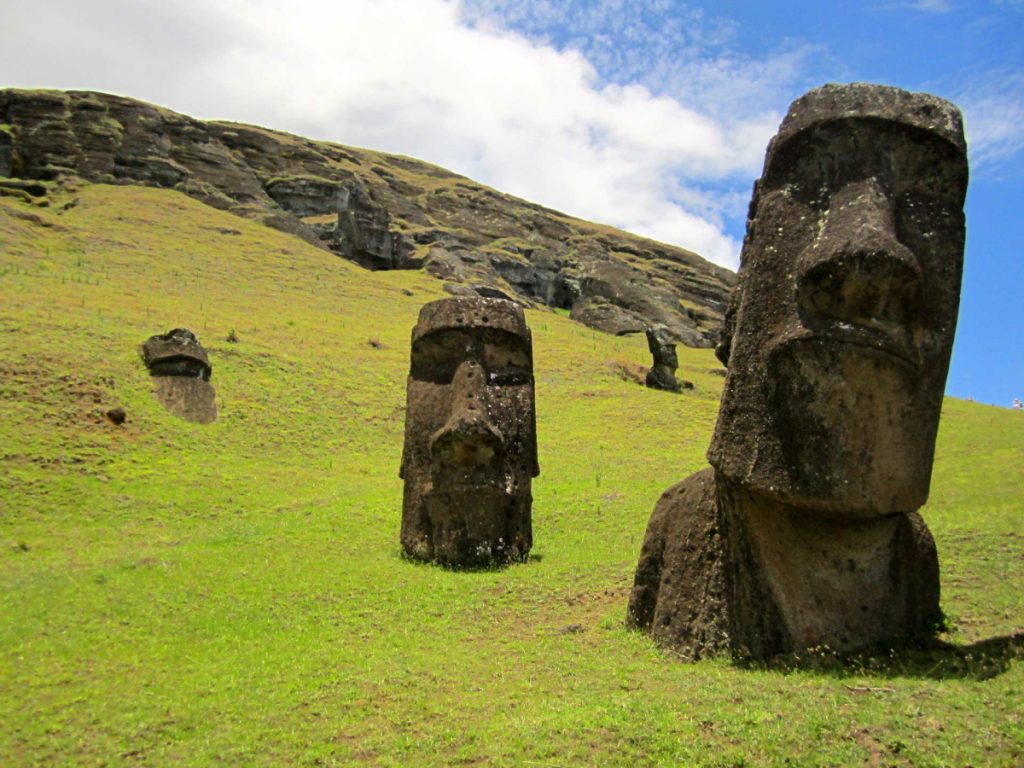
A new Moai statue has been discovered on Rapa Nui, a Chilean territory known as Easter Island.
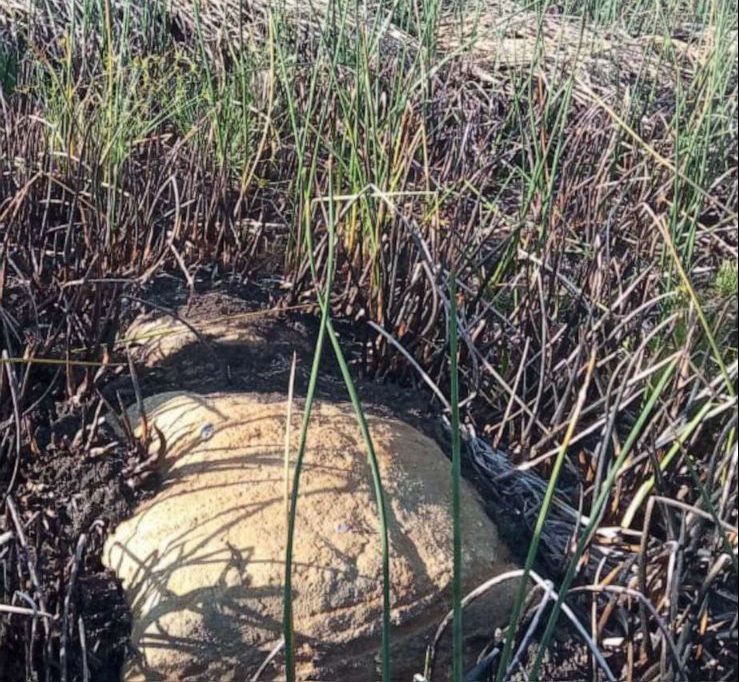
The sacred monument, smaller than most of the island’s structures, was discovered buried in a dried-up lake bed.
This area is not usually accessible to humans but had dried out most likely due to climate-related weather conditions, allowing archaeologists to attempt an excavation.
On Easter Island, there are nearly 1,000 extant monumental statues known as moai, which the early Rapa Nui people built. The tallest moai statue on the island is 33 feet tall, and the statues weigh three to five tons on average but can weigh up to 80 tons.
Just when most thought there was nothing more to discover on the island, a new moai statue was found, according to Salvador Atan Hito, the vice president of Ma’u Henua.
Ma’u Henua is the indigenous organization in charge of the island’s national park, which is home to the Rapa Nui indigenous people.
“For the Rapa Nui people, it’s [a] very, very important discovery,” Salvador Atan Hito, which oversees the site, told Good Morning America. “Because it’s here in the lake and nobody knows this exists — even the ancestors, our grandparents, don’t know [about] that one.”
Terry Hunt, a professor of archaeology at the University of Arizona who specializes in the Rapa Nui, added, “we think we know all the moai, but then a new one turns up. There have been no moai found in the dry bed or in what was previously a lake, so this is a first.”
The archaeologists are now on a mission to see what else they can find at the site, looking for evidence of moai as well as tools that may have been used to create them.
“They’ve been hidden by the tall reeds that grow in the lake bed and prospecting with something that can detect what’s under the ground surface may tell us that there are in fact more moai in the lakebed sediments,” explained Hunt. “When there’s one moai in the lake, there’s probably more.”
