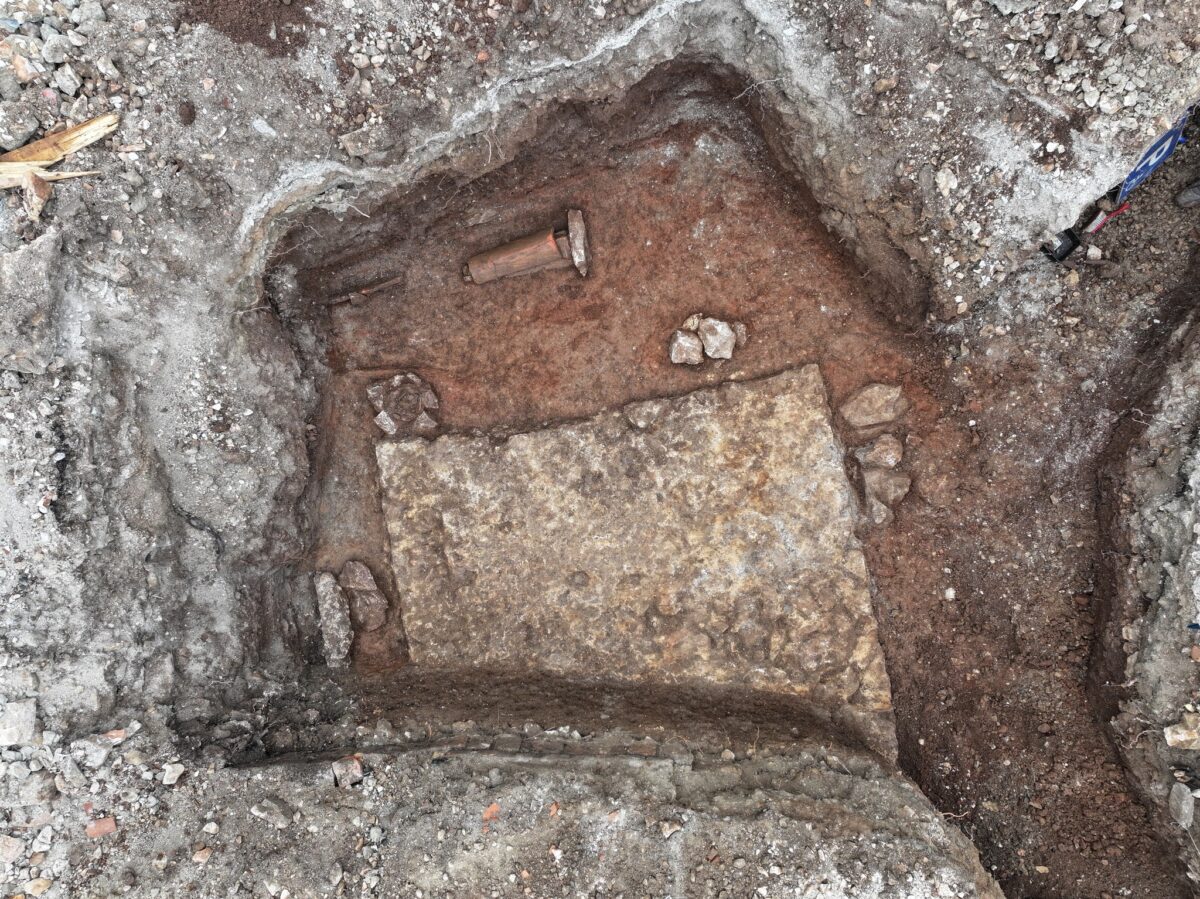
Beneath the modern urban fabric of Zadar, archaeologists are uncovering compelling new evidence that confirms the existence of a massive Roman necropolis used continuously for nearly five centuries. Recent excavations in the Relja district reinforce the conclusion that this area formed part of a vast and long-lasting funerary complex connected to the ancient city of Iader.
This discovery not only strengthens previous archaeological interpretations but also significantly advances our understanding of Roman urban planning, burial customs, and social continuity along the eastern Adriatic coast.
Archaeological Evidence Points to 500 Years of Continuous Use
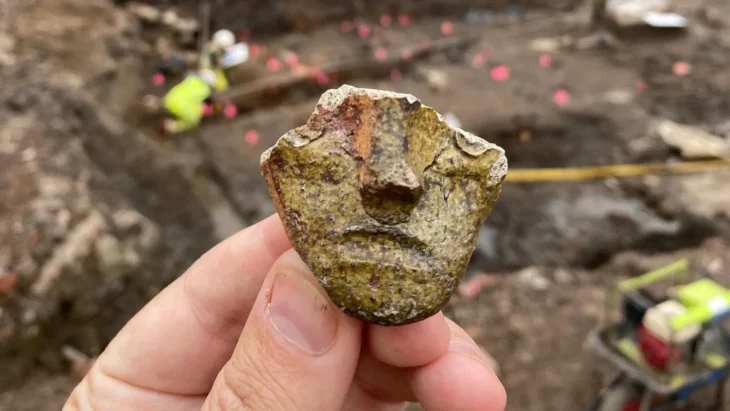
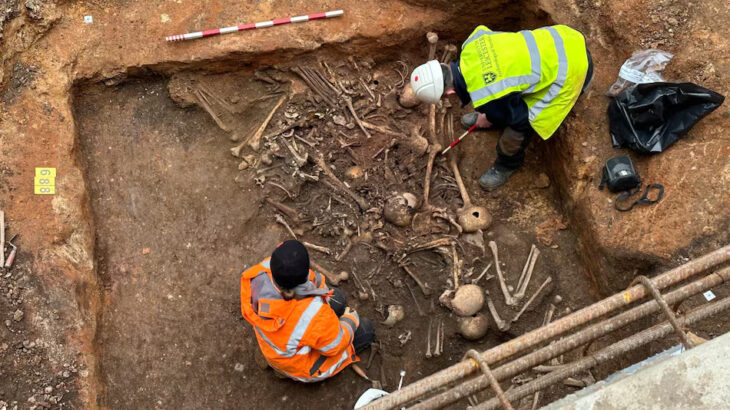
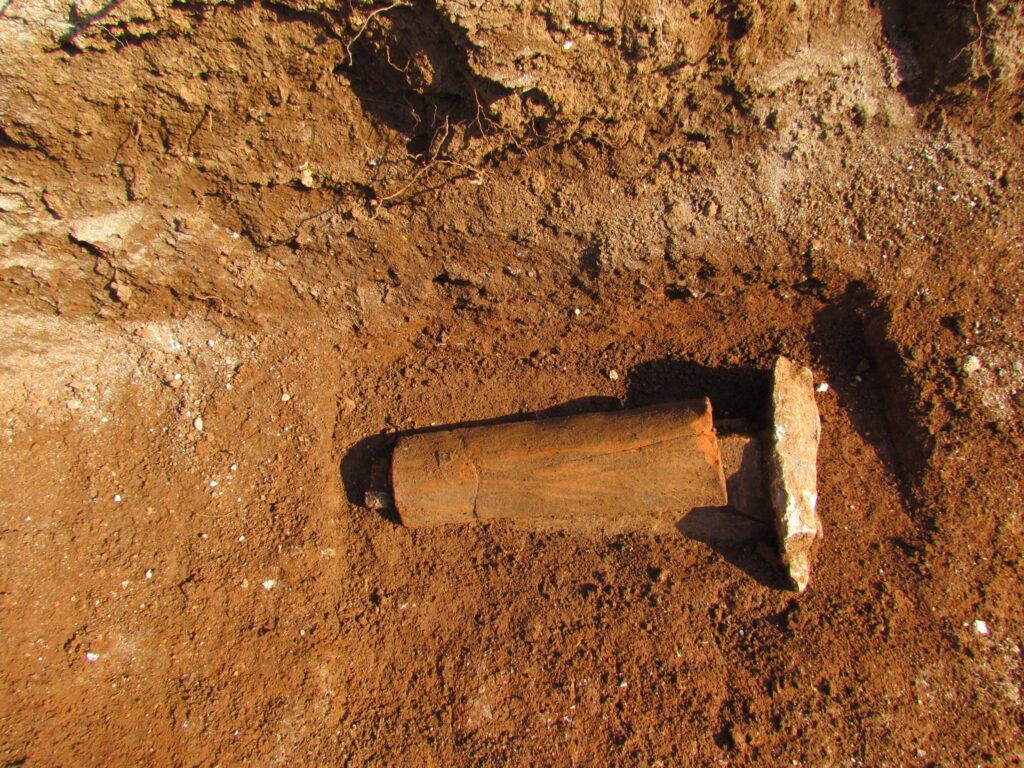
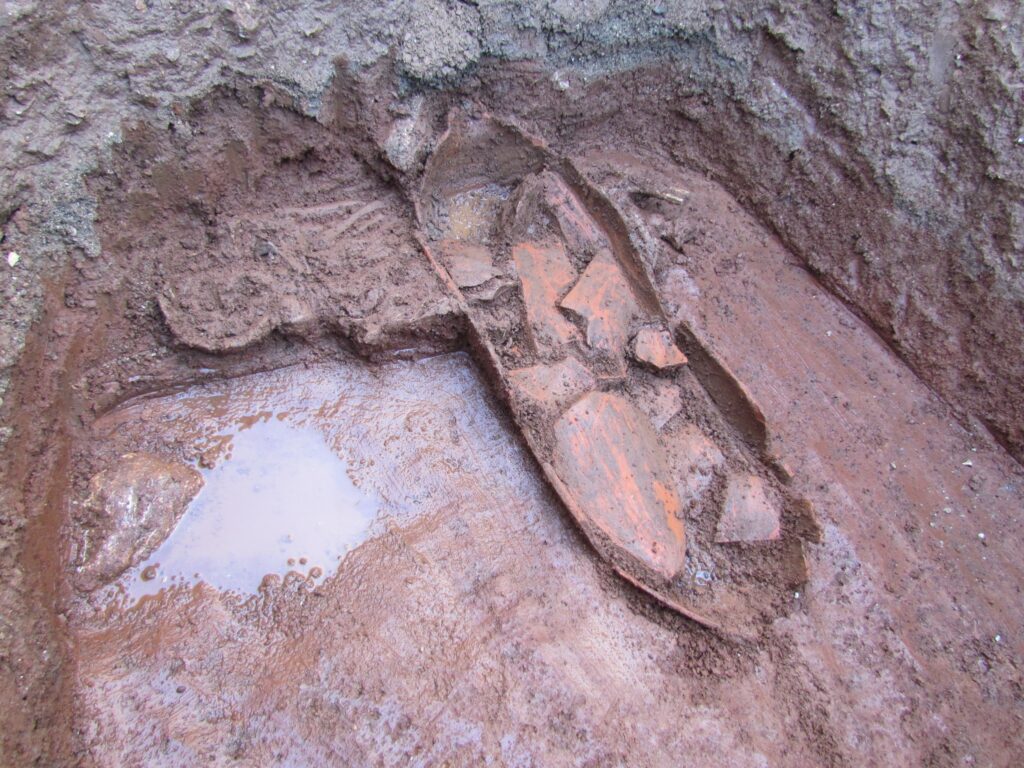
Excavations carried out by the University of Zadar at the former site of the Croatian Automobile Club (HAK) have revealed newly identified Roman burials, including urns made of ceramic and glass as well as amphorae used as funerary containers. These findings are consistent with earlier discoveries across the wider Relja area, where more than 3,000 graves have already been documented.
Led by Igor Borzić and Ivana Jadrić-Kučan, the research confirms that this burial zone was in use from the late 1st century BCE until the 5th century CE. The uninterrupted use of the site over such a long period demonstrates a remarkable degree of spatial continuity in funerary practices, making it one of the most significant long-term burial landscapes in Roman Dalmatia.
Strategic Location Outside the Roman City Walls
The positioning of the necropolis follows well-established Roman customs. In accordance with Roman law and religious beliefs, burials were prohibited within city walls. As a result, cemeteries were typically located along major roads leading into urban centers.
📣 Our WhatsApp channel is now LIVE! Stay up-to-date with the latest news and updates, just click here to follow us on WhatsApp and never miss a thing!!
The Relja necropolis developed along one such key access route to Iader, indicating its importance within the city’s broader infrastructure. Its location reflects both practical and symbolic considerations: visibility to travelers, accessibility for funeral processions, and alignment with the structured layout of Roman cities.
The density and scale of burials in this corridor suggest that it was a primary funerary zone during the city’s peak periods of occupation.
More Than 3,000 Graves Reveal Social and Cultural Patterns
Archaeological investigations spanning more than a century have identified graves across a wide urban perimeter, including areas now occupied by commercial buildings, residential zones, and public institutions. Sites such as the Relja shopping center, nearby gardens, and surrounding infrastructure all sit atop this extensive necropolis.
The sheer number of burials—exceeding 3,000—provides a statistically significant dataset for analyzing long-term social and cultural patterns. Variations in grave construction, burial methods, and associated goods indicate differences in wealth, status, and cultural influences within the population of ancient Iader.
This continuity over five centuries allows researchers to trace gradual transformations in burial rites, reflecting broader changes within the Roman Empire itself.
Funerary Goods Offer Insight Into Roman Beliefs
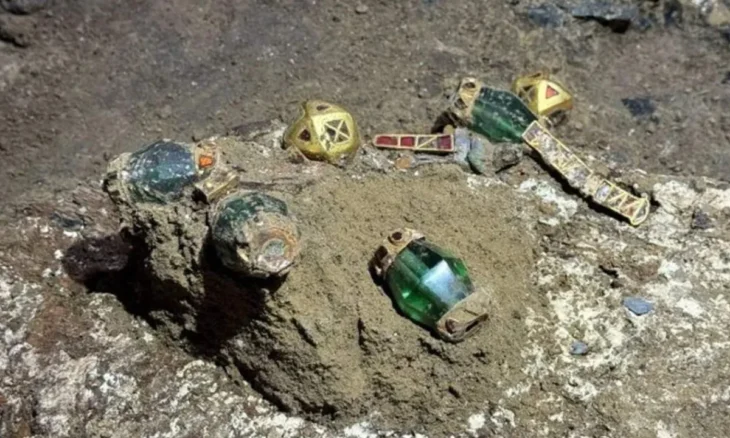
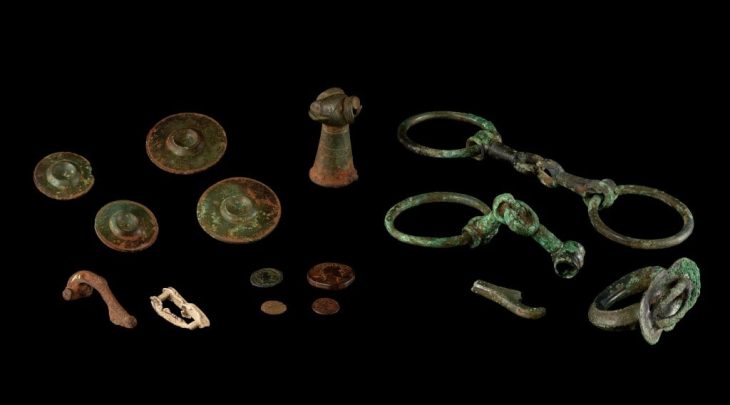
The graves uncovered in Relja frequently contain a rich assemblage of objects placed alongside the deceased. These include ceramic and glass vessels, jewelry, oil lamps, and coins—each carrying symbolic and practical significance within Roman funerary traditions.
Oil lamps, or lucernae, were commonly included to provide light in the afterlife, while coins are often associated with the ritual payment for passage to the underworld. Tableware and containers suggest the continuation of daily practices beyond death, reflecting a belief system in which the afterlife mirrored earthly existence.
The presence of amphorae as burial containers in some cases highlights variations in funerary treatment, possibly linked to age, status, or local customs.
A Key Indicator of Trade and Connectivity in Roman Dalmatia
One of the most significant aspects of the Relja necropolis is the diversity of materials found within the graves. Many artifacts originate from different parts of the Mediterranean, indicating that Iader was deeply integrated into regional and long-distance trade networks.
As a coastal city, Zadar played a strategic role in connecting maritime routes across the Adriatic with inland territories of the Roman province of Dalmatia. The imported goods discovered in burial contexts provide direct evidence of these connections, reinforcing the city’s importance as a التجاري and cultural hub.
This level of connectivity is further reflected in the stylistic diversity of the artifacts, which display influences from various regions of the Roman world.
Ongoing Excavations Continue to Expand the Necropolis Map
The latest discoveries at the former HAK site demonstrate that the boundaries of the necropolis are still not fully defined. Each new excavation contributes to a more precise understanding of its spatial extent and internal organization.
Researchers emphasize that the subsurface of Relja likely contains additional undiscovered burial contexts, meaning that future archaeological work will continue to refine interpretations of the site. The accumulation of data from both historical and modern excavations is essential for reconstructing the full scope of this funerary landscape.
The confirmation that this area was used continuously for nearly five centuries underscores its central role in the life—and death—of ancient Iader. It also highlights the importance of systematic archaeological research in urban environments where layers of history remain hidden beneath modern development.
As investigations progress, the necropolis of Relja stands out as one of the most important archaeological resources in Croatia, offering a rare and detailed record of long-term human activity within a Roman urban context.
Odjel za arheologiju, Sveučilište u Zadru (Department of Archaeology at the University of Zadar)
Cover Image Credit: Department of Archaeology at the University of Zadar via Facebook