
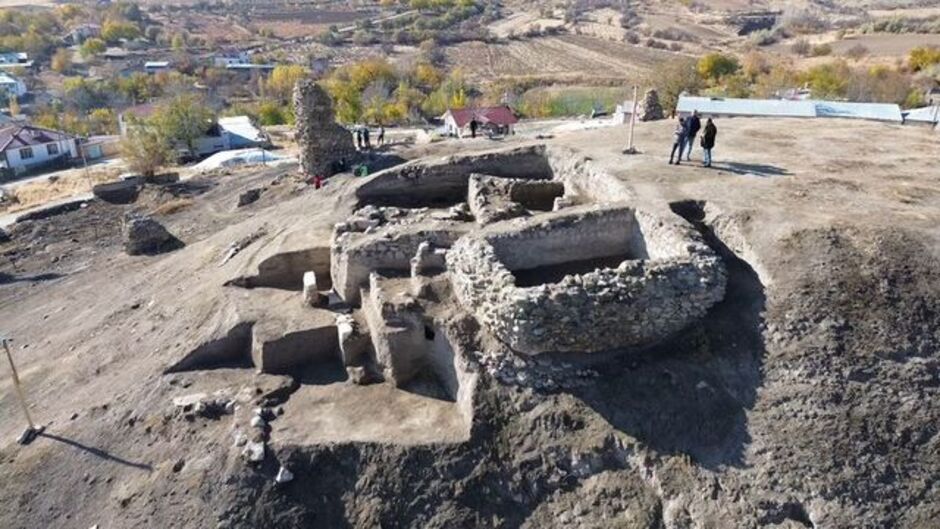
Governor Numan Hatipoğlu announced on his official X account that archaeologists at Tadım Castle and Mound (Tadım Höyük) have uncovered rare double-headed sacred hearths, a discovery that sheds light on the spiritual rituals of ancient Anatolia. The find, along with decorated pottery and altar remains, marks one of the most significant breakthroughs of the ongoing excavations in Elazığ.
Elazığ’s Tadım Castle and Höyük have once again proven to be a treasure trove of history, as ongoing excavations continue to uncover stunning evidence of Anatolia’s prehistoric civilizations.
Ancient Fire, Dual Flames, Deep Meaning
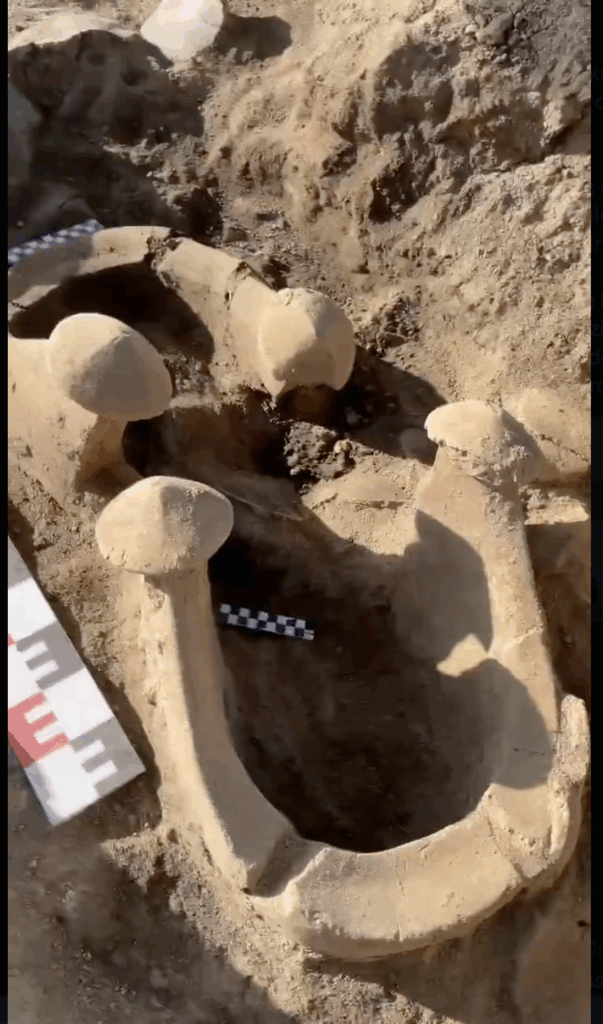
In a remarkable revelation, the excavation team at Tadım Castle and Mound —led by the Elazığ Archaeology and Ethnography Museum Directorate—has unearthed two 6,000-year-old hearths, uniquely carved with bull motifs on both ends, dating from approximately 4000–3000 BCE.
What sets the 2025 discoveries apart from earlier seasons is the unique design of the hearths. Unlike the single-headed hearths found in 2024, these are double-headed structures adorned with animal depictions symbolizing power and divine authority.
These double-headed hearths go beyond mere architectural features—they serve as symbolic hearthstones reflecting the sanctity of fire and the central role of communal or familial worship. Scholars believe that fire, long considered sacred, was here enshrined through these specially designed hearths, reinforcing the hearth not only as a household center but also a spiritual anchor.
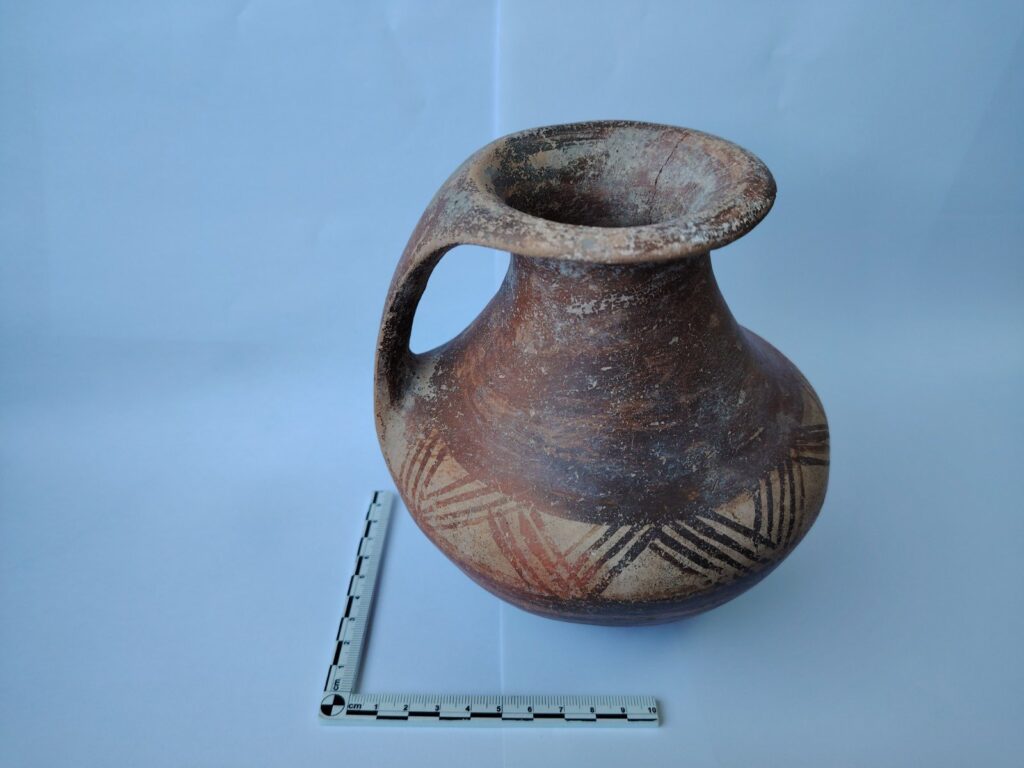
The single-handled jug found beside them is thought to have been used in ritual offerings of sacrificial blood or sacred liquids, offering a rare glimpse into the spiritual beliefs of early Anatolian societies.
Evidence of Sacrificial Rituals
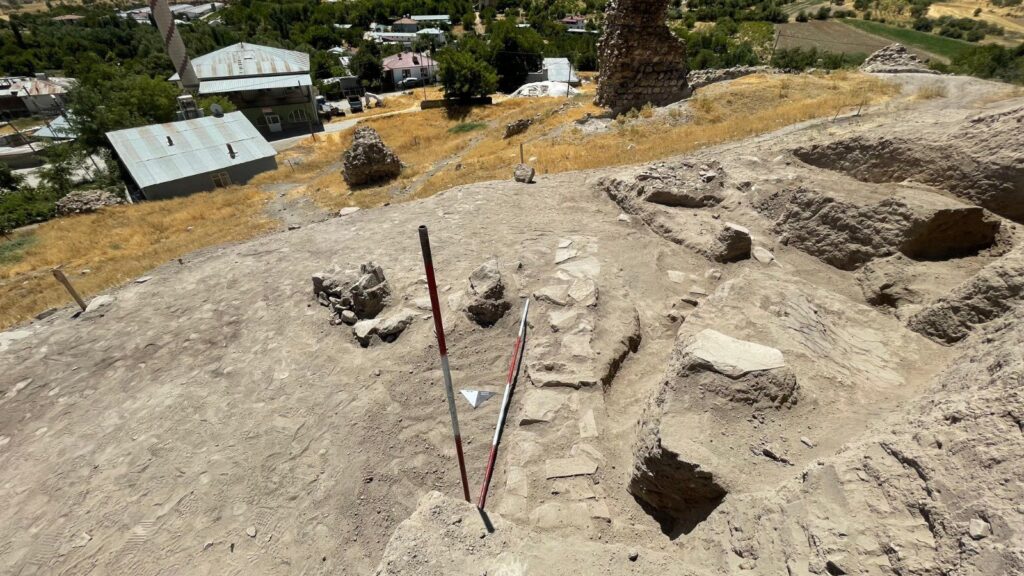
Equally striking is the discovery of two adjoining domestic structures alongside five altar bases. Among them, a stone altar with a carved blood channel was uncovered. Cut marks consistent with the use of sharp tools were visible on the altar’s surface. Surrounding the altar, archaeologists found human teeth, human bones, and animal remains, indicating that sacrificial rituals dedicated to gods and goddesses took place here thousands of years ago.
These dramatic findings highlight the site’s role as not only a settlement but also a major religious center, where communal rituals were deeply integrated into daily life.
A Window into Ancient Architecture
This year’s excavations revealed a rectangular dwelling measuring 11.60 meters in length, 5.70 meters in width, and divided into three separate chambers. The building’s thick walls of 50–60 centimeters and its total area of 66 square meters provide a remarkable example of early domestic architecture. The floor was covered with a striking yellow plaster layer, created from compressed earth mixed with sand, clay, and lime, pointing to advanced construction techniques for its time.
Inside the southern chamber, archaeologists uncovered two sacred hearths, a single-handled jug decorated with geometric motifs, and numerous examples of Karaz-style pottery. These findings shed light not only on the daily lives of the inhabitants but also on their spiritual and ritual practices.
Tools of Daily Life and Textile Production
Beyond the ritual evidence, the excavations also unearthed tools that paint a vivid picture of domestic and economic activities. Piercing tools crafted from animal bones, as well as terracotta and stone loom weights, were found inside the houses. Experts believe these items point to the existence of a well-developed textile production culture, demonstrating that Tadım Höyüğü’s inhabitants engaged in weaving and trade alongside their ritual practices.
Building on Previous Discoveries
The new findings build upon significant discoveries from the 2024 season. Earlier excavations had uncovered fixed and portable sacred hearths, decorated with mother, father, and child figures, as well as stylized human-animal forms.
In addition, a goat-decorated vessel and 12 Nakhchivan-type Karaz pots were unearthed, dating to approximately 4000–3000 BCE. Together, these artifacts confirm the long-standing cultural and religious significance of the Tadım settlement.
A Heritage for the Future
The Tadım Höyük excavations are being conducted as part of the Ministry of Culture and Tourism’s “Heritage for the Future Project” (Geleceğe Miras Projesi). This initiative seeks to preserve, study, and share the rich history of Elazığ with both the scientific community and future generations.
Governor Numan Kurtulmuş emphasized the importance of these findings in his announcement:
“The discoveries at Tadım Höyüğü illuminate not only the history of Elazığ but also the deep cultural heritage of Anatolia. These treasures are part of our shared legacy, and we are committed to preserving them for the future.”
Global Significance
The blend of ritual altars, sacrificial evidence, symbolic hearths, and textile tools positions Tadım Höyüğü as one of the most important archaeological sites in Eastern Anatolia. The discoveries provide new perspectives on the social, spiritual, and economic life of communities living nearly 5,000 years ago.
As work continues, each layer of Tadım Höyük brings us closer to understanding the beliefs, traditions, and innovations of ancient societies—offering a timeless reminder that Anatolia has always been a cradle of civilization.
Cover Image Credit: Elazığ Governor Numan Hatipoğlu’s social media account.
