Archaeologists conducting excavations at the ancient site of Kleidi Samikon in western Greece have uncovered a remarkable bronze inscription and a collection of charred bronze sheets that may represent a long-lost ancient archive.
Dating back to the 6th century BCE, the discoveries were made within a large temple structure, revealing not only the religious significance of the sanctuary but also its potential role in administrative and record-keeping activities of the time. Led by researchers from the Ephorate of Antiquities of Ilia and the Austrian Archaeological Institute, this excavation offers fresh insights into how sacred spaces in ancient Greece could also serve as centers of civic documentation and governance.
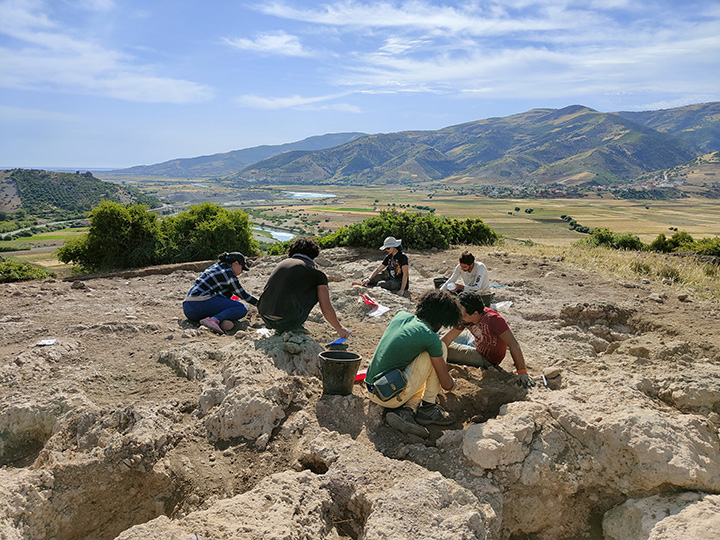
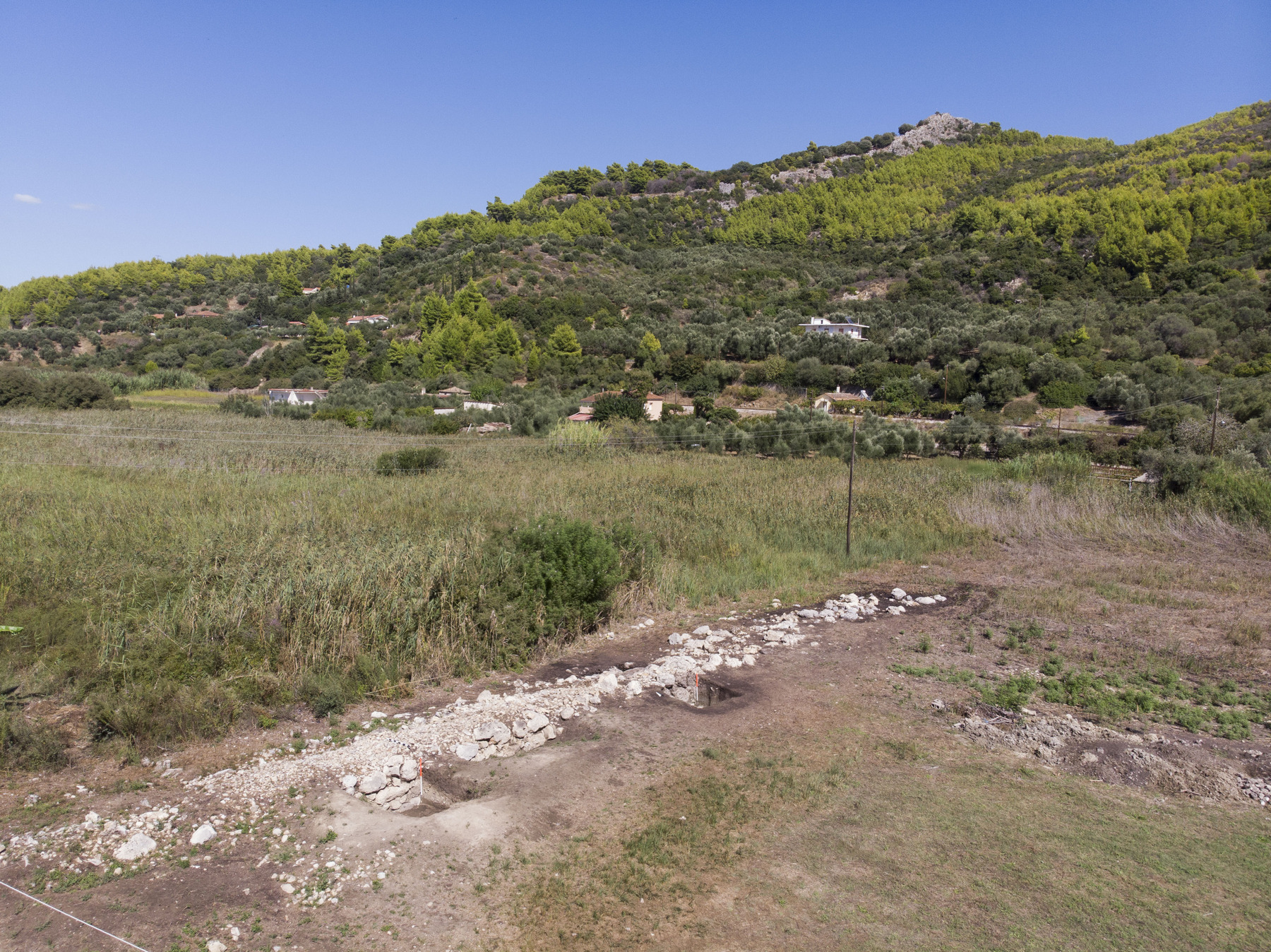
The project, led by archaeologists Birgitta Eder and Erofili-Iris Kolia, forms part of a five-year research program (2022–2026) investigating the ancient sanctuary and settlement remains at Kleidi Samikon, a site located near the Ionian coast in the region of Ilia.
A Temple with an Unusual Layout
At the heart of the research is a large Archaic-period temple measuring approximately 28 meters long and 9.5 meters wide. Archaeologists believe the structure was built during the second half of the 6th century BCE. Unlike many temples from this period, the building features two large independent halls, each with a central row of columns running along its axis.
This distinctive architectural design suggests that the building may have served multiple functions within the sanctuary complex. While one hall may have had a ritual or ceremonial role, the other appears increasingly likely to have been used for administrative or archival purposes.
📣 Our WhatsApp channel is now LIVE! Stay up-to-date with the latest news and updates, just click here to follow us on WhatsApp and never miss a thing!!
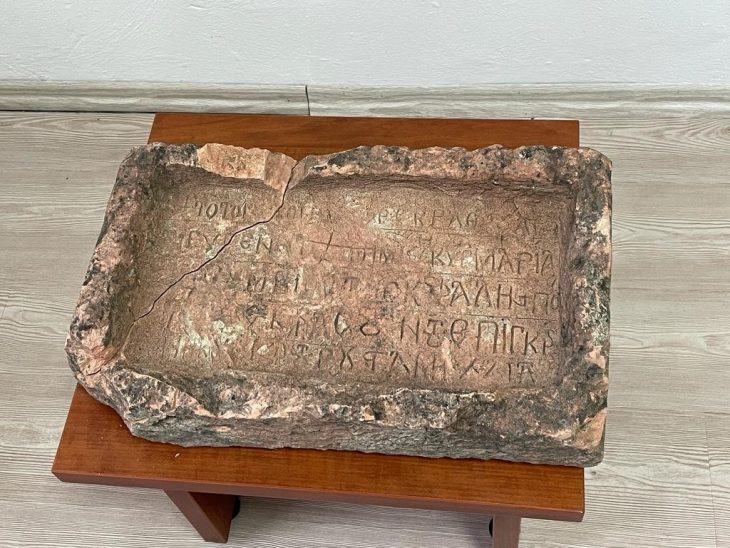
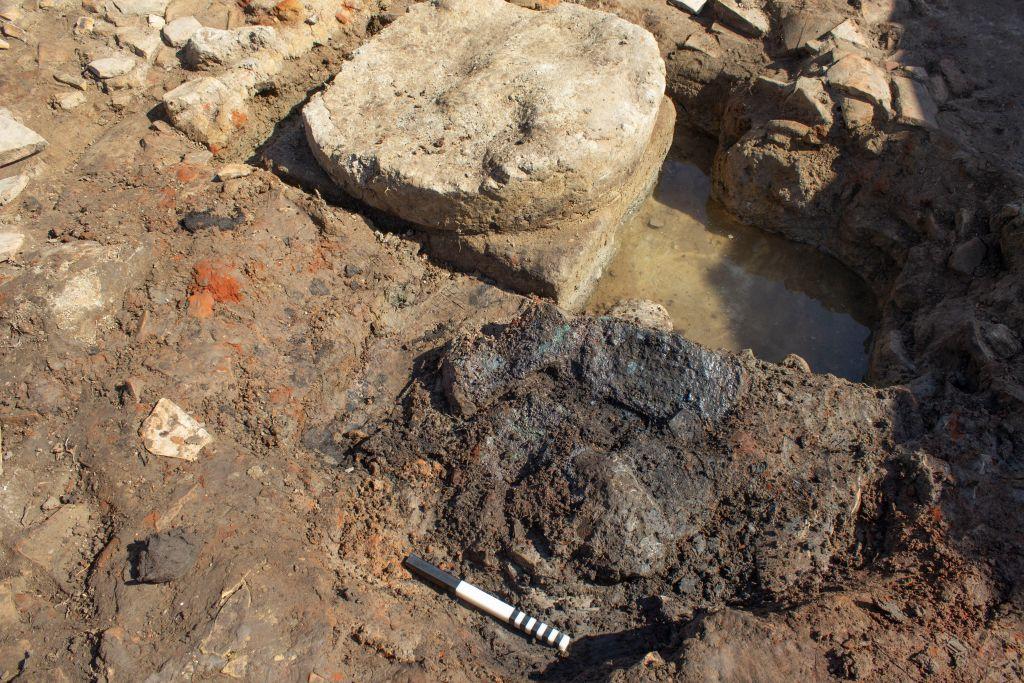
During the most recent excavation campaign, researchers focused on the northwestern hall, where important finds had already emerged during the previous season. Among those earlier discoveries were a large bronze inscription and a nearly intact marble perirrhanterion—a basin used for ritual purification before entering sacred spaces.
Evidence of Fire and Hidden Archives
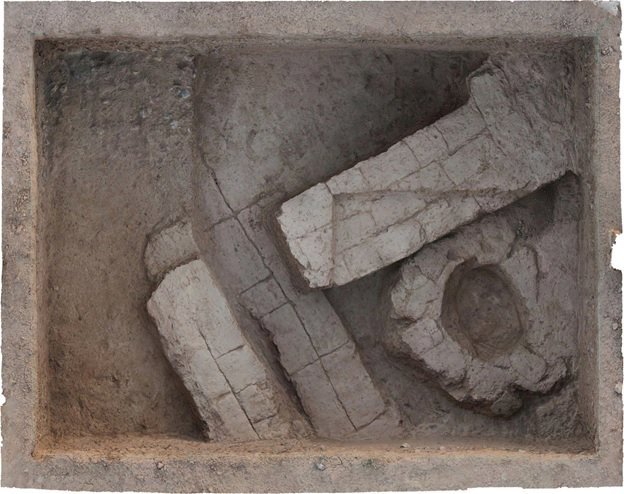
This year’s excavation removed a thick layer of collapsed Laconian roof tiles that once covered the structure. Beneath them, archaeologists uncovered clear traces of a destructive fire that likely led to the temple’s collapse in antiquity.
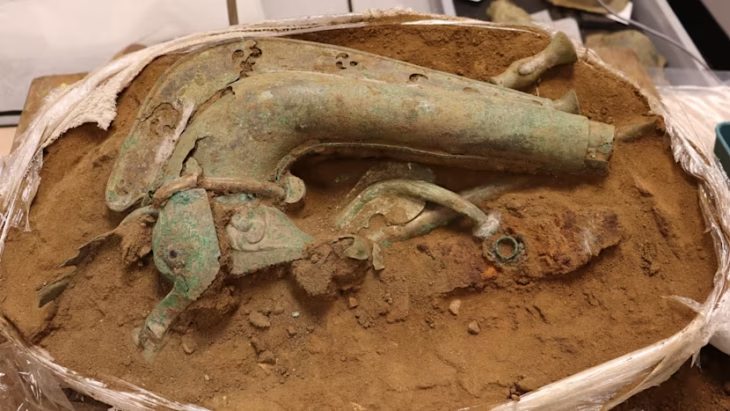
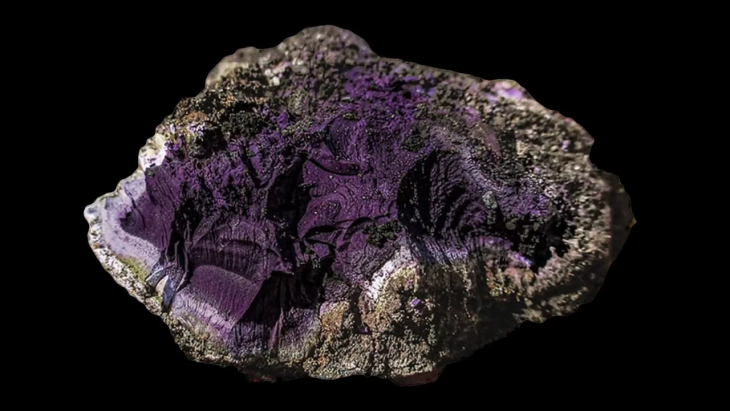
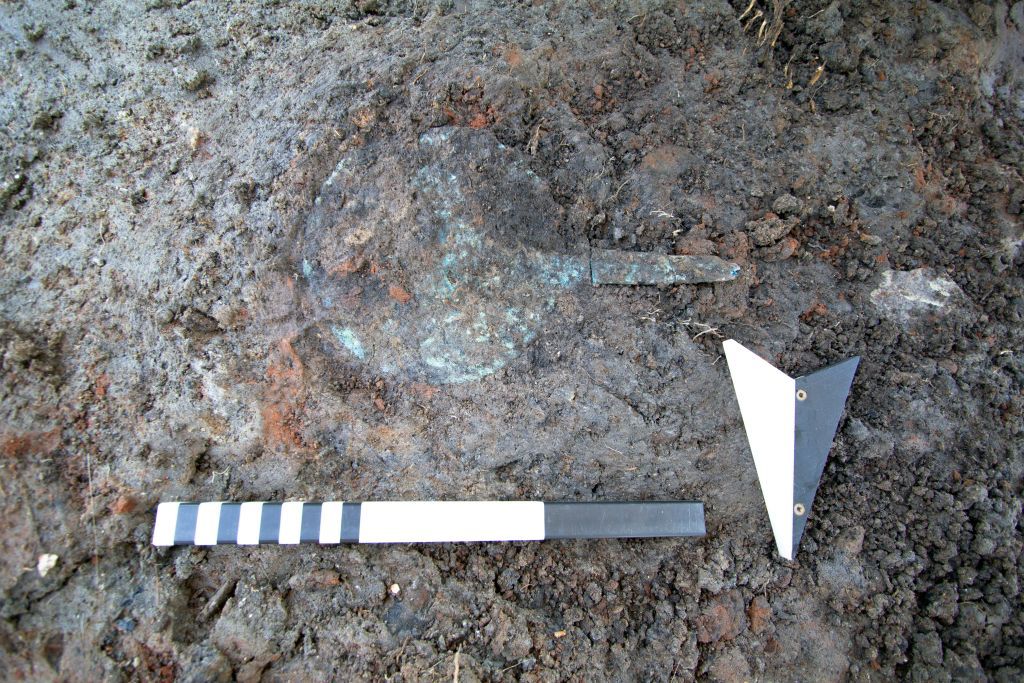
On the floor of the hall, the team discovered numerous artifacts, including a remarkable concentration of bronze sheets that had been severely damaged by the combined effects of fire and groundwater over centuries. Despite their fragmentary condition, these metal pieces are considered highly significant.
When analyzed alongside the bronze inscription discovered earlier, the finds strengthen the hypothesis that this hall may have functioned as an archive where important documents or records were stored. In ancient Greek sanctuaries, such archival spaces were sometimes used to safeguard treaties, laws, dedications, or civic records under the protection of the gods.
If confirmed, this interpretation would make the structure at Kleidi Samikon an important example of how sacred spaces could also serve administrative functions in ancient Greece.
Monumental Decorative Elements
Another striking discovery from the excavation is the recovery of three fragments of a large disc-shaped roof acroterion—an architectural ornament placed at the top of a temple’s roofline.
These fragments allow archaeologists to reconstruct a clay acroterion with a diameter of at least one meter. The piece was decorated with black and red paint and featured layered relief bands, indicating a visually impressive decorative program for the temple’s roof.
Such monumental architectural decoration reflects the importance of the sanctuary and suggests that the temple once stood as a prominent landmark in the surrounding landscape.
The Historical Importance of Samikon
The archaeological site of Kleidi Samikon lies near the ancient city of Samikon, an important settlement in the region of Triphylia. In antiquity, Samikon was strategically located between the mountains and the Ionian Sea, controlling key routes through western Peloponnese.
Ancient literary sources connect the area with the sanctuary of Poseidon Samios, which was associated with regional political gatherings among local communities. Because of this historical significance, archaeologists believe the site may have played an important religious and political role in western Greece during the Archaic and Classical periods.
International Collaboration Driving Discovery
The excavation is supported by the Gerda Henkel Foundation and the Austrian Archaeological Institute, highlighting the importance of international collaboration in archaeological research.
As the five-year program continues, researchers expect further discoveries that could clarify how the sanctuary functioned and how its temple complex evolved over time. Ongoing conservation and analysis of the bronze fragments and inscriptions may also reveal new information about administrative practices and religious life in ancient Greece.
With each new excavation season, Kleidi Samikon is emerging as one of the most intriguing archaeological sites in the Peloponnese—offering rare insights into the intersection of ritual, architecture, and civic administration in the ancient Mediterranean world.
Cover Image Credit: Greek Ministry of Culture