
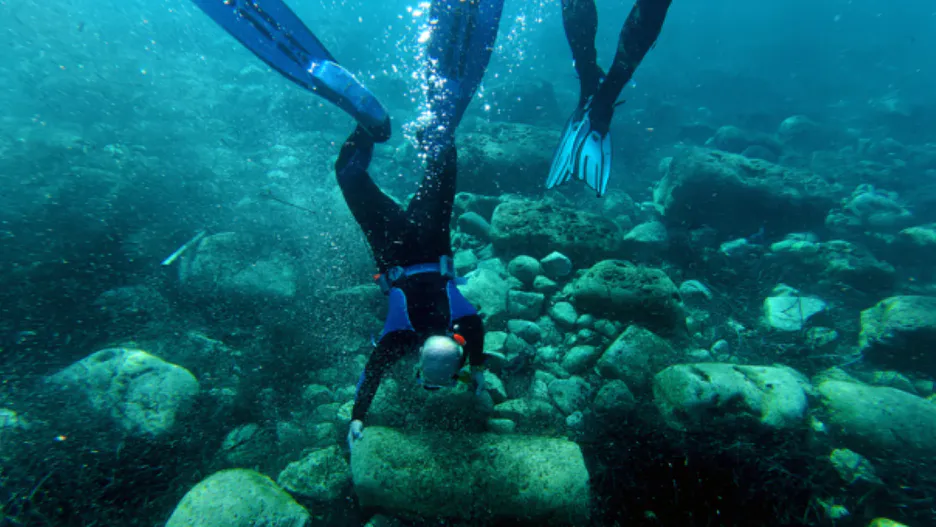
A team of Polish archaeologists has uncovered what researchers describe as an ancient “ship graveyard” off the coast of the historic city of Ptolemais, revealing a remarkable concentration of maritime artifacts stretching more than 100 meters across the seabed. The discovery could shed new light on ancient Mediterranean trade routes and maritime disasters that occurred centuries ago.
The underwater site, located several kilometers east of the city’s ancient harbor, contains fragments of ships, cargo remains, amphorae, anchors, and other artifacts dating back to antiquity. According to the research team, the density of archaeological materials suggests that multiple ships sank in the same area, likely while approaching the once-thriving port city.
A Historic Port With Hidden Secrets
The discoveries were made by archaeologists from the University of Warsaw during a recent research season in northeastern Libya. The team resumed work in the region in 2023 after a 13-year pause caused by the Libyan civil war.
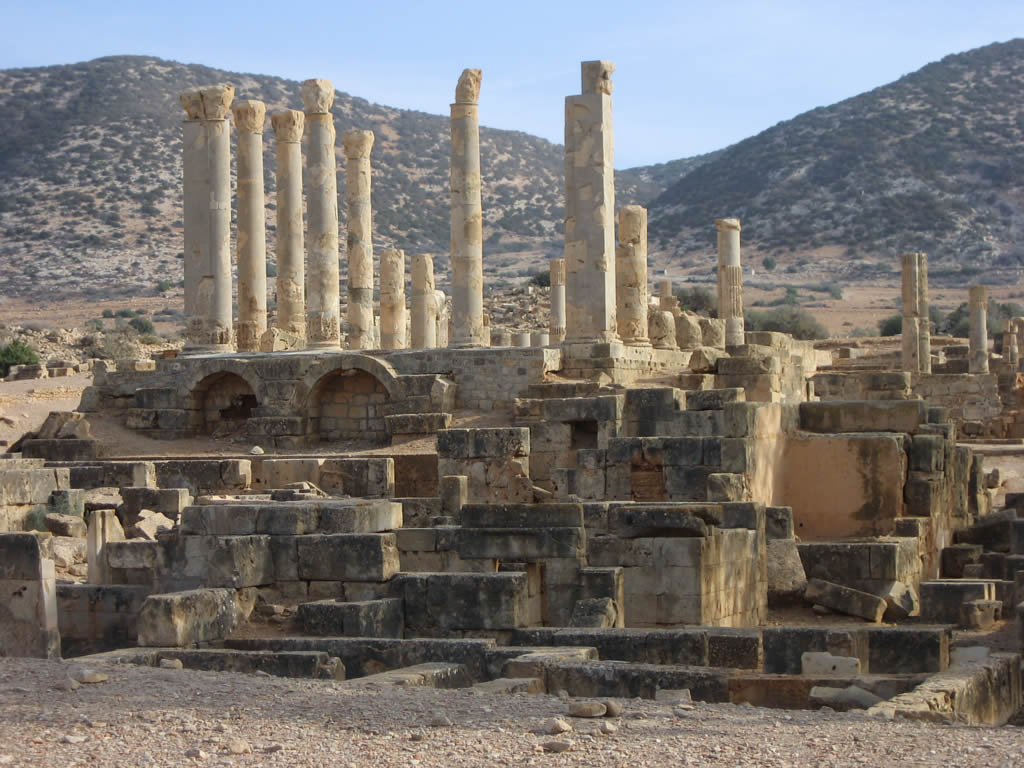
The ancient city of Ptolemais was one of the largest Greek urban centers in the historical region of Cyrenaica. It was founded by rulers of the Ptolemaic dynasty between the late fourth and third centuries BCE and remained an important regional hub until the Arab conquest in the seventh century CE.
Researchers say the newly discovered wreck area appears to mark a dangerous zone where ships traveling toward the city from the east repeatedly ran into trouble.
Dr. Piotr Jaworski, who leads the research project in Ptolemais, explained that the archaeological material forms a line stretching more than 100 meters along the seabed.
“The distribution of artifacts clearly indicates that this was not the remains of a single ship,” he said. “Several vessels must have been wrecked here over time.”
Underwater Exploration Reveals Ancient Cargo
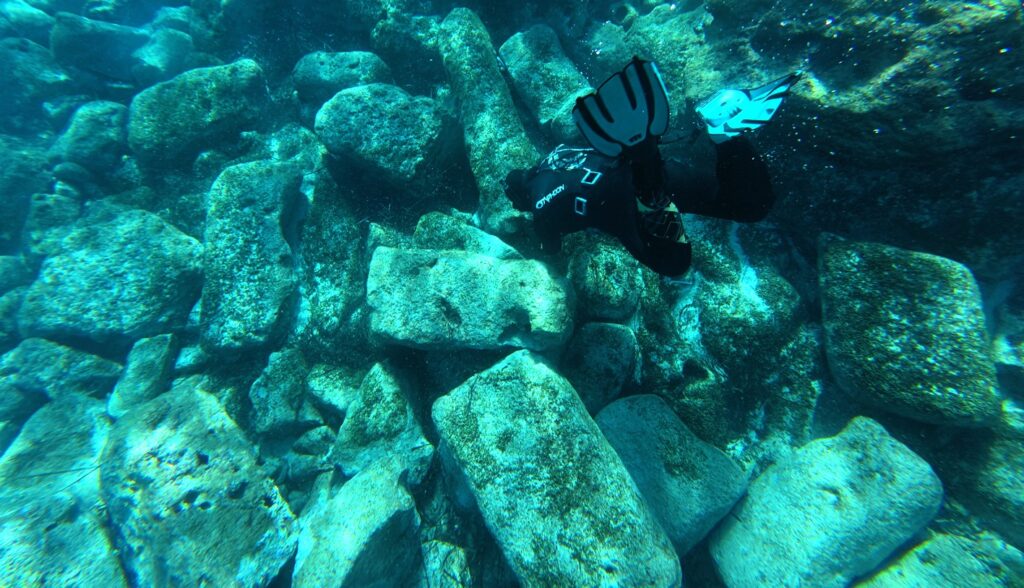
The underwater exploration was conducted by archaeologists and divers led by Professor Bartosz Kontny from the University of Warsaw’s Faculty of Archaeology. The team surveyed both the ancient harbor area and coastal waters roughly four kilometers east of the city.
According to the researchers, environmental changes over centuries likely played a key role in submerging parts of the port infrastructure. Rising sea levels in the Mediterranean Sea and coastal shifts caused by earthquakes appear to have pushed sections of the ancient harbor underwater.
While exploring the seabed, the team discovered ancient columns, traces of submerged roads, numerous anchors, and tools believed to have been used in antiquity to examine the sea floor.
Among the most intriguing finds is a fragment of a Roman balance scale known as an aequipondium, crafted in bronze and shaped like a female head. The artifact was filled with lead to function as a weight.
The seabed also contained a large number of amphorae—ceramic vessels commonly used in ancient trade to transport goods such as wine, olive oil, and grain. Researchers believe one amphora may still contain traces of crystallized wine, which is currently being analyzed in laboratory studies.
The findings highlight the commercial significance of the port in antiquity and offer rare insights into maritime trade and shipping practices in the ancient Mediterranean world.
New Discoveries on Land
At the same time, another group of archaeologists was conducting excavations on the acropolis of Ptolemais, located on a plateau roughly 300 meters above sea level.
There, researchers identified a previously unknown road designed for wheeled transport that led from the interior toward the summit of the plateau. The discovery surprised archaeologists, who had not expected such a major roadway leading to the acropolis.
The team also uncovered what may be the remains of ancient watchtowers, which could have been part of the city’s defensive system and used to warn residents of approaching threats.
Along the newly discovered road, archaeologists found a Roman milestone bearing a Greek inscription. Preliminary analysis suggests the stone dates back to the first half of the third century CE during the rule of the Severan dynasty.
Preserving Ancient Art and History
In addition to excavation work, conservators from the Academy of Fine Arts in Warsaw are also working at the site. Their team is cataloging and restoring ancient frescoes discovered earlier in the city, including Byzantine wall paintings depicting a bearded male figure.
These restoration efforts are crucial for preserving the artistic heritage of Ptolemais, which contains mosaics, paintings, and architectural remains from several historical periods.
The archaeological mission is also approaching an important milestone. In 2026, Polish researchers will mark 25 years of archaeological work in Libya, a project that continues to reveal new insights into the region’s ancient past.
According to researchers, much of the ancient city remains unexplored both on land and underwater. The newly discovered shipwreck zone could become the focus of long-term maritime research.
With vast sections of Ptolemais still buried or submerged, archaeologists believe the city may hold many more secrets waiting to be uncovered in the years ahead.
Serwis Rzeczypospolitej Polskie
Cover Image Credit: Serwis Rzeczypospolitej Polskie
