
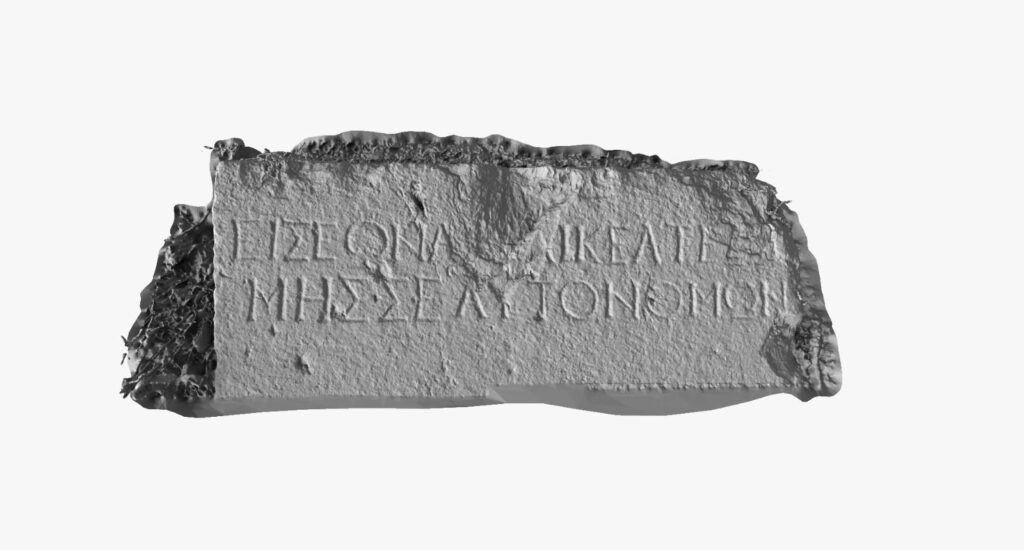
Researchers at the ancient city of Termessos in Antalya, southwestern Türkiye, have identified two significant inscriptions that shed new light on the city’s political identity and ritual life. One appears to proclaim the independence of Termessos, while another points to an ancient form of divination in which knucklebones were used like dice.
The findings come from ongoing studies at the site, located within Güllük Mountain National Park, one of the most striking archaeological landscapes in the eastern Mediterranean. Speaking to Anadolu Agency (AA), excavation director Prof. Dr. Mustafa Koçak of Antalya Bilim University said the newly read inscription once stood at the city’s entrance and openly declared Termessos’ status to those arriving at the mountain settlement.
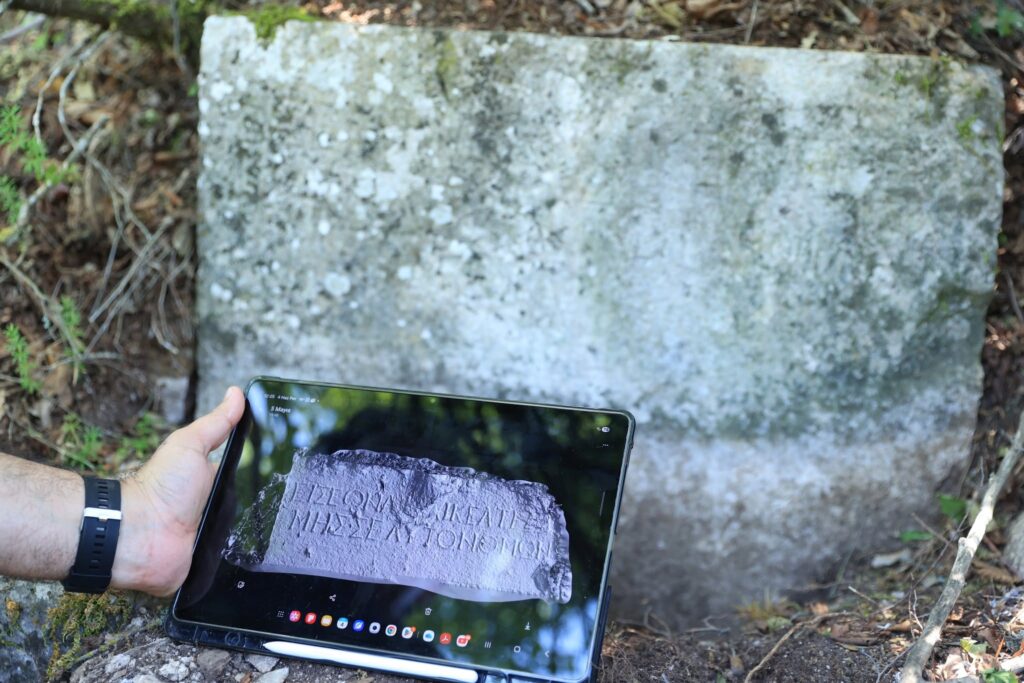
The inscription, detected on a heavily weathered section near a collapsed gate, was made readable through digital modelling and modern documentation methods. According to the researchers, it includes a phrase that may be translated as: “May the rights of the independent Termessians endure forever.”
For a city already famous for resisting Alexander the Great, the message is not a small detail. It gives written form to something Termessos has long embodied in stone: a community deeply aware of its autonomy, its defensive strength, and its place among the rugged highlands of ancient Pisidia.
A declaration carved at the city gate
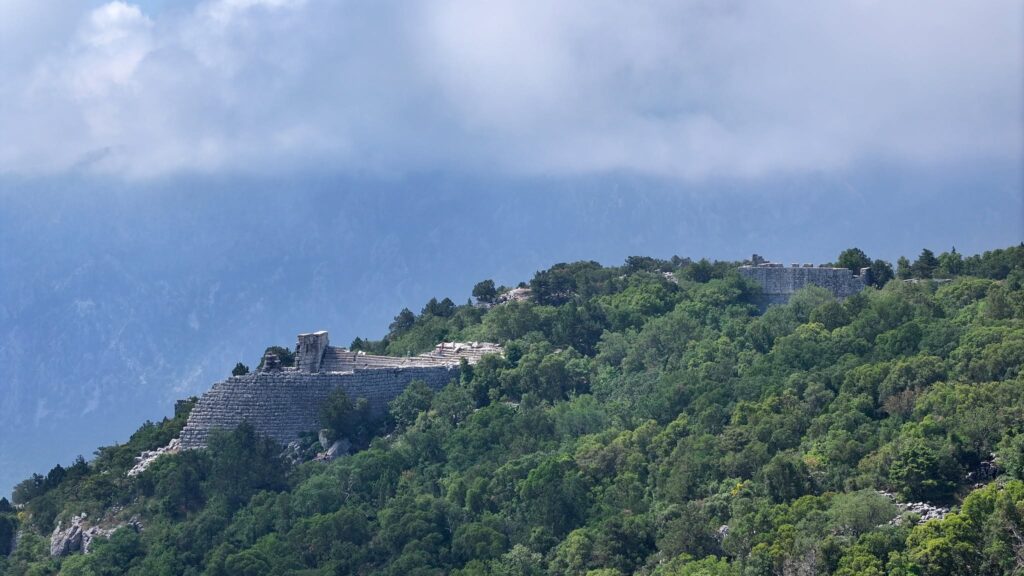
Termessos was never an ordinary city. Built more than 1,000 meters above sea level among steep cliffs and dense mountain terrain, it controlled a naturally fortified position northwest of modern Antalya. Ancient sources describe Alexander the Great’s failed attempt to take the city in 333 BC, a moment that helped shape its later reputation as an almost unconquerable mountain stronghold.
The newly identified inscription adds a direct civic voice to that reputation. Rather than being hidden inside a sanctuary or administrative building, it was placed at the entrance. Anyone passing through the gate would have encountered not only walls and towers, but a political statement.
Koçak told Anadolu Agency that the inscription showed how Termessos announced its independence to visitors entering the city. He also noted that restoration plans for the ruined gate are among the long-term goals of the excavation team.
That gate now seems to have been more than a passageway. It was a threshold where landscape, architecture, and political memory worked together. The message was simple, but powerful: this was the city of the independent Termessians.
Fortune-telling with knucklebones
The second inscription points to a different side of daily life at Termessos. Researchers have also identified an oracle or fortune-telling inscription connected with the use of astragali, small ankle bones, often from sheep or goats, which were thrown like dice in antiquity.
Prof. Dr. Fatih Onur from Akdeniz University’s Department of Ancient Languages and Cultures told Anadolu Agency that such systems could use either five or seven bones. In a five-bone system, there were 56 possible combinations; in a seven-bone system, the number rose to 120. After the bones were thrown, the resulting numbers directed the person to a corresponding line of text, where the answer was read.
According to Onur, the Termessos example belongs to the seven-bone system. Three blocks of this type have survived, one of which remains visible at the site. The advice preserved in such texts could concern travel, trade, or other personal decisions. A traveler standing near the city gate might throw the bones and receive an instruction such as whether to begin a journey, conduct business, or avoid a transaction.
The answers, Onur said, were expressed in poetic language. That detail is important. These were not plain administrative notes, but ritual texts intended to give uncertainty a formal, memorable voice.
Termessos between power, belief, and memory
Together, the two inscriptions offer a rare pairing. One speaks in the language of civic identity, the other in the language of personal fate. One tells the visitor what Termessos claimed to be. The other suggests what individuals may have asked before leaving or entering its mountain world.
Termessos is already known for its theater, agora, rock-cut tombs, sarcophagi, and unusually well-preserved urban remains. Because of its difficult terrain and protected setting, the site has retained much of the atmosphere that made it famous in antiquity. Unlike many lowland cities, Termessos still feels bound to the mountain that defended it.
The newly read inscriptions make that setting more intelligible. They show a city that did not simply survive in isolation, but actively shaped how it was seen and experienced. At the gate, a visitor could encounter a claim to freedom. Nearby, another inscription could turn the throw of bones into guidance for the road ahead.
For archaeologists, the discoveries are valuable because they connect political history with lived practice. For readers today, they make Termessos feel less like a silent ruin and more like a city that still speaks through its stones.
Cover Image Credit: Anadolu Agency (AA)
