
On the small island of Lilla Karlsö off the coast of Gotland, Sweden, archaeologists have made one of the most moving prehistoric discoveries in recent memory. Deep inside a cave, researchers unearthed the remains of a young woman buried together with her unborn fetus. Researchers estimate the bones to be between 8,000 and 9,500 years old, making this likely the oldest known Stone Age burial of a pregnant woman ever found in Sweden, and one of the oldest documented cases of prehistoric pregnancy anywhere in the world.
Forskning & Framsteg (FoF), a Swedish popular-science magazine founded in 1966, first reported the story on its website, fof.se. Excavations at the site had already been running for three seasons, but nothing prepared the team for what surfaced this August in a narrow chamber deep underground.
An Unexpected Discovery Deep in the Cave
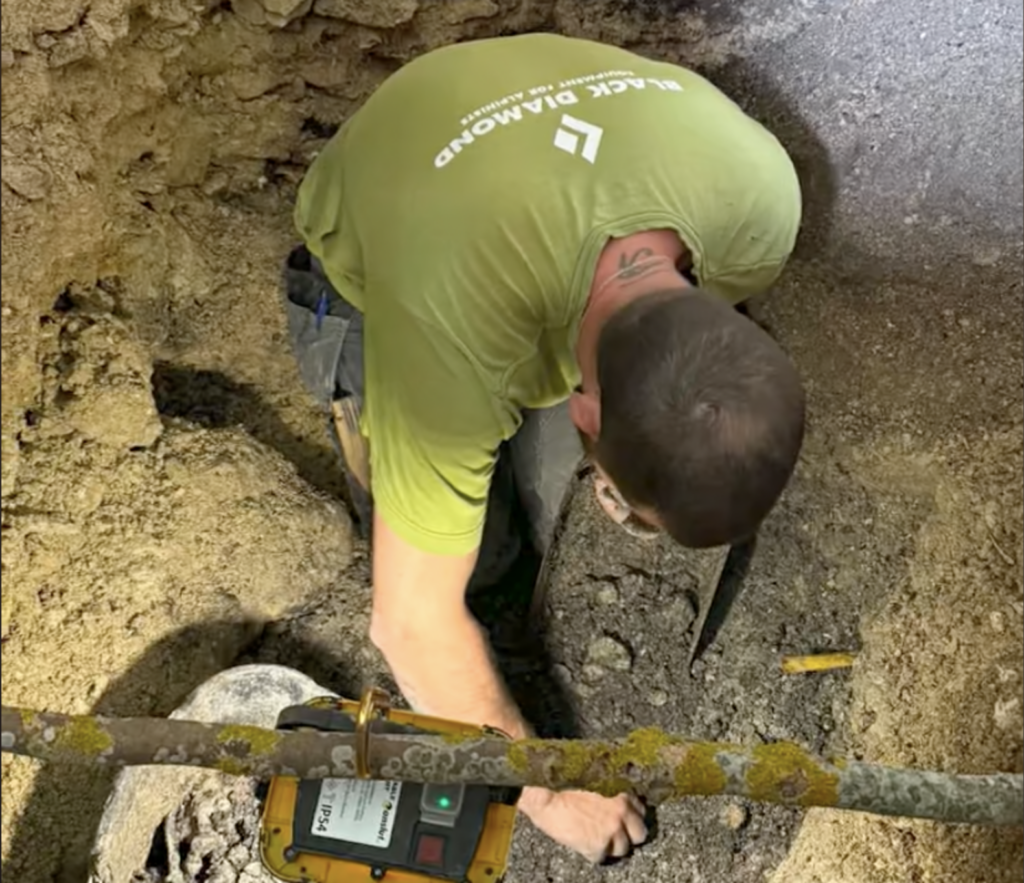
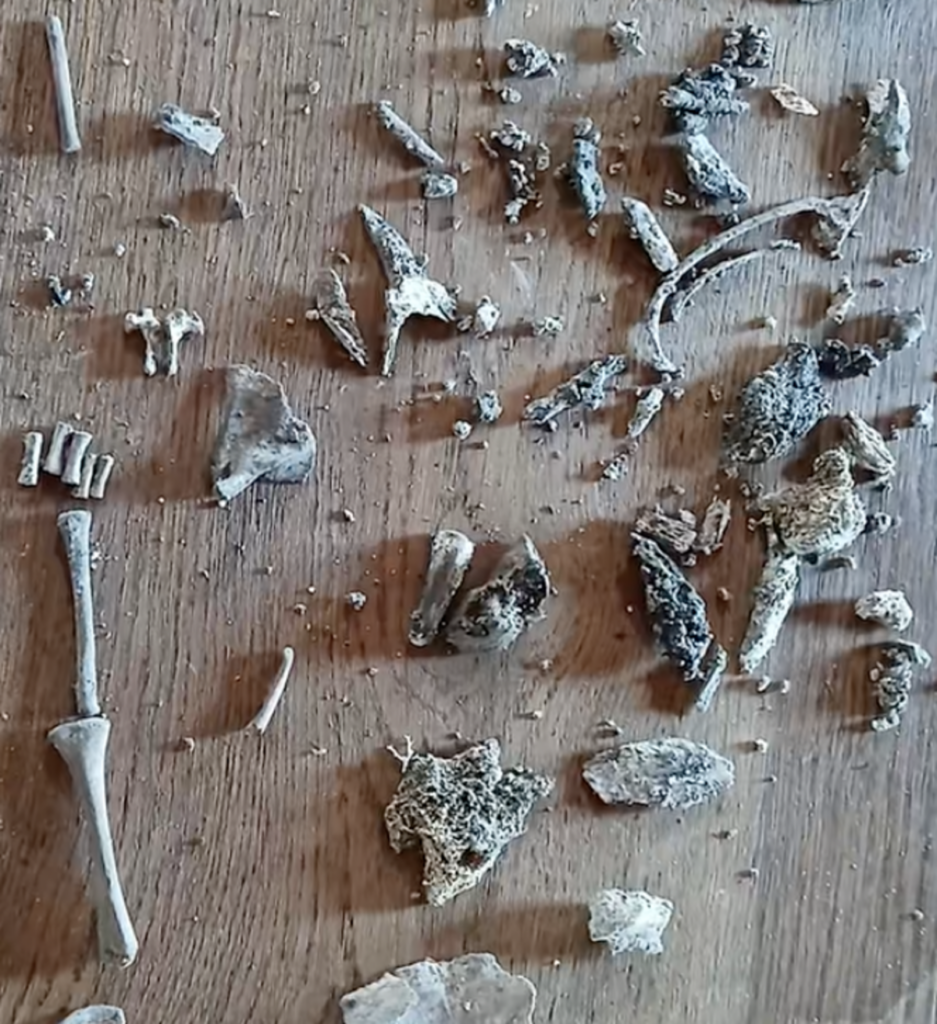
In early August, archaeo-osteologists Alexander Sjöstrand and Olivia Bartholdson were working five meters underground in the Suder Vagnhus cave, well beneath layers dating to the Middle Stone Age, when they came across an odd-looking bone. At first, they suspected it might be part of an upper arm, but they weren’t certain. Shortly afterward, they found a matching forearm bone and realized both belonged to the arm of an infant — a rare find, since the archaeological record rarely preserves infant and fetal remains, and identifying them is notoriously difficult.
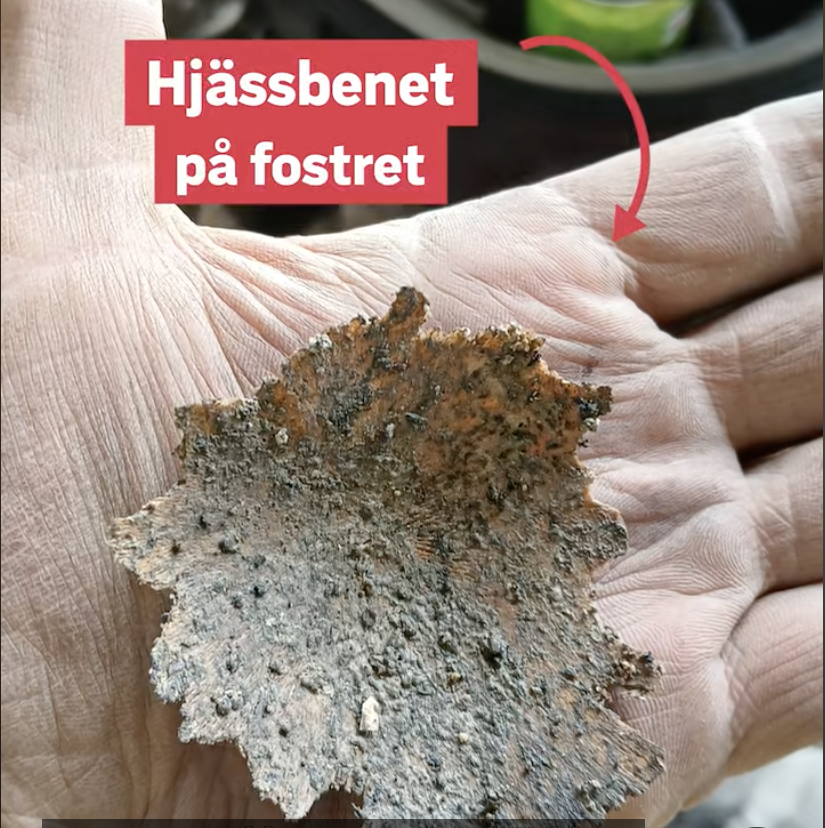
Soon after, the team uncovered several ribs, a sacrum, and a small fragment of hip bone belonging to a young woman. The position of the infant’s arm relative to her skeleton, combined with an intact fetal skull and neck bone, made clear that this was no ordinary find. Researchers estimate the woman was in her late teens, and the fetus around 32 to 34 weeks of gestation. The team has not yet carried out radiocarbon dating and ancient DNA testing, but plans both for the coming weeks.
Excavations Continue, Painting a Fuller Picture
Fieldwork resumes on August 12, when researchers hope to uncover the rest of the woman’s body and confirm her burial position. Sjöstrand believes she may have lain on her side in a so-called “Hocker” position — a flexed pose resembling a half-fetal posture — though this remains unconfirmed. He also notes that a 19th-century excavation on the neighboring island of Stora Karlsö previously uncovered infant remains, part of a total of 15 individuals found there.
According to Sjöstrand, the newly found mother and fetus likely come from the same geological layer as those earlier remains, suggesting that entire family groups once inhabited the Karlsö islands — a detail that turns this archaeological discovery into more than a single tragedy, offering a rare window into early human social structure.
Similar Finds Worldwide
Few burials of pregnant women rival this one in age. In Siberia, near Lake Baikal, archaeologists identified the remains of a young mother who died roughly 7,700 years ago during a difficult twin birth: considered the oldest confirmed evidence of twins in the archaeological record.
In Egypt, near Aswan, researchers uncovered the burial of a woman in her mid-twenties from a cemetery dating to 1750–1550 BC, found with a near-term fetus positioned head-down in her pelvis, offering rare insight into maternal death in the ancient world.
In Alaska, the Upward Sun River site yielded a roughly 11,500-year-old double burial containing a very young infant and a late-term fetus or stillborn neonate: though in that case, no mother was present.
A Bronze Age grave in Spain similarly preserved what researchers describe as the oldest documented case in paleopathological literature of a pregnant woman’s death linked to obstructed labor. Set against these examples, the Lilla Karlsö woman stands out for her age alone, reaching thousands of years further back into Northern Europe’s early post-glacial past.
A Cave With a Habit of Surprising Archaeologists
Excavations at Lilla Karlsö began in 2023 as part of a project that Professor Paul Wallin of Uppsala University leads. Earlier seasons uncovered a remarkably well-preserved Viking Age clay floor, wooden posts and shelving dated to around 700 AD, and 5,000-year-old seagrass lining the cave walls. This year, both the mother-and-fetus burial and seagrass dated to 8,000–9,500 years old emerged from the same layer, suggesting people used the cave continuously across millennia.
Sjöstrand says the team has made unexpected discoveries in the cave for years, but never imagined finding anything more improbable than a woman and her unborn child. For the researchers, it marks a defining moment for archaeology on Lilla Karlsö — one they admit they’re still trying to fully process.
