
The unearthing of a 2,000-year-old bone pen at Türkmen-Karahöyük offers a rare glimpse into the sophisticated bureaucracy and daily life of an ancient Anatolian capital.
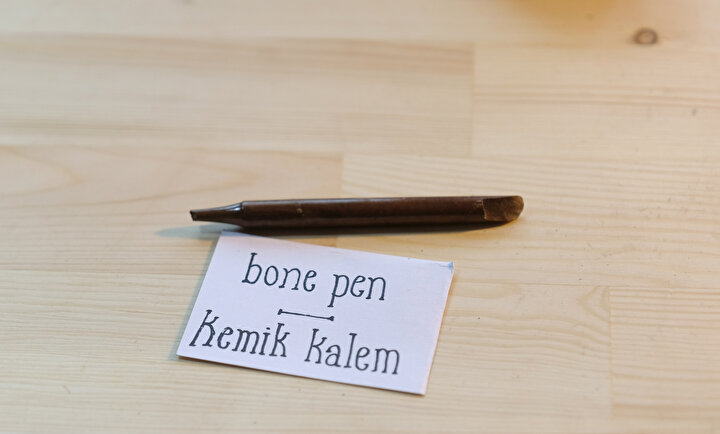
Archaeologists excavating the ancient mound of Türkmen-Karahöyük, one of Central Anatolia’s most promising archaeological sites, have unearthed a remarkable 2,000-year-old pen crafted from animal bone. The discovery, announced by excavation co-chair Associate Professor Michele Rüzgar Massa, sheds new light on the site’s political and administrative importance in antiquity.
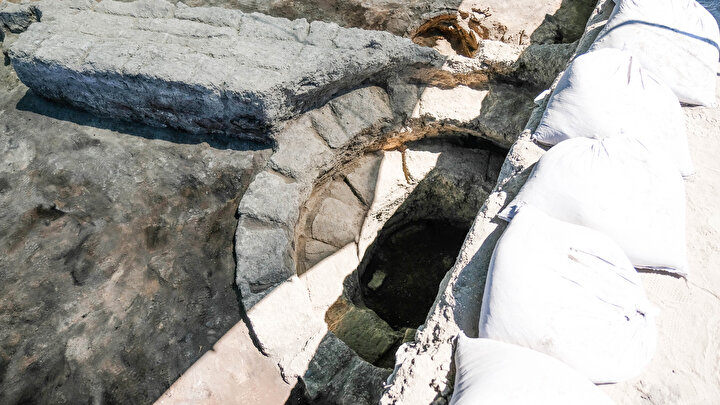
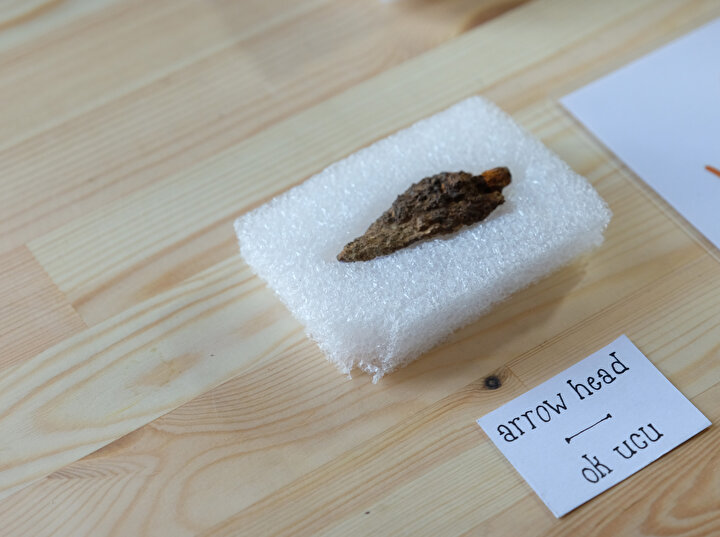
The pen was uncovered alongside other significant artifacts: a 1,700-year-old gaming die, a 2,200-year-old bathtub, a bronze arrowhead dating back to 50 BCE, and even remnants of wheat and barley that are approximately 3,000 years old. Excavators also reported finding administrative seals dating back 4,000 years, which suggest that Türkmen-Karahöyük served as a hub of governance and trade for millennia.
A Forgotten Capital in Central Anatolia
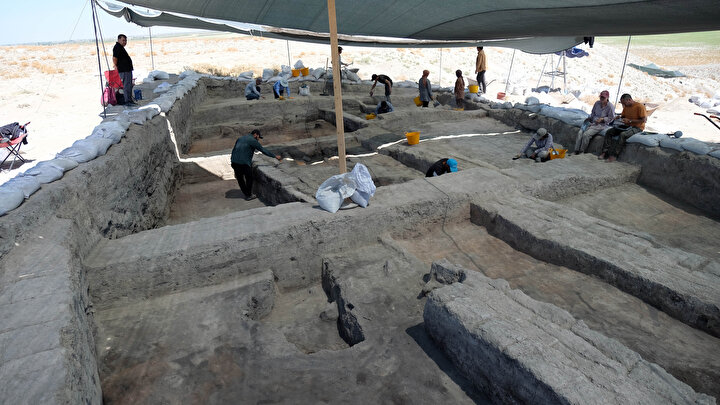
Türkmen-Karahöyük, located in the Çumra district of Konya province, has only recently begun to reveal its secrets. Although surface surveys had been conducted for six years, full-scale excavations only began in 2024 under the joint leadership of Associate Professor Michele Rüzgar Massa of Bilkent University, Associate Professor James Osborne of the University of Chicago, and Associate Professor Hüseyin Erpehlivan of Bilecik Şeyh Edebali University.
Archaeologists believe the site was once a major urban center that flourished for over 3,000 years, acting as a political and commercial stronghold in the heart of Anatolia. Its sheer scale has led scholars to propose Türkmen-Karahöyük as a strong candidate for the lost second capital of the Hittite Empire, which ruled much of Anatolia during the Late Bronze Age.
The site has also been linked to Hartapu, a lesser-known Anatolian king who lived around 2,800 years ago and was contemporary with the Phrygians. Some researchers suggest Türkmen-Karahöyük may have served as his capital, further underlining the city’s strategic and historical significance.
The Animal-Bone Pen: A Window into Ancient Bureaucracy
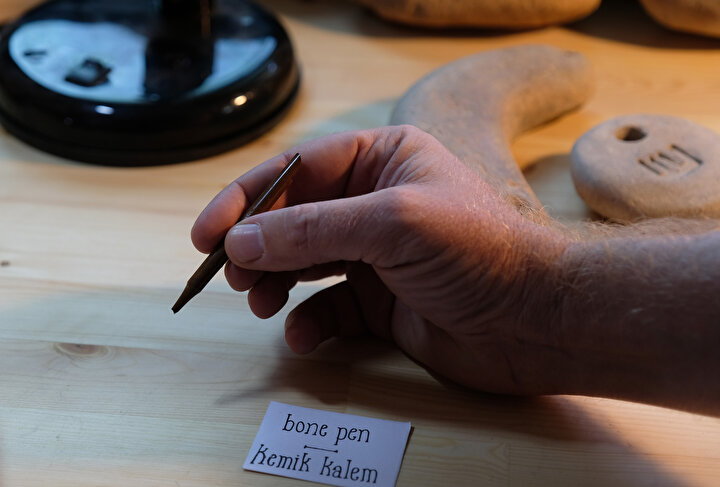
Among the season’s finds, the animal-bone pen has drawn particular attention. According to Dr. Massa, such tools were likely used by government officials for record-keeping, correspondence, or administrative tasks. Its discovery, alongside multiple seals, indicates that Türkmen-Karahöyük was a center of governance where written communication and bureaucratic organization played a key role.
“The fact that we found administrative tools such as seals and a bone pen shows us that this was more than just a settlement—it was a seat of power,” Massa explained. “These objects belonged to the hands of those who governed the city, possibly even kings or high-ranking officials.”
The discovery is especially striking given that organic materials like bone often deteriorate quickly over time. Its preservation offers rare insight into the literary and bureaucratic practices of ancient Anatolia.
Signs of Prosperity—and Destruction
Excavations at Türkmen-Karahöyük have also revealed luxury items such as perfume bottles, fine ceramics, and jewelry, alongside evidence of exotic trade networks. Archaeologists unearthed remains of monkeys, believed to have been diplomatic gifts from Egypt to local rulers some 3,700 years ago. Such finds illustrate the city’s connections stretching from Egypt to Cyprus and the Black Sea, making it one of the most cosmopolitan centers of its era.
Yet, the city’s prosperity was not without turmoil. Archaeologists uncovered widespread evidence of fire damage, including charred walls, scorched mudbricks, and arrowheads, suggesting the city was violently attacked around 50 BCE. “This destruction was not accidental,” noted Dr. Osborne. “The evidence strongly points to an invasion. After this event, the administrative center of the region shifted toward Konya.”
From Forgotten City to Archaeological Treasure
With its scale, complexity, and wealth of finds, Türkmen-Karahöyük is emerging as one of Turkey’s most important archaeological sites. Its potential identification as a lost Hittite capital could reshape understandings of Anatolian history and the political geography of the Late Bronze Age.
The discovery of the 2,000-year-old bone pen adds a human dimension to this story. It serves as a tangible link to the officials, scribes, and rulers who once administered this thriving city. Beyond monumental palaces and grand trade routes, it reminds us that the act of writing—and the tools that enabled it—were central to the exercise of power and the preservation of memory in the ancient world.
As excavations continue, scholars hope to uncover further evidence of the city’s palace, confirming its role as both a political and cultural capital in antiquity. For now, the humble bone pen stands as one of the clearest symbols of Türkmen-Karahöyük’s enduring significance.
Image credit: DHA
