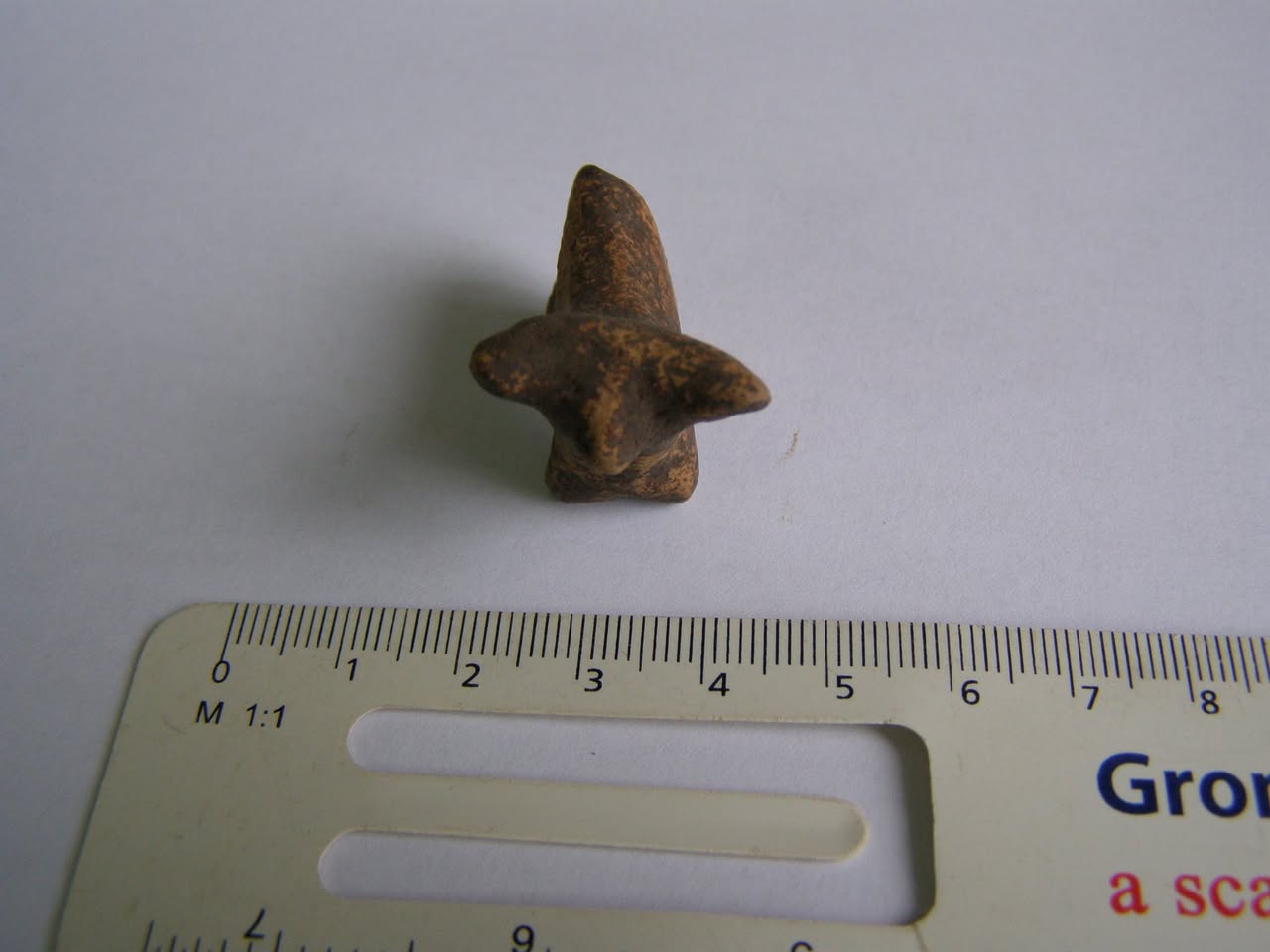
A 6,000-year-old Trypillia clay bull figurine found in Galicia reveals new insights into the spiritual life, symbolism, and artistic traditions of early prehistoric Ukraine.
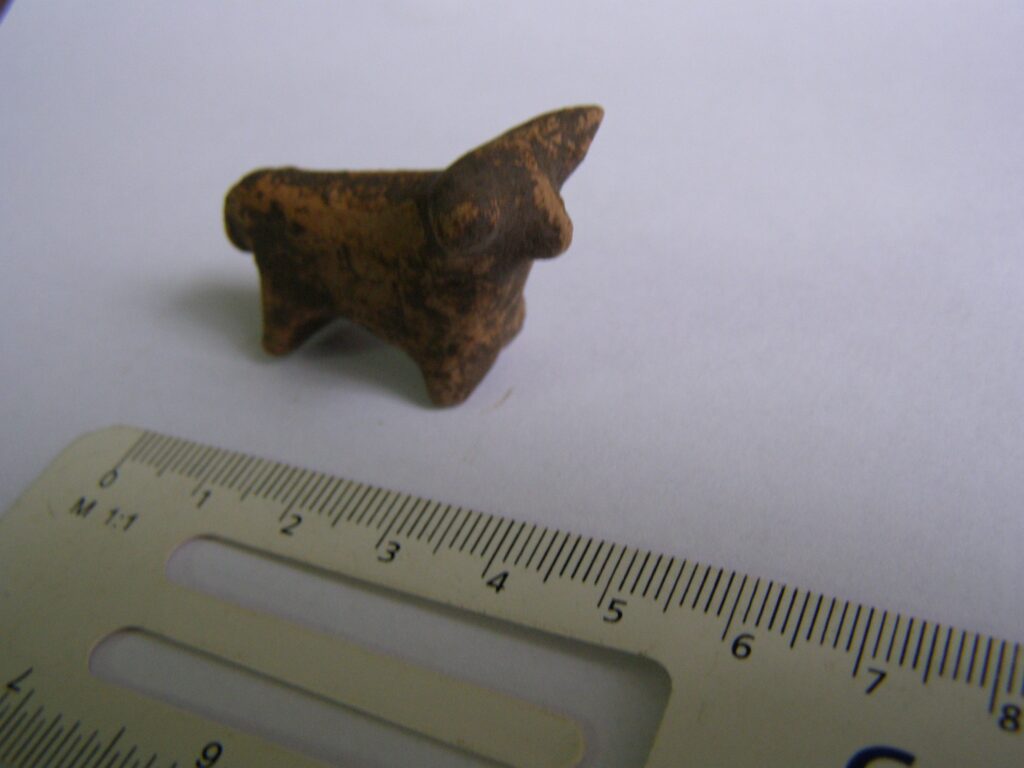
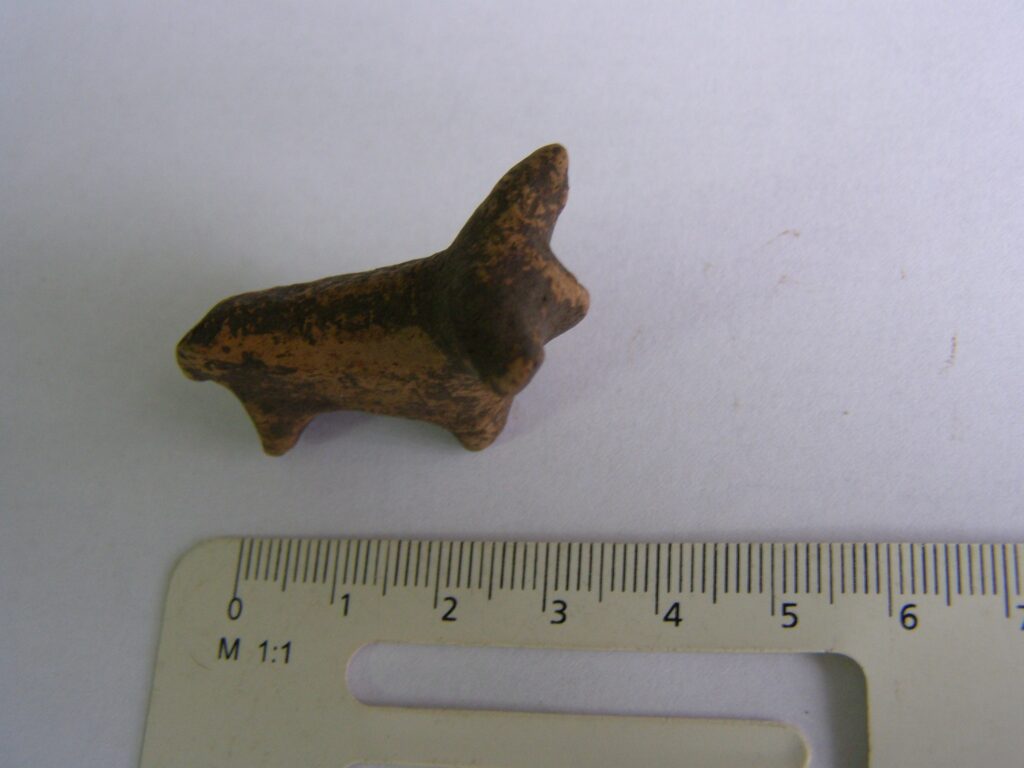
Archaeologists working on a quiet slope outside the village of Zalukva in western Ukraine did not expect to uncover a figurine that would reset the scale of their excavation. But embedded in a layer of dark, compact soil, they found a small clay bull—delicately shaped, unmistakably intentional, and more than 6,000 years old.
The artifact, discovered at the Sad locality near Halych, belongs to the Trypillia (Tripolye) Culture, one of the most enigmatic prehistoric societies of Southeast Europe. The find offers scholars a rare glimpse into the symbolic life and artistic imagination of the people who once inhabited the rolling landscapes of Galicia.
Researchers from the National Preserve “Ancient Halych” made the discovery during a broad archaeological investigation of a multi-layered settlement. The figurine dates to Phase B II of the Trypillia chronology, placing it at the beginning of the 4th millennium BCE—a period of dramatic technological development, social expansion, and evolving ritual practices across the region.
Its survival is remarkable. Small clay figurines usually perish in soil, river floods, or the movement of settlements through centuries of cultivation. Yet this one endured long enough to re-emerge in the 21st century.
📣 Our WhatsApp channel is now LIVE! Stay up-to-date with the latest news and updates, just click here to follow us on WhatsApp and never miss a thing!!
“The bull figurine is more than an artistic object; it is a window into the spiritual universe of the Trypillians,” the excavation team noted in their announcement. “Finds like this allow us to sense the depth and diversity of the cultural landscape that once thrived in what is now western Ukraine.”
Decoding the Ritual Power Behind the Clay Bull
Animal figurines held powerful meaning across the ancient world, but within Trypillia settlements they often appear in ritual contexts. Bulls symbolized strength, fertility, household prosperity, and the cyclical renewal of life—qualities essential for agricultural societies whose survival depended on productive fields and stable herds.
This makes the Zalukva figurine more than decorative. It may have been used in seasonal rites, kept as a household talisman, or placed in communal spaces during festivals. Whatever its function, its craftsmanship suggests that Trypillia communities invested significant meaning in symbolic clay objects.
The figurine also provides archaeologists with clues about the settlement’s internal organization. Small ritual pieces help identify activity zones—domestic areas, workspaces, or ritual rooms—allowing researchers to reconstruct how the settlement was structured and how people moved within it.
Inside the Trypillia World
The Trypillia Culture (ca. 5400–2700 BCE) spanned a vast territory stretching from Romanian Muntenia and Transylvania through Moldova and deep into Ukrainian lands, reaching as far as the Dnipro River. Its presence in Galicia connects the western frontier of this ancient world to the Carpathian foothills.
Trypillian communities were renowned for:
Exceptionally large settlements—some among the biggest in Neolithic Europe.
Distinctive ceramics with spirals, waves, and geometric symbols painted in black, red, and white.
Clay figurines depicting animals, deities, and stylized humans.
Highly planned architecture with concentric settlement layouts.
Although first noticed in the mid-19th century, Trypillia only gained scientific recognition after the work of Czech-Ukrainian archaeologist Vikentiy Khvoyka in the late 1800s. His excavations near the village of Trypillia, south of Kyiv, gave the culture its name and established the foundations of its chronological framework.
Despite decades of study, Trypillia remains mysterious. There is no written record, and excavations reveal as many questions as answers. Why did they build such enormous settlements without developing states? Why did they periodically burn their houses during ritual abandonment events? And why did their society ultimately disappear?
Every new discovery—from pottery fragments to miniature figurines—adds another piece to this puzzle.
Galicia: A Landscape of Hidden Histories
The discovery site, located in today’s Ivano-Frankivsk region, lies within historic Halychyna (Galicia), a borderland known for its layered past. From medieval principalities to early Slavic settlements and deeper prehistoric horizons, this region has long been a crossroads of cultures.
Recent investigations have revealed a rich archaeological landscape around Halych. Earlier this year, researchers reported the discovery of a medieval road near the Church of St. Panteleimon—evidence of the region’s importance during the age of the Galician princes.
Against this backdrop, the clay bull figurine stands as a reminder that Galicia’s story stretches far beyond written history. Long before medieval fortresses rose over the Dniester valley, the foothills were home to a vibrant prehistoric world, where pottery painters, builders, farmers, and ritual speradition that still captivates scholars today.
A Small Object with Large Implications
For the team at Ancient Halych, the figurine represents a crucial addition to the Trypillia record in western Ukraine. It allows archaeologists to refine settlement chronology, interpret symbolic behavior, and map the cultural networks that connected the Carpathian region to the wider prehistoric world.
And for the public, it provides something equally valuable: a tangible link to a civilization that flourished 2,000 years before the pyramids rose on the Nile, leaving behind an artistic legacy still powerful enough to speak across millennia.
National Preserve “Ancient Halych”
Cover Image Credit: National Preserve “Ancient Halych”