
Newly deciphered inscription fragments from western Türkiye expose a tax fraud scheme that ran for over a decade in the Roman Empire: one so severe that a top imperial official ultimately made it punishable by death.
Ancient Rome is usually told through the stories of emperors and generals. But a remarkable archaeological find is now shedding light on something far more relatable: how ordinary taxpayers were cheated by corrupt officials, and how, eventually, the empire fought back.
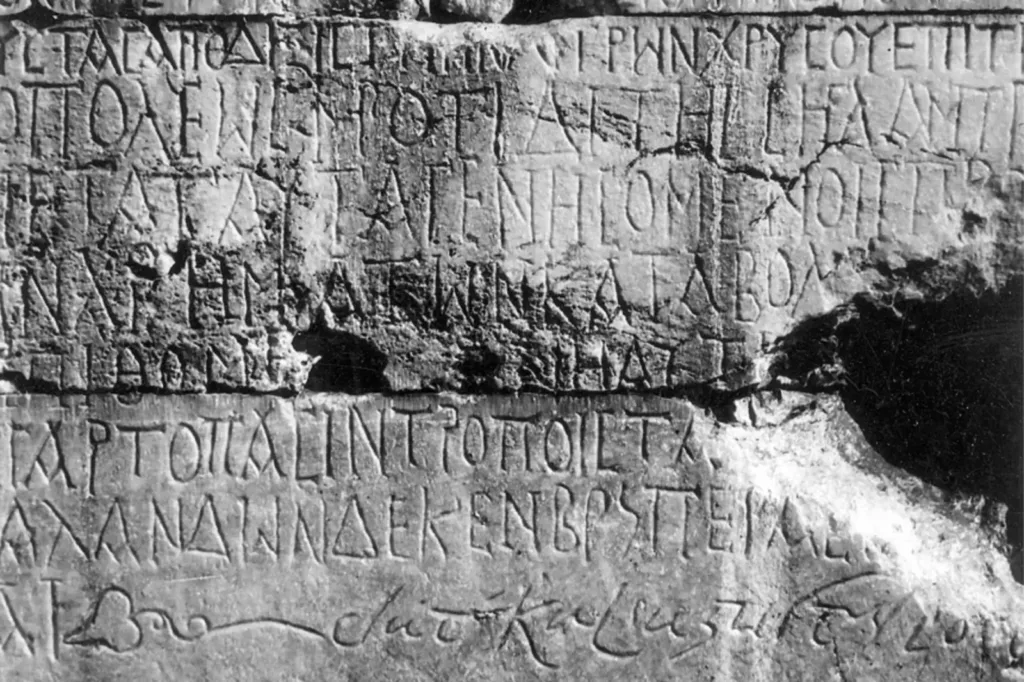
An international team of researchers, including scholars from the University of Warsaw, has pieced together new fragments of a centuries-old inscription that reveal fresh details about one of the more striking corruption cases from Late Antiquity.
The discovery not only exposes how tax officials manipulated the system for personal gain, but also offers a rare window into the meticulous craftsmanship of the stonemasons who recorded imperial law for posterity.
Carved in Stone: How Roman Law Reached the Public
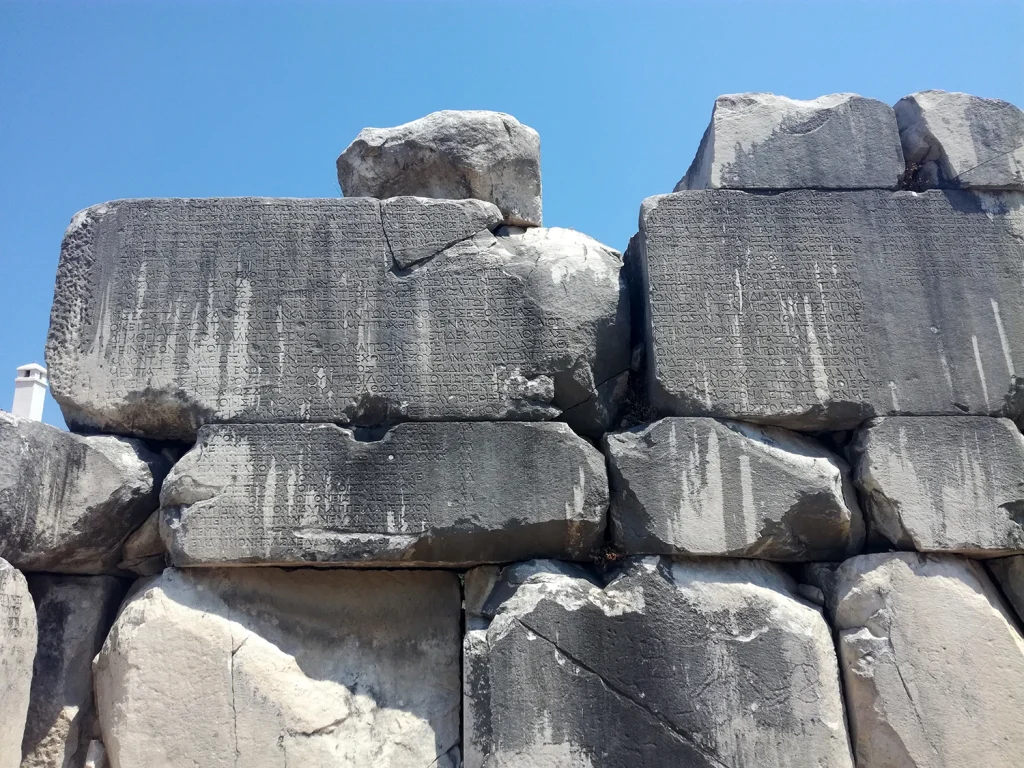
During the Roman Empire, inscribing official decrees onto stone was a common way of broadcasting imperial authority. These inscriptions did more than announce new laws; they reinforced the majesty of the emperor and the officials acting on his behalf.
Today, these carved texts give historians an extraordinary opportunity to reconstruct not just the content of ancient decrees, but the entire process behind their creation and distribution.
One researcher deeply involved in this work is Dr. Paweł Nowakowski of the University of Warsaw’s Faculty of History. As part of the European Research Council–funded project “STONE-MASTERS”, Dr. Nowakowski studies the working methods of ancient stonecutters and the evolution of inscription culture in Late Antiquity. His latest findings add a significant new chapter to our understanding of how the late Roman administration actually functioned.
An Unexpected Discovery in Western Türkiye
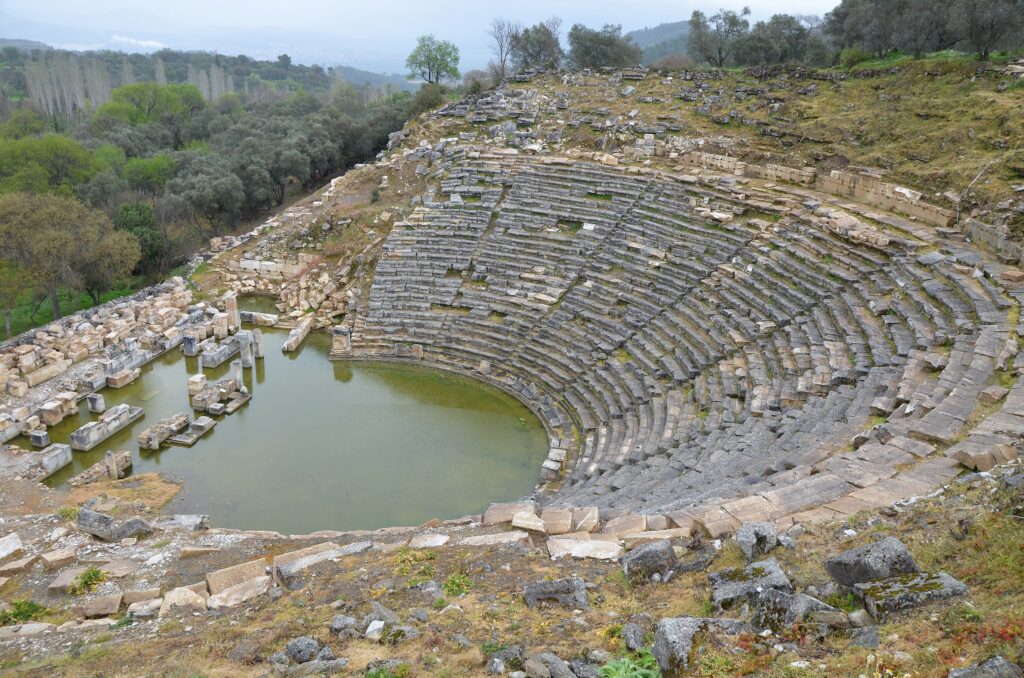
In 2024, a team led by Prof. Bilal Söğüt discovered new inscription fragments while excavating in western Türkiye. At first glance, researchers assumed they had found a poetic funerary text, likely honoring a local dignitary.
Dr. Nowakowski, working alongside epigrapher Prof. Mustafa Adak of Akdeniz University in Antalya, began analyzing the fragments with that assumption in mind. It didn’t take long to realize they were dealing with something else entirely.
The team compared the new fragments to inscriptions previously identified in the ancient cities of Mylasa and Keramos, as well as Stratonikeia, the city where the new pieces were found. Cross-referencing digital epigraphic databases alongside their own expertise, they determined the fragments were missing pieces of a legal ruling issued in the year 480 by the Praetorian Prefect of the East.
The Scandal: Falsified Tax Receipts
The newly recovered text fills in gaps in a decree documenting serious tax abuses connected to the estate of Placidia, daughter of Emperor Valentinian III.
According to Dr. Nowakowski, the document has fascinated scholars since the 18th century for what it reveals about the financial administration of the late Roman Empire, particularly how imperial family estates and provincial finances were managed.
The scheme itself was straightforward but damaging: officials responsible for collecting taxes in western Asia Minor issued receipts confirming payment, in both cash and goods, without recording the actual amount paid. This allowed them to report lower, falsified figures to the imperial treasury in Constantinople while collecting far larger sums from local taxpayers. The difference went straight into their own pockets.
A Decade of Ignored Complaints
The corruption wasn’t a brief lapse: it went on for years. The first complaints reached Roman central authorities around 465, some fifteen years before the case was finally resolved. The Praetorian Prefect at the time attempted to intervene, but his orders were apparently ignored by the dishonest officials on the ground.
By 480, a new prefect, Flavius Illus Pusaeus Dionysius, decided enough was enough.
The Ultimate Penalty: Death for Tax Fraud
Dionysius dispatched a special envoy to resolve the matter, threatening the envoy himself with the loss of his estate if the problem wasn’t fixed within three months. The corrupt officials, meanwhile, faced something far more severe: execution.
This was an extraordinarily harsh punishment by the standards of Roman tax law. Historical records show that between the 4th and 6th centuries, emperors issued at least eleven other documents ordering the correct issuance of tax receipts: evidence that this type of fraud was widespread across the empire.
Yet none of those other rulings called for the death penalty. Financial penalties were the usual response. It would later fall to Emperor Justinian to authorize torture or amputation for similar offenses, but even he stopped short of capital punishment.
Dr. Nowakowski suggests the unusually severe sentence may reflect something beyond the financial crime itself.
“It’s less about the scale of the offense and more about defying imperial will: a kind of rebellion or affront to the emperor’s authority,” he explains. “That may be why we see such a severe punishment for officials abusing the imperial family’s estate.
It’s possible the death penalty also served as a rhetorical tool, emphasizing the seriousness of the matter: Roman legal practice includes cases where harsh penalties were written into law mainly to underline intent, without necessarily being carried out.”
The decree also threatened provincial governors and city officials, known as “defenders of the cities”, with a fine of three pounds of gold if they continued turning a blind eye to the fraud.
A Prefect Who May Not Have Lived to See Justice Done
One of the most striking details to emerge from the inscription concerns the fate of the prefect himself. The document was issued on August 1, 480, giving the envoy until December 1 of that same year to resolve the case. But 480 was also the year Dionysius was executed for allegedly conspiring against Emperor Zeno.
Despite this, researchers believe the envoy did complete his mission: otherwise, the inscription publicizing the prefect’s ruling would never have been carved and displayed in the first place.
What the Inscriptions Reveal About Ancient Stonemasons
Beyond the scandal itself, the research offers fascinating insight into the working methods of the artisans who produced these inscriptions. Far from being passive copyists, stonemasons appear to have actively shaped the final text. Differences between surviving copies of the same decree show that scribes and stonecutters occasionally reordered words or reworded entire sentences.
Dr. Nowakowski notes that this reveals how legal documents were actually published and distributed from the prefect’s office. Unlike modern legislation, where an official text must remain word-for-word identical across every copy, Roman legal texts allowed for local variation.
The person preparing the draft, whether on papyrus or parchment, or the stonemason carving the final inscription, could subtly alter phrasing without compromising the legal force of the document.
Interestingly, the craftsmen who carved these public notices were remarkably skilled. At the bottom of the Greek inscription, they meticulously reproduced the prefect’s handwritten Latin signature: creating what amounts to a carved facsimile of the original document.
The main body of the text, meanwhile, used a formal, monumental script style that varied from city to city, suggesting there was no single standardized template for publishing imperial decrees. Instead, local stonemasons relied on their own regional traditions and conventions.
The Strange Afterlife of Ancient Stones
Not every inscribed stone has received the reverence one might expect. Some have ended up in decidedly unusual places.
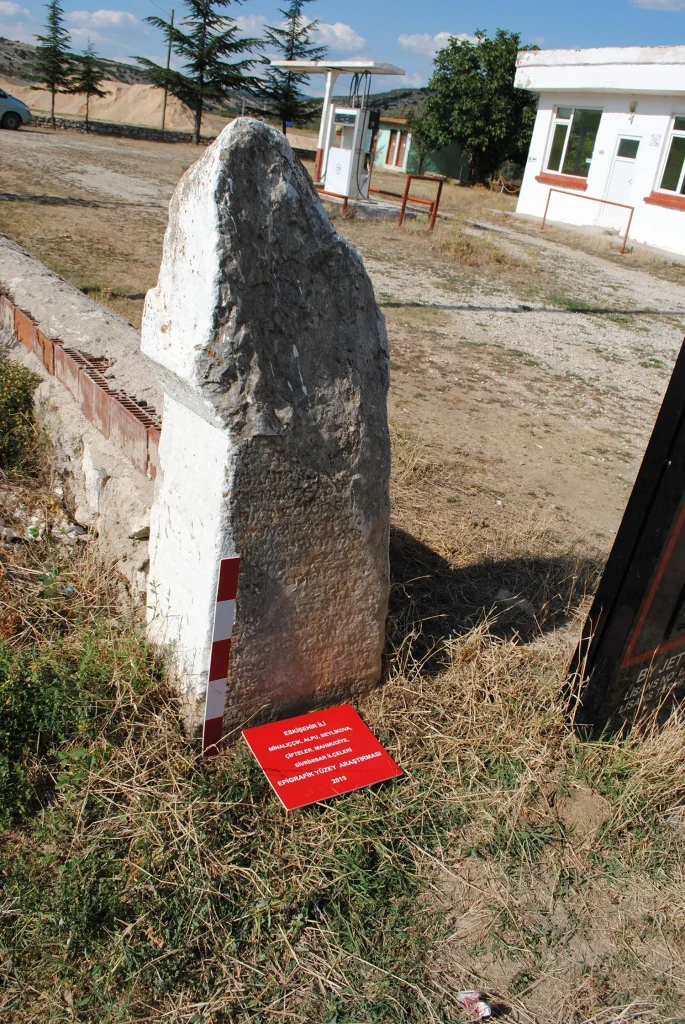
One related inscription, featuring an epitaph quoting Homer’s Odyssey, was discovered built into a post at a gas station in Türkiye, where the owner had repurposed an ancient funerary altar as decoration for a fuel pump.
Dr. Nowakowski explains that many inscribed stones, once documented by 19th-century travelers who lacked the means to transport them, were simply left in place, and often later recycled into new buildings, garden ornaments, or private homes.
In this particular case, he had recently worked with a Turkish colleague to study a stone that had been used to decorate a gas station; discovered at an archaeological site, it was eventually hauled away by the station’s owner looking for a decorative touch, and now sits on display at the business.
