30 December 2025 The Future is the Product of the Past

An amateur archeologist has discovered a Roman war site

Thanks to the insistence of an amateur archaeologist, a Roman battlefield in Switzerland has been identified.

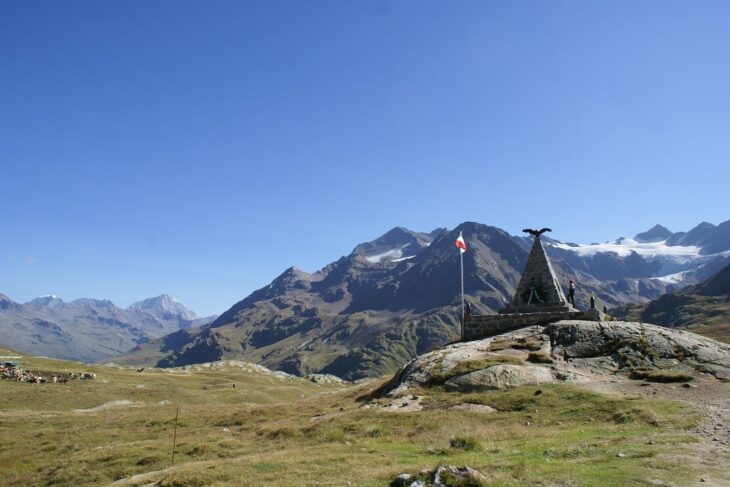
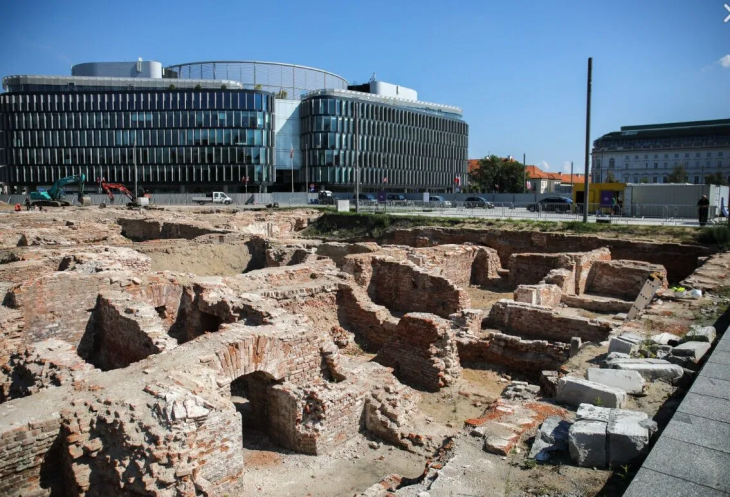
Shortly before the birth of Jesus, there must have been a battle between Tiefencastel and the Cunter between Roman and Rhaetian troops. This is at least indicated by the many objects that researchers found in the area near Crap Ses Gorge in mid-September.

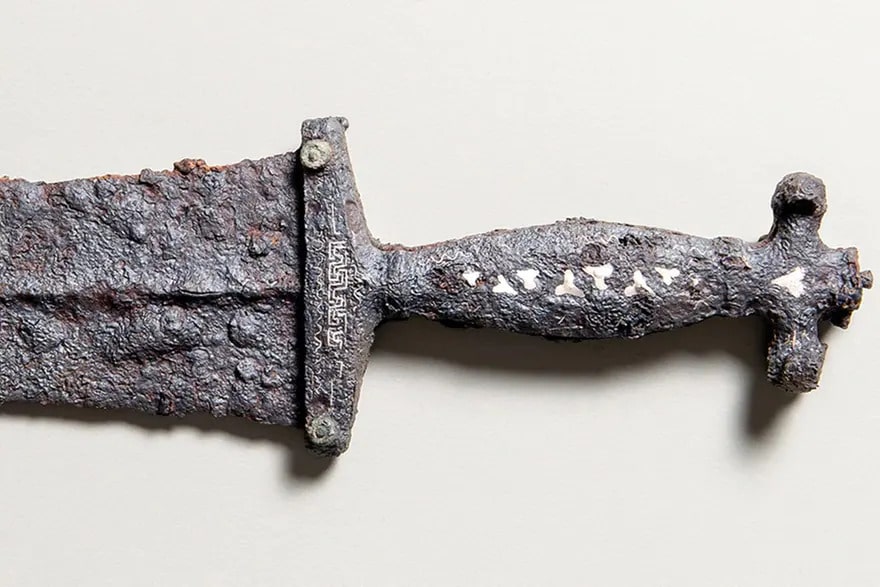
The research effort was triggered by a find two years ago. Lucas Schmid, an amateur archaeologist and volunteer of the Graubünden Archaeological Service, found a well-preserved Roman dagger on Julierstrasse. As a result, the University of Basel started a five-year research project with the federal government and the canton.

“It looks like the locals have holed up and were shot at by the Romans with slingshot and catapults,” Peter Schwarz, Professor of Provincial Roman Archeology at the University of Basel, told Swiss public broadcaster SRFExternal link.

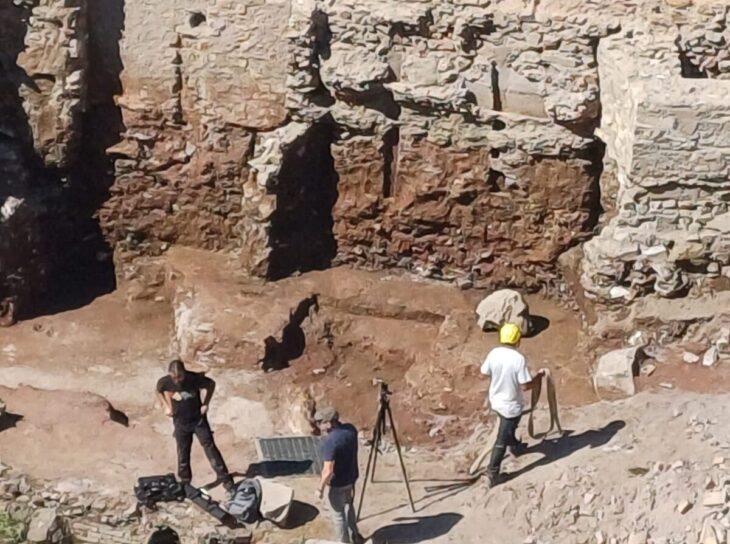
Archaeologist Thomas Reitmaier says 7,000 out of a total of 35,000 square meters have been studied so far.


📣 Our WhatsApp channel is now LIVE! Stay up-to-date with the latest news and updates, just click here to follow us on WhatsApp and never miss a thing!!
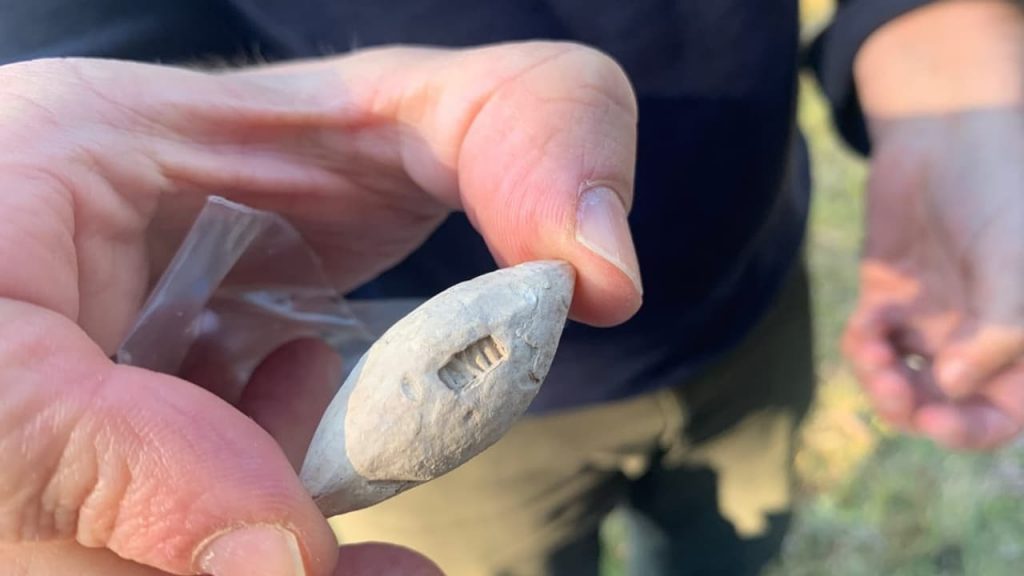


A slingshot with an inscription indicating the twelfth Roman legion's participation in battle. Photo: SRf
A slingshot with an inscription indicating the twelfth Roman legion’s participation in battle. Photo: SRF

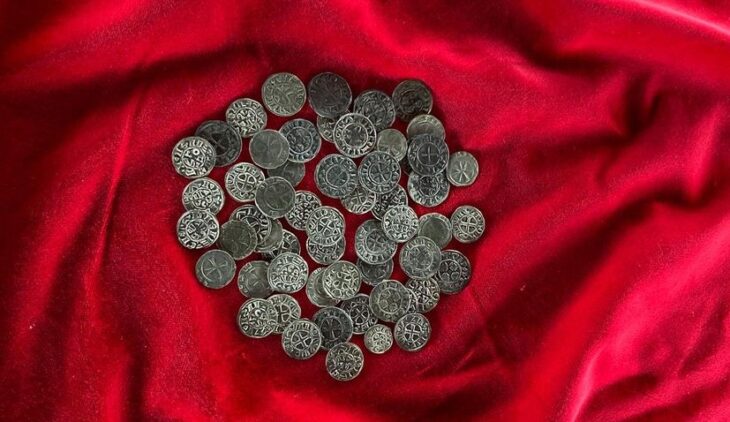
“Among the objects found were hundreds of shoe nails, slingshots, coins, and fragments of a shield that could be assigned to a local,” said Thomas Reitmaier, who said they had found several hundred Roman artifacts in total.

The finds are assumed to have been left on the battlefield after a clash between Romans and a local tribe at around 15BC.

It is unclear how many people died in the war. Those responsible say no graves have been found so far.
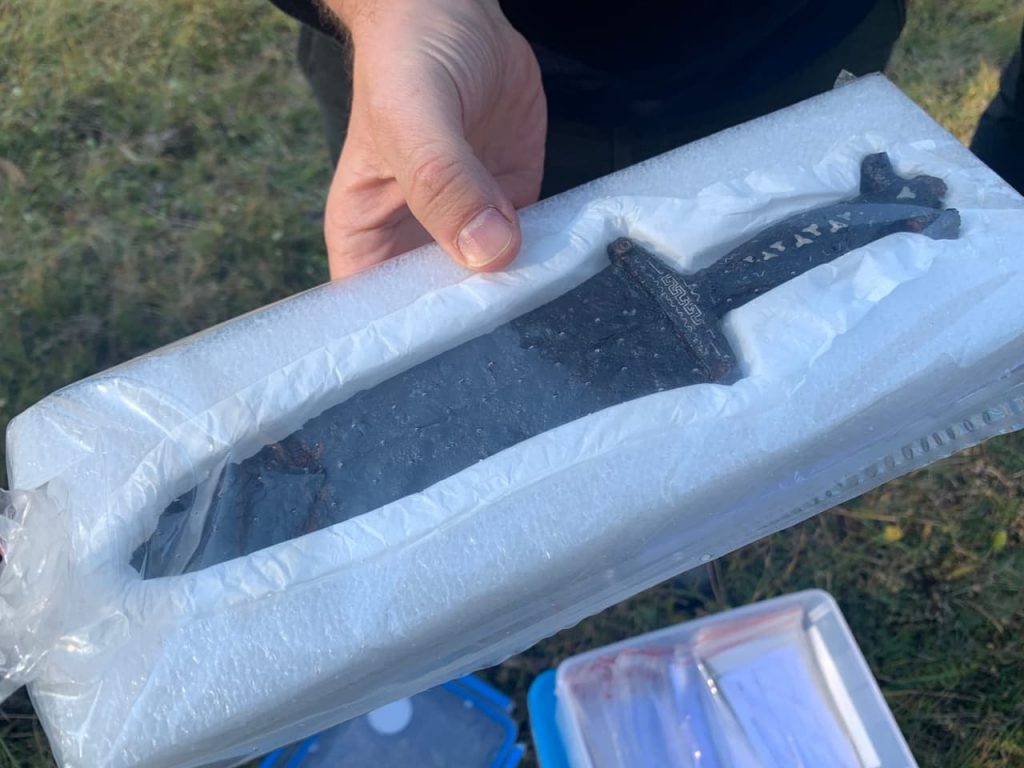
The Roman dagger that Lucas Schmid found 2 years ago. Photo: SRF

To learn more, the researchers will continue to explore the area over the next year. Two weeks are scheduled for research for objects that give clues to what happened in the Bündner Valley nearly 2,000 years ago.

Although artifacts from the Roman period were found in the area about 20 years ago, experts were of the opinion that there was nothing to be found in the area. Lucas Schmid took a different view, went on a quest, and succeeded. So successful that research is now being conducted on a large scale.

Hobby archaeologist Lucas Schmid is delighted to have uncovered other objects two years ago: Of course, I’m glad that what I’m doing is making a difference” he said.

Cover Photo: Archäologischer Dienst Graubünden
Related Articles

New Roman Settlement Discovered in Türkiye May Be Linked to the Lost City of Arsameia

17 October 2025

17 October 2025

Archaeologists in southeastern Türkiye have discovered a previously unknown Roman settlement dating to the 4th century AD — a site...

Ancient Egyptian Kohl recipes more diversified than previously thought

28 April 2022

28 April 2022

Researchers analyzed the contents of 11 kohl containers from the Petrie Museum collection in London and have revealed that the...

Göbeklitepe Monolith will be Exhibited in the United Nations

15 May 2021

15 May 2021

A copy of one of the famous ruins of Göbeklitepe, known as the oldest temple in the world, will be...

A Little-Known Civilization in the Americas Built Pyramids as Old as Ancient Egypt

26 June 2022

26 June 2022

Considered the cradle of civilization in the Americas, the Sacred City of Caral-Supe is a 5000-year-old archaeological site, situated on...

1,400-year-old temple from the time of the East Anglian Kings discovered at Suffolk royal settlement

21 November 2023

21 November 2023

Archaeologists have uncovered a possibly pre-Christian temple from the time of the East Anglian Kings at Rendlesham, near Sutton Hoo...

Burial of Ascetic Monk in Chains Reveals Surprising Identity: A Woman in Byzantine Jerusalem

15 February 2025

15 February 2025

A recent archaeological discovery near Jerusalem has challenged long-held beliefs about ascetic practices in the Byzantine era, revealing the remains...

Between Shamans, Gods and Spirits: A Journey into Bulgaria’s Mysterious Central Asian Origins

2 July 2025

2 July 2025

Long before modern borders were drawn, ancient spiritual traditions — led by shamans and rooted in communion with the unseen...

Roman Harbor Structures in the Maas: Underwater Excavation Yields Rare Finds – Live Streamed

29 September 2025

29 September 2025

In the Dutch town of Cuijk, once known in Roman times as Ceuclum, archaeologists are currently undertaking one of the...

Uncovering the ritual past of ancient mustatils: Cult, herding, and ‘pilgrimage’ in the Late Neolithic of north-west Arabia

16 March 2023

16 March 2023

Mustatils—stone monuments from the Late Neolithic period thought to have been used for ritual purposes—have been the subject of new...

A new study shows that the cave paintings at Cueva Ardales are the work of Neanderthals

21 August 2021

21 August 2021

A study of pigments used in murals in the Cueva Ardales caves in southern Spain has revealed that Neanderthals, long...

7,000-Year-Old Human Footprints in Anatolia: Unearthed at Hatay’s Tell Kurdu Höyük

30 September 2025

30 September 2025

In a rare and captivating discovery, archaeologists have uncovered ancient human footprints dating back approximately 7,000 years at the site...

Discovery of immense 4,000-year-old fortifications surrounding the Khaybar Oasis, one of the longest-known Oasis

10 January 2024

10 January 2024

Archaeologists have recently made a groundbreaking discovery in northwestern Arabia, unearthing immense fortifications that date back an astonishing 4,000 years....

No Mortar, No Cement, No Metal – How Sardinia’s Nuragic Towers Have Defied Gravity for 3,500 Years?

20 December 2025

20 December 2025

No mortar, cement, or metal—yet Sardinia’s Nuragic towers have stood for 3,500 years. New scientific research reveals the ancient engineering...

Relief masks discovered in Turkey’s ancient city of Kastabala

7 January 2022

7 January 2022

In the ancient city of Kastabala (Castabala), which dates back to 500 BC, located in Turkey’s southern province of Osmaniye,...

A Circular Structure Linked to the Cult of Kukulcán Discovered in Mexico

2 November 2023

2 November 2023

A team of researchers with the Mexican National Institute of Anthropology and History (INAH) has unearthed the remains of a...