29 January 2026 The Future is the Product of the Past

A 2,000-year-old Street from the Roman Period has been Discovered in Southeastern Turkey

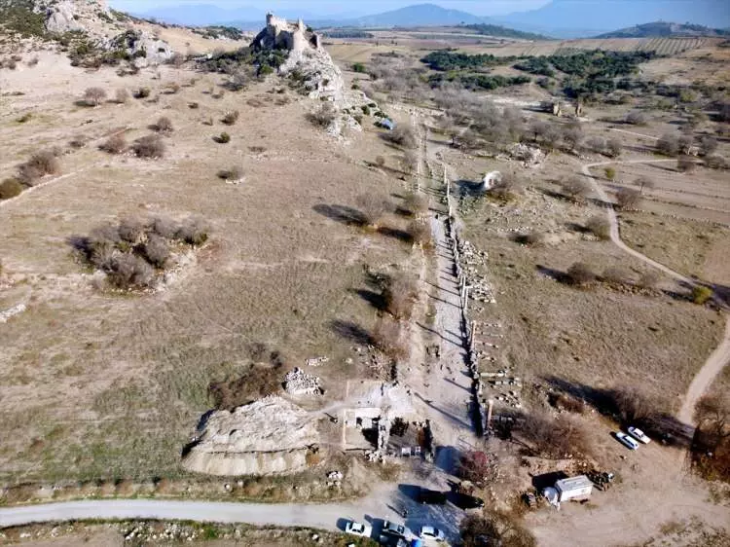
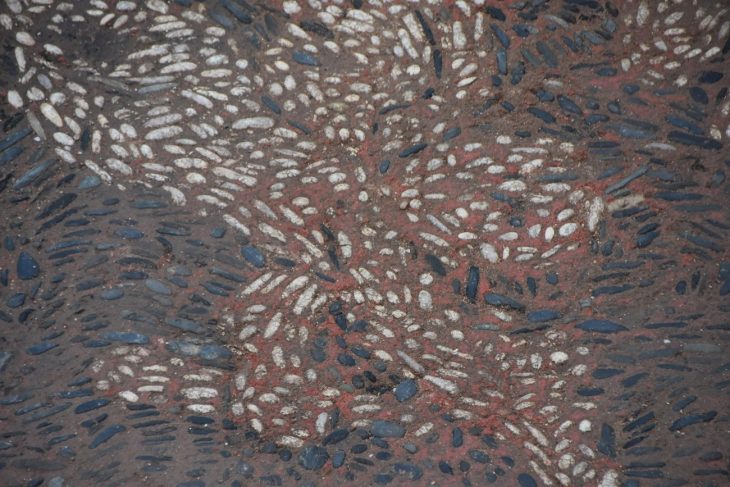
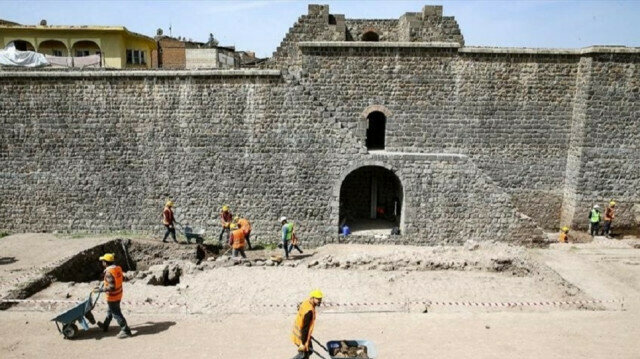
A 2,000-year-old street from the Roman period has been discovered in southeastern Turkey. Excavation to unearth historical street in the southeastern province of Diyarbakir ongoing.

Diyarbakır Amida Hoyuk excavations witness good developments. Despite the difficulties of the coronavirus epidemic, work continues with strict precaution.

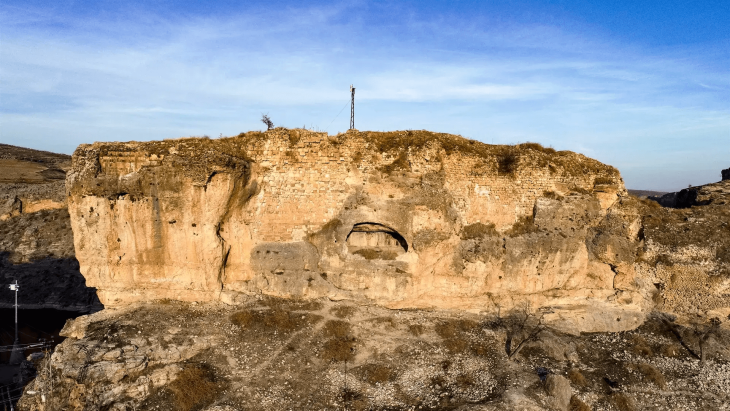
Amida Hoyuk was home to many civilizations such as the Hurri-Mitannis, Urartians, Assyrians, Medes, Persians, Tigran the Great Kingdom, Romans, Sassanids, Byzantines, Umayyads, Abbasids, Safavids, Ayyubid dynasty, Marwanids, Seljuks, Ottomans, and Artuqids.

Professor Irfan Yildiz from Dicle University is heading the excavation amid strict measures against the coronavirus.

“Very interesting data continues to come from the west side of the mound we excavated. The street texture and structure of the period has started to emerge,” he said.


📣 Our WhatsApp channel is now LIVE! Stay up-to-date with the latest news and updates, just click here to follow us on WhatsApp and never miss a thing!!


Over a year, Yildiz noted that they expect to unearth many historical artifacts in the excavation.

Yildiz said by 2022 tourists using the Roman street will be able to visit the historical region of Ickale and be able to see streets from the Roman, Ottoman, Republican periods.

Archeological work at the Amida Mound has been ongoing since 2018 with several exciting new findings made in the last two years.

Source: Yeni Şafak
Related Articles

3 Bronze Shields and Helmet of 2700 Years Old Belonging to Urartians Found in Ayanis Castle

8 September 2024

8 September 2024

Three bronze shields and a bronze helmet dedicated to Haldi, the chief god of the Urartians, were discovered during excavations...

7,000-Year-Old Animal-Figured Seals Found in Arslantepe, Anatolia’s First City-State

27 August 2024

27 August 2024

Archaeologists working at the Arslantepe Mound (Turkish: Arslantepe Höyük), a UNESCO World Heritage Site in Türkiye’s eastern Malatya province and...

Archaeologists Discover 8600-year-old Bread at Çatalhöyük May be the Oldest Bread in the World

5 March 2024

5 March 2024

Archaeologists have discovered about 8,600-year-old bread at Çatalhöyük, a Neolithic settlement in central Turkey. Çatalhöyük is noteworthy because it is...

Medieval gold ‘lynx’ earrings from Ani Ruins

29 December 2022

29 December 2022

A pair of lynx-shaped gold earrings have been unearthed near the ruins of Ani, the once great metropolis known as...

Unique Works of Anatolia “Kilia İdols”

15 May 2021

15 May 2021

The “Kilia İdols”, which are among the small artifacts belonging to the prehistoric periods of Anatolia, has been introduced to...

The Roman Imperial period, There was Less Waste in the Production of Marble Slabs than Today

17 May 2021

17 May 2021

When talking about the architecture of the ancient Roman Empire, most people usually think of the mental image of white...

Roman Era Mosaic Unearthed in Illegal Excavation Near Zile Castle

13 May 2025

13 May 2025

A stunning mosaic has been unearthed during an illegal excavation near Zile Castle, located in the Tokat province of Türkiye,...

Archaeologists Unearth 3,000-Year-Old Urartian Murals Hidden in a Mysterious Underground Structure Beneath Garibin Tepe

6 November 2025

6 November 2025

Archaeologists uncover one of the best-preserved Urartian mural complexes deep under Van, Türkiye In the rugged highlands of eastern Türkiye,...

Archaeologists Discover Rare Masked Roman Oil Lamp in Cuijk, Netherlands

13 September 2025

13 September 2025

Archaeologists in Cuijk, North Brabant, have unearthed a remarkable discovery: a nearly 1,800-year-old Roman oil lamp adorned with a decorative...

The Surprising Fact About The Roman-Era Female Bust

24 March 2021

24 March 2021

50 years ago, foundation excavation work was started for the construction of Girls’ Institute in Akpınar Neighborhood of Bolu city...

New Insights From Researchers About The World’s Longest Aqueduct

11 May 2021

11 May 2021

The Roman Empire’s aqueducts are magnificent specimens of the art of architecture. Although centuries have passed since these aqueducts were...

“Important discovery” showing that the Hittite city of Büklükale close ties with the Hurrian society

21 October 2022

21 October 2022

According to Japanese archaeologists, an ancient clay tablet discovered at the Büklükale ruins in central Turkey suggests that a little-known...

HS2 archaeologists discover Romanization of Iron Age village in Britain

12 January 2022

12 January 2022

Archaeologists have uncovered a vast Roman trading town on Britain’s HS2 high-speed rail route. Evidence found during a dig of...

3500-year-old grape seed remains found in western Anatolia

12 September 2023

12 September 2023

Archaeologists at the Aşağıseyit Höyük (Aşağıseyit Mound) site in western Anatolia’s Denizli have uncovered a 3,500-year-old grape seed. Aşağıseyi Höyük...

8000-year-old with balcony architectural structure belonging to the Prehistoric period found in Anatolia

31 October 2021

31 October 2021

During the excavations in Domuztepe mound, it was revealed that an architectural structure thought to be 7-8 thousand years old...