
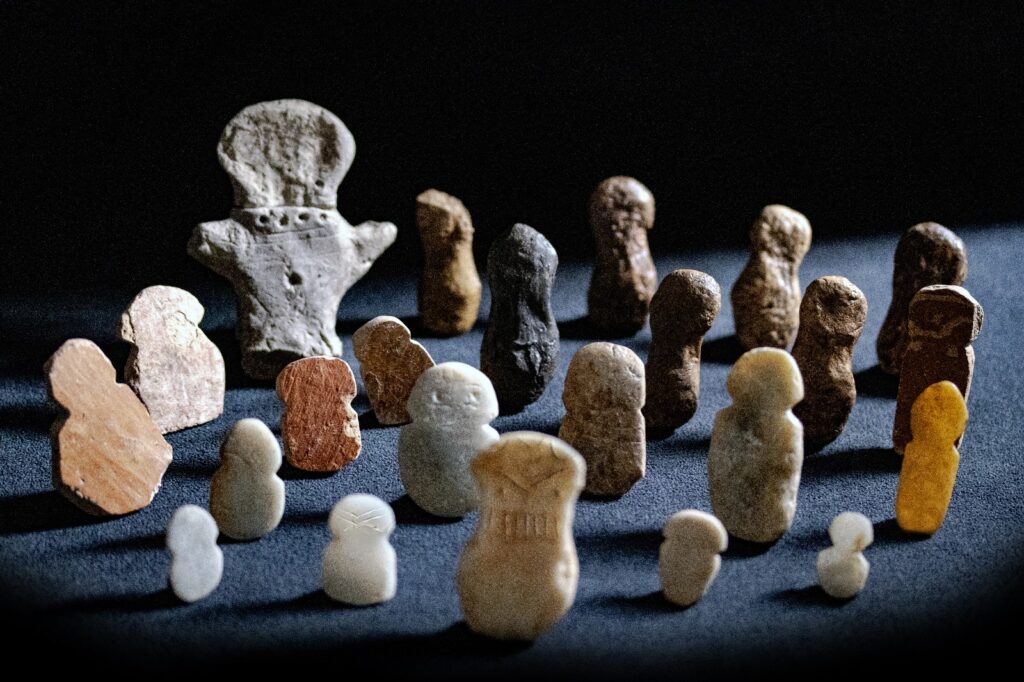
Archaeologists in Türkiye have uncovered a remarkable set of artifacts at Tavşanlı Höyük (Tavşanlı Mound), one of the largest Bronze Age settlements in Western Anatolia. The discovery, announced by Minister of Culture and Tourism Mehmet Nuri Ersoy, includes 4,500-year-old human-shaped idols crafted from marble, bone, and terracotta. Experts say the find provides unprecedented insight into the spiritual and daily lives of Bronze Age communities in the region.
A Key Bronze Age Settlement in Anatolia
Located in Kütahya province, Tavşanlı Höyük has long been recognized as a critical archaeological site. Rising as a mound formed by centuries of continuous habitation, the settlement is believed to have flourished around 2500 BCE during the Early Bronze Age. Its strategic position in Western Anatolia made it a hub for cultural and economic interactions, linking inland Anatolian communities with trade routes reaching toward the Aegean and beyond.
Archaeological work at the site has been ongoing in phases, but this season’s excavations have already yielded discoveries that stand out among past findings. The idols unearthed from a carefully prepared context represent not just artistic objects but also symbols of ritual and belief that shaped Bronze Age society.
The Significance of the Hearth and Idols
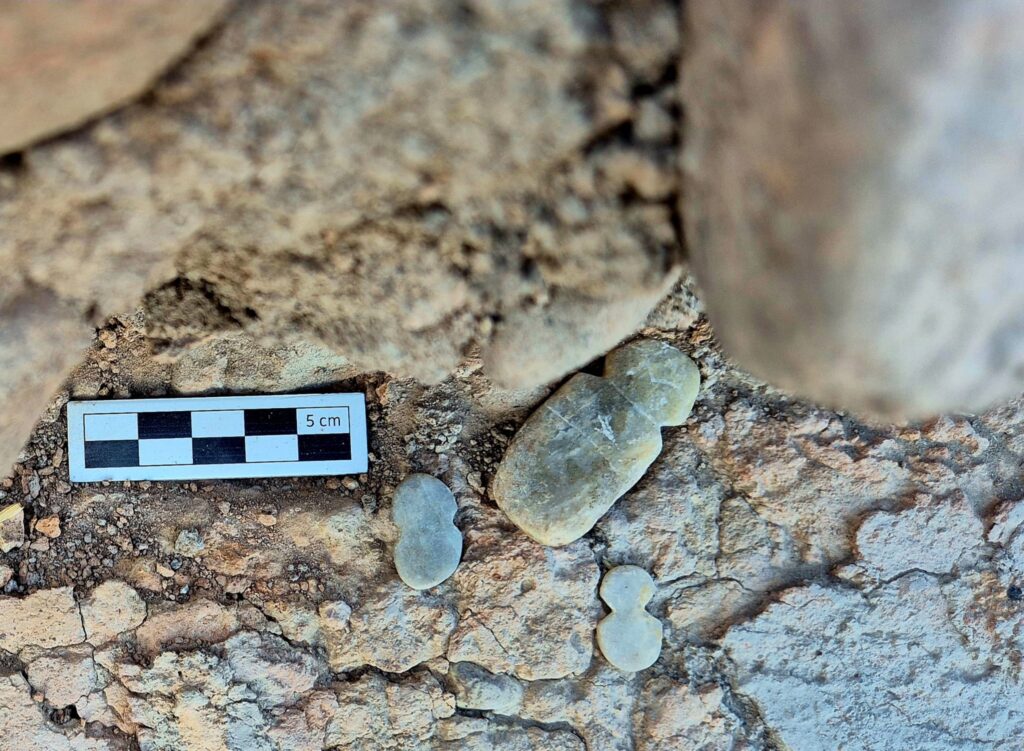
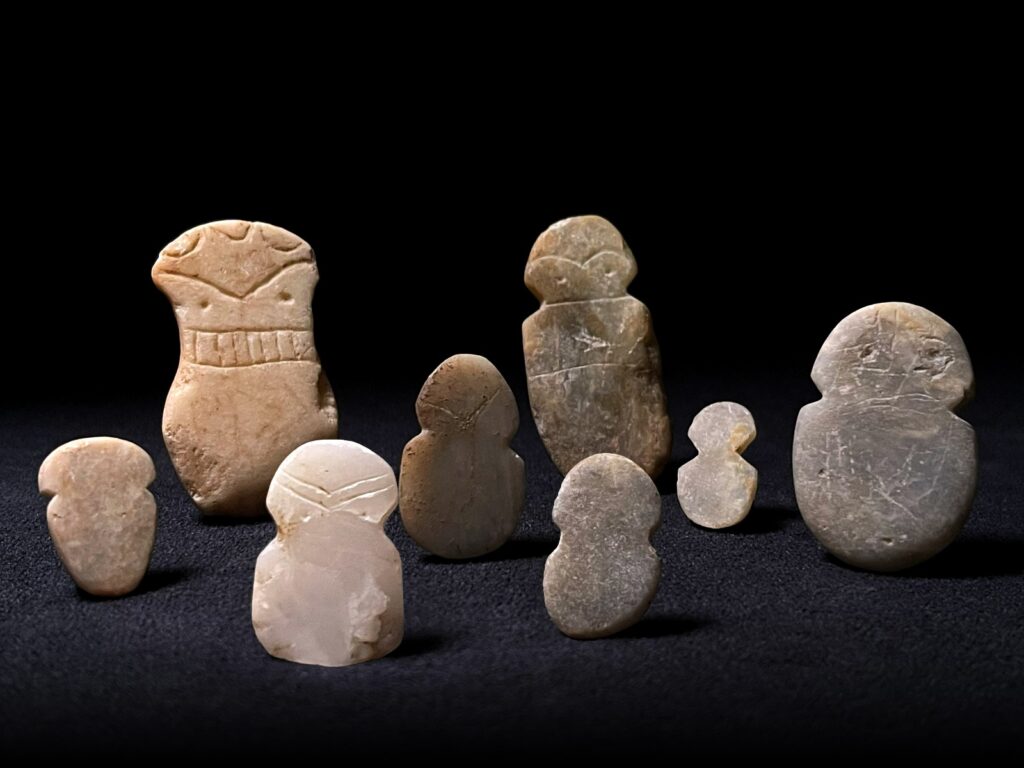
The most striking find consists of seven human-shaped idols positioned side by side around a hearth. This arrangement is more than a coincidence, according to archaeologists. In ancient societies, the hearth was central to community and household life, symbolizing warmth, sustenance, and protection. It often served as a sacred focal point where families gathered, ceremonies were performed, and offerings were made to deities.
The placement of the idols suggests they played a role in ritual practices connected to fire and divinity. Scholars believe they could represent ancestors, protective spirits, or gods invoked during ceremonies. Their deliberate positioning indicates a symbolic relationship between fire as a life-giving force and the spiritual entities embodied in the idols.
Such finds are rare in Anatolian archaeology. While figurines are common in prehistoric contexts, a cluster of idols associated with a hearth provides direct evidence of ritual activity rather than isolated symbolic objects. This discovery sheds new light on how Bronze Age people organized their spiritual lives and how domestic spaces could double as ritual spaces.
Insights into Craft and Economy
In addition to the idols, archaeologists uncovered unfinished ceramic vessels, which reveal aspects of Bronze Age craftsmanship. These incomplete items provide a glimpse into the production processes of the time—showing how raw clay was shaped, fired, and prepared for daily use.
The combination of ritual artifacts and workshop remnants at Tavşanlı Höyük highlights the interwoven nature of spiritual and economic life. It suggests that the settlement was not only a religious and cultural hub but also a center of skilled production. Such dual roles underline the complexity of Bronze Age communities, which balanced the practical demands of survival with deeply rooted spiritual traditions.
Official Statements and Ongoing Research
Minister Ersoy emphasized the importance of the discoveries in a statement shared on social media:
“Artifacts dating back 4,500 years have been unearthed at Tavşanlı Höyük. The idols and ceramics provide unique clues about the religious rituals, cultural life, and economic activities of Bronze Age Anatolia. Even though excavations are currently limited to small areas, they already present invaluable information about the past.”
The Ministry of Culture and Tourism also announced that excavations will continue until mid-December. Archaeologists expect that further work will expand knowledge about the settlement’s role in Bronze Age Anatolia, revealing more about its urban layout, cultural practices, and regional connections.
A Window into Bronze Age Beliefs and Daily Life
Tavşanlı Höyük is not just an archaeological site but a window into humanity’s shared past. The idols discovered here highlight how communities thousands of years ago sought meaning in their surroundings, blending the ordinary with the sacred. The hearth, a practical necessity for warmth and cooking, became a ritualized space where symbolic objects were placed, revealing the spiritual dimensions of everyday life.
For researchers, each artifact contributes to a broader narrative about early urbanization, trade, and belief systems in Anatolia. For the public, discoveries like these connect modern society with the ingenuity and creativity of ancient communities.
As excavations continue, Tavşanlı Höyük promises to yield even more insights into the rituals, crafts, and community structures of the Bronze Age, ensuring its place as one of the most important archaeological sites in Turkey and the wider region.
Cover Image Credit: Image released by the Ministry of Culture and Tourism on Minister Mehmet Nuri Ersoy’s official X account.
