
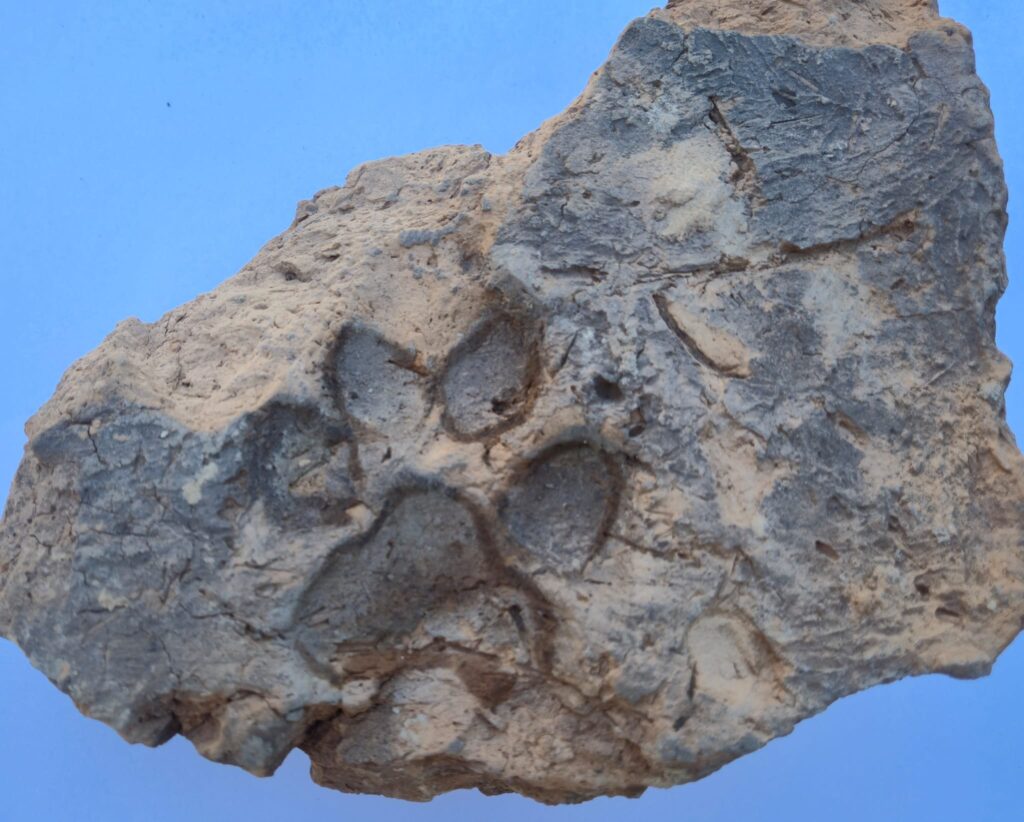
Archaeologists excavating Tavşanlı Höyük in western Türkiye have discovered 4,000-year-old dog paw prints preserved on a mudbrick from a Bronze Age house. The accidental impressions offer a rare glimpse of everyday life in one of western Anatolia’s largest Bronze Age settlements.
Nearly 4,000 years ago, a dog walked across a freshly made mudbrick at a settlement in western Anatolia, leaving behind a series of paw prints. The brick eventually became part of a house wall, survived a devastating fire, and remained buried for thousands of years. Archaeologists have now recovered it during excavations at Tavşanlı Höyük in Türkiye’s Kütahya province.
The discovery offers an unusually personal connection to the Bronze Age inhabitants of the settlement. While archaeologists regularly recover pottery, tools, and architectural remains, accidental impressions such as these preserve brief moments of everyday activity that rarely appear in the archaeological record.
Türkiye’s Minister of Culture and Tourism, Mehmet Nuri Ersoy, announced the discovery on October 26, describing the prints as a small but remarkable trace of life four millennia ago. The excavation team, led by Professor Erkan Fidan of Bilecik Şeyh Edebali University, found the mudbrick among the collapsed remains of a building destroyed by fire.
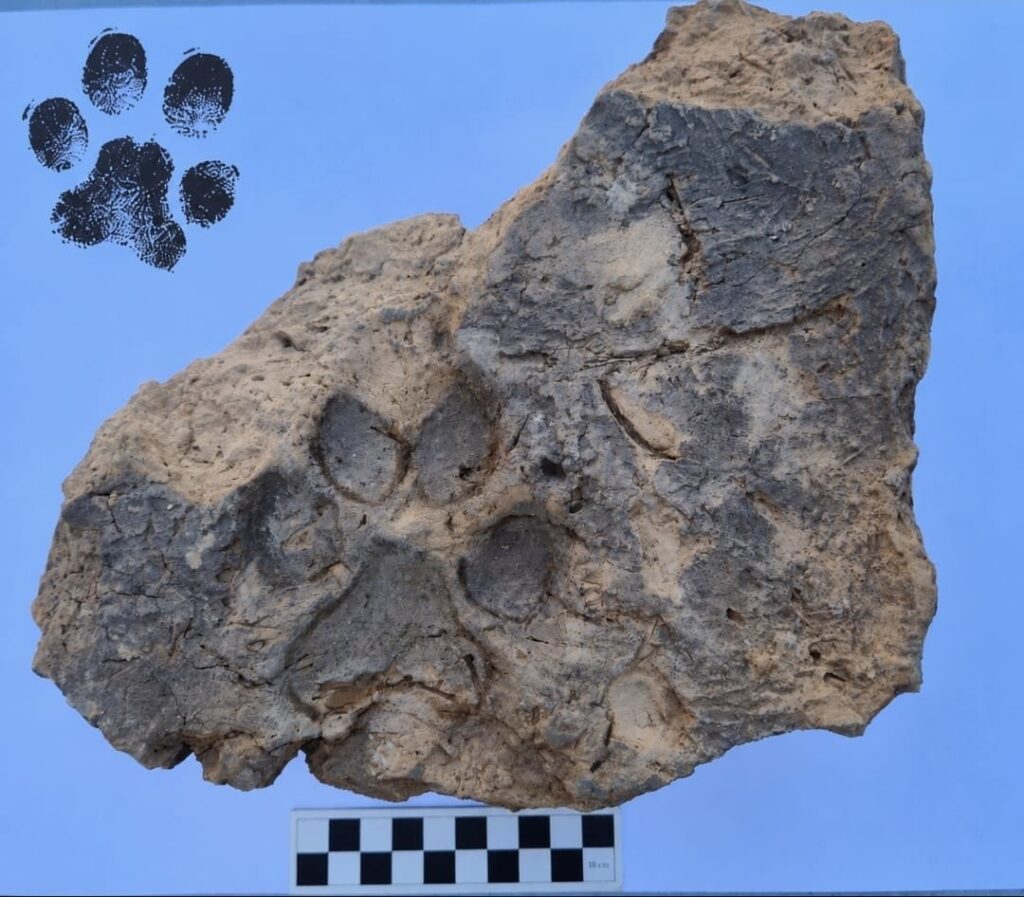
Footprints Preserved in a Bronze Age Wall
Mudbrick was a common building material in Bronze Age Anatolia. Workers mixed soil, water, and straw, shaped the mixture into bricks and left them in the sun to dry. At Tavşanlı Höyük, a dog apparently crossed one of these bricks before the mud hardened, leaving paw impressions on its surface.
As the material dried, the impressions remained. Builders subsequently incorporated the brick into a house wall, where it stayed until fire destroyed the structure. The collapsed debris protected the brick and its unusual markings until archaeologists encountered them during the excavations.
The discovery provides direct evidence of an animal’s presence within the settlement, although the impressions alone cannot establish whether the dog belonged to a household or moved freely through the community. Nevertheless, they offer a different perspective on a prehistoric town usually studied through its buildings, objects and destruction layers.
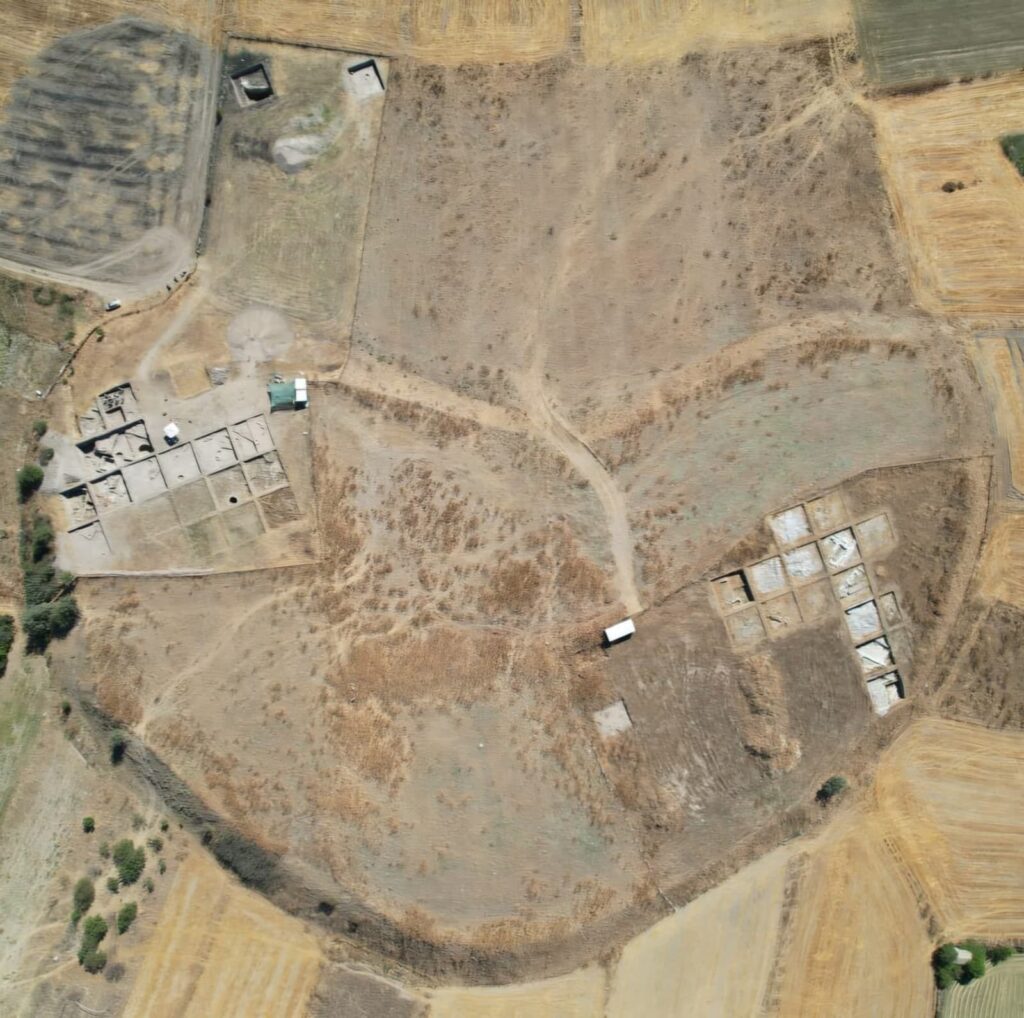
A Bronze Age City with a Remarkable Archaeological Record
Tavşanlı Höyük stands in the Tavşanlı Plain, approximately one kilometre south of the modern town. Covering at least 45 hectares, it ranks among western Anatolia’s largest prehistoric settlements, with occupation extending back approximately 8,000 years.
Since 2021, Fidan and his team have investigated the settlement’s Bronze Age occupation, uncovering substantial architectural remains and evidence of a violent destruction approximately 3,700 years ago. Among the most striking discoveries were two human skeletons recovered from burned buildings. One preserved carbonized remains of brain and skin tissue, providing unusual evidence of the conditions during the settlement’s destruction.
The excavations have also revealed Tavşanlı’s connections with wider Bronze Age exchange networks. In 2024, archaeologists discovered a 3,750-year-old faience cylinder seal in a destruction layer associated with the end of the Assyrian Trading Colonies period. The rare object strengthened evidence that western Anatolian communities participated in commercial networks extending toward central and eastern Anatolia.
Other finds include 4,200-year-old hazelnut remains, pottery, metalworking debris and owl-faced figurines resembling examples known from ancient Troy. Together, these discoveries help reconstruct the settlement’s economy, cultural connections and domestic activities.
The newly discovered paw prints complement this broader archaeological picture. Tavşanlı Höyük has already provided evidence of trade, craftsmanship and destruction, but the marks on a humble mudbrick preserve something considerably more intimate: the footsteps of a dog moving through a community nearly 4,000 years ago.
