
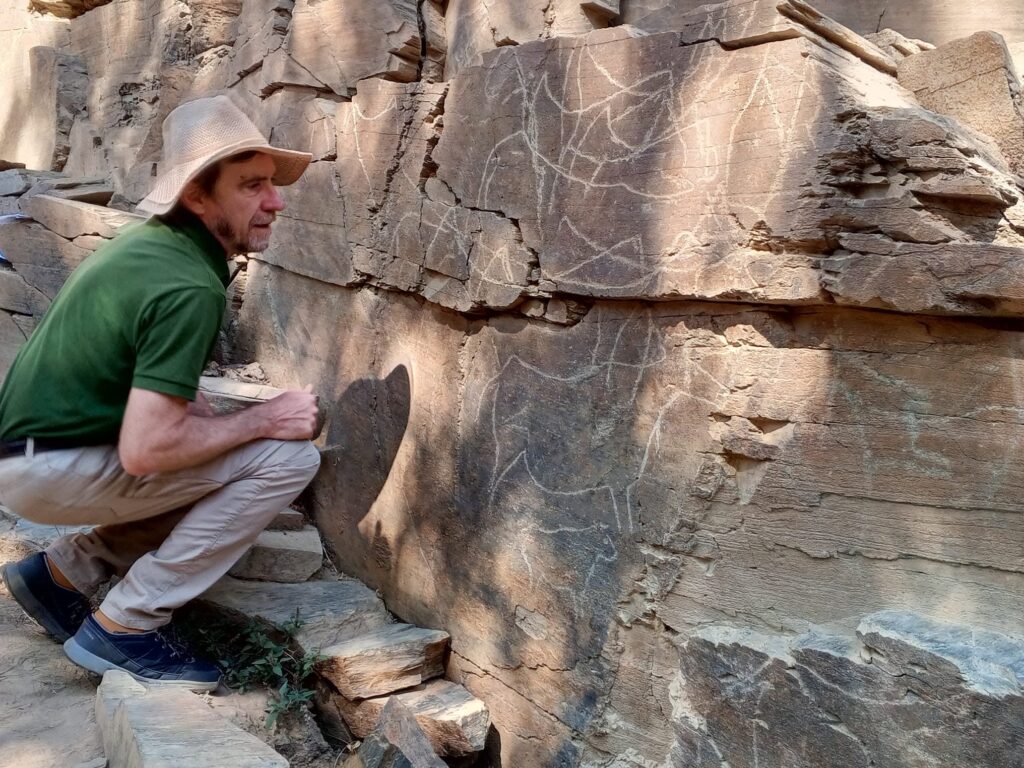
The Côa Valley in Portugal is known for the thousands of animal figures that prehistoric peoples engraved on rock surfaces. But were these engravings ever painted? Hundreds of mineral‑pigment fragments discovered by archaeologists in settlement layers older than 27,000 years provide new evidence that Paleolithic peoples may have coloured the rocks. The significance of the find, however, goes beyond art. Recent excavations also show that human activity in the area extends further back than previously thought and offer fresh insights into the everyday lives of these communities.
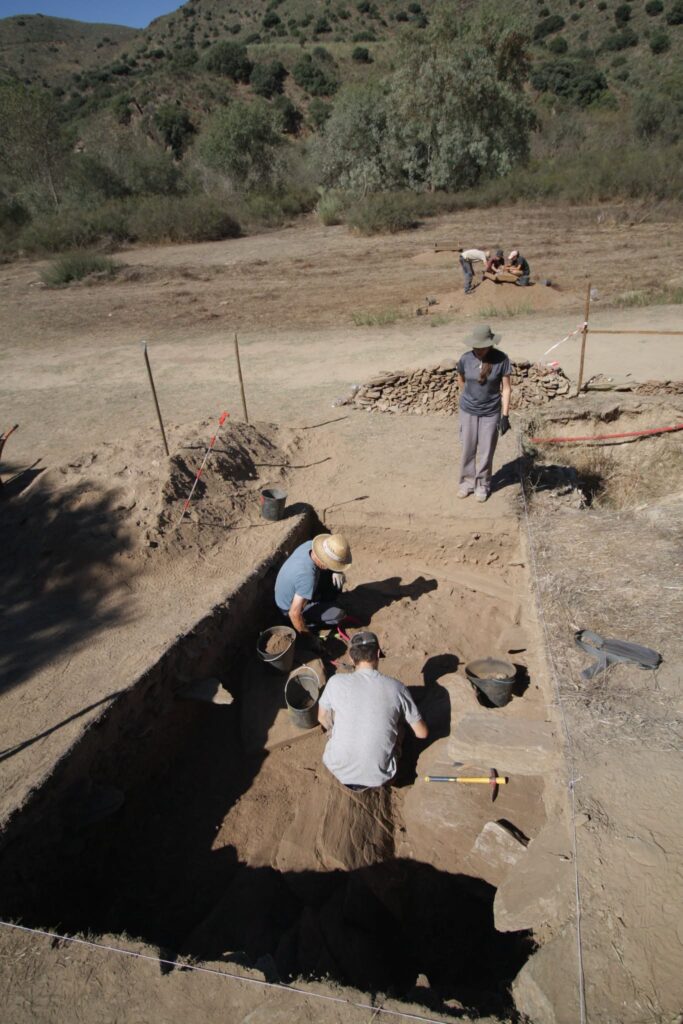
Research conducted at Penascosa by the Côa Parque Foundation is led by archaeologist and scientific coordinator Thierry Aubry. In an excavation area of approximately eight square meters, the team detected yellow, red, black, and brown mineral pigments. According to Aubry, these are crucial evidence for investigating whether the artistic tradition of the Côa Valley, known today for its engravings, may have also included painted depictions in the past.
27,000‑Year‑Old Traces of Human Life at Penascosa
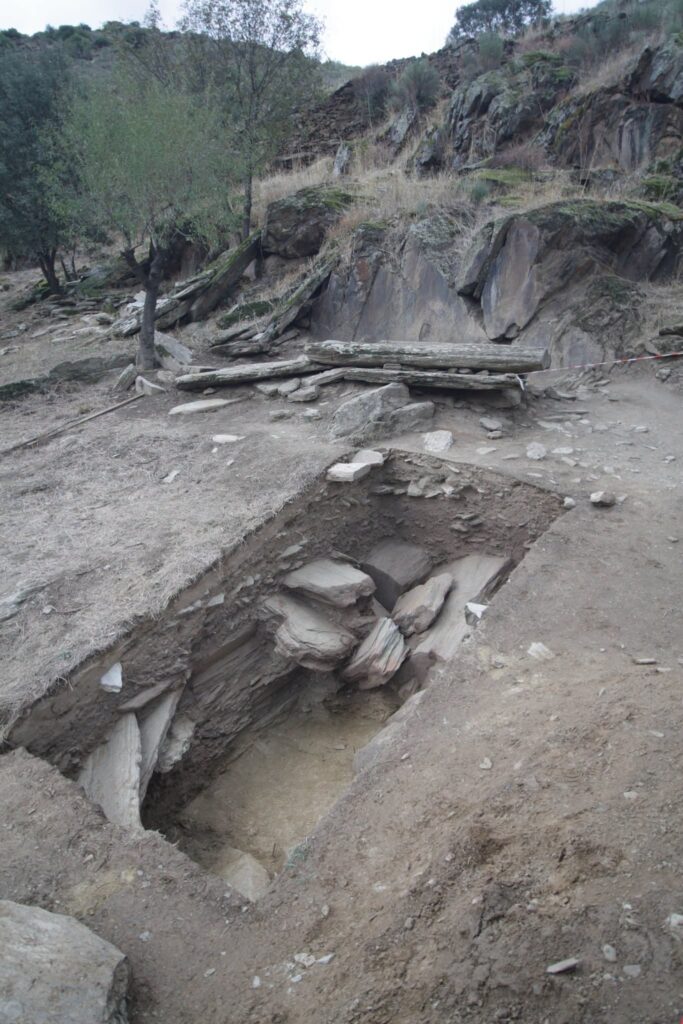
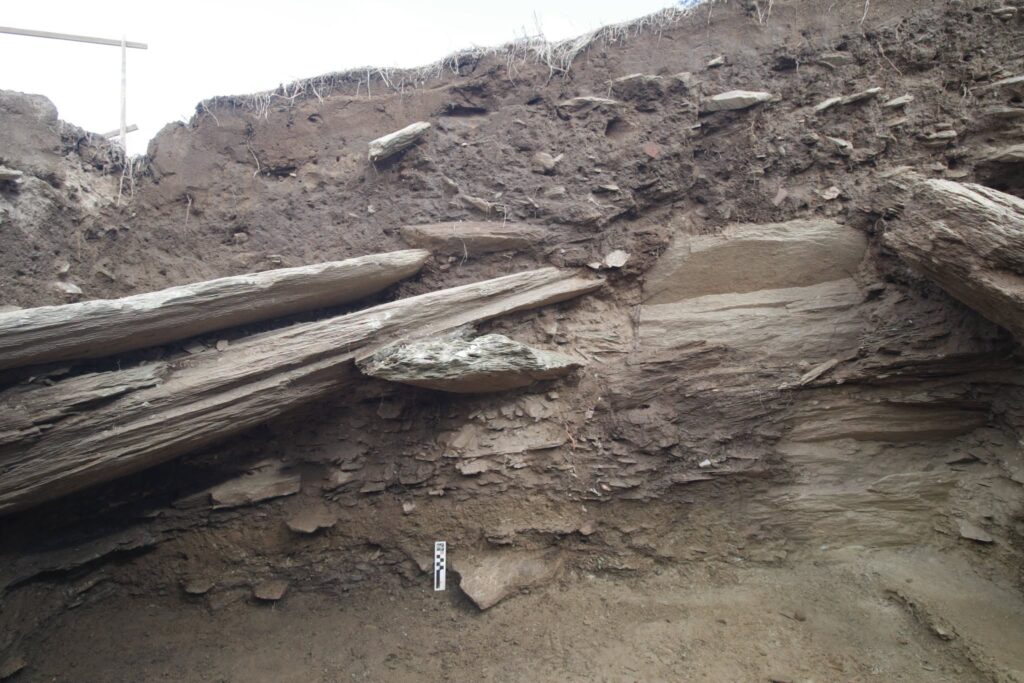
Archaeologists worked near rock surface “Number 3” at Penascosa, with students from the University of Lisbon joining the multi‑month dig. In the deepest layer, which they date to the final phase of the Upper Paleolithic Gravettian, they found evidence of human activity older than 27 000 years.
Aubry told the Portuguese news agency Lusa, that this dating pushes back the previously accepted 26 000‑year limit for Penascosa. Among the finds are traces of lithic production, hunting tools, leather‑working activities and hearth remains.
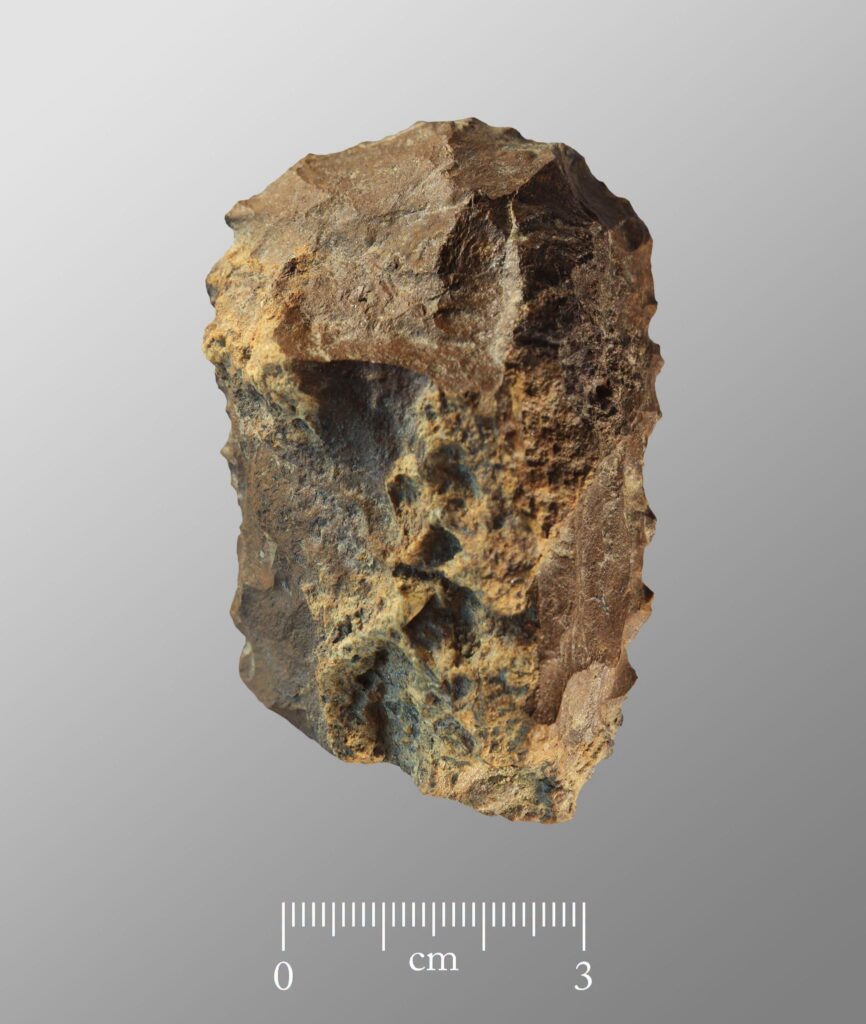
These materials demonstrate that Penascosa was more than a rock‑art site. Paleolithic groups there knapped stone, prepared hunting implements, processed animal hides and used fire. Aubry stresses that the research provides new information about the continuity of human presence in the Côa Valley and about the variety of activities people carried out.
The pigments uncovered in the excavations also form part of this everyday life. Researchers identified hundreds of pieces made of iron oxides and other natural minerals. Yet the exact function of the pigments remains an unanswered question.
What Role Could the Pigments Have Played in Daily Life?
Today we associate mineral pigments mainly with painting and colour production. Prehistoric groups, however, could have used these materials for a range of purposes. Aubry suggests that at Penascosa the pigments might have been mixed into adhesives or employed in hide‑processing.
Leather work was a crucial component of hunter‑gatherer economies. People turned animal skins into clothing, coverings and other necessities. Pigments could have been used to colour the hides, although no direct analytical proof linking the Penascosa pigments to such use has yet been published.
A second possibility raised by Aubry is artistic use. He notes that the visible rock‑art in the Côa Valley relies heavily on incising and pecking techniques. The new finds indicate that Paleolithic people also possessed the mineral materials needed for painting.
Thus, two separate points emerge from the excavations: pigments are clearly present in the archaeological context, but it is still unknown on which surfaces they were applied.
Were the Côa Valley Engravings Once Painted?
The most famous works from the Côa Valley depict horses, wild cattle and other animals, produced by carving or small blows into rock faces. The images we see today may not retain all the original characteristics that the creators first applied.
Aubry reminds us that painting and engraving often co‑existed in prehistoric art. He proposes that some pictures in the Côa Valley could have first been painted and later reinforced with incisions. Such a combination would have helped coloured figures survive longer when exposed to the elements.
His assessment is based on a key conservation problem: while scratches can persist for thousands of years, paint layers can be erased by rain, temperature fluctuations and erosion. Consequently, a substantial portion of the original painted art may simply not have survived to the present.
Nevertheless, the new pigments do not prove that a particular engraving was painted or that painting preceded engraving. Researchers also consider that pigments may have coloured organic materials such as hides. The loss of these perishable media means that our picture of Paleolithic art and daily life in the Côa Valley remains incomplete.
Future Work: Determining Where the Pigments Were Used
In the next phase, investigators will try to pinpoint the sources of the pigments and clarify their purposes. According to Aubry, different substrates leave distinct traces on the pigment particles. Laboratory analyses of these traces could reveal whether the pigments contacted rock, hide or another material.
The team estimates that natural sources of the pigments lie within a roughly 60‑kilometre radius of Penascosa, but it is not yet possible to link the fragments to a specific source. Ongoing mineral analyses aim to provide that information.
The Côa Parque Foundation recently presented the preliminary results at a scientific seminar in Algeria. The team plans to return to Penascosa in early spring to continue digging. The goal is not only to locate additional pigments but also to study the archaeological context and use‑patterns of the materials in greater detail.
Beyond the Engravings: A Paleolithic Legacy
The Côa Valley is one of Europe’s most important open‑air Paleolithic rock‑art sites. When the archaeological park was created in 1996, about 190 rock surfaces with art were documented. According to the Foundation’s current data, that number has risen to roughly 1 600. Researchers have recorded over 15 650 motifs across 104 archaeological sites.
Portugal declared the valley’s rock art a national monument in 1997, and UNESCO inscribed it on the World Heritage List in 1998. Over the past three decades, studies have increasingly clarified the artistic activities and settlement patterns of the peoples who lived there.
The new findings at Penascosa contribute to this picture in two ways. First, they provide concrete evidence of human activity and mineral‑pigment use older than 27 000 years. Second, they open the question of whether the region’s famous engravings were once part of a broader tradition of coloured representation.
The key question now is where these colours were applied. If researchers can link the pigments directly to the rock‑art, a more complete picture will emerge of how the Côa Valley’s surviving engravings originally appeared.
