Archaeological excavations in Werl-Westönnen uncover a 2,500-year-old salt production site and a unique Germanic farmstead
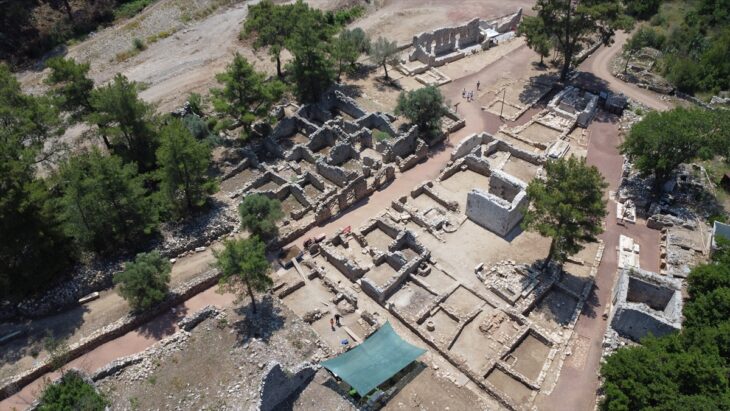
Nearly two years of archaeological excavations in Werl-Westönnen, located in the Soest district of North Rhine-Westphalia, are nearing completion, revealing an exceptional archaeological ensemble that sheds new light on prehistoric salt production and early Germanic settlement in Westphalia. Conducted under the supervision of the Regional Association of Westphalia-Lippe (LWL), the investigations were carried out ahead of a planned residential development by the city of Werl.
What started as a routine preventive excavation soon revealed an unexpected archaeological sequence, uncovering Iron Age salt production from some 2,500 years ago and a subsequent Germanic settlement dating to the early Common Era. Experts describe the site as one of the most significant archaeological findings in the region in recent decades.
Iron Age Salt Production: A Rare Discovery in Westphalia
During the Middle Iron Age, the area around Werl-Westönnen was used for salt production, a vital resource in prehistoric societies. Salt played a crucial role in preserving food such as meat and fish, reducing dependence on seasonal availability and enabling longer-term storage.
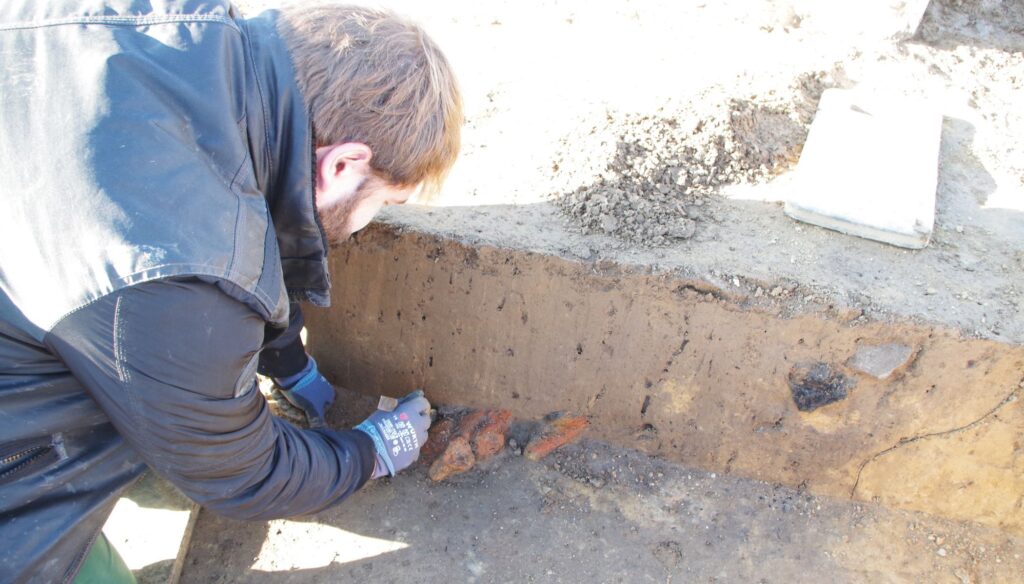
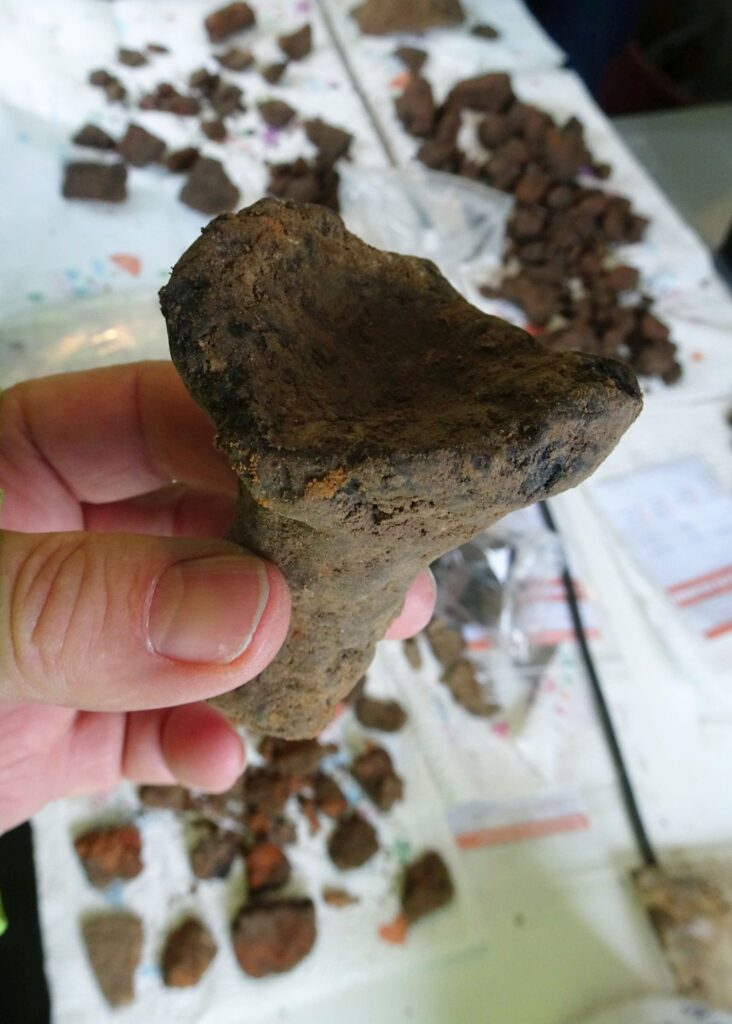
Archaeologists uncovered rare remnants of so-called briquetage—coarse, low-fired ceramic fragments used in prehistoric salt boiling processes. These ceramic vessels were employed to heat brine until the salt crystallized. In addition, the remains of a furnace were found, providing clear evidence that salt was produced directly on-site.
📣 Our WhatsApp channel is now LIVE! Stay up-to-date with the latest news and updates, just click here to follow us on WhatsApp and never miss a thing!!
“Until now, Iron Age salt production in Westphalia was only known from a few isolated finds in the historic center of Werl,” explains excavation director David Petö. “This discovery represents only the second confirmed site of Iron Age salt boiling in the region, making it exceptionally important.”
The location of the site near a natural spring likely made it particularly attractive for salt production, offering easy access to water essential for the process.
Credit: David Petö, Archäologie am Hellweg e.G.
Burial Mound from the Bronze or Iron Age
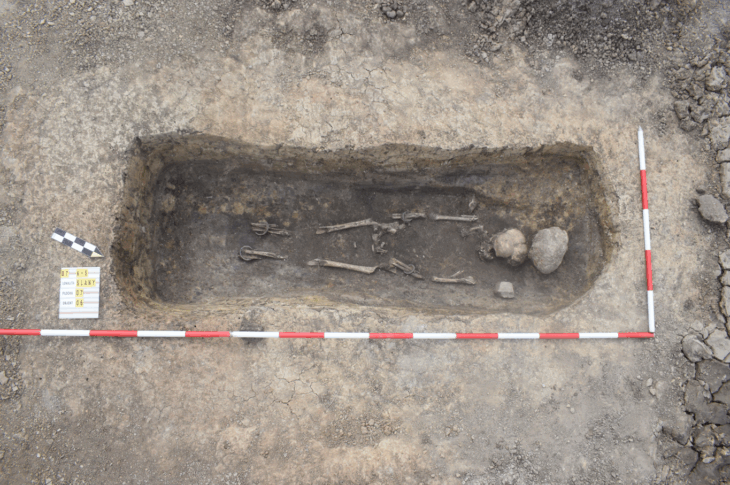
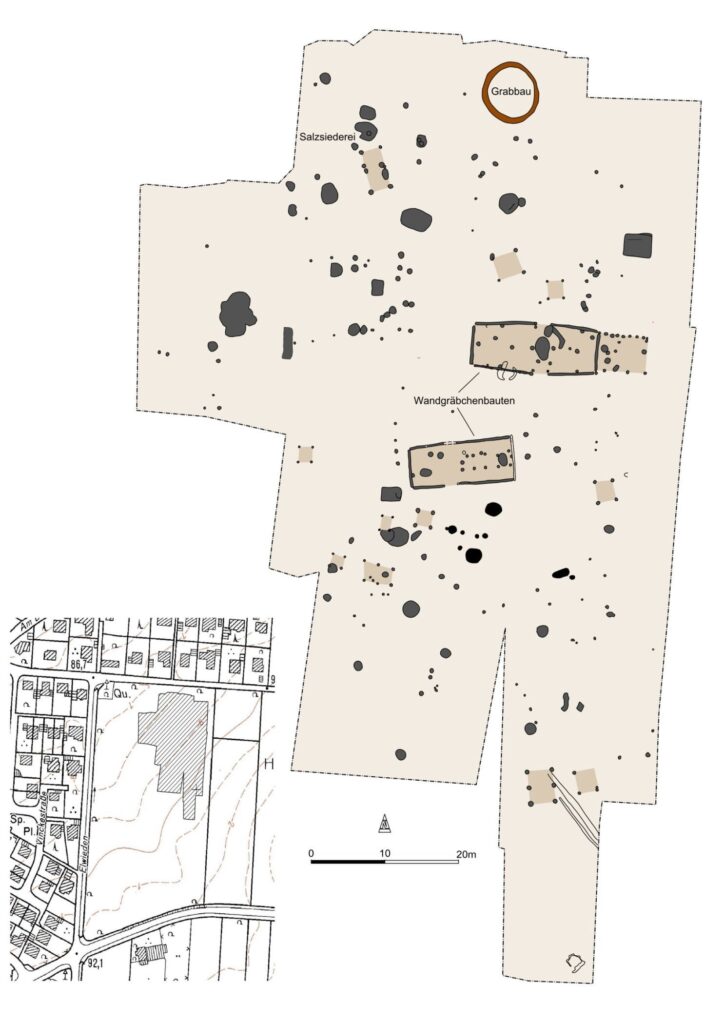
Another significant find was made at the northern edge of the excavation area: a circular ditch dating to the Bronze or Iron Age (approximately 2000–500 BC). According to Dr. Eva Cichy, scientific advisor at the LWL’s Olpe branch, the feature is the remnant of a burial mound.
“This type of burial under a grave mound was typical for the period,” Cichy explains. “It is possible that this grave belonged to a larger burial field extending north of the current excavation area.”
Unfortunately, much of this neighboring land was developed in the 1960s and 1970s without archaeological supervision, likely destroying additional graves. Thanks to close cooperation between the LWL and the city of Werl, the current construction project allowed for proper documentation and preservation of the newly discovered features.
Early Germanic Settlement in Westphalia During the First Century CE
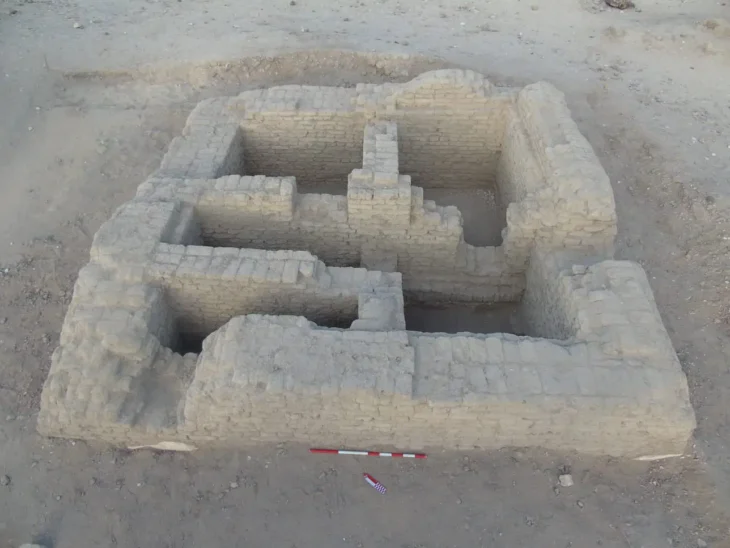
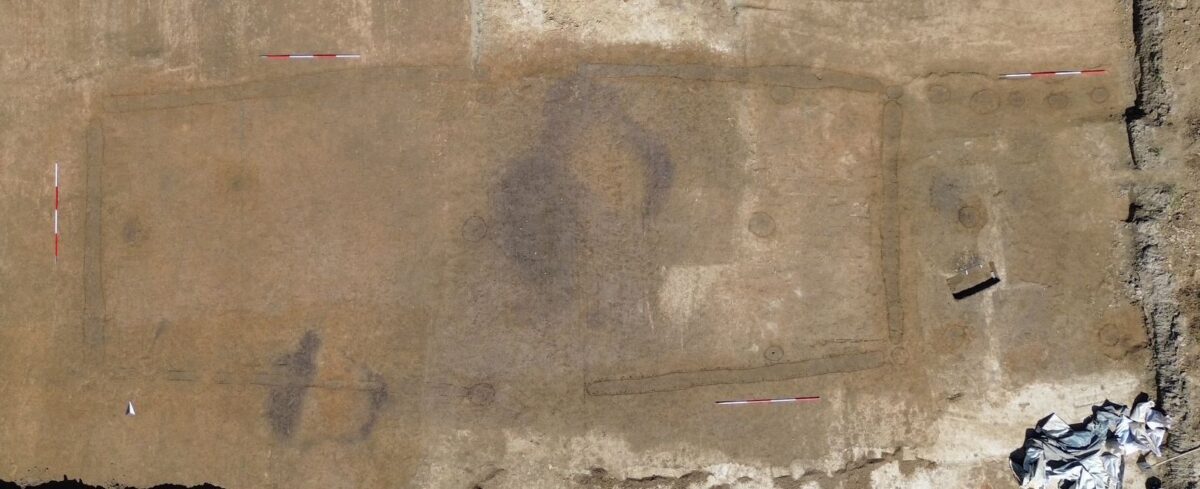
Centuries after the Iron Age salt producers left the site, Germanic settlers returned to the same favorable location around the turn of the era. Archaeologists identified rare but highly diagnostic soil discolorations that revealed the ground plans of two so-called wall-trench houses (Wandgräbchenhäuser).
One of these buildings was a two-aisled structure with close parallels in the Netherlands. “This building type is typically associated with the Batavi, a Germanic tribe whose settlement area was mainly west of the Rhine,” says Cichy. “Its presence here in Westphalia is highly unusual and raises many new questions.”
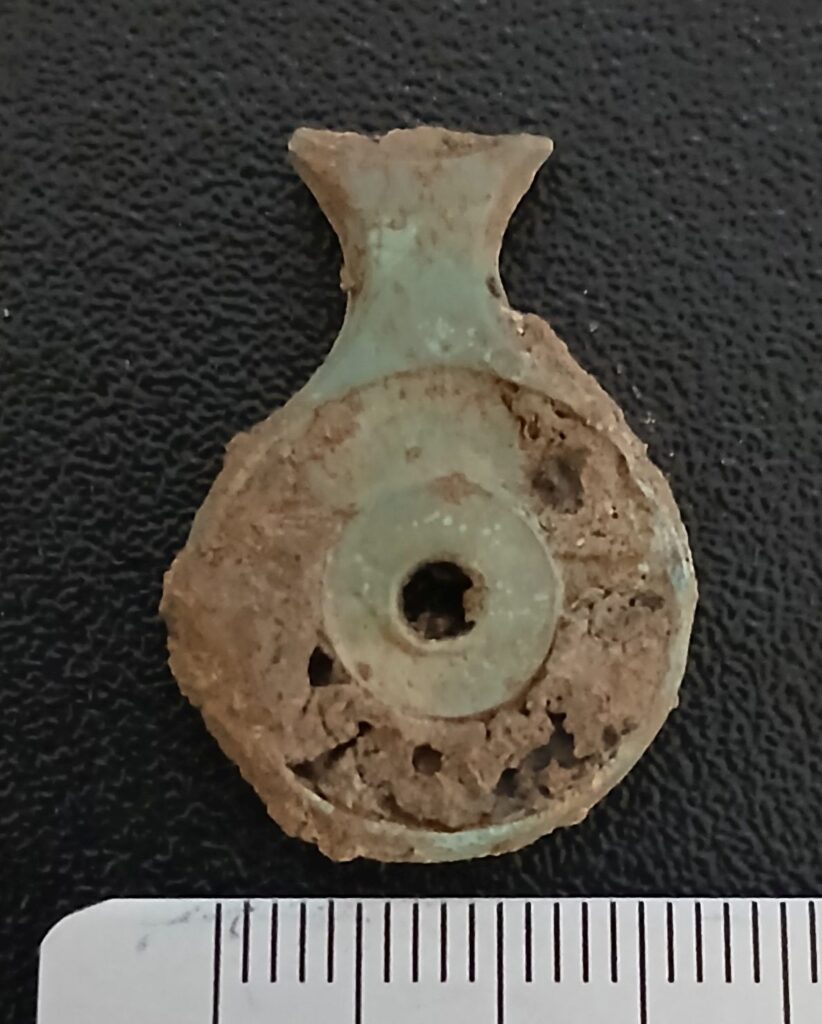
Adding to the intrigue, a fragment of a Roman horse harness fitting dating to the 1st century AD was found in direct association with the settlement. This suggests contact between the local Germanic population and the Roman world during a period of brief Roman presence in the region.
Credit: David Petö, Archäologie am Hellweg e.G.; Eva Cichy, LWL-AfW
A Textbook Imperial-Era Farmstead
The settlement was not limited to residential buildings. Evidence of a sunken-featured building used as a workshop, small storage structures, and large storage pits completes the picture of a self-contained farmstead from the early Roman Imperial period.
“Taken together, this is an Imperial-era farmstead almost straight out of a textbook,” Cichy says enthusiastically. “For trained archaeologists, the site offers an exceptionally clear and coherent snapshot of life in this period.”
Credit: David Petö, Archäologie am Hellweg e.G.
Scientific Evaluation Still Ongoing
Although the fieldwork is nearly finished, researchers emphasize that the most important phase is still ahead. Detailed scientific analysis of the finds and features is expected to provide further insights into prehistoric salt production techniques, settlement patterns, and cultural interactions between Germanic communities and the Roman Empire.
The discoveries in Werl-Westönnen not only enhanctanding of Westphalia’s ancient past but also highlight the importance of archaeological investigations prior to modern development. As Petö concludes, “This site demonstrates how much history can still lie hidden beneath our feet.”
Landschaftsverbandes Westfalen-Lippe (LWL)
Cover Image Credit: One of the two wall-trench houses visible in the aerial view. David Petö, Archäologie am Hellweg e.G.