A new archaeological study examining nearly 2,500 votive offerings from Roman Britain and northern Gaul suggests that gender in the Roman Empire was not only expressed in law and literature—but embedded in material itself. According to research by Alena Wigodner, a lecturer at the University of Maryland and specialist in gender and colonialism in the Roman provinces, the physical materials chosen for religious offerings reflect a striking symbolic divide: women and goddesses were predominantly associated with fragile clay, porous bone, and translucent glass, while male figures and gods were more often represented in durable metal.
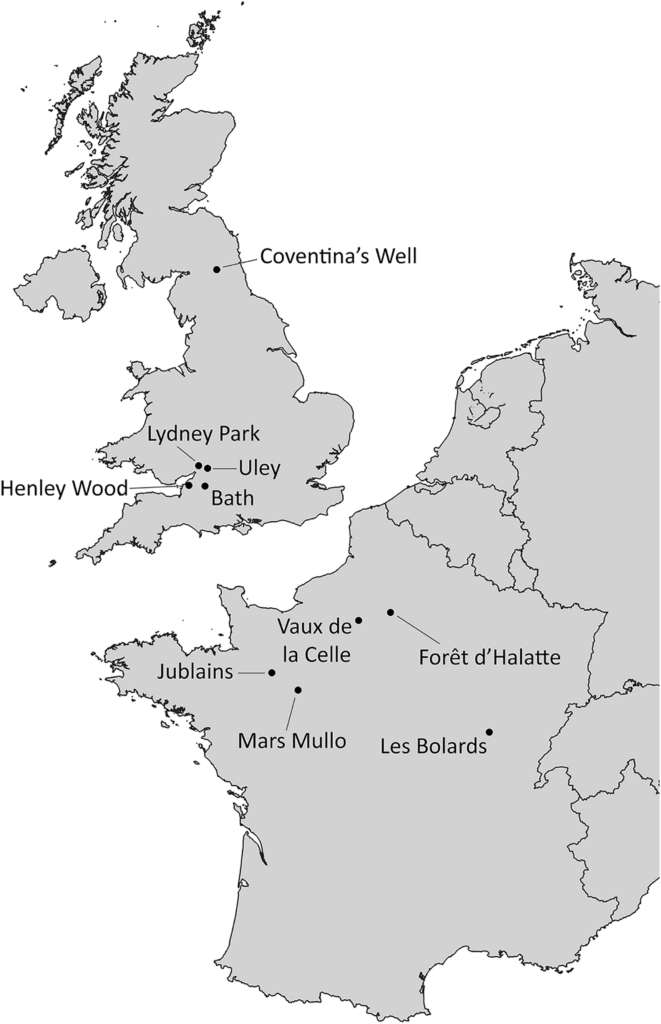
Published in the Cambridge Archaeological Journal, the study analyzes offerings deposited at ten sanctuaries across Britain and Gaul during the Roman period, revealing what Wigodner describes as a permeability–impermeability binary rooted in Roman gender ideology.
A Colonial Worldview Written in Objects
In Roman ideology, the empire imagined itself as masculine, rational, and civilizing—contrasted with conquered peoples portrayed as feminine, emotional, and in need of control. This gendered dynamic was not merely rhetorical. It structured Roman law, family organization, imperial imagery, and even concepts of sexuality and power.
The study explores whether this symbolic system—particularly the Roman association of masculinity with impenetrability and control—can be detected archaeologically.
Rather than focusing on texts or monuments alone, the researcher turned to votive offerings: personal objects dedicated to deities in temples and sacred precincts. Because these offerings were individually chosen, widely accessible, and symbolically charged, they provide a rare window into how ordinary people expressed belief.
📣 Our WhatsApp channel is now LIVE! Stay up-to-date with the latest news and updates, just click here to follow us on WhatsApp and never miss a thing!!
The dataset includes objects deposited roughly 50 to 100 years after Roman conquest—enough time for imperial influence to take hold. Five sanctuaries were located in Britain and five in Gaul, spanning both urban and rural settings.
Permeable Women, Impermeable Men
The central finding is striking.
Women and goddesses were overwhelmingly represented in materials that are fragile, porous, or translucent—such as clay, bone, and glass. Men and gods, by contrast, were more often associated with durable, resistant metal.
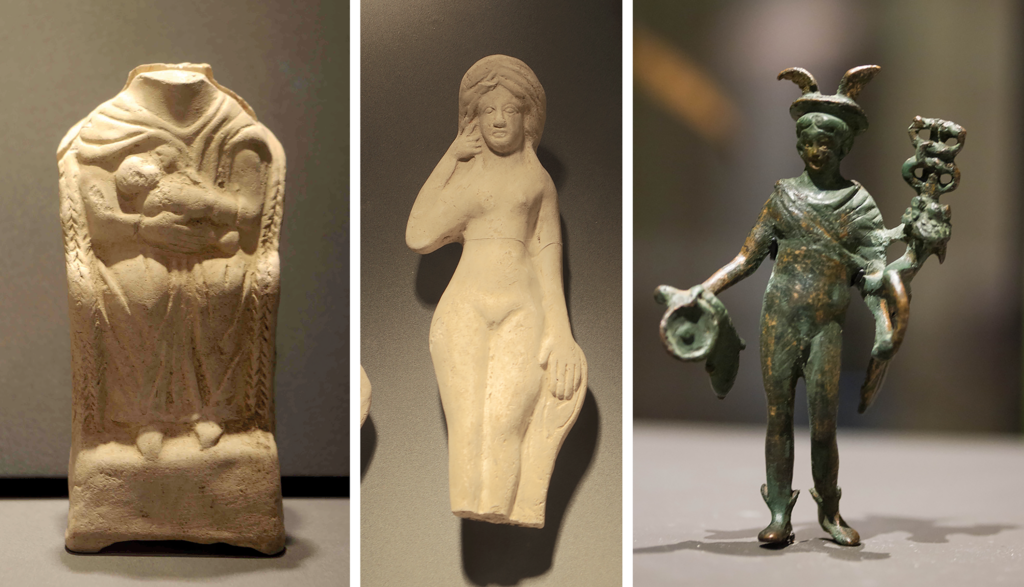
Ceramic figurines, for example, largely depict female deities such as Venus or Mother Goddesses. Bone objects—many of them hairpins and textile tools linked to women—also skew heavily female. Glass beads and ornaments show a similar pattern.
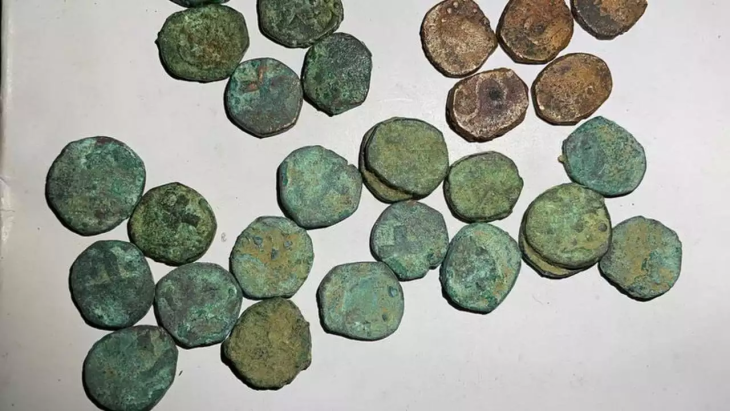
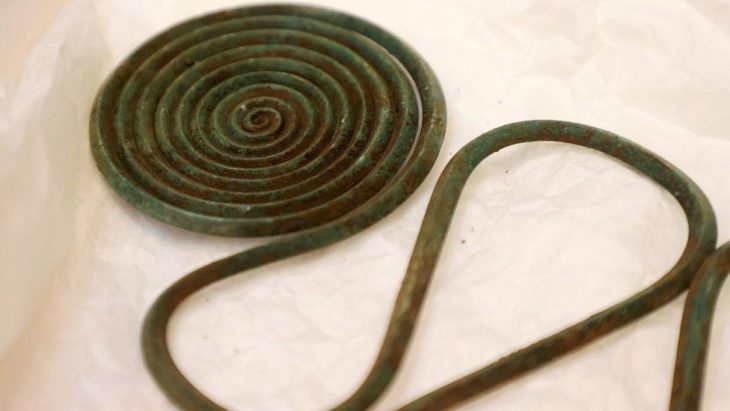
Metal tells a different story. Bronze and other metal objects more frequently represent male gods or were offered by men. In the dataset, 75% of metal representations depict masculine figures, and metal offerings skew toward male donors.
This pattern reflects a broader Roman metaphor. Masculinity in Roman thought was tied to impermeability—the ability to resist penetration, to command rather than be commanded, to maintain bodily and social control. Femininity, by contrast, was associated with permeability: the penetrable body, childbirth, fragility, and openness to influence.
Material properties appear to mirror these ideas.
Clay breaks. Glass shatters and allows light to pass through. Bone absorbs moisture. Metal endures.
The symbolism is subtle—but consistent.
Religion as a Mirror of Empire
Importantly, the study argues that these patterns cannot be explained simply by wealth or access. Both men and women offered expensive items. Both commissioned statues and inscribed monuments. Metal was not restricted to elite males, nor was clay confined to poorer worshippers.
Instead, the distribution suggests that material choice carried symbolic meaning.
Even where objects served practical functions—hairpins, tools, beads—their material may have reinforced gendered associations. If women commonly wore glass beads, did that strengthen the cultural link between femininity and fragility? If metal tools were associated with male labor, did that reinforce masculinity as durable and unyielding?
Such symbolism likely operated below the level of conscious awareness. Yet it shaped decisions—what to represent, what to offer, and perhaps even how to understand oneself.
Before Rome: A Different Gender Landscape?
A key question is whether these associations existed before Roman conquest.
The archaeological record from the Late Iron Age suggests more limited material diversity in offerings. Most surviving ritual objects are metal, making direct comparison difficult. Some regional burial evidence shows associations between certain materials and biological sex—for instance, glass beads more often in female graves. But there is little evidence for a coherent gender–permeability binary before Roman rule.
Classical authors even described Gaulish and British societies as violating Roman gender norms. Celtic women could lead armies, and male same-sex relationships were reportedly more accepted. Such accounts—though biased—suggest a different symbolic system.
The study concludes that while some material–gender associations may have predated conquest, the Roman imperial worldview intensified and loaded them with new meaning.
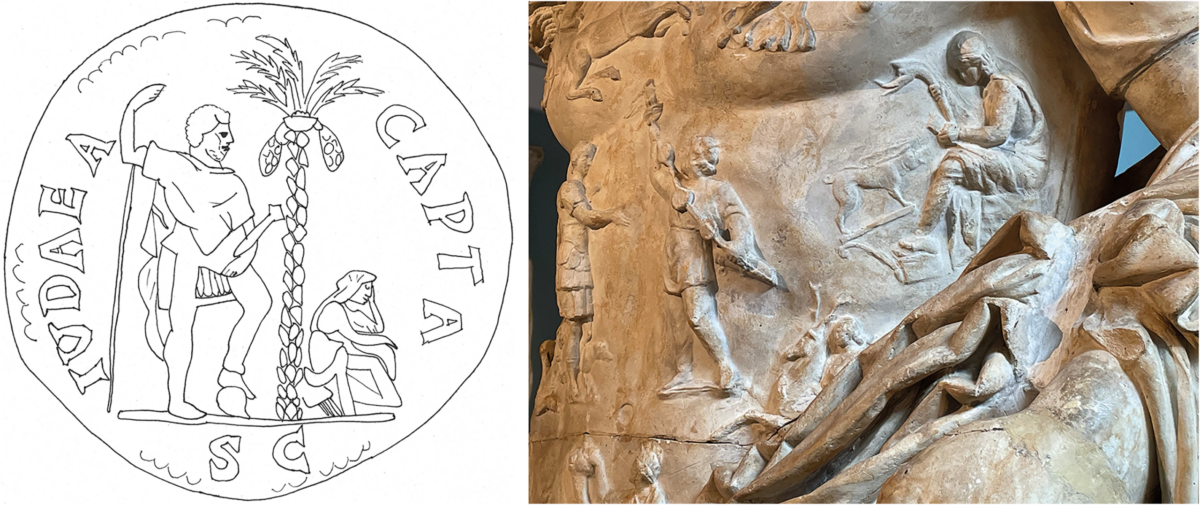
In a colonial setting, linking masculinity to impermeability had political implications. To be conquered was to be metaphorically feminized. Roman coinage famously depicted conquered provinces as kneeling women. Masculine dominance justified imperial rule.
If provincial communities began reproducing this symbolic system in their religious offerings, it suggests not passive submission—but deep cultural entanglement.
Gender, Power, and the Archaeology of Belief
This research contributes to broader debates in Roman archaeology about gender, colonialism, and identity. Scholars have long examined how empire affected labor, family life, and ethnicity. But tracing changes in worldview—how people conceptualized difference and power—remains more elusive.
By applying symbolic anthropology to material culture, the study proposes a new methodological path. Rather than looking only at what people did, it asks how they categorized the world around them.
The result is a provocative hypothesis: that Roman imperial gender ideology permeated daily ritual life in Britain and Gaul, subtly shaping how materials themselves were understood.
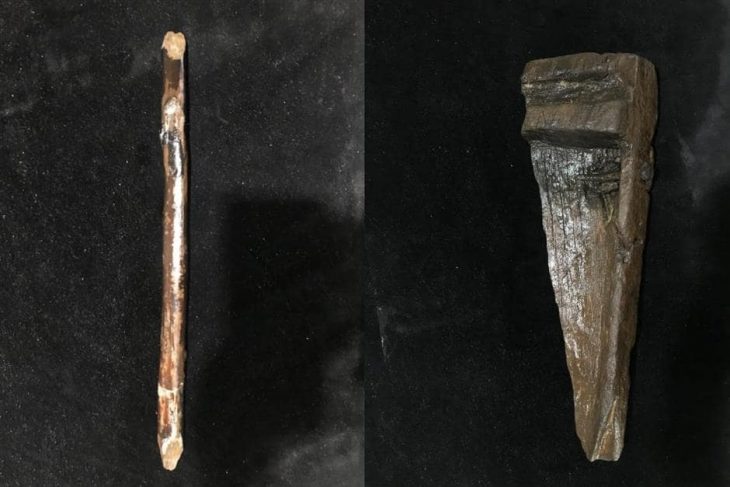
The author cautions that the dataset has limitations. Organic materials like wood rarely survive. Chronological precision is difficult. More comparative work is needed beyond sanctuary contexts.
Yet the patterns are clear enough to raise important questions.
When clay goddesses break and bronze gods endure, are we seeing more than artistic convention? Are we witnessing the materialization of empire itself?
A Material Legacy of Colonial Power
The study does not argue that provincial communities simply became “Roman.” Resistance and local identities persisted. Individuals negotiated imperial norms in complex ways.
But it does suggest that colonial power operates not only through armies and administration—but through symbols. Through metaphors embedded in everyday objects. Through the quiet logic of materials.
In Roman Britain and Gaul, votive offerings may have done more than honor the gods. They may have carried, in clay and metal, a gendered vision of the world—one in which strength resisted, and fragility yielded.
And two thousand years later, archaeology is still uncovering how deeply that vision ran.
Wigodner A. Materializing a Gendered Colonial Worldview: Symbolic Permeability in Votive Offerings in the Roman Northwest. Cambridge Archaeological Journal. Published online 2025:1-15. doi:10.1017/S0959774325100309
Cover Image Credit: Imagery of conquered provinces depicted as women: (left) reverse of a Judea Capta coin showing Titus towering over a seated Judea; (right) Gallia portrayed as a subdued female figure on the breastplate of the Augustus of Prima Porta. After RIC II.1 (167); photo courtesy of the Ashmolean Museum, Oxford. Wigodner A. (2025), Cambridge Archaeological Journal