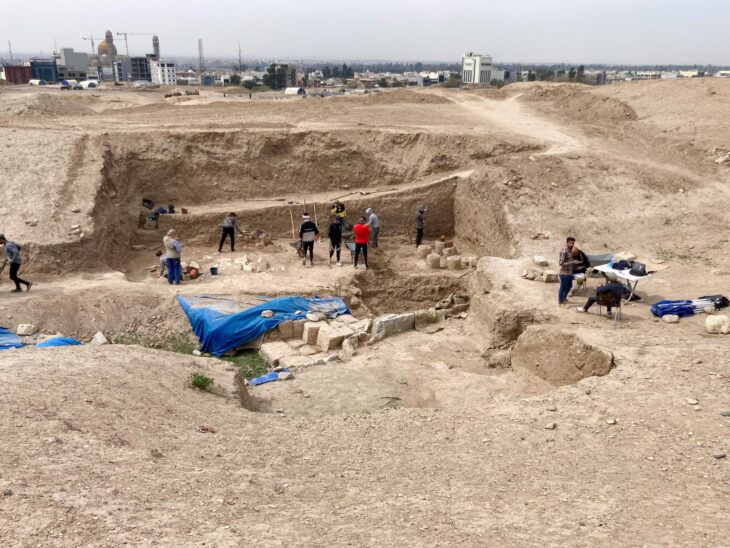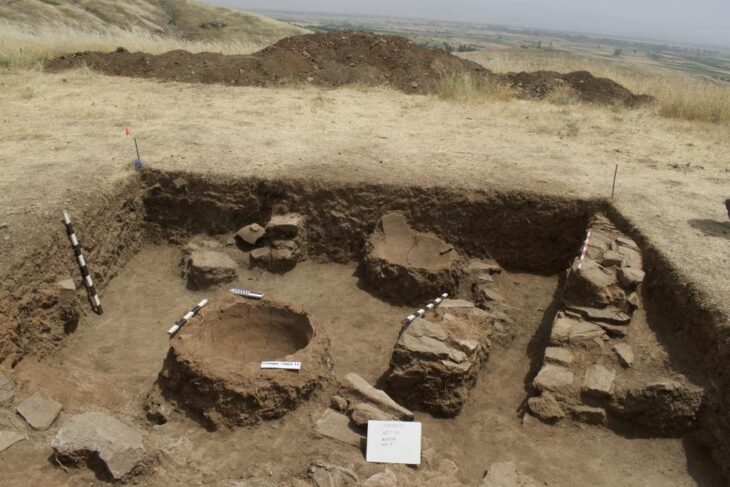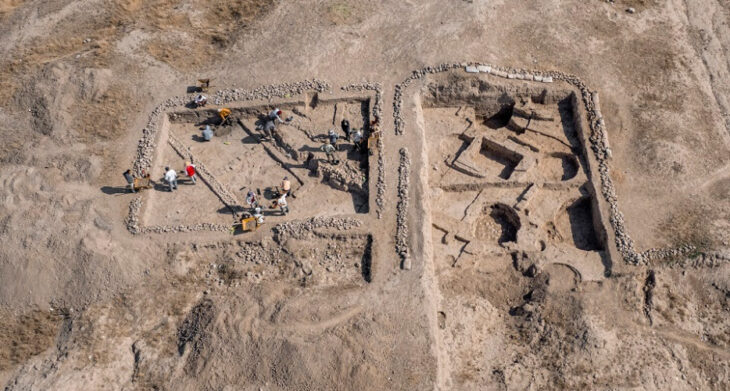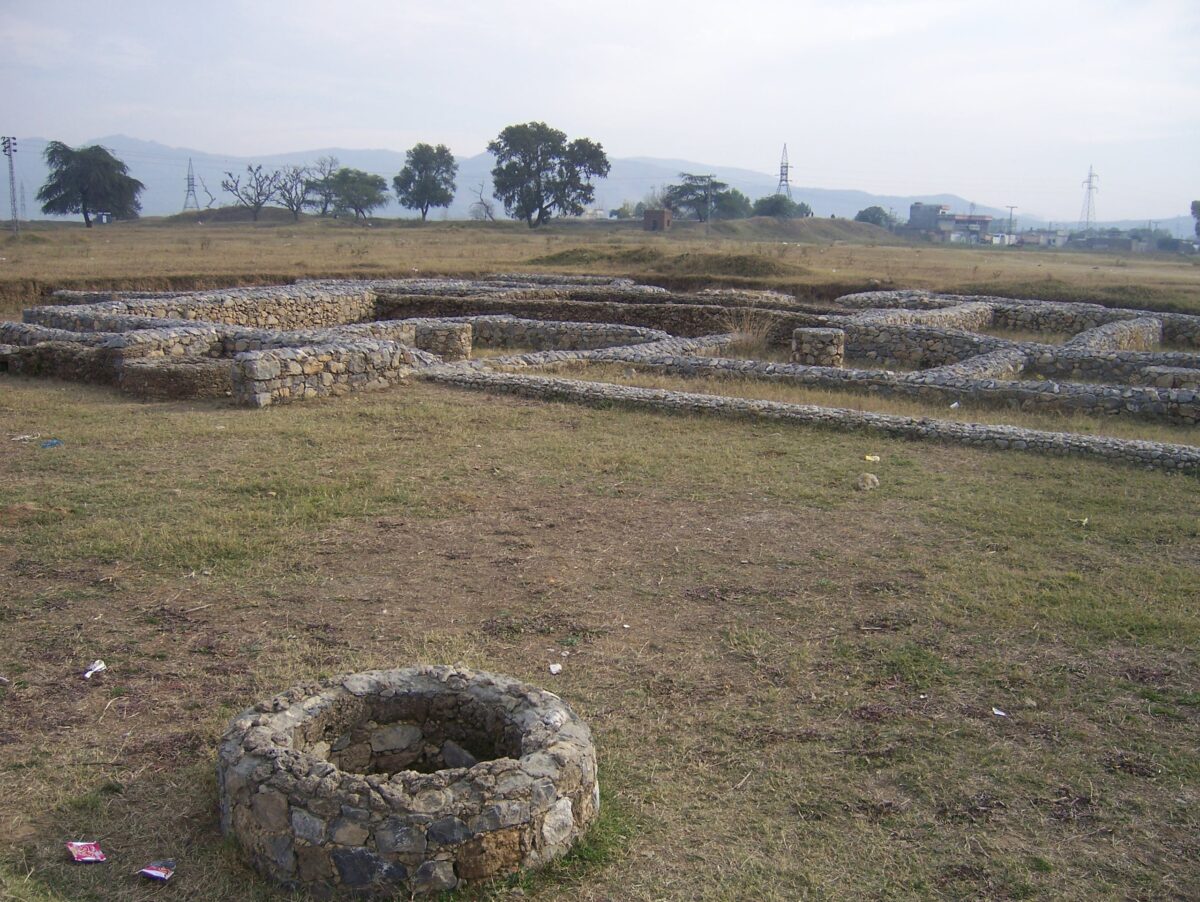
Recent archaeological discoveries at Bhir Mound, the earliest urban settlement of ancient Taxila, located near modern-day Islamabad in Pakistan’s Punjab province, are offering fresh and compelling insights into the region’s religious diversity and cultural life during the 3rd century BC. Among the most striking finds are a dancing terracotta female figurine and a carefully shaped quartz artefact, both dating to the late Mauryan period and the beginning of Indo-Greek rule.
Taxila, a UNESCO World Heritage Site, lies approximately 35 kilometres northwest of Islamabad, near the city of Taxila in Rawalpindi District. In antiquity, it stood at a strategic crossroads linking Central Asia, South Asia, and the Middle East, making it a thriving centre of trade, learning, and spiritual exchange.
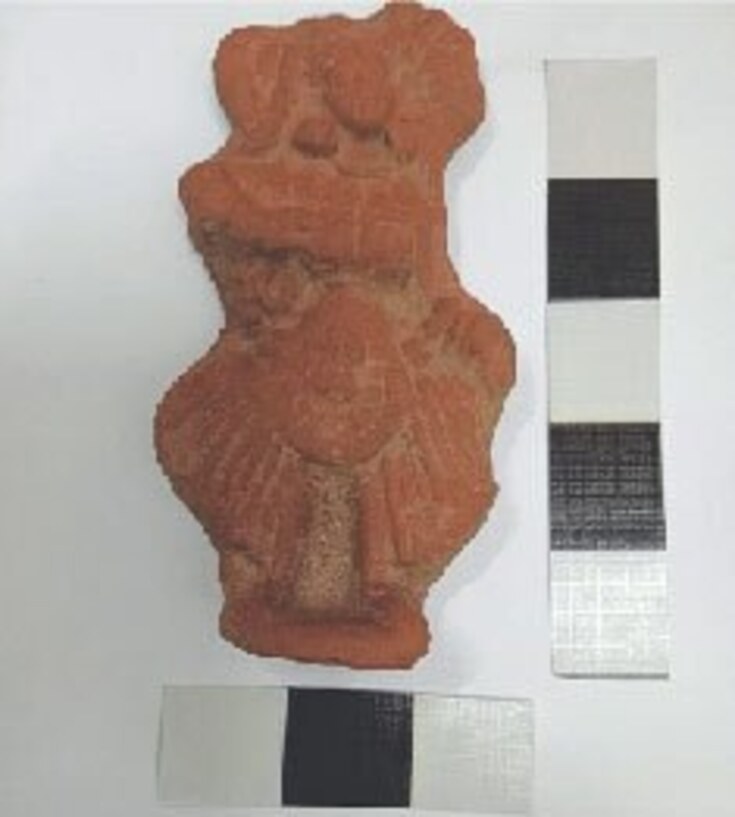
Unearthed during systematic excavations led by the Punjab Department of Archaeology, the figurine depicts a woman captured mid-dance, adorned with earrings and bangles, her face alive with joy and movement. Measuring approximately five inches in length, the artefact stands out for its expressive detail and artistic sophistication, qualities rarely preserved so vividly in early terracotta art.
According to Aasim Dogar, Deputy Director of the Punjab Department of Archaeology, the artefacts reflect a distinctly local artistic tradition shaped under Mauryan influence. “Such figurines clearly indicate the cultural direction from which the arts and crafts of Taxila drew inspiration,” he said, adding that further laboratory testing is underway to confirm the preliminary dating.
Bhir Mound: The Oldest Layer of Taxila’s Urban History
Bhir Mound represents the earliest occupational phase of Taxila, with continuous habitation stretching from the Achaemenid Persian period (6th century BC) through the Mauryan Empire and into early Indo-Greek times. Archaeologists regard it as one of South Asia’s earliest planned urban settlements, featuring narrow streets, residential blocks, and early drainage systems.
📣 Our WhatsApp channel is now LIVE! Stay up-to-date with the latest news and updates, just click here to follow us on WhatsApp and never miss a thing!!
Before Taxila became famous as a Buddhist center of learning, Bhir Mound functioned as a vibrant city closely connected to long-distance trade routes, including early networks that later evolved into the Silk Road. Excavation team member Anmol Zahoor noted that the site provides critical evidence for understanding the political, economic, and religious foundations of ancient Gandhara.
Clues Pointing to Jainism in Ancient Taxila
The terracotta figurine has drawn particular scholarly attention due to its possible association with Jainism, one of the oldest religious traditions of the Indian subcontinent. Dr Abdul Ghafour Lone, senior archaeologist and former curator of the Taxila Museum, explained that similar figurines discovered at other sites have been linked to early Jain communities.
“Such artefacts are not isolated finds,” Dr Lone said. “Comparable examples have been recorded at known Jain centers across the subcontinent. When viewed together, they strongly suggest that Jain followers lived in Taxila alongside Buddhists and adherents of other faiths.”
What Is Jainism? A Brief Overview for Readers
Jainism originated around the 6th century BC and emphasizes ethical living as the path to spiritual liberation. Its core principles include ahimsa (non-violence), truthfulness, non-attachment, and self-discipline. Rather than focusing on a creator god, Jainism teaches that individuals can free their souls through moral conduct and spiritual awareness.
Although Jainism is often associated with ascetic practices, historical evidence shows that Jain communities were also urban, commercially active, and culturally expressive. The joyful, dancing posture of the Taxila figurine challenges modern assumptions of early Jain life as purely austere, suggesting that art, music, and celebration coexisted with spiritual discipline.
A Multireligious and Cosmopolitan City
Taxila is globally renowned as a major Buddhist center of learning, attracting scholars from across Asia in antiquity. However, archaeologists increasingly emphasize its cosmopolitan character. “The discoveries at Bhir Mound reinforce the idea that Taxila was a city where multiple religious traditions intersected,” said a scholar familiar with Gandharan material culture.
Excavation expert Hanifullah, who previously worked with the Italian archaeological mission in Pakistan, noted that the figurine’s moulded form suggests organized production. “This raises the possibility that more such artefacts may be uncovered, offering deeper insight into everyday religious and social life,” he said.
Preserving a Shared Heritage
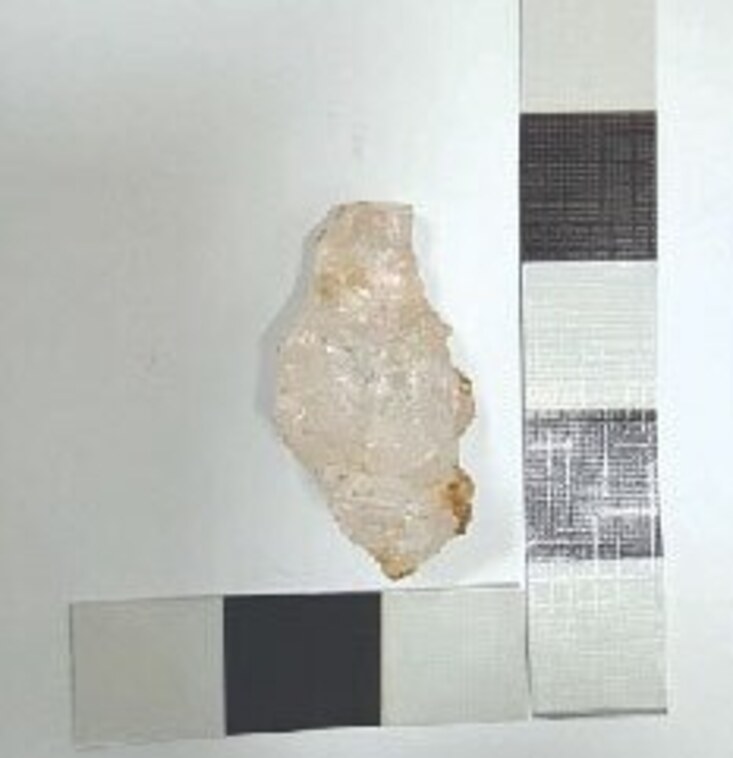
The quartz artefact found alongside the figurine was deliberately shaped and placed within a defined stratigraphic layer, suggesting a symbolic or ritual purpose, according to excavation team member Anam Aziz. Both artefacts have been transferred to secure storage for conservation and detailed scientific analysis.
Once documentation is complete, the objects are expected to go on public display at the Taxila Museum, allowing visitors to explore a formative chapter in the cultural and religious history of what is now northern Pakistan.
As excavations continue, scholars believe Bhir Mound may yield further discoveries that illuminate the early coexistence of Jainism, Buddhism, and other belief systems, reshaping our understanding of one of South Asia’s most important ancient cities.
Cover Image Credit: Public Domain – Wikipedia Commons