27 March 2026 The Future is the Product of the Past

1000-Year-Old Tomb Found in Perre Ancient City in southeast Turkey

A 1,000-year-old tomb was unearthed in the ancient city of Perre in Adiyaman province.

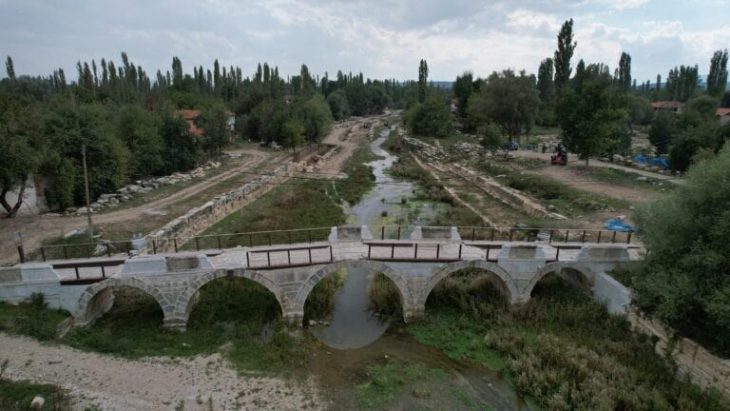
Perre is one of the five largest cities of the Commagene, which was an ancient Greco-Iranian kingdom. Excavations continue in the Ancient City of Perre, one of the most important cities of the Kingdom of Commagene.

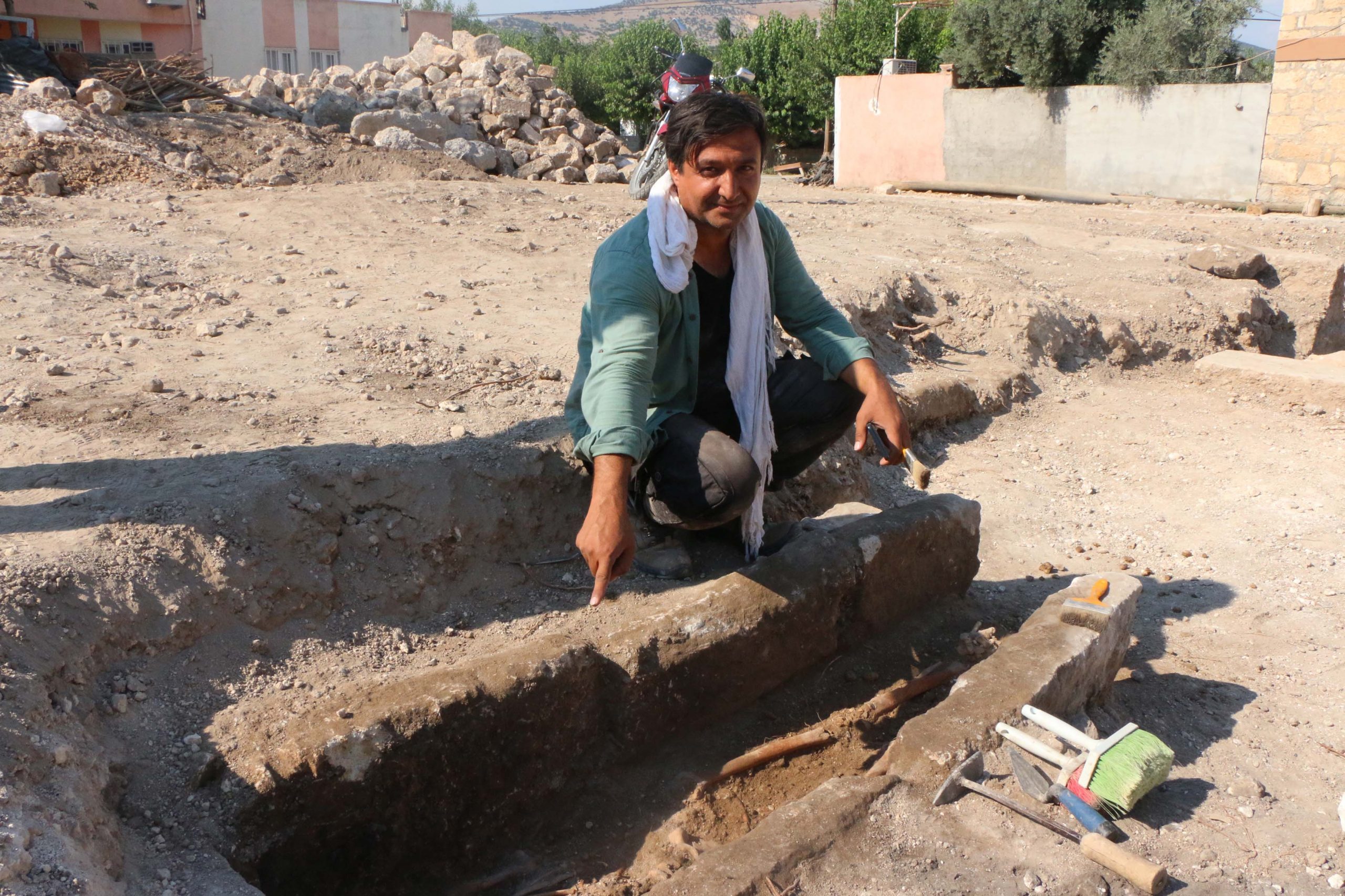
Adıyaman Museum Director Mehmet Alkan, who examined the excavations, said that there was a tomb in the city dating back 1000 years.

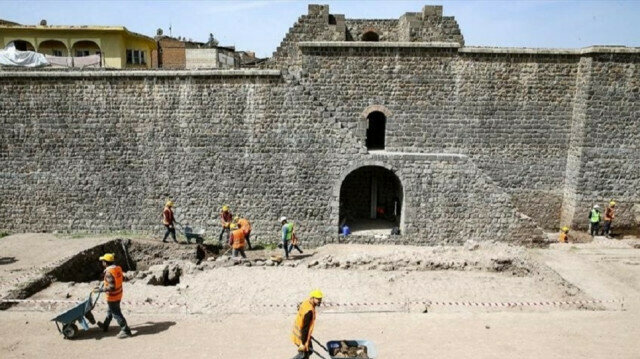
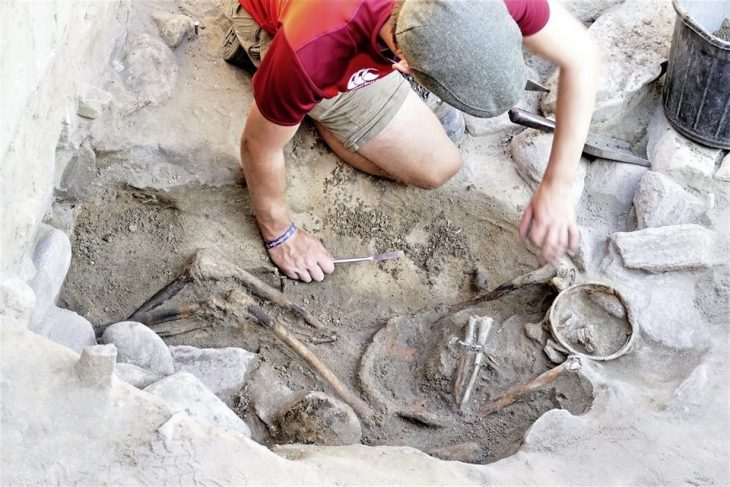
According to the news of DHA reporter Mahir Alan; During the excavations carried out on an area of 2 decares in the center and the living area of the Ancient City of Perre, a tomb belonging to the Byzantine period, which was formed by surrounding it with stones, was found.
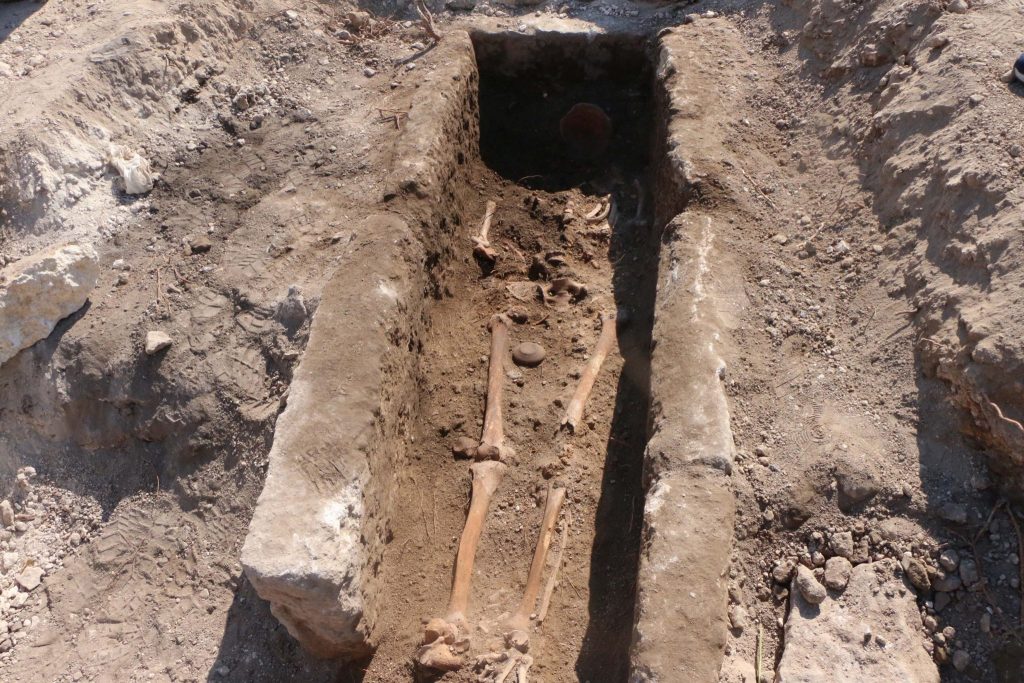
The 1000-year-old tomb unearthed in the Ancient City of Perre PHOTO: DHA

Adıyaman Museum Director Mehmet Alkan, who examined the excavations carried out, stated that there was a tomb in the area where the center of the ancient city is located, and said, “We have reached an interesting tomb structure here. This tomb structure was surrounded by stones and a male skeleton appeared. This male skeleton was lying on its back, and a pot was also found in the tomb. In our investigations, we determined that the skeleton belongs to a thousand years ago, that is to the Byzantine period,” he said.


📣 Our WhatsApp channel is now LIVE! Stay up-to-date with the latest news and updates, just click here to follow us on WhatsApp and never miss a thing!!


Perre Ancient City is located 5 kilometers from the city core of Adiyaman. In Ancient Roman texts, the city is noted for the beauty of its water. In the necropolis area near Perre Ancient City, there are more than 200 rock tombs.
Related Articles

Amateur divers discover ‘enormously valuable’ hoard of Roman coins

27 September 2021

27 September 2021

Two amateur free divers have found one of the largest collections of Roman coins in Europe off the east coast of Spain. Luis Lens...

New fortifications unearthed in Porsuk Mound excavations

11 August 2021

11 August 2021

In the excavations of Porsuk Mound, which is an important Hittite settlement and where traces of settlement remains can be...

Polish archaeologists have uncovered nine crocodile heads within ancient Egyptian tombs of nobles

25 December 2022

25 December 2022

Polish archaeologists excavating the Theban Necropolis in Egypt discovered nine crocodile heads hidden inside two tombs belonging to high-ranking nobles....

Hidden for Millennia, Limyra’s Long-Lost Temple of Zeus Has Finally Been Found After 43 Years of Searching

3 December 2025

3 December 2025

A significant breakthrough has reshaped archaeological understanding of Limyra, one of eastern Lycia’s most storied ancient cities. Excavations in Finike,...

The Colchester Vase: New Analyses Uncover Evidence of Gladiatorial Combat in Roman Britannia

23 February 2025

23 February 2025

The Colchester Vase, dating back to A.D. 160–200, is not just a ceramic artifact; it is considered a unique graphic...

A Roman copper-alloy tiny tortoise figurine found in Suffolk

3 December 2023

3 December 2023

In July last year, a small Roman copper alloy tortoise or turtle figurine was discovered by metal detectors near the...

5,700-Year-old Ancient “Chewing Gum” Gives Information About People and Bacteria of the Past

4 April 2021

4 April 2021

Researchers at the University of Copenhagen have successfully extracted the complete human genome from “chewing gum” thousands of years ago....

New study says earliest recorded kiss occurred 4500 years ago in Mesopotamia

18 May 2023

18 May 2023

The University of Copenhagen according to researchers, humanity’s earliest recorded kiss occurred around 4,500 years ago in the ancient Middle...

Researchers extract ancient DNA from a 2,900-year-old clay brick

6 September 2023

6 September 2023

Researchers have successfully extracted ancient DNA from a 2,900-year-old clay brick, uncovering a wealth of information about the plant life...

Europe’s earliest cities had a predominantly vegetarian diet

27 December 2023

27 December 2023

The population of the Copper Age mega-sites in what is now Ukraine and Moldova had a predominantly vegetarian diet. In...

The Carthaginian Elephant in the Oppidum: New Archaeological Evidence of War Elephants in the Second Punic War

27 January 2026

27 January 2026

Archaeologists in Córdoba uncover the first physical evidence of Carthaginian war elephants in Western Europe, shedding new light on the...

This summer, a 2,000-year-old “thermopolium” fast-food restaurant in Pompeii will reopen to the public

8 August 2021

8 August 2021

Archaeologists excavated a 2000-year-old fast food and drink counter “termopolium” on the streets of the ancient Roman city of Pompeii...

The Queer Side of Taş Tepeler No One Talks About: Sex, Ritual, and Ecstasy in the Neolithic

9 February 2026

9 February 2026

For decades, the monumental stone sites of Neolithic Anatolia have been explained through a familiar archaeological narrative. Towering pillars, dramatic...

6,000-Year-Old Settlement Was home to Europe’s first megalithic monument makers

22 February 2023

22 February 2023

Archaeologists in France unearthed the remains of a series of wooden buildings within a defensive enclosure that were built at...

Bronze Age Petroglyphs discovered in Kazakhstan

1 May 2024

1 May 2024

Volunteers in Kazakhstan have discovered new petroglyphs from the Bronze Age. The rock carvings were found by volunteers of the...